Understanding dental insurance can feel overwhelming, especially when considering if it’s right for you. For many seniors, maintaining oral health is vital, but the costs can add up. Dental insurance can help manage expenses for preventive care, fillings, and more. However, deciding on a plan involves weighing benefits against potential drawbacks like premiums, possible limits, and waiting periods. This guide explores the pros and cons, helping you make an informed choice about dental insurance. With the right insights, you can determine what fits your situation. Enter your ZIP code to explore local options suited to your needs.


Dental Insurance for Seniors
find affordable dental insurance





Is Dental Insurance Worth It for Seniors?
Key Highlights
- Dental insurance helps manage costs for preventive care, fillings, and more.
- Key benefits include financial peace of mind and lower unexpected expenses.
- Potential drawbacks involve premiums, coverage limits, and waiting periods.
- Medicare Advantage offers additional dental benefits beyond traditional Medicare.
- Comparing plans by location helps find coverage that matches needs.
Compare Dental Plans
Understanding Dental Insurance for Seniors
Diving into dental insurance, especially for seniors, involves understanding what it offers and how it fits individual needs. Dental insurance can provide peace of mind by potentially reducing out-of-pocket expenses for dental care. It’s crucial to look at what typical dental insurance covers, from preventive care to more complex services. Each plan varies, emphasizing the importance of thorough research and comparison.
By gaining a clear understanding of dental care coverage, like exams, cleanings, and major procedures, you can better navigate the options available. Enhancing your knowledge helps in making informed decisions that align with your health priorities.
What Dental Insurance Typically Covers
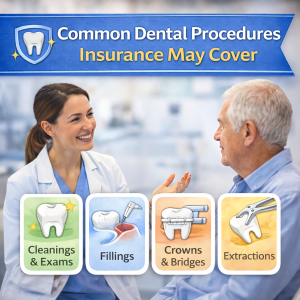
Dental insurance often covers a range of services designed to maintain oral health. Generally, coverage includes preventive services such as regular dental care exams and cleanings. These preventive services are crucial for detecting issues early, potentially saving costly procedures down the line. Many insurance plans also cover a portion of more extensive dental services like fillings, crowns, and root canals.
Understanding the specifics of what’s covered helps prevent surprises when the dental insurance bill arrives. Insurance coverage levels can vary significantly, with some policies offering more substantial support for complex dental services than others. Keep in mind that most insurance plans have annual maximums and waiting periods for certain procedures.
This makes understanding the details critical. With dental insurance, it’s not just about coverage, but how it can make necessary dental care more affordable over time. This knowledge ensures you’re not caught off guard and can maximize your benefits effectively.
Understanding what dental insurance encompasses can be crucial for effective navigation and avoiding unexpected costs. Here are specific services and considerations to keep in mind:
- Routine Checkups: These are typically covered and play a vital role in maintaining overall oral health at regular intervals.
- Cleanings and X-Rays: These services are often included in order to prevent severe dental issues through early detection and regular maintenance.
- Basic Procedures: Coverage generally extends to services such as fillings and extractions to treat common dental problems.
- Major Dental Work: Insurance may partially cover more complex procedures like crowns and bridges to restore damaged teeth.
- Orthodontics: Some plans provide benefits for braces or aligners, though this is usually under specific conditions and not universally covered.
- Cosmetic Dentistry: Procedures like teeth whitening or veneers, which focus on aesthetics, are not often covered by dental insurance plans.
- Waiting Periods and Maximums: Be aware of any restrictions that might delay access to benefits or limit the amount of coverage available each year.
By understanding these points, you can navigate dental insurance more effectively and ensure you receive the necessary care without facing unexpected costs.
Key Benefits of Dental Insurance
Dental insurance can provide significant advantages, especially for seniors looking to manage their oral health efficiently. One of the key benefits of having dental insurance is the financial peace of mind it offers retirees. It helps in reducing unexpected dental expenses, ensuring seniors stay on the right track with their health care needs. Dental insurance often includes preventive services, which can lead to long-term savings by avoiding major health issues. Understanding the pros of these services aids in making confident health choices and maintaining a healthy lifestyle.
| Benefit | Description | Financial Impact |
|---|---|---|
| Preventive Care | Covers regular check-ups, cleanings, and screenings | Reduces out-of-pocket expenses |
| Treatment Coverage | Includes fillings, crowns, and other necessary procedures | Minimizes unexpected costs |
| Access to Specialists | Provides access to a network of dental professionals | Offers potential savings through negotiated rates |
| Emergency Care | Covers urgent dental issues that arise unexpectedly | Helps manage emergency costs effectively |
Dental insurance plays a crucial role in supporting seniors’ oral health by mitigating financial burdens and facilitating consistent access to necessary dental services, contributing to sustained oral and financial well-being.
Pros of Having Dental Insurance
Having dental insurance ensures a range of benefits tailored to maintain your dental health. One of the primary pros is peace of mind, as it reduces financial strain associated with unexpected dental treatments. Health-focused plans offer preventive care like regular check-ups and cleanings, which are key benefits that help maintain oral health and potentially reduce future costs.
Dental insurance often covers part of the expenses for more costly treatments such as fillings, crowns, or dentures, bringing further savings on necessary procedures. Another advantage is how insurance plans support better health outcomes by promoting routine dental visits, keeping you on the right track to detect problems early and manage overall health effectively.
While plans vary, there’s a reduced worry about large unexpected bills, as seniors know the extent of their coverage. This understanding reinforces retirees’ peace of mind, allowing them to budget predictably and live comfortably without dental care surprises. By choosing the right plan, dental insurance can be a robust tool for maintaining both oral and financial health.
Potential Drawbacks of Dental Insurance
While dental insurance can bring considerable benefits, it’s important to be aware of potential drawbacks before making a decision. These drawbacks often involve the complexity of selecting the right dental plan and understanding the associated costs. Seniors should consider the cons of dental insurance, such as out-of-pocket costs, monthly premiums, and the limitations within their chosen plan. By understanding these factors, seniors can make more informed choices, weighing the benefits against the drawbacks to see if a dental plan aligns with their financial and healthcare needs.
Cons to Consider Before Choosing a Plan
When contemplating dental insurance, there are several cons to keep in mind. One significant drawback is the cost associated with monthly premiums, which can add up over time, especially for seniors on a fixed income. Even with insurance, out-of-pocket costs might surprise you, such as co-pays and deductibles. Many plans have annual limits, meaning any dental expenses incurred above this limit must be fully covered by the individual. Also, insurance plans might not cover all procedures, leaving gaps in coverage.
Seniors might also face waiting periods for certain services, delaying needed treatments. Understanding these potential drawbacks is vital before selecting a dental plan. Consider how these cons align with your budget and dental care needs. Weighing these factors carefully will help you make a decision that best suits your financial situation and ensures your dental health is well-managed.
Comparing Dental Plans for Better Decisions
Choosing the right dental plan involves more than just looking at cost. Seniors should consider how plans differ across providers. Each company offers unique benefits and limitations. Comparing dental plans helps ensure you find a match that meets your needs. Factors like network size, covered services, and partner agreements can affect your decision. Understanding these elements aids in selecting a plan that offers comprehensive coverage and financial peace. By assessing these aspects, you can avoid unexpected costs and ensure your dental health is prioritized. It’s all about making informed decisions that benefit your overall well-being.
Find & Compare Plans Online
How Dental Plans Differ Across Providers
Dental plans are as varied as the providers offering them, making it essential to understand how they differ. Each insurance company, such as Delta Dental, has its own network of participating dentists and specialists. These networks influence where you can receive services and, consequently, the costs involved. Stand-alone dental insurance provides seniors with options to visit these in-network dentists, often resulting in lower out-of-pocket expenses.
However, going out of network might mean higher costs, as providers outside this circle may charge more. Companies also differ in their services, with some plans offering extensive coverage while others might limit certain procedures. For example, preventive services like cleanings are typically covered, but major procedures cost more and might not be fully covered.
Understanding these differences is crucial for seniors, as it impacts their overall dental care experience and budget. It’s advisable to review estimates and talk to partners in the network to gain insights into which dental plan aligns with your healthcare requirements. Ultimately, thorough research into how dental plans differ can lead to better decisions and ensure that your needs are met without unexpected financial burdens.
Understanding Coverage Gaps in Dental Plans
Dental insurance for seniors often comes with coverage considerations that need careful attention. While plans tend to cover a wide array of preventive services and some major procedures, there are often gaps that seniors should be aware of. These coverage gaps can lead to unexpected expenses and may affect how seniors budget for their dental needs. Understanding these gaps helps you navigate the complexities of dental plans and make better-informed decisions. It’s important to look into what might not be covered and plan accordingly to avoid surprise costs and ensure comprehensive care.
Services That May Not Be Covered
Many dental insurance plans come with specific limitations, particularly in terms of services that may not be covered. Some plans might exclude certain types of treatments, creating coverage gaps that seniors should consider seriously. For example, cosmetic dentistry procedures such as teeth whitening or veneers often fall outside what insurance covers, leaving individuals to shoulder these costs entirely.
Additionally, some plans may limit the number of visits or treatments within a year, especially for services deemed elective or non-essential. It’s also worth noting that more complex procedures like dentures or implants might have restrictions or require substantial out-of-pocket contributions despite initial coverage indications.
Understanding what services are not covered under your dental plan ensures you can plan financially and decide if additional coverage or savings for certain procedures are necessary. This detail-oriented approach helps you align your dental care with your health goals without unexpected financial strain. As dental insurance varies widely, examining each plan thoroughly, including the fine print, provides clarity on what expenses might arise.
Seniors should use resources like Dentalinsuranceforsenior.org to explore available options and consider supplemental coverage when substantial coverage gaps exist. By doing so, you can better prepare for comprehensive dental healthcare that matches your needs.
The Role of Medicare Advantage in Dental Care
Medicare Advantage plays a significant role in enhancing dental care options for seniors. Unlike Original Medicare, which offers limited dental benefits, Medicare Advantage plans often provide more comprehensive dental insurance. These plans may cover a broader range of services, including dental exams, cleanings, and sometimes even fillings or more advanced procedures.
Understanding how Medicare Advantage complements traditional dental coverage can help you make informed decisions about your healthcare needs. With these plans, seniors can tailor their dental insurance to better match their health priorities, improving both financial and oral health outcomes.
How Medicare Advantage Complements Dental Coverage
Medicare Advantage plans are designed to complement traditional dental insurance by filling in coverage gaps that Original Medicare leaves behind. These plans often come with additional dental benefits that can provide members with a more complete package of health insurance services.
For example, while traditional Medicare does not cover routine dental care, many Medicare Advantage plans include options that cover preventive services such as exams and cleanings, which are essential for maintaining oral health. This additional coverage means fewer out-of-pocket expenses for members, allowing them to select dental care services without financial strain.
Furthermore, these plans commonly offer benefits like discounts on more expensive procedures, such as crowns or root canals, thereby complementing existing dental insurance frameworks. By including a wide network of dentists and specialists, Medicare Advantage ensures that members have accessible and varied options, making it easier to select providers that fit their specific needs.
As seniors explore their insurance options, it’s important to consider how Medicare Advantage can supplement traditional dental insurance, offering broader access to necessary dental care while enhancing overall health and financial peace of mind. Before making a selection, thoroughly review the benefits offered to see how they align with your individual dental care needs and health goals, ensuring optimal well-being.
Making Dental Savings with the Right Choices
For seniors, making savvy financial choices in dental insurance can provide peace of mind and help manage health costs. Deciding on a plan that aligns with your needs is crucial for maximizing dental savings and avoiding unnecessary expenses. Understanding estimates and finding suitable plans specific to locations like Minnesota can guide retirees towards affordable solutions. The goal should be identifying options that balance coverage and costs effectively. Seniors can find solutions that promote oral health without exceeding their budgets, giving them the confidence to manage dental care with fewer financial worries.

Finding Affordable Dental Care Solutions
Finding the right dental care solutions involves evaluating various aspects to make informed choices. Seniors should start by finding plans that offer comprehensive services while making savings a priority. Estimates can vary, so it’s crucial to research thoroughly and find options that meet your healthcare and financial needs. Exploring plans might reveal affordable solutions that offer substantial dental savings, allowing you to maintain oral health without financial strain. Consider services covered by each plan and remember that while preventive services can greatly save costs, more specialized dental care might require additional financial planning.
Retirees can use online tools to find the right track, such as Dentalinsuranceforsenior.org, which provides easy navigation through different plans to identify the best match. Look into various insurance providers and their network reach to ensure you have access to oral care that is both comprehensive and cost-effective. Keeping an open line of communication with your dentist can also provide insights into your specific needs, helping you choose plans offering the right balance of coverage and affordability. Remember, the aim is to secure a dental plan that supports your health needs while ensuring you’re not breaking the bank on essential services.
Understanding the pros and cons of dental insurance helps seniors decide if it’s suitable for their needs. While it can offer savings on treatments and peace of mind, it’s crucial to consider monthly premiums, coverage limits, and specific needs. Comparing plans based on your location and dental expenses can clarify the benefits. Entering your ZIP code on our website provides a personalized look at available options, ensuring choices that match preferences. Dental care is vital for overall health, and knowing your insurance possibilities can help maintain a healthy smile. Costs and coverage differ, so explore your options today.
Compare Dental Plans
Frequently Asked Questions
What are the main benefits of dental insurance for seniors?
Dental insurance can offer financial peace of mind by helping cover costs for preventive care, fillings, crowns, and other treatments. It supports maintaining oral health and can reduce out-of-pocket expenses over time.
What are some potential drawbacks of dental insurance for seniors?
Potential drawbacks include monthly premiums, coverage limits, and waiting periods for certain procedures. It’s important to understand these aspects when choosing a plan to ensure it aligns with both health and financial needs.
Does Medicare Advantage include dental benefits?
Yes, Medicare Advantage plans often include additional dental benefits beyond what traditional Medicare covers. These plans can offer broader coverage for exams, cleanings, and sometimes more complex procedures.
What should seniors consider when comparing dental insurance plans?
Seniors should consider factors such as the range of covered services, network size, potential out-of-pocket costs, and how the plan aligns with personal dental care needs. Researching and comparing different plans can help in making an informed decision.
How can seniors find dental insurance plans tailored to their needs?
Seniors can use resources like Dentalinsuranceforsenior.org to explore and compare dental insurance options based on location. Entering their ZIP code allows them to view plans that meet their specific health and budget requirements.
Find & Compare Plans Online
ZRN Health & Financial Services, LLC, a Texas limited liability company

Russell Noga is a Dental Insurance Educator who writes informational content focused on helping consumers understand dental insurance coverage, benefits, and common plan features. His work emphasizes clear explanations of preventive care, basic and major services, waiting periods, provider networks, and plan limitations. Content is reviewed periodically to ensure clarity and accuracy and is based on publicly available sources. Information may change over time as plan details, availability, and coverage options are updated.