Dental Insurance for Seniors 2026

Exploring dental insurance options can be challenging, especially for seniors seeking comprehensive and affordable plans.

As you consider your dental care needs in 2026, it’s key to understand how coverage, costs, and services can vary. This guide aims to provide clear and supportive insights into different plans available, focusing on the benefits and limitations typical of senior dental insurance.

From preventive services to more extensive treatments, knowing what to expect helps in making an informed decision. Dive in to discover how some dental insurance options may align with your healthcare priorities and budget.

Short Summary


      • Dental insurance is crucial for seniors in 2026, providing oral health maintenance and cost management.
      • Understanding coverage and costs helps seniors select the right dental plan to fit their unique needs.
      • Standalone dental plans focus on dedicated dental care, offering preventive to major procedure coverage.
      • Companies like Delta Dental, Aetna, Manhattan Life, and Ameritas offer comprehensive benefits, including preventive and major care through an extensive provider network.
      • Using your ZIP Code on this website, you can easily find local plans tailored to their health needs and financial situations.

    Compare Dental Plans

    Understanding Dental Insurance for Seniors

    Dental insurance is an essential consideration for seniors in 2026, providing peace of mind and protecting against high dental costs.

    Understanding the nuances of dental insurance, from coverage details to the range of services offered, can make a significant difference in selecting the right plan.

    Gain insights into why dental insurance is particularly important for seniors and explore common services and coverage options tailored to meet their unique needs.

    This knowledge will enable seniors to navigate the complexities of dental insurance with confidence and ease.

    The Best Dental Insurance

    Dental insurance helps seniors control dental care expenses and sustain optimal oral health.

    With a variety of plans offered by dental insurance companies, in 2026, dental insurance for seniors will continue to play a crucial role in maintaining oral health and managing dental expenses effectively.

    As healthcare costs rise, seniors can benefit from dental insurance, which provides financial protection against potentially prohibitive out-of-pocket costs.

    Dental care is an integral part of overall health, particularly for seniors, as conditions like gum disease and tooth loss can significantly affect their quality of life.

    Regular preventative services like cleanings and exams are vital for maintaining dental health and can catch issues early before they escalate into more severe, costly problems.

    Having dental insurance offers more than just financial relief; it provides access to a network of dental professionals and a range of services that may not be affordable otherwise.

    This includes preventative services, fillings, crowns, dentures, and even implants, depending on the plan.

    Dental insurance also often includes benefits for diagnostic and emergency care, helping seniors avoid unexpected and substantial dental bills. As many seniors live on fixed or limited incomes, this predictability in dental care costs is invaluable.

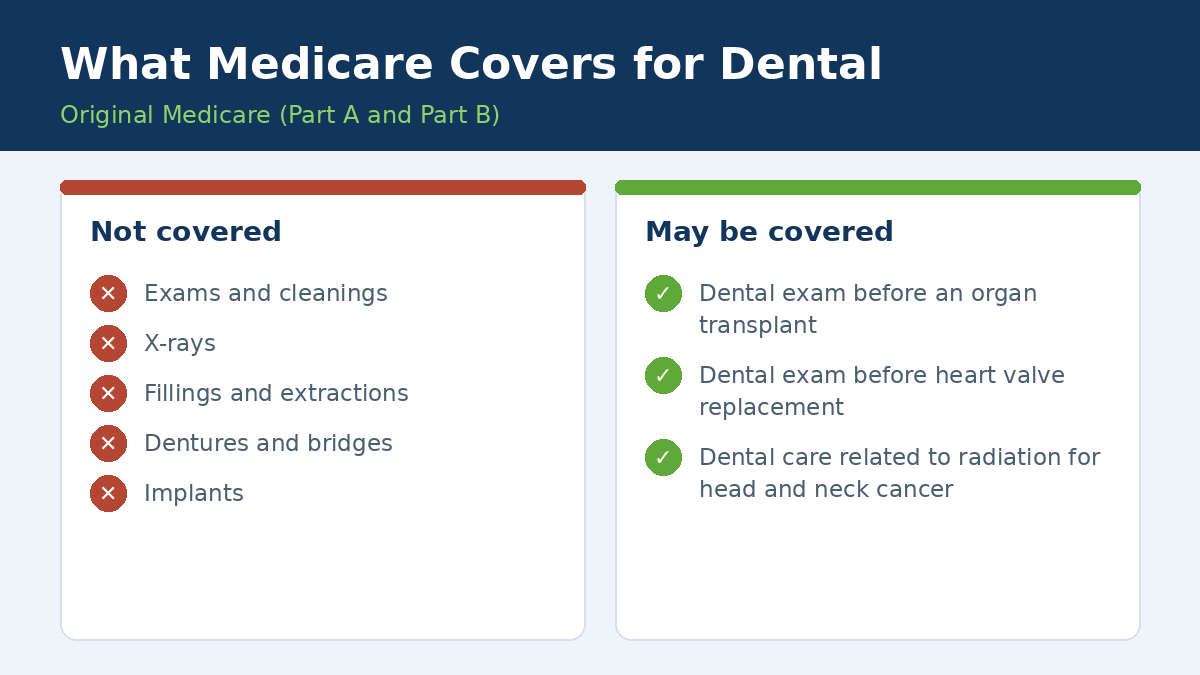
    Moreover, dental insurance can bridge the gap left by Medicare, as traditional Medicare does not cover routine dental services, which are essential for ongoing oral health.

    For many seniors, finding a dental plan that complements their Medicare benefits can ensure comprehensive health coverage.

    Without dental insurance, seniors might defer necessary dental care due to concerns about affordability, which can lead to worsening conditions and higher costs in the long run.

    The benefits of dental insurance in 2026 extend beyond cost savings. Access to regular dental check-ups can prevent more serious health conditions linked to poor oral health, such as heart disease and diabetes complications.

    For caregivers and seniors, having a dependable dental insurance plan provides reassurance and contributes to improved overall health outcomes.

    Maintaining oral health is just as important as other aspects of healthcare, and dental insurance serves as a protective measure, ensuring seniors enjoy positive health outcomes and quality of life.

    the best dental insurance policies for seniors

    Common Services and Coverage Details

    Dental insurance plans for seniors typically cover a range of essential services designed to address the unique dental needs of this age group.

    Services generally fall into several categories: preventive, basic, and major care. Preventive services often include routine cleanings, exams, and X-rays.

    These are vital because they help catch early signs of dental issues, thereby avoiding more severe problems down the line.

    Most dental insurance plans prioritize these services, often covering them at no additional cost, which is particularly beneficial for seniors prioritizing their long-term dental health.

    Basic services typically include more than just routine check-ups. They might cover procedures like fillings for cavities and simple extractions.

    These services address common dental health issues encountered by seniors, like tooth decay, which can quickly become serious if left untreated.

    Understanding the coverage provided by a dental insurance plan for these basic services can help seniors manage dental health issues before they escalate.

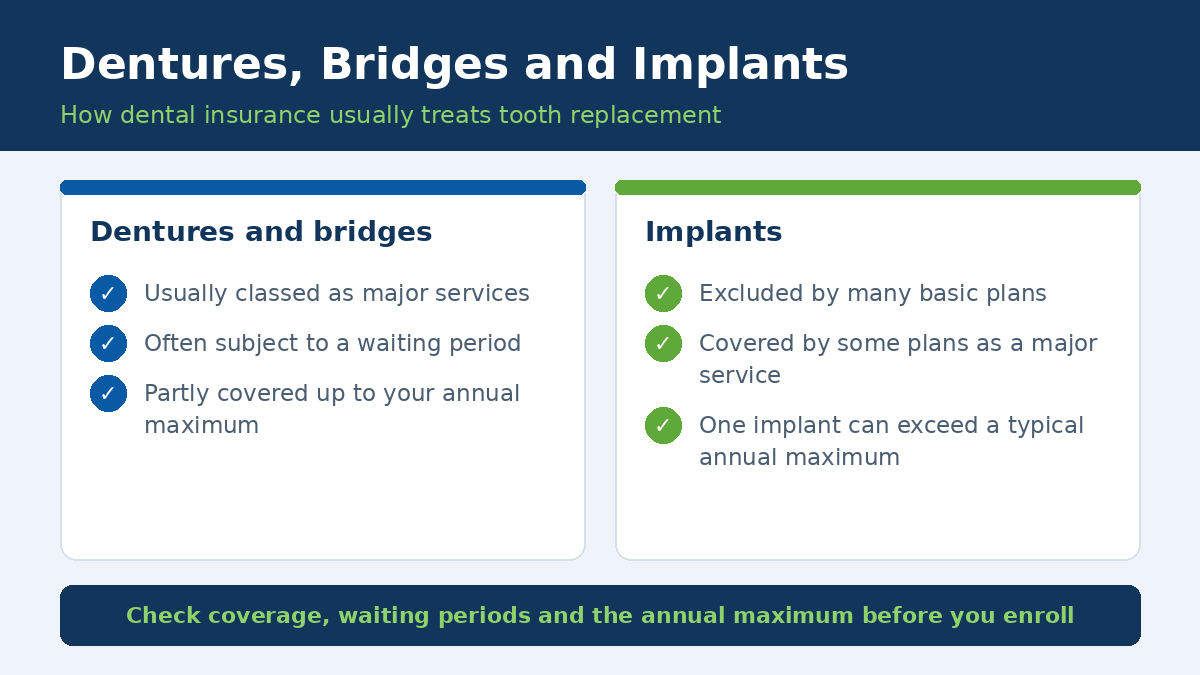
    For major care needs, which include crowns, dentures, bridges, and sometimes implants, coverage details can vary significantly between plans.

    Major care is generally more expensive, but these procedures are often necessary for seniors who face tooth loss or have other significant dental issues.

    A comprehensive dental plan will include some level of coverage for these types of services, but the out-of-pocket costs can still vary.

    It’s important for seniors to compare plans and understand the coverage limits, waiting periods, and cost-sharing aspects, such as deductibles or coinsurance percentages.

    Understanding the nuances of each plan can help seniors choose the right balance of coverage and cost.

    Coverage varies not only by plan but also by location, so seniors should explore plans that are specific to their region.

    Dental insurance for seniors in 2026 is designed to be comprehensive, aligning with the broader health insurance needs typically associated with aging.

    With the right plan, seniors can maintain their oral health without the financial burden that significant dental work might otherwise entail.

    This ensures that good dental care remains an integral part of overall healthcare for seniors.

    Compare Dental Plans

    Types of Dental Insurance Plans Available

    Navigating the world of dental insurance can be complex, especially for seniors aiming to balance their coverage needs with affordability in 2026.

    Understanding the various types of dental insurance plans available is essential for selecting a plan that complements existing Medicare benefits and addresses specific dental care requirements.

    From standalone dental plans to bundled options like Medicare Advantage, each has its own nuances and benefits. In this section, we’ll explore the main categories of dental insurance plans, offering insights into what they cover, cost considerations, and the waiting periods involved.


    Exploring Standalone Dental Plans

    Standalone dental plans are often the choice for seniors who seek dedicated dental coverage without tying it to other types of insurance, like healthcare or vision.

    These plans can be crucial for individuals whose Medicare plans do not cover routine dental services such as cleanings, exams, and other basic care that are vital to maintaining dental health.

    One of the standout features of these standalone dental plans is their specific focus on dental care, covering a broad range of services from preventive to major dental procedures.

    Standalone dental policies generally offer a tiered structure, with preventive services like exams and cleanings usually covered at no or very low cost to the insured.

    These services are essential since they help in the early detection of potential issues, reducing the risk of costly treatments later.

    Basic services, such as fillings and extractions, may also be partially covered, which is particularly beneficial for seniors who want predictable costs for routine dental needs.

    When considering standalone dental plans, one should also factor in the cost, which can vary widely based on the plan details and the provider’s network. Dental networks are critical as they determine the extent of choice and quality of care that can be accessed.

    Policies often provide better rates for dental work performed by in-network providers, encouraging policyholders to choose from a vetted list of dentists.

    Some standalone dental plans also offer benefits that cover a portion of major care services, like crowns, bridges, and dentures, although it’s important to understand the cost-sharing aspects, such as deductibles and coinsurance.

    In addition to coverage details, waiting periods are a noteworthy consideration for standalone dental plans. Some plans might impose waiting periods for specific services, particularly major ones.

    This means that you won’t have immediate access to certain procedures under the coverage, which could affect those needing urgent care. However, for those planning ahead, understanding and considering these waiting periods helps in making an informed decision.

    Seniors should carefully examine each policy’s fine print to ensure that expected services and needs are covered within a reasonable timeframe.

    Standalone dental plans offer flexibility and targeted coverage, distinct from bundled options.

    They provide seniors with the ability to tailor their dental care to their individual needs, separate from other insurance.

    With careful consideration of network options, costs, and waiting periods, these plans can be a reliable choice to manage dental health independently in 2026.

    Seniors exploring their options should enter their ZIP code on our site to view plan availability and coverage tailored to their specific regional needs.


    type of dental insurance plans

    Key Differences Among Insurance Plans

    Selecting the right dental insurance plan requires an understanding of the key differences that exist between various plan types.

    At the basic level, insurance plans are typically categorized as PPO, HMO, or indemnity plans, each with unique benefits and limitations. PPO, or Preferred Provider Organization plans, are among the most popular due to their flexibility.

    These plans provide access to a network of preferred dental care providers while still allowing for some out-of-network coverage. The main trade-off is generally higher premiums and cost-sharing.

    HMO, or Health Maintenance Organization plans, present another option with a focus on cost-efficiency.

    These plans stipulate choosing a primary care dentist within a restricted network, fostering lower out-of-pocket costs and premiums. However, the trade-off for these savings is less flexibility; seeing an out-of-network dentist may lead to higher costs or no coverage at all.

    This could limit choice, but it is ideal for those who prioritize savings and convenience over provider flexibility.

    Indemnity plans, also known as fee-for-service plans, offer the broadest choice. They allow seniors to visit any dentist without network restrictions, usually covering a percentage of the cost of each procedure.

    These also tend to have higher premiums and the necessity of paying upfront and waiting for reimbursement. Indemnity plans are valuable for seniors who want complete autonomy over their dental choices, but they come at the price of more complex cost structures.

    Besides these structural differences, insurance plans are also differentiated by cost, policy benefits, and coverage limits.

    Each category has distinct premium costs, deductible levels, and coinsurance arrangements, which can significantly affect the overall cost to the insured.

    Particularly for seniors on fixed incomes, understanding these cost components can help with budgeting future dental expenses.

    Furthermore, coverage for major procedures varies noticeably across plan types, with some plans offering more comprehensive protection for costly services like implants and dentures.

    Policyholders must weigh the benefits of extensive coverage against the potential for higher out-of-pocket maximums and premiums.

    Understanding these plan differences in terms of waiting periods is also key, as some plans may require waiting periods for major services, delaying necessary treatments.

    By understanding these key differences among insurance plans, seniors can make informed choices that align with their healthcare and financial priorities in 2026.

    Examining the specifics of each plan type not only helps in finding a good fit for individual needs but also ensures that seniors receive the care they require while maintaining control over their healthcare expenses.

    To explore the diverse options available in their region, seniors should use their ZIP code on our platform to discover plans that balance cost, coverage, and access, ensuring peace of mind and optimal oral health care.  

    Plan TypeCoverage FocusCost ConsiderationsFlexibilityWaiting Period
    StandaloneBasic preventive and restorative careModerate premiums with moderate deductiblesLimited provider choice; network restrictions apply3–6 months for major procedures
    PPOComprehensive care including preventive and major servicesVaried premiums and higher out-of-pocket costsGreater provider flexibility, both in and out-of-network options6–12 months for major procedures
    HMOFocus on preventive care with limited major servicesLower premiums, fewer cost-sharing amountsStrict network-only provider choice6–12 months for complex procedures
    IndemnityWide coverage, varied across providersHigher premiums with up-front costs and reimbursementsFull provider choice, highest flexibilityVaries significantly by procedure

    This table highlights the variety and nuances in dental insurance plans available to seniors, emphasizing critical factors like coverage, cost, flexibility, and timing in 2026.


    Compare Dental Plans

    Types of Dental Insurance Plans for Seniors

    When selecting dental insurance, it’s essential to understand the different types of plans available for seniors, including Preferred Provider Organization (PPO) plans, Dental Health Maintenance Organization (DHMO) plans, and discount plans. Each type of plan has its advantages and disadvantages, and choosing the right one depends on factors such as coverage needs, budget constraints, and the network of providers.

    Let’s explore each of these dental insurance plan types in detail to help seniors make an informed decision.


    PPO Plans

    PPO plans offer flexibility in choosing dentists, allowing seniors to select from a network of providers and receive discounted rates on services. PPO plans are typically great for preventative care since they provide 100% coverage. They also cover up to 80% of most basic dental procedures. However, PPOs impose certain limits on coverage, and the degree of restriction may vary.

    Although PPO plans offer flexibility in choosing dentists, they may come with higher out-of-pocket costs for seniors. It’s essential to weigh the benefits and drawbacks of PPO plans to determine if this type of plan is the best fit for a senior’s dental insurance needs.


    DHMO Plans

    DHMO plans are a more affordable option for seniors looking to save on dental insurance. These plans offer the following benefits:


      • Require seniors to stay within the plan’s provider network
      • Provide a set fee to in-network dentists per patient, per month
      • Cost-effective alternatives to PPOs


    While DHMO plans can be more affordable, their requirement to stay in-network may limit seniors’ options when it comes to choosing a dentist. It’s crucial for seniors to consider the trade-off between affordability and flexibility when deciding if a DHMO plan is the right fit for their dental insurance needs.


    Discount Plans

    Discount plans are not dental insurance plans, but can provide seniors with reduced fees for dental services by contracting with dentists who have agreed to reduce their fees. These dental plan options typically require an annual fee and may offer discounts of up to 50% on certain services.

    While discount plans can help seniors save money on dental services, it’s essential to remember that they are not insurance and may not offer the same level of coverage as traditional dental insurance plans. Seniors should carefully weigh the pros and cons of discount plans before deciding if this option is the best fit for their dental care needs.

    Dental Insurance Companies

    Delta Dental Insurance

    Delta Dental is one of the largest and most widely recognized dental insurance providers in the United States, known for its extensive network of dentists and a broad selection of plan options.

    With a long-standing presence in the dental insurance market, Delta Dental aims to deliver reliable coverage that supports both routine oral care and more comprehensive dental needs.

    Delta Dental plans typically emphasize preventive services such as regular check-ups, cleanings, and X-rays, which are essential for maintaining long-term oral health. In addition to preventive care, many plans also include benefits for basic and major procedures like fillings, extractions, crowns, root canals, and dentures, although the specific level of coverage and any waiting periods can vary by plan and region.

    For seniors and other individuals evaluating dental insurance, comparing plan features such as annual maximums, copayments, and network size is critical to ensure alignment with personal oral health priorities.

    One of Delta Dental’s key strengths is its expansive provider network, which often makes it easier for members to find in-network dentists and continue care with providers they trust. This extensive access can help reduce out-of-pocket costs and enhance continuity of care.

    Delta Dental also provides digital tools and member resources—such as online benefit portals and provider search tools—that simplify plan management and support transparency around coverage details and dental costs.

    Overall, Delta Dental is frequently considered a strong option for individuals seeking a well-established dental insurance provider with wide dentist access, diverse plan choices, and a focus on preventive care and practical benefits.

    delta dental insurance plans rank among the highest

    Aetna Dental Insurance

    Aetna Dental operates as part of a broader health insurance ecosystem, offering dental coverage that integrates well with overall healthcare planning.

    Backed by a nationally recognized insurer, Aetna provides dental plans that appeal to individuals seeking comprehensive support and coordinated benefits.

    Aetna dental coverage typically includes preventive services as a foundation, with additional benefits available for restorative and complex dental procedures. Plan features such as coverage tiers, waiting periods, and annual maximums are structured to accommodate a wide range of dental needs.

    Aetna’s expansive provider network supports accessibility and continuity of care, helping members manage dental costs while maintaining relationships with participating dentists.

    For individuals who prefer a single, established insurer for multiple health-related needs, Aetna Dental can be a practical and cohesive option.

    aetna dental insurance plans

    Manhattan Life Dental Insurance

    Manhattan Life Dental focuses on delivering straightforward dental insurance solutions without unnecessary complexity. Its plans are often designed for individuals who prefer clarity, defined benefits, and manageable premiums.

    Coverage commonly centers on essential dental care, with clearly outlined benefits for preventive and common restorative services. ManhattanLife emphasizes transparency, making it easier for members to understand what is covered and how benefits are applied.

    Unlike larger carriers, Manhattan Life may appeal to those who value simplicity over extensive networks or advanced digital tools. Some plans allow flexibility in dentist selection, which can be beneficial for individuals who already have an established provider.

    Manhattan Life Dental is frequently chosen by individuals and seniors who want uncomplicated coverage and a clear understanding of their dental insurance costs and benefits.

    Manhattan Life dental insurance plans

    Ameritas Dental Insurance

    Ameritas Dental is recognized for offering dental plans that prioritize flexibility and member control. The company has positioned itself as a provider that balances affordability with access to a wide range of dental services.

    Ameritas plans frequently include preventive care and allow members to progress into coverage for basic and major dental treatments over time. Many plans are designed with gradual benefit increases, which can be appealing to individuals planning ahead for future dental needs.

    A distinguishing feature of Ameritas is its emphasis on consumer choice. Members may have the option to see dentists both in and out of network, which can provide added freedom when selecting providers.

    With a focus on adaptability and transparent benefit structures, Ameritas Dental is often considered a strong option for individuals who want customizable coverage and flexibility in how they receive care.

    Amerita dental insurance plans

    MetLife Dental Insurance

    MetLife Dental offers a structured and predictable approach to dental insurance, making it a common choice for individuals who value consistency and nationwide availability.

    As a long-established insurer, MetLife provides plans that are designed to accommodate both routine dental care and more involved procedures.

    Many MetLife dental plans are built around preventive services, helping members maintain oral health through regular exams and cleanings.

    Coverage often extends to restorative and major treatments, with plan designs that clearly outline benefit levels, annual limits, and cost-sharing responsibilities.

    MetLife’s large provider network is a notable advantage, particularly for those who want broad access to participating dentists across different regions. This can be especially useful for retirees who split time between locations or travel frequently.

    Overall, MetLife Dental is often selected by individuals seeking a reputable carrier with defined benefits, strong provider access, and an emphasis on long-term dental maintenance.

    metlife dental plans

    Factors to Consider When Choosing an Insurance Plan

    When selecting an insurance plan, especially as a senior adult, there are several critical factors to consider to ensure that you receive the comprehensive coverage you need without breaking the bank.

    Understanding what drives costs and how different plans offer varying levels of coverage can help you make an informed choice.

    One of the primary factors is the scope of coverage provided. Different plans offer varying levels of benefits, particularly for preventive services such as cleanings and exams, which are vital for identifying issues early and maintaining long-term oral health.

    Thoroughly reviewing what a plan covers is necessary to avoid unexpected costs down the line.

    Another key factor is the cost associated with the insurance plan. Seniors, often living on fixed incomes, need to pay close attention to both the premiums and potential out-of-pocket expenses.

    Examining the cost-benefit balance of an insurance plan involves understanding premiums, deductibles, and co-payments. It’s also crucial to understand how these costs might change over time, especially as oral healthcare needs evolve with age.

    Additionally, some plans might entice with lower premiums while hiding higher costs when services are needed, so ensuring clarity on financial responsibilities is paramount.

    The network of dental providers associated with the plan is another significant consideration.

    PPO plans, in particular, are popular because they offer greater flexibility by allowing policyholders to choose their preferred dentists while still obtaining in-network savings, which can be essential for seniors who have established relationships with specific dental professionals.

    However, it is important to note that using out-of-network providers usually entails higher costs, so ensuring a comprehensive and accessible provider network is beneficial for optimizing both care and expenses.

    Lastly, evaluating preventive services within an insurance plan is vital. Preventive care, which often includes cleanings, exams, and X-rays, is usually covered at no additional or at low cost under comprehensive plans.

    Regular preventive visits can significantly reduce the likelihood of more invasive procedures later, offering peace of mind and enhancing quality of life. This makes the ability to regularly access these services at little to no cost invaluable.

    Weighing these factors carefully can help seniors choose an insurance plan that best suits their needs, ensuring peace of mind and a healthy smile.

    When comparing insurance plans based on need, it’s beneficial for seniors to use tools like ZIP code searches to find local options tailored to their specific coverage needs.

    The availability of diverse plans means that there’s likely a plan that balances cost, coverage, and accessibility. This ensures seniors not only receive the necessary dental care but also maintain control over their healthcare expenses.

    Such tailored explorations enable informed decisions, ultimately leading to better dental health outcomes in 2026.

    Seniors should consider these factors carefully to secure a plan that offers the best fit for their financial and health needs, providing comprehensive and sustainable dental care solutions.

    more and more seniors are enrolling in dental insurance plans to protect their teeth and health

    How to Get More Information

    When selecting dental insurance, it’s crucial to assess seniors’ coverage needs to Finding the right dental insurance for seniors can feel challenging, but knowing how to get more information is a significant first step.

    By understanding your options, you can make informed decisions about coverage that best fits your needs.

    This section explores how easy it can be to explore local options using your ZIP Code. With this information, seniors can navigate the complexities of dental insurance, ensuring they have the best possible coverage for their dental health needs.

    Using Your ZIP Code to Find Local Options

    Using your ZIP Code to find local options for dental insurance is a straightforward and effective way to locate the plans best suited to your needs.

    This approach provides seniors with a clear snapshot of insurance plans relevant to their specific area. Geographic factors often influence the availability and cost of dental insurance plans. Local providers work within specific networks and offer policies that can significantly differ from those available in other regions.

    By entering your ZIP Code on educational sites like Bestdentalinsurance.org, you have the power to uncover various insurance plans available in your area, getting more information that’s directly relevant to your circumstances.

    Accessing local options means understanding what’s covered under various dental plans in your geographic area. When using your ZIP Code, insurance providers show relevant plans that meet the region’s unique needs, such as those tailored for seniors.

    These plans provide more information on local network coverage, deductible levels, and additional costs associated with accessing out-of-network services.

    Many seniors benefit from such targeted searches, as they eliminate the confusion of sifting through nationwide plans that might not be applicable.

    Plus, you gain insights into the average costs of dental services in your local area, which can help when budgeting for both monthly premiums and out-of-pocket expenses.

    Understanding policy variation is another aspect where ZIP Code searches prove valuable to seniors.

    Dental insurance plans have nuanced differences driven by location due to factors like state regulations and local dental care market prices.

    For instance, in urban areas, the selection of in-network providers might be more extensive compared to rural settings.

    By using your ZIP Code, you’re more likely to gain access to a list of available providers, along with a comprehensive understanding of the policy benefits and limitations, making it easier to choose the most suitable coverage.

    Additionally, a local ZIP Code search often highlights the waiting periods relevant to your particular location, helping seniors and their caregivers plan accordingly.

    Another advantage of searching by ZIP Code is the ability to compare plans from different insurers effectively.

    You can filter plans based on coverage needs, such as whether preventive services, basic treatments, or major care procedures are priorities.

    This exercise helps with choosing an insurance plan that accommodates your dental health priorities while factoring in cost implications. It also allows seniors to quickly identify differences in service coverage, premiums, and other related factors.

    In some cases, plans may offer exclusive regional benefits or discounts resulting from partnerships between local dentists and insurance providers.

    For seniors seeking cost-effective and comprehensive dental coverage, flexibility is key.

    Using your ZIP Code to explore options locally gives an opportunity to tailor insurance coverage that aligns with personal health objectives.

    Exploring dental insurance plans using this method is a pivotal step towards securing more information that is both meaningful and actionable. As coverage and costs can vary by provider and region, starting with your ZIP Code ensures a streamlined approach to finding plans that don’t just meet basic needs but are finely tuned to your specific requirements.

    This tailored information empowers seniors to make confident decisions about their dental insurance, ultimately promoting better oral and overall health.

    So, if you’re interested in exploring dental insurance options for 2026, enter your ZIP Code on our website to find local coverage options tailored to fit your needs.

    This could provide the clarity and assurance you need to make informed decisions about your dental health, and the peace of mind that comes from knowing you have access to affordable and adequate coverage in your area.

    Compare Dental Plans

    Tips for Utilizing Your ZIP Code to Find Local Dental Insurance Options


      • Consider sorting dental insurance plans by essential coverage types, including preventive, basic, and major procedures, to ensure comprehensive protection.
      • Compare premiums and out-of-pocket costs to ensure your chosen plan aligns with your budget and financial priorities.
      • Examine the list of local network providers to ensure convenient access to dental services within your ZIP Code area.
      • Review and incorporate any waiting periods into your planning to avoid unexpected delays in receiving coverage.
      • Investigate any regional-specific benefits or discounts offered by insurers that could provide additional value based on your location.
      • Analyze how state regulations or local market prices might lead to coverage variations, impacting your options.
      • Look into additional services provided by plans, such as emergency cover or referrals to specialists, to meet broader dental care needs.


    By following these tips, you can tailor your search to find dental insurance coverage that closely aligns with your specific needs and circumstances.

    Understanding and choosing dental insurance can be a smooth journey. By knowing your options and comparing plan details, you can find coverage that meets your needs and budget.

    Remember, costs and coverage can vary based on your location and plan provider. Take the next step towards safeguarding your oral health by exploring available dental insurance options in your area.

    Enter your ZIP code above to see plans tailored to you, making it easier to maintain your smile without any unexpected expenses.

    Compare Dental Plans

    Frequently Asked Questions


    Why is dental insurance important for seniors in 2026?

    Dental insurance is crucial for seniors as it helps manage oral health and associated costs. It provides access to preventive care, mitigates high dental expenses, and covers services not included in Medicare, contributing to improved overall health outcomes.


    What types of services do dental insurance plans for seniors typically cover?

    Senior dental insurance plans often cover preventive services like routine cleanings and exams, basic services such as fillings and extractions, and major services including crowns, dentures, and sometimes implants. The extent of coverage varies among different plans.


    How can seniors find suitable dental insurance plans in their area?

    Seniors can use their ZIP code on educational platforms like Bestdentalinsurance.org to find local dental insurance options tailored to their specific needs, ensuring a more precise match of coverage to regional availability and costs.


    Do dental insurance plans offer flexibility in choosing dentists?

    Yes, plans like PPOs offer flexibility by allowing policyholders to visit both in-network and out-of-network providers, although the latter might incur higher expenses. It’s essential to consider network options when selecting a plan.


    What are the key considerations when selecting a dental insurance plan?

    Key considerations include the scope of coverage, costs (premiums, deductibles, co-payments), access to your preferred dental professionals within provider networks, and coverage for essential preventive and major care services.