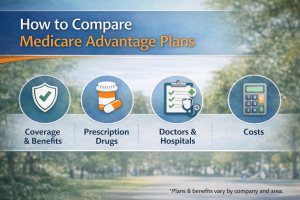
Integrating vision coverage with dental plans offers a holistic approach to managing health care needs, simplifying how insurance is utilized for maximum benefits. Health insurance often encompasses a range of services, with both dental and vision insurance playing significant roles in the complete care package. By combining these, individuals can streamline coverage and potentially save both time and money.
When considering how to integrate vision benefits with dental plans, it is helpful to first identify whether your existing health insurance offers packages that include both insurance types. Many providers now offer comprehensive health insurance plans that bundle dental and vision coverage, allowing beneficiaries to access a comprehensive network of services. This not only simplifies the process of finding care providers but also ensures that you are covered under a unified insurance framework. The coordination between vision insurance and dental coverage allows for more organized resource allocation to ensure you’re receiving the best possible care.
Another factor to consider when integrating these plans is the network of providers. Both dental and vision services often come with a list of in-network providers which might offer discounts and greater coverage advantages. With these integrated insurance plans, having a network that covers a wide range of dental and vision specialists is crucial. Always verify whether a plan offers access to your preferred dentists and optometrists. Doing so enhances continuity and maximizes your insurance benefits, all under a streamlined, comprehensive service list.
Beyond general insurance benefits, integrated vision and dental plans can provide additional perks such as discounts on routine eye exams and dental check-ups, services that often fall under preventive care. Such packages are often affordable and reach broad spectrum needs, ideally suited for those seeking a single, simplified insurance program.
Vision benefits, when linked with health insurance, might include discounts on eyewear or contact lenses, adding additional layers of savings to your healthcare expenses.
Lastly, it’s important to explore the different options available in the insurance marketplace. Comprehensive dental and vision plans may vary significantly, with some offering more extensive coverage while others offer essential services. Using online resources like a dental portal or vision portal can help identify the best options based on location, coverages, and price points.
By entering basic details such as your ZIP code, you can compare plans in your region, such as North Carolina, and make informed decisions.
Understanding the seamless integration of dental and vision coverage within health insurance helps in crafting an insurance strategy that is both comprehensive and cost-effective. Dentalinsuranceforsenior.org serves as a valuable resource, offering unbiased education and guidance. Remember, the goal is not just to find a plan that fits today’s needs but also one that supports future health and financial considerations. Feel free to explore our resources to find a balance that fits your healthcare objectives efficiently.
When considering how to integrate vision benefits with dental plans, it is helpful to first identify whether your existing health insurance offers packages that include both insurance types. Many providers now offer comprehensive health insurance plans that bundle dental and vision coverage, allowing beneficiaries to access a comprehensive network of services. This not only simplifies the process of finding care providers but also ensures that you are covered under a unified insurance framework.
The coordination between vision insurance and dental coverage allows for more organized resource allocation to ensure you’re receiving the best possible care.
Another factor to consider when integrating these plans is the network of providers. Both dental and vision services often come with a list of in-network providers which might offer discounts and greater coverage advantages. With these integrated insurance plans, having a network that covers a wide range of dental and vision specialists is crucial.
Always verify whether a plan offers access to your preferred dentists and optometrists. Doing so enhances continuity and maximizes your insurance benefits, all under a streamlined, comprehensive service list.
Beyond general insurance benefits, integrated vision and dental plans can provide additional perks such as discounts on routine eye exams and dental check-ups, services that often fall under preventive care. Such packages are often affordable and reach broad spectrum needs, ideally suited for those seeking a single, simplified insurance program. Vision benefits, when linked with health insurance, might include discounts on eyewear or contact lenses, adding additional layers of savings to your healthcare expenses.
Lastly, it’s important to explore the different options available in the insurance marketplace. Comprehensive dental and vision plans may vary significantly, with some offering more extensive coverage while others offer essential services. Using online resources like a dental portal or vision portal can help identify the best options based on location, coverages, and price points.
Finding the right vision and dental insurance can make a big difference in managing your health care expenses. Understanding the coverage each plan offers helps you make informed choices that fit your needs. Whether it’s preventive dental care or vision examinations, each plan has unique benefits and limitations. By exploring different options, you can find a plan that matches your budget and healthcare priorities.
Feel free to enter your ZIP code on our website to see available plans in your area. Coverage and pricing may vary, so local browsing is essential for accurate comparison.