Dental and Vision Insurance North Carolina

Understanding dental and vision insurance options in North Carolina can be important for meeting your health needs. Different plans offer varied benefits, costs, and limitations. It’s helpful to learn what’s covered, like preventive services and eyewear, as well as what may not be included.

Factors such as location and provider can influence plan choices. This guide will help you navigate available options, ensuring you’re well-informed about coverage for both dental care and vision needs. Let’s explore how you can confidently choose a plan that aligns with your specific requirements.

Key Highlights

  • North Carolina offers varied dental and vision insurance with different benefits, costs, and limitations.
  • Understanding coverage basics, like preventive care, helps residents choose the right dental plan.
  • Dental costs vary by location; urban areas often have higher premiums due to local factors.
  • Combining dental and vision care offers comprehensive health benefits with possible cost savings.
  • Use online tools to compare insurance options by ZIP code, considering local and personal needs.

Compare Dental Plans

Understanding Dental Insurance Options in North Carolina

Understanding Dental Insurance Options in North Carolina

When exploring dental insurance options in North Carolina, it’s essential to understand the fundamentals to make informed decisions. Residents of North Carolina have access to a variety of dental plans, including those from well-known providers like Dental Blue and Cigna Dental. Each dental insurance plan offers distinct coverage choices, whether you’re looking through employers, individual coverage, or Medicare Advantage supplements.

Costs and coverage can vary based on location and other factors, so it’s key to compare options. In the following sections, we’ll delve into the basics of coverage and how costs in North Carolina can differ by region.

Coverage Basics and What It Includes

Understanding what your dental plan covers is vital. North Carolina’s dental insurance typically includes a range of services, from preventive to more extensive treatments. Preventive care, such as cleanings and exams, is often fully covered under most dental plans.

This is essential for maintaining oral health and detecting potential issues early. Basic services like fillings and root canals usually require a portion of the costs to be covered by the insured. For more significant procedures such as crowns, bridges, or dentures, you might find varying coverage levels, depending largely on the specific insurance company and plan you choose.

It’s common for North Carolina plans, like those from Dental Blue and Cigna Dental, to require you to use a dentist within a designated network for maximum benefit. Network dentists have agreed to provide their services at lower rates, which can significantly affect your out-of-pocket expenses. Also, think about whether you’re looking at an individual plan, family plan, or part of a Medicare Advantage program.

Each option provides different features and may include additional coverage like orthodontics or cosmetic procedures, although these tend to have limitations.

The flexibility of your plan may also vary. Some plans allow you to visit out-of-network providers, typically at a higher personal cost. As a member, being clear about these expectations could lead to fewer unexpected bills later on.

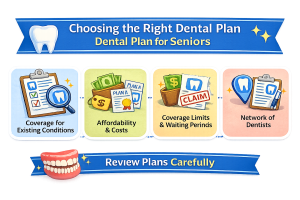
It’s beneficial to have a clear understanding of the annual benefit limits and deductible requirements that come with your plan, as these can influence the affordability of the dental services you need. Coverage in North Carolina can be quite comprehensive, yet it’s important to read the fine print regarding waiting periods, which might apply before full benefits kick in.

Costs and How They Vary by Location

Costs for dental insurance in North Carolina can vary notably depending on where you reside. Urban areas like Charlotte and Raleigh might have higher premiums compared to rural areas, reflecting differences in local healthcare costs and availability of network providers.

The same plan from an insurance company can have different costs in Asheville than it would in Wilmington. It’s crucial to research how local economic factors and provider availability affect your specific premium and deductible rates.

When shopping for dental plans, consider that insurers might adjust pricing based on the density of network dentists in your area. If providers have to travel far or dentist offices are sparse, insurers might impose higher premiums to offset these logistical expenses. Costs also fluctuate according to the type of plan you select.

A PPO plan might cost more due to its flexibility, whereas HMOs might offer lower premiums but with stricter network restrictions. Examining these price differences allows you to find a plan that fits your budget and meets your dental care needs.

For members of group plans, such as those offered by employers or associations, premiums might be subsidized as part of employee benefits. Keep in mind that Medicare Advantage members have access to specific plans that can combine separate dental and other benefits, but again, costs will likely vary depending on regional factors. To get a clear picture of what you’ll pay, it’s helpful to review premium statements alongside any potential discounts for preventive care services.

One practical way to explore costs and coverage in your area is through the insurer’s website or by using tools offered by resources like Dentalinsuranceforsenior.org, where you can enter your ZIP code to compare options. This approach can help you understand how your current location, paired with your specific needs, influences the plan offerings and costs you encounter. In doing so, you ensure that the financial commitments you make align with receiving the oral care required.


Plan TypeCoverage OptionsPremium RangeNetwork FlexibilityAdditional Benefits
Basic PlanPrimarily covers preventive services such as exams, cleanings, and routine X-rays$15–$30 per monthLimited provider network with lower-cost participating dentistsMay include discounts on vision services and eyewear
Standard PlanIncludes preventive care plus basic restorative services such as fillings and simple extractions$30–$50 per monthModerate network offering a balance of access and affordabilityMay provide discounts on orthodontic treatments and specialty services
Premium PlanComprehensive coverage including preventive, basic, and major restorative procedures$50–$80 per monthExtensive provider network with greater flexibility in dentist selectionMay include two covered cleanings per year and enhanced preventive benefits
Family PlanCovers preventive care and major restorative services for multiple family members$60–$100 per monthFamily-focused network designed to accommodate adult and pediatric dental needsMay include benefits for children’s orthodontic care and family wellness programs

This table highlights how dental insurance plans in North Carolina differ in coverage and costs, shaped by regional factors and provider networks.

The Role of Dental Vision in Your Health Plan

Incorporating dental vision coverage into your health plan can significantly impact your overall well-being. This integration provides comprehensive protection, addressing both oral and eye health needs. For individuals in North Carolina, understanding how to effectively combine these aspects ensures more robust healthcare benefits.

From exploring what vision coverage entails to understanding how dental plans can be paired with eye care, grasping these connections allows members to maximize their coverage. Let’s delve into what you can expect from vision coverage and how combining eye care with dental plans can be a practical choice.

What to Expect from Vision Coverage

Vision coverage is an essential component of your overall healthcare plan, offering a range of benefits to help maintain your eye health. Typically, vision plans cover various eye care services, such as comprehensive eye exams, prescription lenses, and, in some cases, corrective surgery. Ensuring you understand your coverage options is crucial because it helps you anticipate costs and plan your care around the available benefits.

Most vision coverage options in North Carolina include a network of optometrists and ophthalmologists. By staying within these networks, insured members typically receive services at reduced rates. This network utilization benefits both members and providers, helping to keep out-of-pocket expenses low.

For those who are part of a group plan, such as one provided by an employer or a retired community association, vision benefits may be included or offered at a discounted rate. It’s worth taking the time to add this coverage, as maintaining eye health often requires regular check-ups, much like dental care. Preventive services such as routine eye exams can detect problems before they become serious, thereby potentially reducing the need for more extensive treatment later.

Most vision plans also allow you to purchase glasses or contact lenses at a discount, which can be a significant saver for those needing corrective lenses annually.

Be mindful of potential waiting periods, which are sometimes part of vision coverage policies. During this time, you may not be eligible for full benefits, so planning your eye care around such limitations is advisable. Additionally, vision plans often have caps on coverage limits, meaning once you’ve used a certain amount of benefits, further costs might not be covered.

Understanding these aspects will make navigating your vision coverage more intuitive, ensuring you receive the necessary care without unexpected expenses.

Combining Eye Care with Dental Plans

Combining eye care with dental plans is becoming increasingly popular as individuals look for comprehensive healthcare solutions. This approach allows you to manage both dental and vision health efficiently, leading to better disease prevention and management.

In North Carolina, the integration of these services is often facilitated through larger insurance networks that offer both dental and vision packages. Such combinations often come with added benefits, as insurers may provide better rates when these plans are bundled.

For members who prioritize both eye and dental health, a combined plan can offer a streamlined and cost-effective solution. This is particularly advantageous when considering the availability of network providers for both types of care. Access to a broader network enhances your options for receiving care without venturing out-of-network, which can incur higher costs.

Moreover, administrative management of claims and billing can become easier, as you deal with a single point of contact for questions and concerns, enhancing your overall experience.

Some group plans, particularly those offered through employment benefits, automatically integrate vision with dental care, considering comprehensive health packages are in high demand. This setup not only simplifies your healthcare logistics but may also make the coverage more affordable, as group rates are often lower than individual ones. It’s important to shop for plans that offer flexibility, allowing you to visit your preferred providers while maximizing your benefits.

With the evolving landscape of healthcare, prioritizing a mixture of dental and vision coverage is a strategic move to ensure long-term health and peace of mind.

Understanding the nuanced benefits of combining eye and dental care services is key to optimizing your health plan. By doing so, you ensure comprehensive coverage while potentially reducing your overall healthcare expenses. As you navigate your options, remember to review network details and confirm your preferred providers are covered within the plan.

This will safeguard you against unexpected costs and ensure that both your dental and vision health receive the attention and care they deserve.

Find & Compare Plans Online

Speak with a licensed insurance agent

1-855-425-2095TTY 711

Mon-Fri: 8am-9pm ET

Comparing Different Dental Plans Available

Exploring dental plans in North Carolina reveals a wide range of coverage options tailored to meet diverse needs. From plans designed for individuals to those available through group benefits, each offers unique provisions and costs. Understanding how these plans vary across providers can empower you to make an informed decision.

By examining the nuances of each offering, you’ll discover what best aligns with your healthcare needs and financial situation. Regional differences can significantly influence plan availability and costs, making it essential to consider local factors in your decision-making process.

Learn How Plans Can Vary Across Providers

Diving into the world of North Carolina dental plans, you’ll find that options can vary significantly from one provider to another. This variation makes it essential to delve into the specifics of each company’s offerings to make a sound decision for your dental health. Companies offer different types of plans, such as PPOs (Preferred Provider Organizations) and HMOs (Health Maintenance Organizations), and understanding their differences helps you choose wisely.

PPO plans often provide greater flexibility, allowing you to see out-of-network dentists, although at a higher out-of-pocket cost. On the other hand, HMOs generally have lower premiums but require you to stick within a designated network of dentists. This network limitation can be a critical factor for those who prefer keeping their current dentist.

Another aspect to consider is how dental plans cater to various needs and group sizes. For instance, individual plans might focus more on basic preventive care, while group plans or those offered through employers can offer broader coverage, possibly including orthodontics or cosmetic procedures, although often with certain limitations. Understanding these differences will aid you in selecting a plan that not only fits your budget but also meets your specific dental needs.

A key point is that dental plans in North Carolina often come with waiting periods, particularly for more extensive services such as crowns, bridges, or dentures. This waiting period means you might have to be a plan member for a certain length of time before those services are fully covered, impacting how soon you can undergo significant treatments. Learning the details about these waiting periods and what each plan offers allows you to manage expectations and avoid surprises in coverage.

Also, many North Carolina providers offer benefits specific to seniors. As Medicare Supplement (Medigap) plans do not cover routine dental care, seniors often need standalone dental insurance. Plans specifically designed for seniors might offer enhanced coverage for services seniors are more likely to need, such as dentures or periodontal care.

Knowing this makes comparing plans crucial, especially since individual needs can vary significantly based on age or dental history. Group plans can sometimes offer added perks or reduced premiums, making them an appealing option for those part of an organization or community program.

The best approach to comparing dental insurance is to gather information about what each plan provides, make cost comparisons, and understand how each caters to your personal or family needs. With numerous providers operating in North Carolina, including well-known names like Dental Blue and Cigna Dental, it’s advisable to carefully review plan documents and consult with representatives if you have questions. Ultimately, understanding how plans vary across providers allows for a more tailored and informed choice.

Key Considerations for Comparing Dental Plans in North Carolina:

  • Investigate the flexibility of PPO vs. cost-saving aspects of HMO plans.
  • Examine coverage specifics for preventive, orthodontic, or cosmetic procedures.
  • Understand waiting periods for services like crowns or dentures.
  • Consider options tailored for seniors, focusing on enhanced coverage benefits.
  • Compare group plans for potential perks or cost savings.
  • Review plan documents and consult provider representatives for clarification.
  • Analyze the impact of designated dental networks on provider choice.

These points will help refine your search and ensure the dental plan fits your unique needs effectively.

Comparing Different Dental Plans Available

Tips for Selecting Dental Insurance for Families

Choosing the right dental insurance for families in North Carolina may seem daunting, but with some strategic considerations, it can be simplified. Start by assessing the specific dental needs of your family members. Consider any ongoing treatments, potential braces for children, or even future needs like implants or dentures.

Family dental insurance plans may vary widely in coverage of these services, so it’s crucial to understand what each offers in terms of benefits and limitations.

One of the essential tips when selecting dental insurance is to evaluate the network coverage available with a plan. Most plans will offer a network of dentists to choose from, and staying within this network can greatly reduce your out-of-pocket costs. For North Carolina families, ensure that your preferred dentist is included in the plan’s network, or be prepared for higher expenses if using an out-of-network provider.

Waiting periods are another key consideration for North Carolina families. Many family dental plans come with waiting periods before certain services are covered, which can affect immediate access to needed treatments. Look for plans with minimal wait times, especially if you anticipate needing extensive dental work soon. This can save on costs and avoid delays in receiving necessary care at a family level.

Remember, it’s not just about what’s covered; costs vary with plan types like PPOs or HMOs. While PPOs offer flexibility in choosing any dentist, they usually come at higher premiums. In contrast, HMOs might limit your choices but offer more affordable rates. Balance these factors with your budget to find a plan that works well for your family.

Lastly, make sure to consider any additional benefits offered. Dental plans might include perks like discounts on optical services or preventive care benefits, which can be valuable for maintaining overall family health. Staying informed about these can enhance the value of your chosen plan.

By thoughtfully evaluating all these aspects, families in North Carolina can confidently select a dental insurance plan that provides comprehensive coverage and peace of mind.

Don’t forget to use resources like Dentalinsuranceforsenior.org to compare different insurance options. You can enter your ZIP code to see what’s available in your area. This tool can provide clarity on how local economic variations and network availability might influence your choice, ensuring that the plan you select aligns with your family’s healthcare needs and budget.

Understanding dental and vision insurance options in North Carolina can help you make informed decisions about your health coverage. With various plans available, it’s important to compare benefits, coverage limits, and potential out-of-pocket costs. Consider preventive services, waiting periods, or whether you need coverage for treatments like dentures or glasses.

By carefully reviewing different offerings, you can find a plan that meets your needs without surprises. Enter your ZIP code to explore insurance options in your area, and remember that coverage details can vary between providers and locations.

Compare Dental Plans

Frequently Asked Questions

What types of dental insurance plans are available in North Carolina?

In North Carolina, you can find various dental insurance plans, including PPOs (Preferred Provider Organizations) and HMOs (Health Maintenance Organizations). PPOs offer flexibility to visit out-of-network dentists, typically at a higher out-of-pocket cost, while HMOs usually have lower premiums but require you to use a designated network of dentists.

How do location and provider network affect dental insurance costs in North Carolina?

Dental insurance costs can vary based on your location in North Carolina. Urban areas like Charlotte and Raleigh may have higher premiums due to higher local healthcare costs. Using network dentists typically reduces costs, as these providers have agreed to offer services at lower rates.

What should I consider when selecting a family dental insurance plan?

When choosing a family dental insurance plan, assess your family’s specific dental needs, like ongoing treatments or potential orthodontic care. Check the plan’s network to ensure your dentist is included, and be mindful of waiting periods for certain treatments.

What is typically covered under North Carolina dental insurance plans?

North Carolina dental insurance generally covers preventive services like cleanings and exams. Basic services such as fillings, and root canals may be partially covered. Coverage for major procedures like crowns and dentures varies by plan.

How can I use online tools to compare dental insurance options?

Online tools like those offered by Dentalinsuranceforsenior.org can help you compare plans by entering your ZIP code to see available options. These tools consider local and personal needs, showing how regional differences affect plan offerings and costs.

Have Questions?

Speak with a licensed insurance agent

1-855-425-2095

TTY users 711

Mon-Fri: 8am-9pm ET

Find & Compare Plans Online

Speak with a licensed insurance agent

1-855-425-2095TTY 711

Mon-Fri: 8am-9pm ET

ZRN Health & Financial Services, LLC, a Texas limited liability company