Understanding dental insurance for seniors can feel daunting, especially for seniors looking for reliable coverage in Massachusetts. Whether you’re in need of preventive care, fillings, or dentures, knowing your options is essential to maintaining a healthy smile. Dental insurance plans vary widely, covering different services with various premium and deductible structures. This guide aims to simplify the details, helping Massachusetts seniors navigate their plan choices with confidence. Explore essential information on dental benefits, costs, waiting periods, and how to compare plans based on your needs and location, ensuring your dental health needs are met without confusion.


Dental Insurance for Seniors
find affordable dental insurance





Dental Insurance for Seniors in Massachusetts
Key Highlights
- Massachusetts offers diverse dental insurance plans for seniors.
- Dental plans vary in services covered and costs involved.
- Medicare offers limited dental benefits, necessitating alternative plans.
- Understanding specific dental costs helps budget for necessary care.
- Choosing a plan involves evaluating personal needs and location.
Compare Dental Plans
Understanding Dental Coverage for Seniors in Massachusetts
Navigating dental coverage options in Massachusetts can be challenging, especially for seniors who require specific information to make the best decisions. Massachusetts offers a range of dental insurance plans that help cover different services. Understanding what these plans typically include and exclude helps seniors make informed choices. By knowing the costs and benefits of each plan, seniors can find coverage that matches their needs and budget. With this guidance, they can approach potential dental insurance options with confidence, ensuring they pick a plan that covers dental care needs effectively and transparently.

What Dental Insurance Can and Cannot Cover
Dental insurance typically covers a variety of essential services, but it’s crucial to understand what it may or may not include. For seniors in Massachusetts, most dental coverage plans focus on preventive services like cleanings and exams, but might have limitations on other types of dental care. While insurance often covers restorative procedures such as fillings and crowns, coverage for more extensive treatments like dentures or dental implants can vary.
Knowing what your coverage includes helps avoid unexpected costs. The cost of dental coverage and understanding the exclusions ensures seniors get the most appropriate care. It’s best to gather information from each company to compare and choose accordingly. With proper information, you can navigate the complexities of dental insurance with ease.
Affordable Dental Coverage Designed for Senior Budgets
Finding affordable dental and vision insurance tailored for seniors in Massachusetts requires understanding what makes plans budget-friendly. The right dental plans address both preventive care and more extensive needs without straining finances. Many seniors benefit from retiree dental plans that prioritize affordability while ensuring access to necessary treatments.
This section explores how these specialized plans assist in managing common dental care requirements for seniors. From maintaining regular check-ups to planning for dental emergencies, the focus is on providing comprehensive yet economical solutions. With clear insights, seniors can make informed decisions that align with their vision and dental health needs and budget constraints.
How Retiree Dental Plans Help Meet Most Needs
Retiree dental plans are a key option for seniors in Massachusetts looking to secure affordable, comprehensive coverage. These plans, often offered by reputable companies like Delta Dental, are specifically designed to cater to the unique needs of retirees. They incorporate coverage for essential services like exams, cleanings, and sometimes more advanced procedures.
The Government Insurance Commission (GIC) offers retiree dental plans that cater to different income levels. This variety allows seniors to find dental plans that fit their personal budgets. Importantly, these plans also incorporate preventative care, helping to minimize long-term expenses by addressing issues early. By focusing on cost-effective strategies, such as spreading out payments or choosing plans with minimal waiting periods, seniors can maintain coverage without financial strain. Understanding these details helps seniors navigate the options efficiently and select a plan that truly meets their dental health and budget needs.
Comparing Dental Plans: What to Look For
When considering dental plans in Massachusetts, it’s important to understand the various options available. From comprehensive packages to basic coverage, each plan offers something different. Evaluating these choices involves looking at costs, benefits, and the network of dentists associated with each plan. By carefully comparing these aspects, seniors can find the dental coverage that best fits their needs. Understanding the specific features of each plan ensures you minimize unexpected expenses and get substantial value. With the right approach, finding a suitable plan becomes much easier, allowing seniors to maintain their dental health confidently.
Understanding Dental Plan Options and Costs
Navigating the myriad of dental plans available in Massachusetts can seem overwhelming. However, understanding the types of plans and their costs helps make informed decisions. Typically, dental plans are divided into categories like PPOs, HMOs, and indemnity plans. PPO plans offer flexibility with dentist choice but might come at a higher cost.
Conversely, HMOs might offer lower premiums but with a more restricted network of dentists. Indemnity plans often allow unrestricted dentist choice but involve more out-of-pocket costs initially. Comparing the plan features, such as annual maximums and deductibles, provides insight into potential expenses. Additionally, considering the company’s reputation and customer service can influence satisfaction with the plan.
It’s crucial to gather detailed information and perform a side-by-side comparison of dental plans to find one that meets your budget and dental care needs effectively. This methodical approach to comparing plans empowers seniors and their caregivers to make confident decisions about their dental health coverage.
Following this exploration of dental plan options and costs, consider these practical tips for evaluating and choosing a suitable plan in Massachusetts:
- Investigate network providers to ensure your preferred dentists are included.
- Analyze the coverage details for routine, preventative, and major dental procedures.
- Compare the copayments and coinsurance rates across different plans.
- Look into the plan’s history of rate increases over time.
- Check the waiting periods for various treatments.
- Assess any coverage for specialized services like orthodontics or dentures.
- Understand emergency dental service policies, especially when traveling.
- Evaluate the customer support services and assistance availability.
Understanding these elements will help you select a dental plan that suits your unique needs while staying within budget.
The Role of Medicare in Dental Coverage for Seniors
Medicare plays a pivotal role in healthcare for seniors, yet its contribution to dental coverage is quite limited. Many seniors in Massachusetts recognize the importance of understanding how Medicare interacts with dental insurance, as this knowledge can strongly influence their coverage choices. While traditional Medicare doesn’t typically cover routine dental care, Medicare Advantage plans might offer some dental benefits. This insight is crucial for seniors aiming to balance their dental health needs with financial constraints.
By delving into both the limitations and possibilities inherent in Medicare’s structure, seniors can make informed decisions that effectively complement their broader healthcare needs.
Find & Compare Plans Online
Limitations and Benefits of Medicare in Dental Insurance
Medicare, a federal health insurance program primarily for those aged 65 and over, often does not provide substantial dental coverage, which can be a surprise for many seniors. Its limitations are clear, as traditional Medicare (Part A and Part B) doesn’t cover standard dental services like cleanings, fillings, or extractions. Consequently, seniors must look into other dental insurance options to meet their full dental care needs.
This is where understanding Medicare Advantage plans becomes crucial. These plans, offered by private insurers, might include dental benefits as part of their overall package. However, these benefits can vary significantly, so it’s essential for seniors in Massachusetts to look closely at the specifics of each plan. They should consider factors such as coverage scope, out-of-pocket costs, and whether their preferred dentists are within the network.
This careful evaluation helps seniors navigate their dental insurance choices confidently and ensures that they secure the benefits that best align with their healthcare needs and financial situations. Staying informed about these choices is pivotal in avoiding unexpected dental costs and maintaining good oral health.
Massachusetts-Specific Dental Insurance Options
Massachusetts offers unique dental insurance options specifically designed to cater to the needs of its residents. Whether you’re considering programs from the state or private insurance, understanding how these plans operate is crucial for making informed decisions. The array of dental plans spans options offered through Mass Gov to those available via private companies like Altus Dental. By delving into these choices, seniors can better assess how each aligns with their dental care needs and budget. This knowledge empowers them to select a plan that provides the necessary oral care coverage without unnecessary financial strain.
Understanding Dental Plans Offered by Mass Gov and Others
Massachusetts provides several avenues for accessing dental insurance, including opportunities through Mass Gov and the Health Connector. These platforms offer dental plans tailored to a variety of needs, crucial for those looking to understand their options. Mass Gov’s initiatives often feature affordable and accessible dental plans, which can be particularly beneficial for individuals who may not have employer-sponsored coverage. Seniors should explore these options to determine if a plan meets their unique needs.
Additionally, providers like Altus Dental offer Massachusetts individual dental plans that can supplement coverage, filling gaps where state provisions might fall short. By exploring both state-sponsored and private options, seniors can take advantage of a broader spectrum of plans to ensure comprehensive oral care coverage. Informing yourself with detailed plan information and comparing the differences can help in choosing the most appropriate insurance that aligns with both your dental health needs and personal financial situation.
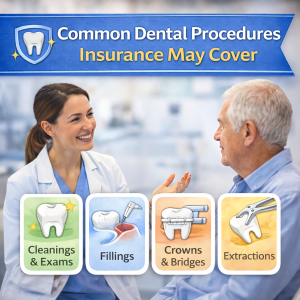
Common Dental Procedures and Their Costs
Understanding the costs of common dental procedures helps seniors plan their dental care effectively. In Massachusetts, costs can vary significantly depending on the type of procedure and the dentist. For instance, the cost of a filling is generally less than that of a crown, reflecting the complexity and materials used. Evaluating these costs in advance allows individuals to make informed choices, ensuring their budget can accommodate necessary treatments. Knowing what to expect financially can also guide discussions with dentists about available options, leading to more strategic health care decisions.
From Fillings to Crowns: What Costs to Expect
Dental procedures such as fillings and crowns are among the most common needs for seniors. Fillings, used to repair damage from cavities or decay, typically range in cost depending on the material, amalgam being more affordable but less aesthetically appealing than composite or porcelain. Crowns, which cover a tooth to restore its shape and strength, can be more costly due to the complexity of the procedure and the materials required.
Insurance often covers some of these costs, but understanding the specifics of your plan is crucial. Discussing options with your dentist can provide clarity on both the procedure and the potential out-of-pocket expense involved. Being aware of these costs upfront can help you avoid surprises and manage your oral health within your budget. Consider asking about any available payment plans or financial assistance programs that might alleviate financial strain.
Finding the Right Dental Insurance for the Year Ahead
Choosing dental insurance in Massachusetts can feel overwhelming, especially for seniors who need special consideration. As you plan for the year ahead, it’s vital to understand the array of options available that align with your location and personal dental needs. Evaluating plans that cater to preventive care alongside more comprehensive coverage is crucial.
Seniors should focus on understanding benefits, coverage levels, and the unique features each plan offers. This strategy ensures you’re not only getting the right coverage but doing so at a cost that fits within your budget, providing peace of mind and effective healthcare planning for the coming year.
| Coverage Options | Benefits & Features | Cost Considerations | Provider Network |
|---|---|---|---|
| Preventive Care | Annual Maximums | Premiums | Local Coverage |
| Basic Procedures | Co-Pay Structure | Deductibles | Specialist Access |
| Major Services | Additional Extras | Out-of-Pocket Limits | Preferred Services |
This table highlights the essential considerations when selecting a suitable dental insurance plan in Massachusetts for the coming year.
How to Choose Plans That Fit Your Needs and Location
Choosing a dental insurance plan that suits both your needs and location depends on careful evaluation and understanding of what’s available in Massachusetts. Start by listing your dental priorities, such as regular cleanings, crowns, or dentures. Look for plans that specifically address these needs within your location. Massachusetts offers diverse individual and state-supported options, ensuring seniors can find affordable dental plans that cater to specific requirements.
While examining plans, consider the network of dentists in your area, as accessing a preferred provider can significantly impact your satisfaction with the dental care you receive. In addition, plans often differ in terms of coverage for basic versus major procedures, impacting how effective overall the insurance will be for you.
Comparing these features, along with examining deductible amounts and any waiting periods, can help you plan your dental insurance needs effectively for the year. Make sure to review feedback from other seniors to guide your decision. This all-encompassing approach secures a plan that aligns with both your dental health necessities and financial situation in Massachusetts.
Thank you for exploring dental insurance options for seniors in Massachusetts. Understanding the different plans can help you make informed decisions that suit your needs. Keep in mind that coverage and costs may vary across different locations and providers. By entering your ZIP code on our website, you can explore and compare the available plans.
This step can guide you to options that fit within your budget while providing the dental benefits you need. We’re here to support you in finding a plan that makes dental care more accessible and affordable in your area.
Compare Dental Plans
Frequently Asked Questions
What dental insurance options are available for seniors in Massachusetts?
Massachusetts offers a range of dental insurance plans catering to seniors, from basic to comprehensive coverage. Options include state-sponsored plans, like those through Mass Gov, as well as private plans from companies like Altus Dental.
How does Medicare affect dental coverage for seniors?
Traditional Medicare (Part A and Part B) typically does not cover routine dental care. However, some Medicare Advantage plans might offer dental benefits. It’s important for seniors to explore these plans to supplement their dental coverage.
What are retiree dental plans and how can they benefit seniors?
Retiree dental plans are designed to offer affordable, comprehensive coverage for seniors. These plans often focus on preventive services and may include coverage for advanced procedures, helping manage dental care costs effectively.
How can understanding dental procedure costs help in budgeting for dental care?
Knowing the costs of common dental procedures, such as fillings and crowns, helps seniors plan and budget for dental care. This understanding can guide discussions with providers to explore cost-effective treatment options.
What should seniors consider when comparing dental insurance plans?
Seniors should compare costs, coverage levels, and the network of dentists when evaluating dental plans. Understanding benefits and any waiting periods can ensure they select a plan that fits their health needs and financial situation.
Find & Compare Plans Online
ZRN Health & Financial Services, LLC, a Texas limited liability company

Russell Noga is a Dental Insurance Educator who writes informational content focused on helping consumers understand dental insurance coverage, benefits, and common plan features. His work emphasizes clear explanations of preventive care, basic and major services, waiting periods, provider networks, and plan limitations. Content is reviewed periodically to ensure clarity and accuracy and is based on publicly available sources. Information may change over time as plan details, availability, and coverage options are updated.