Understanding the enrollment process for dental insurance for seniors and how waiting periods work is important for anyone seeking coverage. Dental plans often have set times during the year for enrollment and specific waiting periods before certain benefits become active. This means you might not have immediate access to some services after getting a plan. By learning about these timelines and how they vary, you can plan better for your dental health needs. Explore how waiting periods function and what factors to consider when thinking about dental insurance timing.


Dental Insurance for Seniors
find affordable dental insurance





Can I Get Dental Insurance Anytime of the Year?
Key Highlights
- Dental insurance can be enrolled at specific times of the year and often includes waiting periods before some benefits start.
- Understanding dental insurance is crucial for balancing costs and benefits, particularly for seniors on a budget.
- Waiting periods safeguard insurance providers and vary in length, impacting when certain services become covered.
- Different insurance plans like HMOs and PPOs have varied waiting periods and coverage flexibilities.
- Choosing a plan involves considering factors like coverage type, costs, waiting periods, and provider network quality.
Compare plans and enroll online
Understanding Dental Insurance Basics
Dental insurance is a key factor in maintaining oral health, especially for seniors managing healthcare on a budget. In this section, we will dive into the fundamentals of dental insurance and explore why it’s so essential. Understanding what dental insurance entails, and recognizing its importance, helps you select a plan that caters to your needs. This knowledge empowers you to navigate coverage options, costs, and benefits more confidently, ensuring you can make informed decisions regarding your dental care.
| Aspect of Dental Insurance | Description | Benefits for Seniors |
|---|---|---|
| Coverage Options | Variety of plans covering preventive, basic, and major dental services. | Ensures seniors can choose plans that suit their specific dental needs and budget. |
| Network Dentists | Access to a network of dental professionals and clinics. | Provides seniors with options to select trusted and convenient providers. |
| Cost Management | Plan structures offer predictable costs through premiums and co-pays. | Helps seniors manage expenses and reduces unexpected out-of-pocket costs. |
| Preventive Care | Coverage often includes routine check-ups, cleanings, and examinations. | Promotes regular dental visits, preventing serious dental issues and maintaining oral health. |
| Oral Health Impact | Comprehensive plans address a variety of dental health concerns. | Supports overall well-being by ensuring access to treatments and maintaining quality of life. |
This table offers a concise overview of how understanding dental insurance can significantly benefit seniors by providing crucial access to necessary dental care and financial predictability.
Find & Compare Plans Online
What is Dental Insurance?
Dental insurance is a type of health coverage designed to reduce the cost burden of dental care. It works similarly to other types of insurance, offering various plans that cover a percentage of specific dental services. Typically, these services include preventive care, such as cleanings and exams, as well as treatments like fillings, crowns, and even dentures, and they’re offered by private insurance companies like Delta. Most dental insurance plans have a structure where you pay a monthly premium, and a portion of your dental care costs gets covered up to a defined limit. It’s important to note that insurance coverage varies depending on the plan and provider, hence understanding your specific policy is crucial.
Plans usually include basic, preventive, and major service categories. Preventive care often covers services like cleanings and X-rays with minimal out-of-pocket costs. Basic services might include simple procedures such as fillings, while major services could include more complex dental work like bridges or implants. Different plan types may also have varying levels of coverage for these categories. Being insured means you pay only part of the total cost for each dental visit, reducing the financial strain on your healthcare budget. Many seniors find dental insurance beneficial as it often helps manage expected and unexpected dental needs without a heavy financial burden.
Moreover, being insured with dental coverage provides access to a network of dental professionals, ensuring that you receive quality care. Finding a plan with a reputable network can be a game-changer, especially if specific dentists or specialists are preferred. Insurance can also provide peace of mind, knowing you are covered for emergencies and preventive care which contributes to avoiding more severe health issues. Understanding dental insurance can be the first step towards maintaining excellent oral health in a cost-effective manner.
Why Dental Coverage Matters for Seniors
For seniors, dental coverage is more than just a safety net, it’s a crucial aspect of maintaining their overall health. As people age, dental health often requires more attention due to age-related issues such as gum disease, tooth decay, and tooth loss. Having dental insurance ensures access to necessary dental care without facing prohibitive costs. This access is vital for preventive care, which can identify early signs of problems and save money and discomfort in the long run. Regular dental visits and cleanings help in catching issues before they become serious.
Dental insurance aids seniors by alleviating the financial impact of dental procedures. Major treatments or unexpected dental conditions can be expensive, and without coverage, these costs can quickly add up. Moreover, maintaining oral health can directly affect other health conditions, including heart disease and diabetes, which are common among older adults. Proper dental care facilitated by insurance can thus enhance seniors’ overall health and well-being. Additionally, having coverage ensures more predictable health care costs. This predictability is especially advantageous for those living on a fixed income, allowing them to budget accurately and avoid large, unexpected expenses that could impact their financial stability.
Another factor making dental coverage essential for seniors is the access to a wide range of dentists and dental specialists. Insurance typically offers access to a network of qualified professionals. With insurance, seniors can choose dentists who specialize in senior care, ensuring they receive appropriate treatments tailored to their unique needs. Dental insurance also encourages seniors to maintain routine appointments and adhere to treatment plans that can prevent decay and disease. Ultimately, having dental coverage supports seniors in preserving their quality of life by maintaining a healthy smile and preventing chronic diseases associated with poor oral health.

Exploring Dental Insurance Waiting Periods
Understanding dental insurance waiting periods can seem daunting, but it’s crucial for selecting the right plan. Waiting periods are specific time frames set by insurance providers during which you must wait before certain dental services are covered. This ensures that people don’t enroll only to use insurance for immediate costly procedures. Knowing the length and type of these waiting periods not only helps in planning for dental care but also in making informed decisions about coverage, particularly as seniors evaluate their healthcare needs and budget constraints.
What Are Waiting Periods in Dental Insurance?
Waiting periods in dental insurance serve as a safeguard for insurance providers. They are the timeframe, typically starting on the activation date of a new policy, during which certain services are not covered. This means, during this period, the insurance company will not pay for certain procedures. This is especially pertinent for major dental work like crowns, bridges, or dentures, where waiting periods can range from a few months to a year. While preventive care services often have minimal or no waiting period, basic and major services are likely to experience longer delays. For instance, you might find that cleanings and check-ups are covered immediately, while treatments like root canals might require a waiting period of six months. This structure allows insurers to manage costs and discourage individuals from purchasing insurance only to immediately claim benefits for expensive procedures.
For seniors who are reliant on fixed incomes, understanding these waiting periods is especially important. Some plans offer reduced waiting periods if you previously had dental coverage and can prove continuous insurance without significant gaps. In this way, transitioning to a new plan might not feel like starting from scratch, allowing for better maintenance of oral health continuity. Each insurance company might design its waiting periods differently, and these can vary by plan type and provider location. Policies including community health advisories can also impact waiting periods, making it vital to read the fine print and discuss details with potential insurers. Knowing these details can prevent unexpected expenses and aid in planning both routine and major dental care effectively.
Waiting periods might seem like an inconvenience at first, but they serve a broader purpose. By understanding these guidelines, insured individuals, particularly seniors, can commit to policies that promote long-term oral health and align with their financial plans. As always, it’s beneficial to compare various plans, focusing on how waiting periods align with immediate and future dental care needs. Engaging with insurance providers to clarify these aspects before committing to any plan ensures informed decision-making. Seeking plans with transparent waiting period policies can help seniors better manage dental expenses and ensure continuous, worry-free dental care.
How Long Are Typical Waiting Periods?
The duration of waiting periods in dental insurance can significantly impact your access to affordable dental care. Typically, waiting periods can vary depending on the type of dental service. Understanding these variations helps you to plan better and manage your dental needs efficiently. For preventive care, most plans impose no waiting period, allowing you to immediately benefit from cleanings and routine examinations. This makes preventive care a cornerstone of dental wellbeing, promoting regular health check-ups without financial barriers.
On the other hand, basic services such as fillings or uncomplicated extractions may come with a waiting period of about three to six months depending on the plan and provider. During this time, the insurance might not cover these procedures, which can be a surprise if you’re not prepared. Major dental work such as crowns, bridges, or dentures usually involves longer waiting periods. You may expect to wait anywhere from six months to a year. This means it’s crucial to anticipate future dental work and plan coverage accordingly, rather than seeking insurance solely in response to emerging dental needs.
Major treatments, often associated with higher costs, tend to have these extended waiting periods as they represent a significant financial commitment for insurers. Many seniors must consider these timelines when assessing their dental insurance options, particularly if they’re aware of impending dental work that might require coverage. It’s worth noting some insurers provide options for reduced waiting periods under certain conditions, like proof of prior continuous coverage. For seniors, consistently maintaining a dental plan can lessen interruptions in coverage, potentially reducing waiting periods if they change insurers. By fully understanding the typical lengths of waiting periods and their implications, insured seniors can strategically align their insurance with their dental health requirements, ensuring more seamless access to necessary dental treatments as they plan financially. In doing so, they contribute to maintaining their oral health and overall wellness without unexpected financial strain.
Insurance Plans and Waiting Periods
Understanding insurance plans and their waiting periods is key to maximizing dental benefits. Different policies offer varying waiting times before coverage for certain services begins. These waiting periods can influence how quickly you can access covered dental services. By familiarizing yourself with these details, you can ensure that your dental care needs align with your insurance coverage. Not all plans have the same waiting periods, and the services covered can also differ, making it vital to evaluate and compare different options based on your dental health requirements and budget.
Different Types of Insurance Plans with Waiting Periods
Diving into the details of insurance plans, you’ll discover a variety with distinct waiting periods and coverage options. Common dental insurance plans include HMOs, PPOs, and discount plans, each offering unique benefits and limitations. An HMO, or Health Maintenance Organization, typically has lower premiums and fixed service prices but requires choosing from a network of dentists. On the other hand, a PPO, or Preferred Provider Organization, provides more flexibility, allowing you to visit out-of-network dentists but usually with higher out-of-pocket costs and potential waiting periods for complex services. Discount plans offer another alternative, reducing costs for participating dental services without actual insurance coverage, often with no waiting periods.
A crucial aspect for new policyholders is understanding that waiting periods differ significantly across plan types. For example, preventive services like cleanings and exams might be covered immediately in most plans. However, basic and major procedures such as fillings or crowns often come with waiting periods ranging from several months to a year, depending on the insurance company. This waiting period ensures the plan’s viability by preventing new members from signing up only to claim immediate expensive treatments. Understanding these nuances is essential for seniors looking for dental insurance to match their long-term health care needs, enabling coordinated care without unexpected costs.
Additionally, some insurance companies offer plans that reduce or waive waiting periods for individuals who’ve had continuous prior coverage. Proving such prior coverage can lead to exceptions for minimal wait times, allowing seniors to continue seamless dental care. Being informed about these specificities aids in selecting an appropriate plan that accommodates immediate dental needs without compromising long-term coverage. Therefore, evaluating different insurance plans thoroughly before committing ensures both financial security and stability in future dental care.
Do All Dental Plans Include Waiting Periods?
The question of whether all dental plans come with waiting periods is vital for anyone considering dental insurance. While most traditional insurance plans include some form of waiting period, not every plan mandates it for all services. Generally, immediate coverage is available for preventive services across most plans, fostering prompt oral care intervention. These services, including check-ups and cleanings, are typically prioritized in coverage without necessitating a wait, encouraging routine care and preventing long-term issues. Conversely, plans often impose waiting periods on basic and major procedures to manage costs and mitigate insurance abuse risks, where individuals might enroll solely to leverage expensive dental work immediately.
Interestingly, not all plan types require waiting periods. Discount or savings plans usually offer immediate price reductions on services but do not provide insurance coverage, which means you pay less for immediate care but do not benefit from traditional insurance structures. Such plans are advantageous for immediate needs without delay, though without broad coverage for intricate procedures. Understanding this distinction is pivotal for seniors or anyone managing ongoing or potential complex treatments. It helps in choosing whether a quick-solution plan or a comprehensive insurance plan with initial wait times better suits their needs and financial circumstances.
Furthermore, alternatives like group plans through employment or specialized plans for veterans or seniors may feature unique conditions, potentially eliminating waiting periods. Some plans even offer buyouts or increased premiums to bypass waiting periods entirely. Being informed about these options enables a strategic approach to dental insurance, ensuring seniors and their caregivers make choices that align with their healthcare strategies and financial plans. Ultimately, knowing whether a plan includes waiting periods and what it entails can refine decision-making, providing tailored solutions and helping manage dental health proactively.
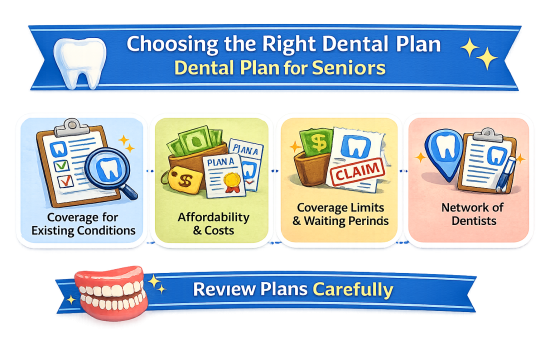
Choosing the Right Dental Plan
Selecting the perfect dental plan can feel challenging, especially with many options and terms like waiting periods to consider. Understanding key factors such as coverage, costs, and dental care needs is essential to ensure the plan aligns with your health requirements. This section will offer guidance on important considerations, helping you make informed decisions. Whether you’re exploring insurance plans or evaluating how waiting periods affect your service access, knowing what to look for in a dental plan empowers you to choose one that fits your lifestyle and budget, ensuring valuable coverage throughout the year.
Factors to Consider When Selecting a Plan
When choosing insurance plans, many factors demand consideration to ensure you find the right fit for your dental care needs. Essential aspects include the type of coverage provided, costs, services included, and potential waiting periods. Initially, it’s important to understand the types of dental plans available. Common types include Health Maintenance Organizations (HMOs), Preferred Provider Organizations (PPOs), and dental discount plans. Each structure offers different benefits in terms of flexibility, costs, and coverage options. For instance, HMOs often provide lower premiums with a fixed structure, but require choices within a provider network.
Conversely, PPOs offer greater flexibility, allowing access to out-of-network providers at a higher out-of-pocket expense. Discount plans reduce service fees without providing actual insurance coverage, often lacking waiting periods, which can be beneficial for immediate needs. Another critical element is the waiting period associated with insurance plans. Evaluating how long you’ll wait before services like fillings or crowns are covered helps you prepare financially and plan your dental care timeline. For seniors, understanding these aspects is vital as they ensure predictable healthcare costs and avoid large, unexpected expenses.
Additionally, checking the provider network’s quality is crucial. Having access to a reputable network can significantly impact the quality of care you receive. It’s wise to investigate whether your preferred dentist is included or if the network offers specialists who cater to senior dental issues like gum disease and tooth loss. Furthermore, affordability remains a top concern for many seniors. Balancing premium costs with coverage benefits is essential to stay within budget while ensuring sufficient dental care needs are met. Compare these costs carefully and consider what services, like preventive care, get covered without a waiting period. This way, you can access immediate care even if major treatments have longer waits.
Finally, it would be advantageous to explore any enrollment window requirements or open enrollment periods specific to your chosen insurance company. Understanding these enrollment nuances ensures timely coverage without unnecessary gaps, especially if transitioning from one insurance plan to another. By doing thorough research and comparing options, you can confidently choose a dental plan that aligns with both your immediate and long-term healthcare goals. Whether considering a company like Cigna or other providers, being well-informed about the nuances of dental insurance options can help seniors maintain their oral health effectively and affordably.
Consider these additional tips for evaluating dental plans tailored to your needs:
- Check if preventive services like cleanings have immediate coverage with your chosen plan.
- Assess potential out-of-pocket costs for dental procedures outside the coverage network.
- Verify if the plan includes specialists for senior-specific dental issues.
- Look into family plans if you need coverage for multiple members.
- Understand how the plan handles emergency dental care situations.
- Review customer service ratings for the insurance company to gauge support quality.
- Confirm the network’s geographical reach, especially if you travel frequently.
Keeping these tips in mind will help streamline your decision-making process for dental plans effectively.
Understanding dental insurance waiting periods can help you make informed choices about coverage. By knowing when you can enroll and what services may have a waiting period, you can plan for your dental care needs. Dental insurance offers many options, from basic to comprehensive coverage, each with different rules and benefits. It’s important to carefully review the details of each plan, considering both the costs and what services are covered. Taking the time to explore these options can assist you in finding a plan that fits your needs and preferences. Enter your ZIP code to explore available options.
Compare plans and enroll online
Frequently Asked Questions
What are dental insurance waiting periods?
Waiting periods are specific times set by insurance providers during which certain dental services are not covered right after a policy starts. They usually apply to basic and major procedures to manage cost risks.
When can I enroll in dental insurance plans?
Enrollment periods for dental insurance plans can vary. Some plans have open enrollment periods, similar to health insurance, while others allow enrollment at any time of the year, depending on the provider and plan type.
How do waiting periods impact coverage for seniors?
Waiting periods affect when you can access certain procedures under your insurance plan. It’s crucial for seniors to understand these timelines to plan for necessary dental work without unexpected out-of-pocket expenses.
Can prior coverage affect dental insurance waiting periods?
Yes, if you have proof of prior continuous dental coverage, some insurance plans may reduce or waive certain waiting periods, ensuring a smoother transition between insurance providers without restarting waiting periods.
Do preventive services generally have waiting periods?
Most dental insurance plans offer immediate coverage for preventive services like cleanings and exams with no waiting periods, encouraging regular check-ups to maintain oral health proactively.
Find & Compare Plans Online
ZRN Health & Financial Services, LLC, a Texas limited liability company

Russell Noga is a Dental Insurance Educator who writes informational content focused on helping consumers understand dental insurance coverage, benefits, and common plan features. His work emphasizes clear explanations of preventive care, basic and major services, waiting periods, provider networks, and plan limitations. Content is reviewed periodically to ensure clarity and accuracy and is based on publicly available sources. Information may change over time as plan details, availability, and coverage options are updated.