For older adults comparing dental coverage, the right fit often depends less on a familiar insurer name and more on the plan type, local network, and the care you expect to need. Aetna dental insurance for seniors may be offered through stand-alone dental policies, Medicare Advantage plans that include dental benefits, or employer and retiree arrangements.
Availability and benefit design can vary by ZIP code, so it is worth reviewing the options actually sold in your area rather than relying on national advertisements or a plan a friend has elsewhere.
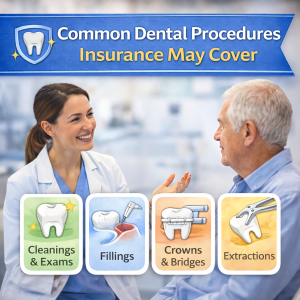
When reviewing Aetna senior dental plans, start with the basics: preventive coverage, annual benefit maximums, waiting periods, deductibles, and the share you would pay for fillings, crowns, dentures, implants, or periodontal treatment. Cleanings and exams may receive stronger coverage than major restorative work, particularly during a plan’s first year. That distinction matters for retirees who are replacing older dental work or managing ongoing gum care, not simply scheduling routine visits.
Provider access deserves equal attention. Ask your current dentist whether they participate in the specific Aetna dental plans under consideration, not merely whether they accept Aetna. Network participation can differ across products, and an out-of-network visit may mean higher costs, more paperwork, or a lower reimbursement amount. If keeping a longtime dentist is important, confirm participation before enrolling.
Medicare is another common source of confusion. Original Medicare generally does not cover routine dental care, but some Medicare Advantage plans may include limited or more comprehensive dental benefits.
Those benefits can have separate provider networks, annual allowances, service limits, and authorization rules. A stand-alone dental policy may offer a different level of flexibility, though it also adds a separate premium.
A practical comparison looks beyond the monthly price. Estimate your likely care for the coming year, check nearby in-network dentists, and read the evidence of coverage or policy details for exclusions and limits. For seniors with predictable preventive needs, a simpler plan may be sufficient; for those anticipating crowns, dentures, or other major work, the benefit schedule and waiting period may carry far more weight than the premium alone.