Dental Insurance That Covers Implants

Dental implants can provide a long-lasting solution for missing teeth, but the cost can be a concern. Understanding your dental insurance options is essential to know what coverage might be available for implants.

Coverage for implants varies depending on your insurance plan and provider. This guide will explore the ins and outs of dental insurance that covers implants, including potential costs, coverage limitations, and the factors insurers consider.

With this information, you can feel more confident in making informed decisions about your dental care needs.

Key Highlights

  • Dental implants offer permanent solutions, enhancing oral health by mimicking natural teeth’s function and appearance.
  • Coverage for implants varies; compare insurance plans to understand potential financial responsibilities and coverage limits.
  • Waiting periods impact implant coverage; understanding them can minimize unexpected costs and treatment delays.
  • Location influences dental insurance options; regional variations affect plan availability and costs significantly.
  • Enter your ZIP code to explore personalized dental insurance plans that match local needs and coverage options.

Compare Plans In One Step!

Understanding Dental Insurance for Implants

Dental implants are a popular solution for replacing missing teeth, but understanding how dental insurance covers them can be confusing. While many insurance plans offer coverage for dental implants, the extent of that coverage varies.

Knowing what plans cover and the costs involved is key to making informed decisions. In this section, we’ll explore what dental implants are, how they work, and provide insights to help you understand dental insurance that covers implants.

It’s important to be aware of terms like waiting periods and compare plans based on your needs and location to find the best fit.


Key AspectDescriptionConsiderationsInsurance Tips
Implant FeaturesDental implants are artificial tooth roots providing a permanent base for fixed, replacement teeth.Durability, natural appearance, and function like natural teeth.Check if your plan includes coverage for implants and to what extent.
Coverage VariationsInsurance plans differ in terms of what implant components they cover.Understand which parts of the implant are covered: crown, abutment, or surgery.Review the specifics of your dental plan to identify covered services and exclusions.
Cost FactorsThe cost of implants can vary based on location, provider, and specific needs.Consider cost of consultation, surgery, and aftercare.Look for plans that have partnerships with dental service providers to reduce costs.
Decision-Making TipsMaking an informed choice involves understanding coverage details and comparing plans.Evaluate the plan’s network, benefits, and out-of-pocket costs.Get pre-authorization and confirmation from your insurer prior to proceeding with treatment.


This table clarifies essential considerations regarding dental implant coverage and costs, aiding in informed decision-making.

What Are Dental Implants?

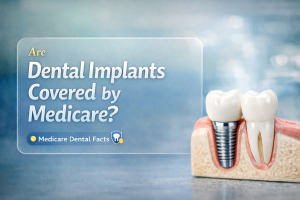
Dental implants are artificial tooth roots, typically made of titanium, that are surgically placed into the jawbone to support replacement teeth like crowns, bridges, or dentures. Unlike traditional dentures, implants are designed to be a permanent solution and mimic the function and appearance of natural teeth.

They offer many benefits, such as improved oral health, better speech, and enhanced comfort, making them a popular choice for many seniors exploring dental insurance options.

When considering dental implants, it’s crucial to understand how dental insurance can help cover their costs. Not all dental insurance plans include implants in their coverage.

Specific plans may offer partial coverage, while others might not cover implants at all. It’s essential to verify with insurers if your preferred plan is one of the dental insurance plans that covers implants.

Understanding terms like ‘cover dental implants’ or ‘insurance cover’ can help you know what financial responsibilities you may have. Moreover, the variation in insurance plans means comparing options from different providers is vital.

As you navigate the world of dental insurance, keep in mind the potential out-of-pocket expenses. The initial investment in implants may be higher than other dental procedures, but the long-term benefits often outweigh the upfront costs.

It’s wise to review the benefits and limitations of potential plans carefully. The process may seem daunting, but taking the time to understand the details of your dental insurance and how it relates to implants will empower you to make confident, informed choices for your dental health.

How Dental Insurance Covers Implants

Dental insurance can play a crucial role when it comes to covering implants, though navigating the specifics can often feel complicated. Most dental insurance plans provide some level of coverage for implant procedures, but it’s essential to understand how much and what aspects are covered.

Generally, implant insurance will vary significantly between different insurance companies and their plans. Understanding if your dental insurance covers implants depends on various factors, including the terms of full coverage dental insurance and the kind of dental services included.

Doing your homework can help illuminate whether your plan will cover dental implants, ensuring you know the extent of coverage before you proceed.

Types of Insurance Plans That May Cover Dental Implants

When exploring options for dental insurance, it’s vital to understand the types of plans that might cover dental implants. Surprisingly, many traditional plans like Delta Dental and others might not fully cover implants, as certain insurance companies have limitations.

However, some comprehensive or full coverage dental insurance plans do include implants as part of their benefits. It’s important to recognize that plans provided by companies like AFLAC may exclude implant procedures, so reviewing the specifics of insurance company offerings is crucial.

For instance, while some plans might contribute towards specific aspects like the surgical procedure, others might only assist with the crowns or bridges that follow implant placement. Dental implant insurance can often require a thorough evaluation of not just the coverage, but also the associated benefits.

Various companies offer implant insurance as a separate rider, which might cover more extensive aspects of dental care. When checking if your dental insurance plan may cover some parts of implants, consider the waiting periods and benefit limits that might apply.

The landscape of dental insurance is varied, and implant dental care demands careful consideration of these intricacies. The challenge lies in aligning your needs with what’s available, considering differences in coverage and costs that apply based on location and the specific insurance provider.

Compare plans and enroll online

Speak with a licensed insurance agent

1-855-425-2095TTY 711

Mon-Fri: 8am-9pm ET

Dental Insurance Coverage and Costs

Understanding the coverage and costs associated with dental insurance for implants can make a big difference in your decision-making process. While dental implants offer a lasting solution for missing teeth, the expenses can be significant.

Dental insurance often helps offset these costs, but the extent of coverage varies. In this section, we’ll delve into what costs are typically covered under insurance plans, ensuring you know what to expect financially.

This knowledge helps in selecting the right dental plan, considering insurance company differences, and managing dental implant costs effectively.

What Costs Are Typically Covered?

When looking into dental insurance for implants, knowing what costs are typically covered is crucial for effective financial planning. Most dental insurance plans cover a portion of the procedures related to dental implants, but full coverage is quite rare.

Generally, dental insurance covers parts of the implant process, such as preliminary consultations and diagnostics like X-rays, which are essential for planning the placement. The core dental procedure costs, such as the implant surgery, are often partially covered, depending on your specific insurance coverage and plan type.

Insurance companies might class dental implants under major restorative services, leading to higher out-of-pocket costs compared to preventive care. However, the level of coverage can vary with your dental plan.

For instance, some plans might contribute more towards the crowns or bridges required post-implant surgery rather than the implant itself. Sometimes, dental coverage includes dental financing options for costs not fully covered, which can assist in alleviating immediate financial pressures.

It’s important to understand that while many dental insurance plans help cover implant procedures, they might not fully offset the costs. Discussing your plan specifics with your insurance company will provide a clearer picture of financial responsibilities.

Always consider how overall rates and benefits could differ based on your location and your choice of dental insurance policy. Ultimately, evaluating which parts of the dental implant process are covered can aid in selecting the right policy to meet your dental needs responsibly.

To explore insurance options, enter your ZIP code on our main page and discover plans available in your area.

The Role of Waiting Periods in Dental Insurance

The Role of Waiting Periods in Dental Insurance

Understanding waiting periods in dental insurance is vital, especially when exploring dental insurance that covers implants. Waiting periods are the time frames you must wait before you can access full benefits of your insurance coverage.

These periods can significantly impact when you can start a dental procedure, like getting implants. While the concept might seem daunting at first, breaking it down helps clarify its importance in your insurance plan.

We’ll delve into how these waiting periods affect implants, particularly in relation to the overall plans and coverage you might have.

Understanding How Waiting Periods Affect Implant Coverage

When it comes to dental insurance, waiting periods can play a crucial role in determining when you can access insurance coverage for dental implants. Generally, these are the preset durations stipulated by insurance companies before certain benefits kick in.

For dental implants, waiting periods can often span several months or even up to a year. This timeline means that policyholders need to plan accordingly and should not expect immediate coverage for dental implants after beginning a dental plan.

The necessity for such waiting periods arises from the insurance perspective of needing to manage costs and risk effectively.

These periods vary widely among different dental insurance plans and can affect not only when you can receive implants but also the associated costs covered by your insurance.

For instance, a dental plan might cover diagnostic and preliminary procedures immediately, but the implant surgery itself might only be covered after the waiting period lapses.

Thus, it becomes imperative to review and understand the specifics of your insurance coverage to avoid unexpected out-of-pocket costs. Furthermore, seniors should be particularly cautious, as skipping the fine print may lead to delays in essential treatments.

It’s worth noting that some plans offer variations in waiting periods based on the type of dental care or services rendered. Insurance cover for implants often falls under major dental services, which typically have longer waiting periods compared to basic services like cleanings or fillings.

Understanding this dynamic can help when comparing plans and choosing the right one for your dental needs. For those urgently requiring implants, considering dental insurance options with shorter waiting periods or exploring supplemental dental plans could be advantageous.

Lastly, having a full grasp of how waiting periods interact with your coverage gives you a clearer picture of the financial commitments involved, empowering you to make informed choices regarding your dental health needs.

The impact of waiting periods on dental implant coverage can be significant, but these insightful tips can help you navigate this aspect effectively:

  • Evaluate different dental plans to compare implant coverage, waiting periods, and their associated costs.
  • Confirm if there’s an option to waive waiting periods for emergency situations with your insurer.
  • Explore supplemental dental insurance to potentially reduce waiting period impacts on major procedures like implants.
  • Review any available special programs or exceptions for seniors regarding waiting periods for implants.
  • Investigate if a history of continuous coverage impacts the length of waiting periods in new plans.
  • Consider financing options for implants during waiting periods, such as payment plans or healthcare credit services.
  • Consult with a dental insurance broker to better understand details that may affect waiting periods.


Being well-informed empowers you to navigate your dental implant coverage with confidence and clarity.

Find & Compare Plans Online

Speak with a licensed insurance agent

1-855-425-2095TTY 711

Mon-Fri: 8am-9pm ET

Choosing the Right Dental Coverage for Implants

Choosing the right dental coverage for implants involves understanding various factors that influence the extent of your insurance coverage. Dental implants, while a desirable option for permanent tooth replacement, come with costs that can be significant.

As you explore dental insurance plans, look for those providing comprehensive coverage or specific implant benefits. It’s crucial to evaluate costs, benefits, and insurers such as Humana or Delta to find a plan that fits your needs.

With insurers often offering varying levels of coverage, a thoughtful approach will help in selecting a dental plan that minimizes out-of-pocket expenses while aligning with your dental needs.

Factors to Consider When Selecting a Plan

When selecting a dental insurance plan that covers implants, it’s important to assess several key factors. First, look into what each dental plan includes in terms of implant dental procedures.

Some insurance plans may cover implants as part of their benefits, while others might offer partial coverage or none at all. Investigating these differences helps clarify your financial responsibilities.

Check if the plan covers dental implants by reviewing the policy details. This is where knowing terms like “cover dental implants” and “full coverage” becomes essential. Understanding these elements is vital to ensure you’re informed before committing to a plan.

Additionally, cost considerations should not be overlooked. Compare the premiums and any deductible amounts across different plans. Plans provided by well-known companies like Delta and Humana often have varying costs associated with them.

Moreover, do not forget to consider waiting periods, as these affect when you can start using your implant coverage. Some insurance policies require a waiting period before coverage for major procedures, including implants, kicks in.

Knowing this beforehand aids in better planning for when you’ll need dental procedures carried out.

Finally, consider other benefits that come with the insurance coverage, such as regular exams or preventive services. These services are fundamental in maintaining overall oral health and can sometimes influence the overall value of a dental plan.

Remember, the ideal insurance policy will balance costs, provide sufficient coverage, and align with the treatments you’ll require. By understanding all these aspects, you position yourself to choose a plan that not only covers your dental implant needs but also contributes towards a healthier, worry-free future.

Choosing the Right Dental Coverage for Implants

Comparing Dental Insurance Options

The variety of dental insurance options available can seem overwhelming, especially when considering coverage for implants. Exploring these options helps you understand the differences between plans, insurers, and how geographical location plays a part.

By comparing dental insurance offerings, you can find a balance between costs, coverage, and accessibility. Let’s dive into factors that influence the choice of dental insurance, focusing on how your location can impact these decisions.

This understanding will guide you in selecting a dental plan that meets your needs and your budget effectively.

How Location Affects Dental Insurance Choices

Location plays an unexpectedly significant role in your options for dental insurance, especially when looking at coverage for costly procedures like dental implants. Different states, and even different cities within the same state, may offer varied plans due to differences in local regulations, market conditions, and demographic needs.

Insurance companies often tailor their offerings to match the specific healthcare demands and economic environment of a location. For instance, urban areas might have more competitive pricing and diverse plan options, whereas rural areas might see fewer choices available for coverage or higher costs associated with the same level of care.

Furthermore, the availability of dental insurance that covers implants can depend heavily on the local presence of dental networks when insurance providers choose plans. Areas with a strong presence of preferred provider organizations (PPOs) might offer more attractive benefits, such as better negotiated rates for dental implants.

On the contrary, regions with a higher concentration of health maintenance organizations (HMOs) might emphasize routine preventive care over more extensive procedures like implants, impacting your options and costs.

To navigate this, it’s practical to research the insurance companies that are well-established in your area, as they are more likely to offer favorable plans suited to local needs. Compare these companies and their plans to understand not only what coverage is available but also at what cost.

Checking for local reviews or speaking to local dental offices about recommended insurance options can provide additional valuable insights. Ultimately, understanding how your location affects your dental insurance choices empowers you to make informed, confident decisions about your dental health needs.

To explore personalized insurance options, enter your ZIP code on our website and discover what’s available in your area.

Common Dental Procedures Associated with Implants

Getting dental implants involves more than just the implant itself. Often, several related dental procedures are needed to ensure a successful outcome.

These procedures can include everything from fillings to crowns, each playing a crucial role in maintaining oral health and the longevity of implants.

Understanding these associated procedures and their costs is essential for anyone considering implants. We’ll explore the different types of procedures that might be involved, helping you to plan financially and understand what’s all involved in the process.

From Fillings to Crowns: Understanding the Full Scope

When considering dental implants, it’s important to understand the range of dental procedures that may accompany them. Dental implants themselves are just one part of the process.

Often, fillings are required before an implant procedure, as existing cavities need to be addressed to ensure a healthy mouth. A dentist will typically check for and fill any cavities to prevent future complications with the implants.

Proper oral health maintenance is vital to the success of implants, as the surrounding teeth need to be strong and healthy. Aside from fillings, crowns are often an integral part of the dental implant process.

Once an implant is successfully placed into the jawbone, a crown is typically fitted on top to replicate a natural tooth. This involves shaping a custom crown that fits perfectly and aesthetically into the existing dental structure.

Costs for these related procedures vary widely and are influenced by multiple factors, such as geographic location and complexity of the procedures involved. The role of a dentist is pivotal in this process, providing detailed evaluations and recommendations tailored to individual needs.

Understanding procedure costs and how dental insurance can assist in offsetting these expenses is crucial. Insurance may cover portions of these associated procedures, though each plan has its own stipulations and coverage limits.

For instance, some plans may provide coverage for crowns as a part of major dental services, while others may require additional out-of-pocket expenses.

Understanding the full scope from fillings to crowns and everything in between helps ensure you’re fully informed about the dental procedures involved with implants. This not only aids in financial preparation but also helps in making confident decisions about your dental health.

Remember, discussing your options with a dentist and verifying with your insurance provider can illuminate which costs are covered and what might remain your responsibility.

Compare plans and enroll online

Speak with a licensed insurance agent

1-855-425-2095TTY 711

Mon-Fri: 8am-9pm ET

Managing Out-of-Pocket Costs for Dental Implants

Dental implants, while incredibly beneficial for long-term oral health, often come with significant out-of-pocket expenses. Understanding your dental insurance coverage is crucial to managing these costs effectively.

Most insurance policies don’t cover the full cost of implants, leaving individuals to strategize their financial approach. In this section, we’ll explore strategies to help you handle the expenses not covered by insurance, ensuring you remain confident and informed.

Consider reviewing dental financing options and learn about specific strategies that can alleviate financial strain and make implants more affordable.

Strategies to Manage Costs Not Covered by Insurance

Tackling the expenses that dental insurance doesn’t cover can feel challenging, but various strategies exist to manage these costs effectively. One popular approach is exploring dental financing options, allowing you to spread the costs of dental implants over a manageable period.

Many dental offices collaborate with financing companies to offer payment plans, easing the immediate financial burden. Additionally, Health Savings Accounts (HSAs) and Flexible Spending Accounts (FSAs) can be beneficial.

These accounts let you use pre-tax dollars for medical expenses, including dental costs, making expensive procedures like implants more attainable.

It’s also worth investigating supplemental dental plans. These plans might cover additional costs not included in your primary insurance policy.

When considering such strategies, it’s essential to compare the terms and benefits of each option to see what suits your needs best. Understanding the implications of each financial tool will help you plan more effectively.

Using insurance strategically can involve combining coverage with savings, thereby minimizing out-of-pocket expenditures.

Moreover, some dental offices offer discounts or limited-time promotions for specific procedures. Inquiring about these opportunities could reduce the overall costs.

Remember to thoroughly research and plan by estimating the total dental treatment costs, looking beyond just the implant itself. Consider costs like crowns or fillings, which are often necessary parts of implant procedures.

Lastly, familiarity with your insurance policy, including covered and excluded services, ensures that you won’t face unexpected expenses, giving you peace of mind before heading into any dental procedure.

Managing Out-of-Pocket Costs for Dental Implants

Explore Dental Insurance Plans for Your Needs

When looking for dental insurance plans that include implants coverage, understanding your options is crucial. Dental insurance can offer varying levels of coverage, especially for procedures like implants.

Being informed about different plans and how they match your needs helps make decisions easier and more confident. Seniors, particularly, should evaluate benefits, costs, and potential waiting periods.

Let’s consider how entering your ZIP code can help you find available insurance plans tailored to your location, providing insights into costs and coverage specifics that suit your dental care needs.

Enter Your ZIP Code to Learn More About Available Options

Finding dental insurance plans that meet your unique needs starts with understanding the options available in your area. By entering your ZIP code on our website, you can unlock a list of insurance plans tailored to your location.

This step is crucial because insurance companies often customize their offerings based on local demographics and healthcare needs. You’ll discover variations in coverage, costs, and plan benefits that are influenced by regional factors.

This approach ensures that you aren’t just selecting an insurance plan at random but choosing one that best aligns with the services provided by local dental professionals.

Moreover, exploring dental insurance plans through your ZIP code allows you to compare numerous options at once, making it easier to find one that offers the dental coverage you need.

Whether you’re interested in routine procedures or are specifically focused on finding plans that cover dental implants, localized searches provide clarity on the options available.

This can significantly impact your out-of-pocket expenses and ensure you select a plan that mitigates your overall dental costs effectively.

Beyond mere cost considerations, knowing what insurance plans cover in your area also informs the extent of service accessibility. Some regions may have a larger network of preferred providers, which can offer you more choice and potentially better negotiated rates for procedures like dental implants.

With informed choices, managing your dental needs becomes less stressful and more catered to your personal requirements. Don’t miss the opportunity to learn more and gain clarity on how insurance can alleviate dental care expenses by entering your ZIP code and exploring the plans designed for you.

Exploring dental insurance options for implants can help you find plans that may fit your needs. Coverage and costs can differ by location, provider, and the specific plan. It’s important to review the details carefully.

Consider factors like coverage limits, waiting periods, and out-of-pocket expenses. Understanding these aspects will aid you in making informed decisions about your dental health.

Enter your ZIP code on our website to see what plans might be available in your area. Remember, having the right information empowers you to make choices that align with your dental care goals.

Find & Compare Plans Online

Speak with a licensed insurance agent

1-855-425-2095TTY 711

Mon-Fri: 8am-9pm ET

Frequently Asked Questions

What are dental implants, and why are they considered beneficial for oral health?

Dental implants are artificial tooth roots, usually made of titanium, that are surgically placed into the jawbone to support replacement teeth like crowns, bridges, or dentures.

They offer a permanent solution for missing teeth, enhancing oral health by mimicking the function and appearance of natural teeth. Benefits include improved speech, better oral health, and enhanced comfort.

How does dental insurance coverage for implants vary?

Coverage for dental implants varies widely among different insurance plans. Some may offer partial coverage, while others might not cover dental implants at all.

It’s important to verify with your insurer the specifics of your plan regarding implant coverage. Reviewing plan details, such as waiting periods and coverage limits, will help you understand your potential financial responsibilities.

What are waiting periods in dental insurance, and how do they affect implant coverage?

Waiting periods are the designated durations imposed by insurance companies before certain benefits become accessible. For implants, these can range from several months to a year.

Understanding waiting periods is crucial, as they determine when you can schedule your implant surgery under your insurance coverage. Reviewing this aspect carefully can help you plan and avoid unexpected costs.

How does location influence dental insurance options for implants?

Dental insurance options can vary significantly depending on your location. Different regions may have distinct plans and providers, influenced by local regulations and market conditions.

By entering your ZIP code on Dentalinsuranceforsenior.org, you can explore personalized dental insurance plans specific to your area, helping you understand plan availability and costs better.

What strategies can seniors use to manage out-of-pocket costs for dental implants?

Seniors can consider several strategies to manage out-of-pocket expenses for dental implants. Options include dental financing plans to spread out costs, using Health Savings Accounts (HSAs) or Flexible Spending Accounts (FSAs) for pre-tax payment, and exploring supplemental insurance for additional coverage.

Additionally, consulting with your dentist about potential discounts or payment plans can also alleviate financial pressures.

Have Questions?

Speak with a licensed insurance agent

1-855-425-2095

TTY users 711

Mon-Fri: 8am-9pm ET

Find & Compare Plans Online

Speak with a licensed insurance agent

1-855-425-2095TTY 711

Mon-Fri: 8am-9pm ET

ZRN Health & Financial Services, LLC, a Texas limited liability company