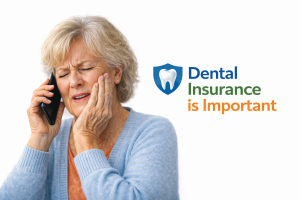
Why Dental Health is Important for Older Adults

Dental health plays a vital role in maintaining overall well-being for older adults. As we age, our oral health needs change, making it crucial to focus on gum disease prevention, tooth decay, and overall mouth care.

Poor oral health can affect more than just your smile by impacting nutrition, speech, and even heart health.

Regular dental check-ups help prevent issues that can lead to more serious conditions. Understanding the importance of dental care supports healthy aging and enhances quality of life for seniors. Let’s explore why prioritizing dental health is essential for older adults.

Key Highlights

  • Dental health is crucial for seniors as it affects nutrition, heart health, and quality of life.
  • Common dental issues in seniors include cavities, gum disease, dry mouth, and oral cancer.
  • Oral health problems can signal broader health issues, such as heart and respiratory diseases.
  • Medicare Advantage plans may offer dental coverage not available under Original Medicare.
  • Caregivers can support seniors’ oral health through routine care and education.

Compare Plans In One Step!

The Importance of Oral Health for Seniors

Maintaining good oral health is crucial for seniors, as it directly impacts their overall well-being and quality of life. As we age, our bodies undergo various changes, and our oral health is no exception.

Older adults are more susceptible to dental issues that can affect eating, speaking, and socializing. This makes oral health care essential in promoting longevity and happiness.

Understanding the common dental problems among seniors can help address these issues promptly, preventing complications that can arise from neglect. By prioritizing dental care, seniors can achieve healthier, more fulfilling lives.

The Importance of Oral Health for Seniors

Common Dental Problems for Aging Patients

Aging brings about specific dental challenges that require attention and care. Common dental problems in seniors include dental caries, gum disease, dry mouth, and oral cancer.

Dental caries, or cavities, become more prevalent due to factors like reduced saliva production and changes in diet. Saliva is crucial for neutralizing acids and preventing tooth decay, so a decrease can lead to more cavities.

Gum disease is another significant issue, often caused by plaque buildup. This condition can lead to tooth loss if not addressed, affecting both the function and appearance of the mouth.

Another concern for many older adults is dry mouth, which can be a side effect of medications or health conditions. It not only makes chewing and swallowing difficult but also contributes to tooth decay and gum disease.

Oral cancer risk also increases with age, making regular dental check-ups critical for early detection. Dentists play a vital role in checking for signs of oral cancer, which can often go unnoticed without professional screening.

By understanding these common issues, seniors and caregivers can take proactive steps to maintain oral health. This might include regular dental visits, proper brushing and flossing techniques, and staying hydrated.

Awareness and prevention are key to avoiding severe dental problems and ensuring seniors enjoy a healthy, comfortable life. Addressing oral health is a significant part of ensuring overall health as our loved ones age.

Encouraging regular dental care can make a huge difference in the happiness and health of older adults.

Why Oral Health Matters in Aging

Oral health is essential for older adults, playing a vital role in their overall health and quality of life. As bodies age, maintaining oral health becomes more challenging, yet increasingly important.

From common dental issues to their impact on general well-being, understanding oral health’s role in aging is crucial. Dental health affects not just how seniors eat and speak but also their social interactions and self-confidence.

By addressing oral health proactively, older patients can enjoy a healthier, more comfortable life. We’ll explore how oral health connects with broader health, reflecting its importance in senior care.

Link Between Oral Disease and Overall Health

The relationship between oral health and overall health is more significant than many think, especially for older adults. Many don’t realize that issues in the mouth can signal or even contribute to chronic diseases elsewhere in the body.

For example, gum disease, a prevalent condition among seniors, is linked to heart disease, a serious concern as people age. When gums become inflamed, harmful bacteria can enter the bloodstream, potentially affecting cardiovascular health.

This shows that maintaining good oral health might reduce the risk of such chronic conditions for older patients.

Oral health’s impact isn’t limited to cardiovascular issues, though. There is evidence suggesting a connection with respiratory diseases.

Seniors with poor oral health and high levels of oral bacteria are more susceptible to pneumonia. This occurs when bacteria from the mouth are inhaled into the lungs, exacerbating or triggering respiratory problems.

Here again, maintaining proper oral hygiene, like regular brushing and flossing, can significantly reduce such risks among seniors.

Aging patients often face numerous challenges, and taking preventive measures in oral health can be a simple yet effective step toward mitigating broader health issues. By preventing oral diseases; such as gum disease and cavities; older adults may experience improvements in their general health.

Regular dental check-ups, a balanced diet, and good oral hygiene practices are essential strategies for seniors to uphold their well-being, reflecting how interconnected oral health and overall health truly are.

Remember, oral health isn’t isolated. It mirrors and influences overall health.

Let’s empower healthier aging by being proactive about dental care. To explore Medicare options that offer dental coverage, enter your ZIP code on our site.

Once our phone line is available, feel free to call for personalized help in navigating your choices.

Compare plans and enroll online

Speak with a licensed insurance agent

1-855-425-2095TTY 711

Mon-Fri: 8am-9pm ET

The Connection Between Oral Health and General Health

Oral health is integral to general well-being, especially as we age. For older adults, maintaining good oral care can prevent various diseases and enhance quality of life.

Poor oral health is linked to major health issues like heart disease and respiratory conditions. Gum disease in seniors can lead to bacteria entering the bloodstream, affecting heart health.

Additionally, poor oral hygiene can contribute to respiratory diseases, as bacteria from the mouth reach the lungs. Understanding this connection can help older patients prioritize dental care, promoting healthier aging and preventing chronic disease.

How Oral Cancer Impacts Seniors' Health

Oral cancer is a serious concern for older adults, and its impacts stretch far beyond the mouth. As we age, the risk of developing oral cancer increases, making regular dental check-ups essential.

Oral cancer can subtly begin with sores or lumps in the mouth that many seniors might overlook. However, if not detected early, it can threaten one’s health significantly.

Oral health plays a crucial role in early detection, as regular dental visits provide opportunities for dentists to spot unusual changes in the mouth. This vigilance is key in providing early intervention, which can improve outcomes.

Beyond its direct implications, oral cancer can affect seniors’ nutrition. Pain or difficulty in chewing and swallowing can lead to challenges in maintaining a balanced diet, potentially leading to malnourishment or weight loss.

This can further exacerbate aging-related health issues, weakening the immune system and reducing an individual’s ability to fight other chronic diseases.

Hence, awareness of oral cancer’s symptoms and maintaining regular dental check-ups can significantly aid in its early detection and management, thus safeguarding seniors’ overall health.

Furthermore, empowerment through education about oral cancer risks is vital. Seniors and caregivers should be informed about the symptoms and importance of oral health.

The guidance from a compassionate healthcare provider can give seniors the confidence to maintain their oral care routine diligently. Understanding the broader implications of oral cancer encourages seniors to be proactive in their dental health, ultimately leading to a healthier, more comfortable life.

Remember, being vigilant about oral care is a proactive step towards preventing serious health challenges.

Find & Compare Plans Online

Speak with a licensed insurance agent

1-855-425-2095TTY 711

Mon-Fri: 8am-9pm ET

Practical Dental Care Tips for Seniors

Ensuring healthy mouths for older adults involves simple yet effective dental care strategies. As we age, maintaining oral hygiene becomes more vital to overall health, affecting nutrition, social interactions, and comfort.

Seniors can enjoy better oral health through accessible steps that enhance their daily oral care routine.

With regular dental visits, proper cleaning techniques, and an understanding of how oral conditions affect general well-being, seniors can prevent common dental issues that often impact the aging population.

Let’s explore straightforward tips that make oral care a manageable and essential part of seniors’ daily health regimen.

Simple Steps to Maintain Oral Health

Maintaining oral health for older adults can be straightforward with the right approach. Key practices in dental care revolve around daily attention to oral hygiene.

Brushing teeth at least twice a day with fluoride toothpaste is a fundamental practice. It’s crucial to use a soft-bristled toothbrush to avoid damaging gums or enamel, which can be more sensitive as we age.

Flossing daily is equally important as it removes food particles and plaque between teeth that a toothbrush might miss. When considering oral care, seniors should also rinse with an antiseptic mouthwash to reduce bacteria that can cause gum disease and bad breath.

Regular dental check-ups play an essential role in dental care by allowing early detection of issues like cavities, gum disease, or oral cancer. Dentists can offer tailored advice, addressing specific concerns such as dry mouth or fitting dentures.

Seniors can benefit from these visits by reinforcing oral care strategies suited to their individual needs. Maintaining hydration is another crucial step in oral health, as it helps combat dry mouth, a common issue among older adults due to medication side effects.

Drinking ample water supports saliva production, which is essential for reducing decay-causing acids.

Incorporating a balanced diet rich in fruits, vegetables, and dairy products supports both oral and overall health. Such nutrition provides necessary vitamins and minerals that fortify teeth and gums.

Avoiding excessive sugary snacks and beverages reduces the risk of cavities prevalent as we age. Additionally, quitting smoking greatly benefits oral health, lowering the risk of oral cancer and improving gum health.

These thoughtful steps not only preserve dental health but also contribute to enhancing older adults’ overall quality of life. By adopting these practices, seniors ensure that their oral care routine remains effective and sustainable throughout their aging journey.

Medicare and Dental Coverage Options

For older adults, dental care is vital to maintaining overall health, yet dental expenses can add up quickly. Many seniors rely on Medicare for health insurance, but it’s essential to understand what dental coverage options are available through Medicare programs.

While Original Medicare doesn’t cover most dental care, there are other routes to explore, including Medicare Advantage plans and stand-alone dental insurance options.

Knowing how to access dental coverage can help older adults make informed choices, ensuring they receive the necessary care without overwhelming costs. Let’s dive deeper into how coverage for dental needs varies and what options might be accessible.

Understanding Coverage for Dental Needs

When it comes to Medicare, understanding dental coverage can feel like navigating a maze. Original Medicare, which includes Part A and Part B, does not typically cover routine dental care such as cleanings, fillings, or extractions.

This often leaves older adults searching for supplemental coverage to meet their dental needs. Medicare Advantage (Part C) plans, however, often offer additional benefits beyond Original Medicare, including dental coverage.

These plans are offered by private insurance companies and can vary significantly, with some providing extensive dental care options such as cleanings, exams, and even dentures.

Availability and access to these dental services require understanding the specifics of each plan. It’s crucial for seniors to examine the details, including deductibles, copayments, and network restrictions.

Additionally, some dental expenses may be partially covered, requiring individuals to pay out-of-pocket for more comprehensive procedures. This variability in coverage underscores the importance of thoroughly comparing Medicare Advantage plans to find one that aligns with individual dental care needs.

Furthermore, for low-income older adults, Medicaid may provide some dental care benefits, depending on the state of residence. Medicaid programs are state-run, and coverage can range from emergency procedures to comprehensive dental services.

Access and eligibility criteria may vary, making it essential to inquire about available options. Exploring these diverse avenues for dental insurance ensures older adults can maintain their oral health alongside their general health.

Armed with the right information, seniors can confidently navigate their Medicare choices to support oral care needs effectively.

Don’t let dental coverage slip through the cracks. Enter your ZIP code on our website to compare Medicare options that include dental services.

Our team is ready to assist you with any questions when our phone service is available, providing the personalized help needed to make informed choices for your health and dental care.

Medicare and Dental Coverage Options

Find & Compare Plans Online

Speak with a licensed insurance agent

1-855-425-2095TTY 711

Mon-Fri: 8am-9pm ET

Aging and Oral Health: Tips for Caregivers

As our loved ones age, maintaining oral health becomes even more important. Caregivers play a vital role in supporting older adults to preserve their dental health.

Aging can bring unique challenges, but with the right strategies, caregivers can ensure seniors maintain healthy mouths. By focusing on oral health, caregivers help older adults enjoy better nutrition, improve their overall health, and boost self-confidence.

Let’s explore practical strategies caregivers can use to make a positive impact on seniors’ oral health.

Supportive Strategies for Caring for Seniors

Caring for the oral health of seniors involves more than just daily brushing. It’s about creating a comprehensive care plan that addresses all aspects of oral health.

One effective strategy is establishing a routine. Encourage older adults to brush their teeth twice daily with fluoride toothpaste.

Using a soft-bristled toothbrush helps avoid irritation. Flossing is equally important as it reaches those hard-to-clean areas between teeth.

Consider introducing an antiseptic mouthwash to help reduce harmful bacteria which can lead to gum disease or bad breath.

Regular dental visits should be a priority. Dentists can provide personalized advice and perform early detection of dental issues like cavities or oral cancer.

Caregivers can facilitate scheduling and transportation to appointments, making it easier for seniors to keep up with their dental care. Hydration is another key aspect.

Encourage seniors to drink plenty of water, which helps combat dry mouth, common in older adults due to medications. Adequate hydration supports saliva production, crucial for washing away decay-causing bacteria.

A balanced diet supports oral and general health. Caregivers can help plan meals rich in fruits, vegetables, and dairy products, providing essential vitamins that strengthen gums and teeth.

Reducing sugary foods keeps cavities at bay, and avoiding smoking decreases the risk of oral cancer. Educational support is beneficial, too.

Caregivers can share knowledge about the connection between oral health and overall well-being. By maintaining open communication, caregivers empower seniors to stay proactive in their oral health journey.

By integrating these supportive strategies into daily routines, caregivers can make a significant difference in the oral health of older adults.

For personalized assistance with Medicare options, enter your ZIP code on our site or call us for expert help when our phone service becomes available.

Exploring Insurance Choices for Seniors

Choosing the right insurance options is vital for seniors looking to maintain their health and dental care. With an array of insurance plans available, understanding how to compare them ensures that seniors can access necessary medical and dental services without unnecessary stress.

It’s important for older adults to be well-informed about their insurance choices so they can make the best decisions for their health needs. From understanding Medicare plans to exploring other insurance programs, seniors have a variety of options to consider.

Let’s delve into how seniors can compare plans to address both their health and dental needs effectively.

How to Compare Plans for Health and Dental Needs

Comparing insurance plans can seem daunting, especially for older adults managing health and dental needs. But breaking it down can help make the process clearer.

Start by considering what Medicare offers. Medicare Advantage plans, also known as Part C, often provide additional benefits, including dental coverage, which Original Medicare does not cover.

These plans are provided by private insurance companies and can be a useful alternative for those seeking more comprehensive care options. When evaluating Medicare Advantage plans, it’s essential to look closely at what each plan covers, any associated costs like premiums, copayments, and deductibles, as well as the network of dental care providers included.

For dental needs, focusing on the scope of dental coverage within these plans is crucial. Some plans might offer basic coverage for procedures such as cleanings and exams, while others may include more advanced care like dentures or oral surgery.

It’s beneficial for seniors to compare these details to ensure they understand the financial responsibilities involved. Additionally, understand the access to dental services provided, which can vary by plan and location.

Some seniors might need to balance broader health care access with specific dental services, making it crucial to assess which plans align with their specific health care history and requirements.

Beyond Medicare, standalone dental insurance might be worth considering. Such plans offer focused dental benefits, providing additional support for dental care that goes beyond what Medicare Advantage can offer.

As dental health becomes more critical with age, having a dedicated dental plan, complementing other health insurance, ensures comprehensive coverage. Comparing costs and benefits among dental insurance options can highlight the best fit for individual needs and budgets.

This knowledge empowers seniors, giving them the confidence to maintain both their dental and general health. As always, exploring insurance choices should be a step toward lifelong health and well-being.

For assistance in comparing these options, enter your ZIP code on our site or reach out by phone when our service is available.

Understanding the importance of dental health is essential for maintaining overall wellness in older age. Regular dental care can help prevent infections and improve your quality of life.

Take the time to explore Medicare and dental coverage options by entering your ZIP code on our website. You can compare plans and find coverage that best suits your needs.

We’re also here to help answer any questions, so feel free to give us a call once our phone number is available. Your health is our priority, and we’re here to support you every step of the way.

How to Compare Plans for Health and Dental Needs

Compare plans and enroll online

Speak with a licensed insurance agent

1-855-425-2095TTY 711

Mon-Fri: 8am-9pm ET

Frequently Asked Questions

Why is oral health so important for seniors?

Maintaining dental health is vital because it directly impacts a senior’s overall well-being and quality of life. Beyond maintaining a smile, good oral care supports essential functions like nutrition, speech, and social confidence.

Furthermore, oral health acts as a mirror for general health; problems in the mouth can signal or even contribute to chronic conditions like heart disease and respiratory infections.

What are the most common dental issues for older adults?

As we age, various factors make us more susceptible to specific dental challenges, including cavities (Dental Caries), gum disease, dry mouth, and oral cancer.

Does Medicare cover dental services?

Original Medicare (Part A and Part B) typically does not cover routine dental care such as cleanings, fillings, extractions, or dentures. However, seniors have other options, such as Medicare Advantage (Part C), Medicaid, and Standalone Insurance.

How can caregivers support a senior's dental health?

Caregivers can play a proactive role in maintaining a senior’s oral hygiene through several strategies. These include establishing a routine, promoting hydration, monitoring nutrition, and scheduling visits.

Have Questions?

Speak with a licensed insurance agent

1-855-425-2095

TTY users 711

Mon-Fri: 8am-9pm ET

Find & Compare Plans Online

Speak with a licensed insurance agent

1-855-425-2095TTY 711

Mon-Fri: 8am-9pm ET

ZRN Health & Financial Services, LLC, a Texas limited liability company