Finding dental insurance for seniors that’s both affordable and meets your needs can feel overwhelming. This guide breaks down different dental plans designed for individuals and families. We aim to help you understand options available for preventive, restorative, and major dental services. By exploring factors such as costs, coverage limits, and participating providers, you can make informed decisions. With varying plan types to consider and discovering if you can get dental insurance at anytime of the year, you’ll find insights to help you choose what fits your budget and requirements best. Whether it’s routine care or specialized treatments, our goal is to simplify the selection process.


Dental Insurance for Seniors
find affordable dental insurance





What is the Best Affordable Dental Insurance?
Key Highlights
- Dental insurance typically covers preventive services like check-ups and cleanings, often fully or at low cost.
- Common limitations include annual benefit caps and waiting periods for major dental treatments.
- Evaluate providers based on coverage, network, and customer support for budget-friendly dental options.
- Individual dental plans offer tailored coverage suited to personal needs, with flexible premiums and benefits.
- Location affects dental costs; use ZIP code tools to find plans matching your needs effectively.
Compare plans and enroll online
Understanding Dental Insurance Basics
Diving into dental insurance can feel overwhelming at first, but understanding the basics can help make exploring options much smoother. Simply put, dental insurance is a type of coverage designed to help manage the costs of your dental care. This includes a range of dental services from routine check-ups to more comprehensive treatments. Knowing what dental insurance covers and its common limitations will empower you to make informed decisions, aligning your oral health needs with the right dental plans. Let’s delve into the essentials of dental insurance, focusing on coverage and limitations.
What Dental Insurance Typically Covers
When looking into dental insurance, it’s important to understand exactly what these plans typically cover. Insurance policies usually focus on preventive services, essential to maintaining good oral health. This means regular check-ups and cleanings are often prioritized, as they help you avoid more costly treatments down the road. Preventive services like x-rays and exams are usually fully covered or require a minimal co-pay, making them an attractive feature in affordable dental insurance plans designed to keep long-term costs down.
Beyond preventive care, dental insurance usually offers partial coverage for basic services such as fillings and extractions. These treatments are crucial when addressing cavities or removing teeth that may cause future oral health issues. Many insurance plans cover about 70-80% of these types of services, again leaving you with a manageable out-of-pocket cost. However, it’s wise to shop around, as coverage levels can vary significantly from one insurance provider to another. This variance underscores why understanding each plan’s specifics is crucial.
For more advanced procedures like root canals, crowns, or surgeries, dental coverage becomes even more nuanced. These treatments, often categorized under major dental services, are typically covered at 50% or might involve longer waiting periods before coverage can kick in. Therefore, it’s imperative to read the fine print of any dental insurance policy. You’ll want to ensure you’re getting the benefits you anticipate when the time comes for such procedures. By knowing what to expect, you’re better prepared to manage both your dental treatment plan and insurance cost effectively.
Insurance dental plans are not universal in what’s covered; they are tailored to address specific needs and budgets. Consequently, it’s beneficial to recognize exactly which services and treatment types are included in your chosen plan. For example, if you’re considering dental coverage for orthodontics, such as braces for your children, it’s critical to verify upfront whether these are covered services. While adult orthodontics are sometimes covered, they often require a separate or more comprehensive plan, potentially impacting your budget. So, it’s crucial to align your family’s needs with the appropriate coverage your dental plan offers.
Common Limitations in Dental Plans
While dental insurance can be quite beneficial, it’s also essential to be aware of its limitations. Nearly all dental plans have a set of boundaries that dictate the extent of their coverage. One of the primary limitations you’ll encounter is the annual maximum benefit limit. This is the highest amount an insurance company will pay in a given year toward your dental care. For many plans, this amount can range from $1,000 to $1,500. Once your treatment costs exceed this limit, you’ll be responsible for any additional costs, so it’s vital to plan your dental visits and treatments accordingly.
Another common restriction is the waiting period, which can affect when your dental insurance benefits become available. For major dental treatments, many plans impose a waiting period ranging from six months to a year. This means you may need to wait before receiving full benefits for specific treatments. Understanding this aspect of dental insurance is crucial for managing your immediate oral health care needs and aligning them with long-term treatment plans. If you’re anticipating major dental work, it might be beneficial to plan ahead, ensuring these waiting periods don’t disrupt your dental care timeline.
Additionally, most dental plans exclude coverage for certain procedures altogether. Cosmetic treatments, such as teeth whitening or veneers, are typically not covered because they aren’t considered necessary for oral health. If you’re considering cosmetic work, it’s essential to budget for these out-of-pocket expenses. Moreover, some plans may restrict coverage for pre-existing conditions, so reviewing any potential exclusions in your chosen insurance policy is important to avoid unexpected costs.
Another practical limitation is the distinction between in-network and out-of-network providers. Dental insurance plans often offer more substantial cost savings when using dentists within the insurance company’s network. While you are free to choose any dentist, seeing an out-of-network professional may lead to higher personal costs. These increased costs occur because insurance plans negotiate specific rates with in-network services, ensuring a lower cost to you. Therefore, understanding the network of providers is an integral step in selecting an affordable, yet comprehensive, dental insurance plan.
In summary, while dental insurance provides valuable coverage for a variety of services and treatments, recognizing these limitations allows you to make more informed decisions. By understanding the constraints, such as coverage limits, waiting periods, and network restrictions, you can more effectively plan your dental care around your insurance benefits. This knowledge not only helps in prioritizing your oral health but also in managing your financial expectations concerning dental insurance.
Assessing Affordable Dental Insurance Options
Finding an affordable dental insurance plan that offers the coverage you need without breaking the bank is possible with careful evaluation. Key considerations include understanding the spectrum of services covered, the associated costs, and how different companies’ networks impact your choice. When you assess affordable options, you’re better able to align your dental care needs with your financial priorities. Navigating provider variances and budget management are crucial steps in this journey.
Evaluating Different Dental Providers
When it comes to affordable dental insurance, evaluating potential providers is a crucial step in ensuring you get the coverage and services you need. Different companies offer various levels of coverage, networks, and customer support that significantly impact your dental care experience. Evaluating providers isn’t just about looking at the price tag, it’s about understanding what you’re getting in return.
First, consider the comprehensive services each company provides. Affordable plans might cover basic and preventive care at low costs, but it’s essential to see if they also offer coverage for major services like crowns or dentures. These services often come with higher co-payments or may require you to participate in a waiting period before coverage kicks in. It’s crucial to read the fine print about these benefits and limitations. Checking if these plans include services such as routine check-ups and x-rays often helps reduce unexpected dental expenses in the long run.
Next, assess the providers’ networks. Most affordable dental plans operate through a network of dentists. Choosing a plan with a broad network offers flexibility and can help keep costs lower. When the provider network is robust, you’re likely to find a preferred dentist nearby, saving you time and additional out-of-network costs. Networks affiliated with major entities like UnitedHealthcare branded dental plans are worth considering for their reach and support.
An important part of evaluating a company’s dental insurance is customer service. This is where word-of-mouth and online reviews can be instrumental. Providers who offer efficient, knowledgeable support can make understanding your plan easier and provide quick resolutions to potential issues. Customer feedback can also highlight the ease or difficulty of using particular network dentists. Moreover, speaking directly with a company representative can clarify any ambiguous terms, ensuring you understand your expected out-of-pocket obligations for services not fully covered by insurance.
Evaluating dental providers is about aligning your expectations with what’s realistic within your budget. Comparing costs across different providers for similar levels of coverage is a sound strategy. Sometimes, even small differences in coverage for basic services can lead to notable savings. Companies often update their plans and networks, so staying informed about these changes ensures you remain with a provider that meets your dental health needs. By thoroughly evaluating a provider’s network, customer service, and coverage offerings, you better position yourself to choose a dental insurance plan that integrates well with your health priorities and financial capabilities.
Tips for Staying Within Budgets
Navigating dental insurance options is one thing, but finding ways to keep these affordable under your financial plan is another. Staying within your budget while securing solid dental care coverage requires strategic planning and thoughtful decision-making.
Start by determining what your essential dental care needs are. Create a list of services you require annually. These typically include bi-annual cleanings, check-ups, and possibly a filling or two. Knowing these needs helps you opt for a plan that covers these basics, allowing for better cost management of your dental care expenses. Plans that offer comprehensive preventative services might help prevent costly treatments in the future, indirectly benefiting your budget.
Another tip is to look at plans with graduated benefits, which reward you the longer you stay insured with them. Some dental plans increase their coverage levels over time or reduce the waiting periods for more involving procedures as a loyalty benefit. By selecting these types of plans, you benefit financially in the long run, as out-of-pocket costs may decrease with continued coverage.
Consider utilizing dental savings plans. These are not insurance but offer discounted prices on dental services, often giving you straight-up cash savings at the dental office. They can function as an immediate solution for those who need care but aren’t currently covered by dental insurance. Together with an affordable insurance plan, these savings methods can ensure quality dental care stays within budget.
Think about staying in-network as much as possible. When you use a dentist within your insurance provider’s network, you’re likely to enjoy negotiated rates that are cheaper than standard fees. This is crucial for budget-conscious individuals because it directly impacts out-of-pocket costs. Be sure the plan you choose has a wide network, offering viable choices within a reasonable distance.
Lastly, it’s wise to shop for new plans or renew coverage before the year ends. Dental insurance companies sometimes alter their terms annually, and the end of the year often sees revised competitive pricing. By reviewing current plans against new offerings, you ensure that your plan remains both affordable and suited to your evolving dental care needs.
Staying within your budget while maintaining proper dental care is a balancing act of foresight and adaptation. By understanding your regular dental needs, leveraging in-network savings, and shopping smartly, you can manage costs effectively while enjoying crucial dental services. With these tips, aligning your dental health aspirations with financial realities becomes a more straightforward task.

Exploring Individual Dental Plans
Individual dental plans offer tailored solutions for those looking for personal coverage, separate from family or group plans. They provide flexibility in selecting plans that meet different needs, whether it’s preventive care, basic services, or major treatments like crowns and dentures. Understanding how individual dental plans differ and the benefits they offer can help you make informed decisions about your dental care. These plans can be a great option if you want to manage your dental insurance costs effectively while ensuring you’re covered for essential services.
How Individual Dental Plans Differ
Individual dental plans are specifically designed to cater to the unique needs of a single policyholder, which can be a good fit for seniors who want straightforward, personalized coverage. Unlike family plans that cover multiple individuals, these insurance options focus on the specific dental care needs of the insured without the extra complexity of multiple beneficiaries. One key difference is that individual dental plans often provide more flexibility and autonomy, allowing you to tailor your coverage to meet different needs. This flexibility is crucial if your dental care requirements change over time.
Choosing an individual dental plan involves understanding the scope of coverage, which can significantly differ from family or group plans. These plans typically prioritize preventive services, such as regular check-ups, x-rays, and cleanings, to help prevent more costly procedures in the future. This emphasis on routine maintenance can be a significant benefit, especially for those who might otherwise neglect regular dental visits. By opting for a plan that offers comprehensive preventive care, you’re effectively managing long-term insurance costs.
Another hallmark of individual dental plans is the variation in costs and benefits, which can be influenced by factors such as age, location, and dental health history. These plans usually come with various premium levels, allowing you to choose the right balance between monthly payments and out-of-pocket expenses. For instance, some plans might offer lower premiums but higher co-pays for certain treatments, while others might have higher premiums but cover more costs upfront. This versatility means you can shop around to find a plan that aligns with your budgetary constraints and dental health goals.
Individual dental plans also differ significantly when it comes to network restrictions. Some plans require you to choose from a specific network of dentists to receive cost-saving benefits, while others might allow you greater freedom to see any dentist, albeit at potentially higher costs. It’s essential to consider these network details when selecting a plan, as out-of-network services might considerably increase your expense. Understanding these distinctions is crucial when considering insurance dental options because they directly affect the benefits you receive and your overall insurance cost.
In summary, individual dental plans offer personalized coverage that can be adapted to suit your unique needs. Whether you are focused on lowering your insurance cost or maximizing benefits for major treatments, these plans provide a level of flexibility not always found in broader family coverage. Delving into the specific benefits and network offerings is vital to ensure you’re truly getting a plan that caters to your dental health needs while aligning with your financial situation.
Benefits of Individual Coverage
The benefits of individual dental coverage are considerable, particularly when it comes to meeting specific needs and simplifying dental care management. For many, the primary advantage is the ability to choose a plan specifically suited to your personal dental health and financial circumstances. This customization ensures you’re not paying for coverage that others in a family or group might need, which offers a more cost-effective solution for single policyholders.
One significant benefit is enhanced focus on essential dental care. Individual plans often prioritize the fundamentals, ensuring coverage for preventive services like bi-annual exams, cleanings, and regular x-rays. By covering these essential services, individual dental plans help prevent more severe issues, effectively reducing long-term dental care costs. This proactive approach can be especially beneficial for seniors looking to maintain good oral health and avoid more expensive treatments down the line.
Moreover, individual dental plans can cater to more specific dental concerns you may have. Whether you’re looking for coverage that includes more comprehensive procedures such as fillings, crowns, or even root canals, individual plans often offer options to include these services to varying degrees. This ability to customize coverage based on your anticipated dental care can be a significant advantage, offering greater peace of mind and financial predictability.
Another benefit is the potential for lower costs if you’re a low-usage dental care consumer. Some individuals might not require extensive dental procedures annually, and paying for a full-scale family plan could seem unnecessary and costly. With an individual plan, you can choose lower coverage levels to match your anticipated usage, which reduces your premium payments. This cost efficiency is one of the greatest benefits of these plans, allowing you to manage your insurance cost while still ensuring important dental coverage.
Additionally, individual plans often provide the flexibility to remain within their selected network, maximizing their plan benefits. A plan’s network can significantly influence your out-of-pocket costs, as staying in-network generally offers lower rates compared to out-of-network treatments. Therefore, understanding network options helps optimize your cost savings and benefits. By knowing the providers covered under the plan, you can ensure that dental visits remain both practical and affordable.
In conclusion, individual dental plans offer numerous benefits which can make them an attractive option for those seeking insurance that resonates with personal health priorities and budget requirements. Whether you need fundamental care or customized coverage for specific dental treatments, these plans provide a tailored approach to dental health needs. By choosing the right plan, you can ensure that your dental insurance is both affordable and effective, simultaneously ensuring good oral health and financial sustainability.
Considering Humana Dental and Other Providers
Choosing the right dental insurance can support your oral health while accommodating your financial considerations. Humana Dental is one of the leading options, offering a range of plans designed to fit various needs. Understanding Humana’s benefits and services helps you compare them with other dental insurance providers effectively. Whether you’re looking for comprehensive coverage or just basic care, assessing the advantages and potential drawbacks of each option will equip you to make informed choices that align with your dental care goals and budget.
| Provider | Key Features | Coverage Areas | Cost Considerations | Customer Support |
|---|---|---|---|---|
| Humana Dental | Wide variety of plans, preventive care coverage, discounts on orthodontics | Nationwide network with focus on metropolitan areas | Competitive premiums, flexible deductibles, some plans include major procedures | 24/7 customer service, dedicated support for claims and billing |
| Delta Dental | Large network, preventive care emphasis, strong reputation | Extensive national presence, covers rural and urban areas | Low to moderate premiums, straightforward deductibles, family plans available | Highly rated customer service with online tools for easy management |
| Cigna Dental | Comprehensive plans, wellness programs, integrated health solutions | Good coverage in most states, especially strong in urban hubs | Varied premiums, bundling discounts, customizable deductibles | 24/7 telephone support, user-friendly mobile app |
| Aetna Dental | Preventive care focused, easy-to-use online portal, range of plan options | Strong national network with regional strengths | Affordable premiums, discount options, family plans that reduce cost | Efficient online support, dedicated helplines and FAQs |
This table highlights how different dental insurance providers, including Humana Dental, compare in terms of their features, geographical coverage, costs, and customer support services, enabling better informed decision-making for optimal oral care.
Find & Compare Plans Online
What to Know About Humana Dental
When considering Humana Dental, it’s important to understand what they bring to the table. Humana Dental plans are renowned for their flexibility and breadth of services, catering to individuals, families, and seniors alike. With a network that spans across a wide geographical area, finding an in-network provider typically isn’t cumbersome, making it easier to access affordable dental care services. Humana prioritizes preventive care, such as cleanings and exams, which are usually covered at 100%, encouraging regular dental visits to prevent more costly procedures down the road.
Humana offers a variety of dental plans tailored to different needs. Their offerings range from basic plans focusing on preventive services to more comprehensive plans that include major procedures like crowns and dentures. This range allows consumers to choose a plan aligning with their specific dental health needs and financial circumstances. Such flexibility is beneficial for those with unique dental care requirements while ensuring cost management remains effective.
An essential aspect of Humana Dental is its focus on wellness and prevention. Plans often cover an extensive list of preventive services at no or low cost to the insured, reflecting a commitment to promoting long-term oral health. Such coverage ensures regular check-ups and exams, which can detect issues early and help maintain healthier teeth over time. Pairing preventive services with coverage for basic and major procedures allows Humana to offer comprehensive dental plans suitable for a broad audience.
Despite these strengths, it’s crucial to understand the limitations and exclusions of Humana’s plans. Like many providers, Humana Dental comes with its set of restrictions, including potential waiting periods for certain procedures and annual maximums that define how much the insurance will cover each year. Understanding these constraints helps avoid unexpected expenses, allowing you to plan dental procedures more strategically. Exploring these facets ensures that your choice of a dental insurance provider supports both your health goals and budgetary limits.
Finally, accessing Humana Dental’s customer service can be a significant advantage. With a reputation for responsive and helpful support, Humana aids policyholders in understanding the nuances of their plans. This aspect can greatly enhance your satisfaction with your insurance choice, as knowledgeable representatives help you navigate plan details and address any concerns promptly. As you evaluate if Humana Dental is right for you, consider both these benefits and limitations to decide whether their coverage suits your personal needs.
Comparing Humana with Other Dental Options
To make an informed choice about dental insurance, comparing Humana Dental with other providers involves understanding different aspects like coverage options, costs, networks, and customer service. Each provider offers unique benefits and services, making it crucial to weigh these against your dental care needs and budget. While Humana offers diverse plans that often appeal to a wide audience, you should also consider alternatives to ensure you’re choosing the best option for you.
One important factor to compare is the range and cost of services included under Humana versus those offered by other dental plans. Humana is known for its robust network and comprehensive coverage options, which are often appealing due to the breadth of preventive care services they cover extensively, often at little to no cost to the policyholder. However, other providers might offer unique benefits such as lower costs for major procedures or more favorable conditions on orthodontics. Delving into these specifics helps identify variances that could affect your choice.
Network differences are another key area where Humana might differ from other dental insurance providers. A broad network like Humana’s global reach can be beneficial, allowing you to choose from an extensive list of dentists to reduce out-of-pocket costs. However, some competitors may offer incentives for using their network dentists, such as lower co-payments or higher coverage for specialized services. When comparing, ensure that the network meets your locational needs and preferred service providers to optimize care accessibility and cost savings.
Costs associated with premiums, deductibles, and annual maximums are crucial metrics to evaluate across Humana Dental and other options. While Humana might have competitive premium rates, be sure to analyze the overall cost picture, including any additional fees that could influence your decision. Other providers might offer plans with lower monthly payments but higher deductibles, impacting your budgeting strategy. Understand these financial nuances to align a plan with your affordability requirements over the longer term, offering peace of mind as you receive necessary dental care.
Lastly, consider the aspect of customer service when comparing Humana with other dental insurance providers. While Humana is known for its reliable support, some companies prioritize digital tools or apps that can enhance your experience by easily managing claims and finding in-network providers. Evaluating customer feedback and services can also offer insights into the ease of use and satisfaction you might experience with these plans. Ultimately, the choice between Humana and other dental options should revolve around weighing these comprehensive factors to choose a plan that meets both your financial and dental health needs.
In summary, exploring Humana Dental’s offerings alongside other providers empowers you to match your health priorities with an insurance plan that fits your budget. Remember, the right dental insurance choice isn’t just about coverage; it’s about understanding how a plan aligns with your unique needs and location. To continue your search or explore different options, enter your ZIP code on our website to see plans that are available in your area, such as dental insurance for seniors in California, as costs and coverages vary significantly based on geographic location.
To assist with your decision-making process when comparing Humana with other dental options, consider these important factors:
- Evaluate preventive care coverage and cost-efficiency across different providers for common procedures.
- Look into special offers for orthodontics or major dental work provided by other plans.
- Compare network sizes to ensure preferred providers are accessible under each plan.
- Examine premium, deductible, and annual maximum variations to suit your financial planning.
- Investigate digital tools or apps available for managing claims and provider searches.
- Assess customer service reliability and support ease across all considered providers.
- Explore regional differences that may impact cost and plan availability in your area.
Consider these points to comprehensively assess dental insurance options for your personal needs.
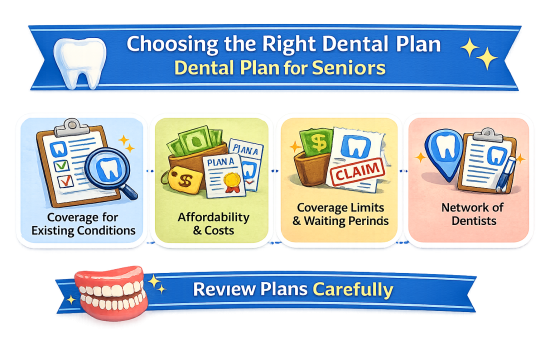
Locating the Right Plan for You
Finding the right dental plan involves understanding how geographical location impacts dental costs. The area you live in can significantly affect the affordability and availability of dental plans. Exploring location-based factors helps you compare costs using tools like a cost estimator, ensuring the right choice for your needs. From network differences to pricing, using location as a guide helps identify affordable plans tailored to your specific circumstances, whether you’re looking at dental plans from UnitedHealthcare or Cigna.
Using Location to Compare Dental Costs
Location plays a crucial role in determining the costs and availability of dental insurance plans. When you’re locating a dental plan, comparing dental costs based on geographical placement is essential to find the most affordable options. Areas with higher population density often offer a wider range of insurance dental plans due to the competitive market, which can lead to more affordable plans. Meanwhile, rural areas might see fewer options but may offer benefits like lower premiums due to local practitioners’ partnerships with insurers.
Using a cost estimator tool is an excellent way to compare costs and understand how your location impacts dental costs. This tool allows you to predict potential expenses for various treatments by considering the specific services available in your area. By entering your ZIP code, you can access estimates that help you plan financially, ensuring you select a plan that meets different needs without surprising out-of-pocket costs.
When comparing dental networks, it’s important to understand that each provider’s reach can vary significantly. A provider like Cigna might offer extensive networks in urban areas, leading to competitive rates and a wide selection of professionals. On the other hand, UnitedHealthcare branded dental plans might have stronger networks in rural regions, providing local access to essential dental services. Recognizing these network differences helps you select a plan that aligns with your preferred providers, save costs, and maximize benefits.
Another factor to consider is how location influences service accessibility, directly affecting your out-of-pocket costs. Living near larger metropolitan areas often means better access to in-network providers, minimizing additional expenses when using issue-specific treatments such as crowns or dentures. Urban regions typically offer more facilities that honor insurance agreements, ensuring you don’t pay more than necessary. Comparatively, less densely populated areas may lack certain specialized services, potentially increasing your dental insurance cost due to traveling or opting for out-of-network care.
Analyzing location-based factors also assists in recognizing discrepancies in plan prices and coverage levels. For instance, dental costs could vary dramatically between cities due to differing living costs or state-specific regulations. Consequently, a comprehensive understanding of these variances is crucial when comparing insurance dental prices. By evaluating location alongside network extent and estimated treatment costs, you can discover plans optimally suited to your budget and oral health aspirations.
In conclusion, leveraging location to make informed comparisons between dental plans ensures you find coverage that adapts to your circumstances, whether urban or rural. This strategic approach not only optimizes cost-effectiveness but also enhances your access to preferred services through effective network utilization. Use location-aware tools like cost estimators to navigate plan differences and ensure your chosen plan aligns with your needs without unexpected financial burdens.
Finding the right dental insurance means understanding what works best for your needs and budget. Consider the types of coverage offered, the costs, and factors like waiting periods and included services. Each plan is different, so it’s essential to compare options based on your unique situation. Many insurance providers offer a range of plans that help manage dental care expenses. To make an informed choice, review available options and match their benefits with your dental care requirements. Enter your ZIP code on our website to explore plans suited to your location and preferences, remembering costs and coverage vary.
Compare plans and enroll online
Frequently Asked Questions
What types of services does dental insurance typically cover?
Dental insurance generally covers preventive services, like regular check-ups and cleanings, basic treatments such as fillings and extractions, and sometimes major procedures like crowns and root canals. Coverage varies across plans, so it’s important to review each plan’s specifics.
What are common limitations in dental insurance plans?
Common limitations include annual benefit caps, which limit the amount an insurer will pay annually, and waiting periods for major treatments. Cosmetic procedures and specific pre-existing conditions may not be covered. It’s essential to understand these limitations when selecting a plan.
How can I evaluate different dental insurance providers?
Evaluate providers by reviewing their coverage options, costs, network of providers, and customer support quality. Reading reviews and speaking to representatives can help clarify any ambiguities, ensuring you make an informed choice.
What are the benefits of individual dental plans?
Individual dental plans offer more tailored coverage for personal needs, often with flexible premiums and benefits. These plans prioritize preventive care to help control long-term costs and allow more autonomy in choosing coverage options suitable for a single policyholder.
How does location affect dental insurance costs and availability?
Location impacts the costs and availability of dental plans due to varying competitive markets and insurance networks. Using ZIP code tools can help identify plans and costs specific to your area, ensuring the selected plan fits your needs and budget.
Find & Compare Plans Online
ZRN Health & Financial Services, LLC, a Texas limited liability company

Russell Noga is a Dental Insurance Educator who writes informational content focused on helping consumers understand dental insurance coverage, benefits, and common plan features. His work emphasizes clear explanations of preventive care, basic and major services, waiting periods, provider networks, and plan limitations. Content is reviewed periodically to ensure clarity and accuracy and is based on publicly available sources. Information may change over time as plan details, availability, and coverage options are updated.