Are you considering Delta Dental Insurance to help cover your dental needs? Understanding the cost, coverage options, and how it can support denture expenses is essential for making informed decisions. This webpage provides clear, senior-friendly insights into what Delta Dental Insurance offers, including services like preventive care, treatment for cavities, and tooth replacement options. With straightforward explanations and comparisons, we aim to empower adults ages 55–85 to explore dental insurance confidently, focusing on affordability and customized plans, and understanding if you can get dental insurance anytime of the year or not. Discover how Delta Dental can fit into your dental care strategy, supporting healthy, happy smiles.


Dental Insurance for Seniors
find affordable dental insurance





Delta Dental Insurance Coverage Dentures
Key Highlights
– Delta Dental Insurance provides flexible dental plans for various coverage needs, emphasizing preventive care with low or no costs for check-ups.
– Major dental services like dentures, crowns, and bridges often include coinsurance, making understanding plan details crucial to avoid unexpected costs.
– PPO plans offer more extensive dentist networks and flexibility, but usually have higher premiums and vary in coverage when in-network.
– Understanding plan details, including waiting periods for major services, ensures better planning and reduces unexpected expenses.
– Evaluating Delta Dental coverage options online based on your ZIP code helps find plans fitting your dental needs and budget effectively.
Compare plans and enroll online
Understanding Dental Insurance
Dental insurance can feel like a maze, but knowing its basics helps you navigate confidently. At its core, dental insurance involves having an insurance plan, like Delta Dental, designed to handle the costs of dental care. These plans offer coverage for routine check-ups and treatments to maintain good oral health. Understanding the different coverage levels, including basic coverage and major services, is crucial. You have dental benefits that aim to reduce the burden of dental expenses and ensure you receive the dental care you need. Let’s unravel what Delta Dental Insurance offers and the basics of dental coverage.
What Is Delta Dental Insurance?
Delta Dental Insurance stands out as one of the leading dental insurance providers in the United States, offering a range of dental plans to cater to various needs. With Delta Dental, you’re part of a broad network that provides ease and flexibility in accessing dental care. The insurance plan is structured to cover different tiers of dental services. Typically, you have dental benefits that include preventive services, like regular check-ups and cleanings, which often come at low or no cost. This aspect of Delta Dental underlines its commitment to promoting overall dental health by catching potential issues early, thereby avoiding more significant dental procedures down the line.
The plan categorizes services into different levels, with basic coverage often including essential dental services such as fillings and vital restorative work. For more significant concerns, Delta Dental’s major services coverage may assist with crowns, root canals, and other extensive procedures, although each plan may have variations. Understanding these categories can help maximize the benefits your plan offers. Delta Dental also provides the convenience of a massive network of partnered dentists, allowing you to choose a dentist with ease and confidence. It’s also worth noting that Delta Dental’s plans often include provisions for major dental procedures, making them attractive for those seeking extensive dental work or having specific dental care needs.
When considering Delta Dental, knowing the specifics of plan types such as PPO plans, is beneficial. These plans typically offer more dentist options and can have significant coverage variances depending on whether you stay in-network. This flexibility is often appreciated by seniors looking for quality dental care without the constraints of more restrictive plans. Delta Dental is designed to cater not only to everyday dental needs but also to provide substantial support for more complex dental issues, making it a comprehensive choice for many. Always reviewing your specific plan’s details will ensure that you take full advantage of the dental benefits available under Delta Dental Insurance.
The Basics of Dental Coverage
Diving into dental coverage basics, it’s essential to understand how coverage levels affect your out-of-pocket expenses and the scope of services you can access. An insurance plan through Delta Dental generally splits coverage into preventive, basic, and major service tiers. Preventive care is crucial because it emphasizes routine visits to the dentist, such as check-ups and oral cleanings aimed at keeping your teeth healthy and preventing more extensive issues in the future. Often, these services come fully covered under the insurance plan, meaning you can maintain dental health without facing additional costs.
The basic coverage typically encompasses necessary procedures like fillings, x-rays, and simple extractions. These fall under essential services that most dental insurance plans, including Delta Dental, aim to cover partially. Understanding how much coverage these basics receive in your specific plan is key, as it affects what you’ll pay at the dentist. Major services, on the other hand, usually involve more complex and costly procedures such as root canals, crowns, or oral surgery. Coverage for these services varies, so reviewing how your plan handles these is prudent to avoid unexpected bills.
Gaining a grasp on your coverage allows you to plan for any dental care needs without being blindsided by costs. Each Delta Dental plan may include distinct provisions, so consult your plan details for specific coverage and any potential waiting periods. These insights can help ensure you maximize your dental benefits while understanding any limitations. This understanding lets you address your oral health proactively without compromising your financial well-being. As you navigate your dental care journey, having an insurance plan that aligns with your needs provides peace of mind, allowing you to focus on maintaining a healthy smile.
Critical Aspects to Evaluate When Assessing Your Dental Coverage Plan:
- Look for plans that offer a high percentage of coverage on preventive care.
- Check if the basic coverage includes essential procedures like fillings and X-rays.
- Review how major services like root canals and crowns are covered under your plan.
- Investigate any waiting periods associated with specific dental procedures.
- Compare the out-of-pocket costs across different plan tiers.
- Assess the annual maximum coverage limit for your insurance plan.
- Ensure your preferred dental providers are within the plan’s network.
These points will guide you in optimizing your dental coverage to meet your personal health and financial needs effectively.
Exploring Delta Dental Plans
Delta Dental plans offer a variety of dental care options tailored to meet various personal needs and preferences. By understanding how these plans work, especially concerning different types of dental insurance plans, you can choose the coverage that best fits your situation. From the differences between PPO plans and other plan options to the specific workings of major coverage, each aspect of Delta Dental insurance comes with its unique benefits. Let’s delve into these components to help clarify how Delta Dental can support your dental health goals.
Differences Between PPO Plans and Others
Delta Dental’s PPO plans stand as a flexible choice for many looking to maximize their dental insurance benefits. These plans, part of Delta Dental’s wide-ranging offerings, often provide more extensive dentist network options compared to DHMO plans or indemnity plans. With a PPO plan, you’re not limited to seeing just in-network dentists, although sticking with them usually means lower out-of-pocket costs. A notable advantage of Delta Dental PPO plans is the balance they strike between flexibility and affordability with cost variations based on whether you choose in-network or out-of-network providers. This aspect makes them appealing to those who value a broader choice of dental care providers.
Another key point about Delta Dental’s PPO plans is how they typically cover a significant part of the costs for a range of services. Preventive care, like regular check-ups and cleanings, is often covered fully, which aligns with the plan’s goal of promoting good dental health. For basic coverage services such as fillings and necessary extractions, PPO plans usually provide substantial coverage, reducing the financial burden on the policyholder. When it comes to major dental services, crowns, root canals, or dentures, coverage is generally available, but the extent can vary by plan, highlighting the importance of reviewing coverage details before choosing a dentist or scheduling a procedure.
In contrast, other plan types, like DHMO plans, usually require members to select a primary care dentist and sometimes limit the choice of providers, but they might come with lower premiums. Delta Dental’s PPO plans avoid this restriction, offering more flexibility which can be particularly beneficial if your preferred dentist isn’t part of the narrower DHMO network. Understanding the nuances between these plan types can help you make informed decisions based on your preferences, budget, and dental care needs.
How Major Coverage Works
Major coverage is a critical component of any comprehensive dental insurance plan, and Delta Dental is no exception. This coverage tier focuses on more complex dental procedures that go beyond routine visits or basic fixes, addressing the substantial needs of many dental patients. Under Delta Dental plans, major coverage typically includes procedures like crowns, bridges, dentures, and sometimes even implants, though the specifics can vary significantly between different plans and regions.
The role of major coverage is to mitigate the financial impact of these often costly dental services. For example, if you’re considering getting a crown or bridge, having major coverage can significantly reduce the cost you’d otherwise pay out of pocket. However, it’s crucial to understand that while the insurance plan assists with costs, coverage levels can vary. Some plans might cover a large percentage of the costs, while others could cover less, depending on whether you use an in-network or out-of-network dentist. This variance underscores the importance of reading your insurance policy details or consulting with your provider to know what to expect.
An attractive aspect of Delta Dental’s approach to major coverage is the network’s extensive size. Being part of a large network means access to numerous dentists, potentially enabling you to find one that can perform necessary major procedures conveniently and affordably. However, it’s also essential to recognize that major services often have waiting periods; understanding these waits can prevent unexpected surprises when you need significant dental work. Thus, planning ahead and consulting both your plan’s specifics and your dentist can ensure that you navigate major dental care with confidence and clarity, avoiding any unforeseen expenses that might arise from misunderstandings about your benefits.

Cost Considerations with Delta Dental
Understanding the cost factors of Delta Dental insurance is pivotal for making informed decisions. These costs can vary depending on several factors, including the type of plan, coverage level, and whether you stay in-network. Delta Dental offers a range of plans, each with its own cost structure designed to fit different needs and budgets. Knowing what to expect in terms of dental insurance costs helps you assess the affordability of both routine treatments and more extensive procedures like dentures. Let’s break down these costs across different Delta Dental plans, focusing on overall expenses and specific costs related to dentures.
Breaking Down the Costs of Dental Plans
When evaluating the cost of Delta Dental plans, it’s essential to look beyond just the monthly premiums. While premiums are a significant component of dental insurance costs, out-of-pocket expenses also play a crucial role in determining the overall burden. Typically, Delta Dental insurance plans require copayments for various treatments. These copays vary depending on the coverage type and whether services are rendered by in-network versus out-of-network dentists within the Delta Dental network.
Using a cost estimator can provide a clearer picture of what expenses to expect. Delta Dental’s cost estimator tool helps break down potential costs for dental treatments under your specific plan, comparing in-network and out-of-network charges. This tool is particularly useful because it takes into account different plans’ coverage levels. Often, preventive services like cleanings and exams have low to no out-of-pocket costs. Basic treatments, such as fillings, might be partially covered, reducing your total expense. Meanwhile, major treatments typically incur higher out-of-pocket costs, even with coverage. It’s important to remember that your dentist’s fees and any additional services can further influence costs, highlighting the importance of clarity before undergoing treatment.
Plan selection is critical in managing costs effectively. Many Delta Dental participants prefer PPO plans due to their flexible coverage and broad network of dentists. These plans offer balance by often covering a significant portion of both preventive and necessary treatments, although they may come with higher premiums than other plan types like DHMOs. For those prioritizing low premiums, staying in-network is key as it minimizes copays and other charges. Evaluating each plan’s benefits side-by-side with your dental care needs ensures you choose coverage that aligns with both your healthcare priorities and financial situation.
Cost of Dentures Under Different Plans
Dentures are one of the major dental expenses where understanding your insurance plan’s coverage is crucial. With Delta Dental, the cost and coverage for dentures can vary significantly based on the type of plan and coverage limits. Those contemplating dentures should initially consult the cost estimator for an overview of expected costs within their chosen plan. Dentures typically fall under the major services category, meaning they can incur higher out-of-pocket expenses compared to preventive or basic services.
Under many Delta Dental plans, major services, including dentures, are partially covered. The extent of coverage often depends on whether you stay within the Delta Dental network. Using an in-network dentist usually results in lower costs, as these dentists have pre-negotiated rates with Delta Dental. Out-of-network dentures might be covered at a lower percentage, or perhaps not at all, depending on your specific insurance plan. Understanding these nuances helps prevent unexpected dental bills.
Most Delta Dental PPO plans require a coinsurance payment for dentures, which means you pay a portion of the cost, with insurance covering the remainder. Some plans might also have deductibles that need to be met before coverage kicks in, which is vital to factor into your budgeting. It’s also common for there to be a waiting period before you can access coverage for dentures, often ranging from several months to a year. By reviewing these details in advance, you can schedule restorative treatments more strategically and utilize your benefits fully without surprises. Explore your plan thoroughly to understand the specific coverage limits and discuss with your preferred in-network dentist to get a precise estimate of what you’ll owe.
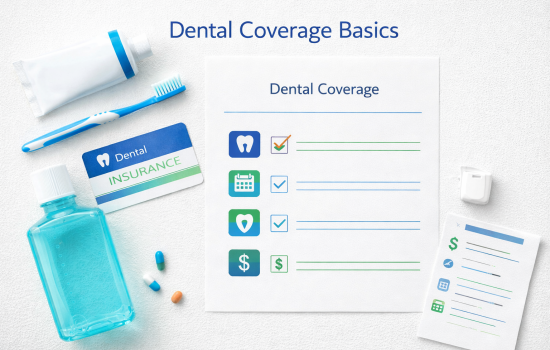
Dental Coverage for Dentures
Understanding dental coverage for dentures is key for anyone considering this restorative option. Delta Dental’s plans cater to these needs with varying coverage levels and costs, making it important to grasp what’s included before making decisions. Many wonder if dental insurance, such as that offered by Delta Dental, covers the entirety of denture costs or just a portion. It’s also crucial to navigate the complexities of network dentists and the specific limitations that come with each plan. This section explores whether dentures are covered and breaks down the associated costs and coverage limitations, ensuring you’re well-prepared.
Are Dentures Covered?
When it comes to dental insurance, the question of whether dentures are covered is common, especially as they represent a significant investment in dental care. Delta Dental insurance typically includes dentures under its major services category. This means that while dentures are generally covered, the extent of that coverage can vary based on your specific plan and whether you use in-network dentists. Most Delta Dental plans offer some level of coverage for both complete and partial dentures. However, it’s important to check the specifics of your insurance plan to understand the exact amount that will be covered and what you might need to pay out of pocket.
Dentures often fall under major dental services, which have different coverage levels compared to preventive or basic care. In Delta Dental plans, major procedures like dentures typically come with coinsurance, where you pay a percentage of the cost, and the insurance covers the rest. For Delta Dental’s PPO plans, staying within their network substantially reduces the costs due to negotiated rates with in-network dentists. Avoiding out-of-network dentists can prevent surprise bills, making it vital to consult the Delta Dental network when planning for dentures.
Moreover, understanding the distinctions between complete and partial dentures within your policy can prevent unnecessary expenses. Partial dentures may be covered differently than full dentures, so it’s essential to review your plan’s details thoroughly and consult with your dentist. Waiting periods also often apply for major services like dentures. During this time, coverage might be limited, so planning ahead is crucial to avoid delays or unexpected costs. Having a clear understanding of what your plan covers ensures that you can make informed decisions about your dental care, reducing stress and enhancing confidence in dealing with major dental services.
| Coverage Aspect | Details | Considerations | Plan Implications |
|---|---|---|---|
| Medicare Coverage | Medicare does not typically cover dentures. | Beneficiaries may need supplementary plans. | Consider alternatives or additional private insurance. |
| Dental Insurance Plans | Some private insurers offer partial denture coverage. | Review different plans for coverage levels. | Assess plan compatibility with dental needs and budget. |
| Cost Sharing | Plans might require coinsurance or copayments. | Understand out-of-pocket expenses. | Budget for these costs in annual healthcare planning. |
| Network Limitations | Coverage may be restricted to in-network providers. | Check provider network for participating dentists. | Select plans that include preferred dental care professionals. |
This table outlines the essential factors to consider when navigating dental coverage for dentures, aiding in informed decision-making concerning major dental services.
Find & Compare Plans Online
Understanding the Costs and Limitations
Grasping the costs and limitations of dentures within Delta Dental insurance is essential to avoid unforeseen expenses. Delta Dental’s coverage for dentures falls under its major services, and understanding the associated costs can save time and money. Generally, Delta Dental plans cover a portion of the costs for dentures, but this percentage varies based on the plan’s specifics and whether you use an in-network dentist. Utilizing a cost estimator is a recommended first step to gauge your potential out-of-pocket expenses, especially since denture costs can vary widely depending on individual needs and dental provider rates.
The cost of dentures through Delta Dental can involve several components, including coinsurance and deductibles. Coinsurance means you’ll pay a percentage of the treatment cost, as specified by your plan, once any deductible is met. Therefore, if you’re considering dentures, reviewing your plan’s deductible and coinsurance rates is vital to budgeting accordingly. Delta Dental PPO plans often offer more comprehensive coverage, but with that comes higher premiums. Those considering dentures should weigh these costs against the benefits of staying in-network, where reduced rates apply due to pre-negotiated agreements with participating dentists.
Another consideration is the potential waiting period for denture coverage to become active under your plan. Many Delta Dental plans institute waiting periods for major services to prevent immediate utilization right after enrollment. These waiting periods can range from several months to a year, meaning planning your dental work in advance is key. If you’re in need of dentures sooner, understanding and planning for these waiting periods can prevent undue stress and ensure that you’re making the most out of your dental benefits. By thoroughly reviewing your plan and consulting with your dentist, you can avoid unexpected costs and make confident decisions about your dental health. Remember to discuss all options with your dental provider to get a precise estimate of what will be owed, factoring in all cost components.
Understanding how Delta Dental Insurance works can help you make informed choices about dental coverage for dentures and other needs. Each plan varies in coverage and cost, depending on your location. By entering your ZIP code on our website, you can explore options available in your area. Consider what services you prioritize, like denture coverage, before selecting a plan. Costs can vary, so evaluating different options will allow you to find the coverage that best fits your needs and budget. Explore confidently and discover the dental insurance plan that aligns with your priorities today.
Compare plans and enroll online
Frequently Asked Questions
What types of dental services does Delta Dental Insurance cover?
Delta Dental Insurance generally covers preventive, basic, and major dental services. Preventive services often include regular check-ups and cleanings at low or no cost to promote overall dental health. Basic services might cover necessary procedures like fillings and extractions, while major services generally include more complex treatments such as crowns, bridges, and dentures.
How can I estimate the costs associated with Delta Dental plans?
Delta Dental offers a cost estimator tool to help you understand potential expenses for treatments under your specific plan. This includes estimates of copayments and coinsurance for in-network versus out-of-network services. It’s an effective way to gauge overall costs, taking into account premiums, deductibles, and coverage levels.
Does Delta Dental Insurance provide coverage for dentures?
Yes, dentures are typically covered under Delta Dental’s major services category, although coverage specifics can vary based on your plan type. It’s important to review your plan details to understand the extent of coverage offered for both complete and partial dentures and any out-of-pocket costs you might incur.
What should I consider when choosing between PPO and DHMO plans from Delta Dental?
PPO plans provide flexibility with a larger network of dentists, allowing both in-network and out-of-network visits, often at higher premiums. DHMO plans may require selecting a primary care dentist and offer lower premiums, but with a more limited choice of providers. Your decision should consider your budget, preferred dentists, and specific dental care needs.
Are there any waiting periods for major services like dentures in Delta Dental Plans?
Yes, many Delta Dental plans have waiting periods for major services including dentures. This period can range from several months to a year. Planning for these waiting periods is crucial to align your treatment schedule and financial planning with your dental coverage benefits.
Find & Compare Plans Online
ZRN Health & Financial Services, LLC, a Texas limited liability company

Russell Noga is a Dental Insurance Educator who writes informational content focused on helping consumers understand dental insurance coverage, benefits, and common plan features. His work emphasizes clear explanations of preventive care, basic and major services, waiting periods, provider networks, and plan limitations. Content is reviewed periodically to ensure clarity and accuracy and is based on publicly available sources. Information may change over time as plan details, availability, and coverage options are updated.