Dental Insurance for Seniors on Medicare 2027

Understanding healthcare options can feel overwhelming, especially for dental insurance for seniors on Medicare. Navigating different plans and coverage possibilities doesn’t have to be difficult.

This guide aims to simplify the process, providing clear, practical information. From routine check-ups to more complex dental needs, learn how seniors can find suitable dental insurance options.

Discover how to explore comprehensive plans tailored for various dental services and understand the complementary role these plans can play alongside Medicare.

Feel confident about making informed decisions that suit your needs and budget.

Key Highlights

  • Dental insurance is vital for seniors to access necessary care and prevent costly issues.
  • Common coverage types include PPOs, HMOs, and standalone plans, each with unique benefits.
  • Medicare usually doesn’t cover routine dental services, making additional plans necessary.
  • Comparing plans involves evaluating coverage, costs, waiting periods, and provider networks.
  • Selecting the right plan requires assessing coverage flexibility, costs, and dentist choice.
more and more seniors are enrolling in dental insurance plans to protect their teeth and health

Understanding Dental Insurance for Seniors

Dental insurance is crucial for seniors to maintain oral health as they age, ensuring access to necessary dental care and preventing costly issues down the road. With various types of dental plans available, understanding the options can help seniors and their caregivers make informed decisions about dental coverage.

This section covers why dental insurance is important for seniors and explores the common types of dental coverage. Knowing the differences helps individuals choose plans that meet their health needs and financial situations.

Why Dental Insurance is Important

Dental insurance plays a vital role in helping seniors maintain their oral health, which is essential for overall well-being. As individuals age, they often face increased dental challenges, such as gum disease, tooth decay, and the need for tooth replacement like dentures or implants.

Regular dental care, including preventive services, helps reduce these risks. Unfortunately, many basic Medicare plans don’t cover routine dental services, making dental insurance a key component of comprehensive senior health care.

Coverage typically includes preventive services like cleanings and exams, essential for catching issues early. It can also lower costs for more extensive treatments such as fillings, crowns, or periodontal care.

This reduction in out-of-pocket expenses makes dental insurance a sensible choice for seniors. Additionally, dental insurance often helps prevent neglect of oral health due to cost concerns.

By having coverage, seniors are more likely to visit the dentist regularly, leading to early detection of potential issues and avoiding more expensive treatments down the line.

Dental insurance serves as a financial safety net for unexpected dental care needs. The costs associated with dental procedures can be significant without insurance. For seniors on fixed incomes, standalone dental plans or supplemental plans that complement Medicare may be ideal solutions.

By choosing a dental plan that fits their budget and needs, seniors can access the benefits of dental coverage while managing their healthcare expenditures effectively. Therefore, understanding dental insurance is crucial in planning for a healthy future, ensuring seniors can smile confidently with appropriate care and coverage.

Find Dental insurance plans

Common Types of Dental Coverage

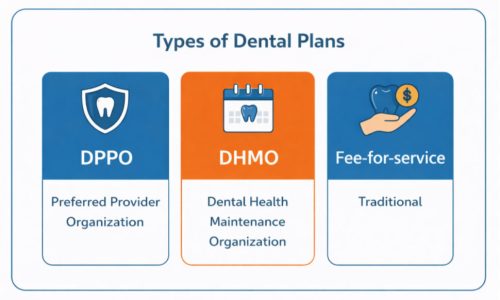
When seniors explore dental insurance options, they usually encounter several types of dental coverage. The most prevalent plans include PPOs, HMOs, and standalone dental plans.

Each type of plan offers different benefits and coverage structures. Understanding these can help seniors select the best option for their dental care needs.

PPO, or Preferred Provider Organization plans, provide flexibility in choosing a dentist. They offer a network of preferred providers but also allow visits to dentists outside the network, usually at a higher cost.

This type of plan is beneficial for those who desire freedom in selecting their dental care provider while enjoying reduced rates within the network.

HMO, or Health Maintenance Organization plans, tend to cost less but come with more restrictions. These plans require members to choose a primary dentist from the plan’s network and use only network providers for their dental care. While they are typically more affordable, seniors should consider whether the network includes their preferred dentists.

Standalone dental plans are specifically designed to offer coverage without being part of a broader health insurance package. These plans are ideal for seniors who need dental coverage beyond what Medicare provides.

Supplemental plans also exist to fill in the gaps left by Medicare, offering additional coverage for services not fully covered by Medicare.

Understanding these options helps seniors find a suitable plan that balances cost, coverage, and provider choice. Before enrolling, it’s wise for seniors to compare different dental plans, evaluating factors such as dental benefits, coverage limits, and copays.

This careful consideration ensures the dental plan they choose provides not only peace of mind but also comprehensive coverage for their dental care needs.

different types of medicare dental plans available to seniors

Dental Coverage Options for Seniors on Medicare

Seniors on Medicare seeking dental coverage have various options to ensure their oral health needs are met. While basic Medicare often doesn’t include routine dental care, there are alternatives available to round out healthcare coverage.

By exploring what Medicare covers and the additional options, seniors can uncover suitable plans that address their unique dental needs. This section delves into understanding Medicare’s dental coverage limitations and explores standalone and supplemental dental plans designed to bridge these gaps.

What Medicare Covers for Dental Services

Original Medicare, which includes Medicare Part A and Part B, typically does not cover most routine dental services. This means that services like cleanings, fillings, and dentures usually aren’t covered.

However, there are certain situations where Medicare may extend coverage for dental procedures. For instance, if a dental procedure is deemed medically necessary because of another health issue, such as before heart surgery, Medicare could cover some costs.

Understanding these specifics can help seniors navigate their dental care needs more effectively. Additionally, some Medicare Advantage plans, also known as Medicare Part C, can offer dental coverage options. These plans, provided by private insurance companies, often include dental, vision, and hearing services as part of their package.

By selecting a Medicare Advantage plan, seniors can potentially access routine dental care, which original Medicare lacks. Each Medicare Advantage plan varies by provider; thus, it’s essential to compare plans to see what dental services are covered, along with any associated costs.

To access the best plan for dental care, seniors should assess not only the covered services but also the total cost implications. Evaluating premiums, copayments, and potential deductibles in Medicare Advantage plans is crucial to managing expenses effectively.

Consulting with a knowledgeable advisor can also be beneficial for understanding how these plans relate to individual dental health needs.

Find & Compare Plans Online

Speak with a licensed insurance agent

1-855-425-2095TTY 711

Mon-Fri: 8am-9pm ET

Standalone Dental Plans and Supplemental Plans

For seniors looking beyond what Medicare and Medicare Advantage offer, standalone dental plans and supplemental plans can be valuable options. Standalone dental insurance plans can cater specifically to the routine and specialized dental care needs not typically covered under Medicare.

These plans are usually purchased through private insurance companies and provide flexibility for individuals seeking tailored coverage. Costs in these plans can vary, but they often cover preventive services like exams and cleanings, and they typically offer lower out-of-pocket expenses for procedures.

Comparing such plans involves reviewing what services each plan covers, including major services like crowns, bridges, and oral surgery. Supplemental plans work to supplement original Medicare’s limitations, providing additional coverage that fills in gaps left by Medicare. This includes various dental procedures, offering more comprehensive protection for dental health.

Seniors who choose supplemental plans should consider the balance between premiums and out-of-pocket costs to assess financial feasibility. It’s also worth noting that standalone and supplemental plans might have waiting periods, during which certain services are not covered.

Understanding these waiting periods is important to assess the timing of needed treatments. A clear evaluation of these options, regarding costs and services offered, will help seniors select the best plan that complements their Medicare coverage.

Ultimately, taking the time to research and compare will empower seniors to make informed decisions that enhance their overall dental health coverage.

Comparing Different Dental Plans for Seniors

When it comes to finding the right dental insurance, seniors have several options to choose from. It’s important to understand how these dental plans differ in terms of coverage, costs, and benefits, especially when paired with Medicare.

Evaluating the specifics of each plan helps seniors make informed decisions that fit their individual needs and budget. This section delves into the key factors like evaluating coverage and costs, as well as understanding waiting periods and limitations that come with these plans.

ppo and hmo dental insurance plans

Evaluating Coverage and Costs

When assessing dental plans, coverage and cost are primary considerations. Dental coverage can vary significantly based on the type of dental plan and the insurance company offering it. Typically, dental plans include coverage for preventive services such as cleanings and exams, but the amount of coverage for more complex dental procedures can differ.

Dental policies may cover a percentage of basic and major treatments, leaving the rest to be paid by the insured. Understanding the cost structure is crucial because not all dental plans price these services identically.

It’s important to compare the percentages covered for various procedures and evaluate any caps on the maximum amount the policy will pay annually. This ensures members know their financial responsibility and can plan accordingly.

To evaluate costs, look at the premium, deductible, and potential co-pays. The premium is the monthly amount paid to maintain coverage, while the deductible is the amount you must pay out-of-pocket before the insurance kicks in.

Co-pays are flat fees paid when receiving services. It’s essential to factor these into the overall cost evaluation. Seniors should also anticipate potential additional costs for procedures not covered by their chosen dental plan.

Comparing these elements across different plans can help identify which offers the most affordable coverage without sacrificing necessary benefits. Use these insights to determine how a plan’s overall cost aligns with your budget.

To extend the discussion on evaluating coverage and costs, consider these essential tips for comparing dental plans:

  • Examine if preventive care is fully covered without extra charges.
  • Check for variations in coverage percentages for basic versus major procedures.
  • Review annual maximum payout limits to avoid unexpected expenses.
  • Understand how the deductible impacts total out-of-pocket costs.
  • Consider co-pay amounts for routine and specialized dental services.
  • Investigate any additional fees for procedures not included in the standard plan.
  • Compare premium rates relative to the coverage levels provided.

These insights can aid in choosing a plan that aligns best with your financial and dental care needs.

Find Dental insurance plans

Understanding Waiting Periods and Limitations

Many dental plans include a waiting period before specific services are covered. This is the time between when you start your policy and when you can use certain benefits. Waiting periods commonly apply to more expensive treatments like crowns, root canals, or dentures.

Understanding these limitations is vital as they affect when you can fully utilize your dental coverage. Knowing the waiting period upfront allows you to plan dental work accordingly, preventing unexpected costs or delays in care. It’s also essential to check if emergencies incur an extended waiting period.

Some insurance companies might waive waiting periods for previously insured seniors, making it crucial to inquire when comparing plans.

Limitations in dental coverage often exist, even beyond waiting periods. These might include network restrictions where the dental plan only covers services from specific dentists, or might not cover certain procedures at all.

It’s wise to review what procedures are covered and any possible restrictions on provider choice, as these can impact your ability to receive care from your preferred dentist. Examining the plan’s exclusions helps to understand what isn’t covered, ensuring transparency and avoiding unexpected expenses.

Since Medicare plans might not cover some dental expenses, it’s key to see how standalone or supplemental dental plans can bridge these gaps effectively.

By considering both waiting periods and limitations thoroughly, seniors can make informed decisions on which dental plan aligns best with their needs. This approach not only aids in anticipating costs but also in ensuring accepted coverage matches personal dental health requirements.

Remember to consult all available resources to fully explore dental insurance plans tailored to complement Medicare, providing a safety net for comprehensive oral health care.

learn about dental insurance waiting periods

Choosing the Right Dental Plan for Your Needs

Choosing a dental plan requires thoughtful consideration, especially for seniors navigating different options that align with Medicare. The right plan safeguards your dental health and fits your financial and health needs. Understanding key factors, such as coverage limits, costs, and plan types, helps in making informed decisions.

Whether you’re comparing standalone dental plans or those supplementing Medicare Advantage, evaluating these elements ensures comprehensive coverage. Let’s delve into the factors to consider when selecting a plan that complements your healthcare needs.

Factors to Consider When Selecting a Plan

When selecting a dental plan, several critical factors help in determining the best fit for your needs. Coverage flexibility is essential, especially considering whether the plan is a standalone dental insurance policy or a supplement to Medicare Advantage.

Standalone dental plans are often perfect for those who need coverage outside what original Medicare offers. In contrast, Medicare Advantage plans might include dental benefits as part of the package. Examining these options provides clarity on what’s covered, from routine cleanings to major services like crowns or dentures.

Cost is another significant factor. Seniors should evaluate the premiums, deductibles, and co-pays associated with each plan. Some plans may offer lower premiums but have higher deductibles and out-of-pocket costs for certain services.

Contrastingly, plans with higher premiums may cover a larger portion of expenses for more extensive procedures. Understanding this balance is crucial, especially if you’re on a fixed income. Carefully consider what you can afford monthly and what you potentially could pay for unexpected dental needs.

Coverage details and limitations should also be examined closely. Many insurance companies impose waiting periods on certain treatments, which can affect when you can receive essential care.

Additionally, some plans may have exclusions for services, meaning not all procedures you think are covered will be included. It’s vital to check specifics like network restrictions, which dictate where you can receive treatment without incurring additional costs.

Another crucial aspect is provider flexibility. Does the plan allow you to choose any dentist, or must you select from a network? PPO plans typically offer more flexibility, possibly at a higher cost, whereas HMO plans might limit your dentist choices but are generally more affordable. If retaining your current dentist is important, ensure they’re within the plan’s network to avoid unexpected costs.

Consideration of all these factors equips you to find a dental plan that doesn’t just save money but also offers the needed coverage. Research thoroughly to find plans that complement Medicare and fit your personal health needs, allowing for confident and informed decision-making.

Remember, this process is about ensuring your dental care is covered in a way that aligns with both your healthcare requirements and financial capacity. To explore options that align with these considerations, enter your ZIP code on our site for specific choices in your area tailored to senior needs.

Finding the right dental insurance on Medicare can feel overwhelming, but understanding your options is a great start. Whether you’re looking for preventive care, coverage for treatments like crowns, fillings, or dentures, exploring various plans helps ensure you choose one that fits your needs.

Remember, costs and coverage can differ based on your location and provider. To make comparison easy, enter your ZIP code on our site. This offers a simple, personalized way to see available plans in your area. Taking this step can help you confidently navigate the choices and find suitable dental coverage.

Frequently Asked Questions

Does Medicare cover dental insurance for seniors?

Original Medicare (Part A and Part B) generally does not cover routine dental care such as cleanings, fillings, crowns, or dentures. However, some Medicare Advantage (Part C) plans may include dental benefits, and seniors can also purchase separate, standalone dental insurance plans to help cover these services.


What dental insurance options are available for seniors on Medicare?

Seniors on Medicare can choose from several dental coverage options, including Medicare Advantage plans with built-in dental benefits, standalone dental insurance plans, dental discount programs, or employer/retiree-sponsored coverage. Each option varies in cost, coverage limits, and provider networks.


Is dental insurance worth it for seniors on Medicare?

Dental insurance can be worth it for seniors who expect routine cleanings, exams, or more extensive dental work. Plans can help reduce out-of-pocket costs for preventive care and certain procedures, but it’s important to compare premiums, waiting periods, annual maximums, and coverage exclusions before enrolling.


How much does dental insurance for seniors typically cost?

The cost of dental insurance for seniors varies depending on the type of plan and level of coverage. Monthly premiums commonly range from lower-cost basic plans to higher-priced plans with broader benefits, while out-of-pocket costs may include deductibles, copayments, and annual coverage limits.

Have Questions?

Speak with a licensed insurance agent

1-855-425-2095

TTY users 711

Mon-Fri: 8am-9pm ET

Find & Compare Plans Online

Speak with a licensed insurance agent

1-855-425-2095TTY 711

Mon-Fri: 8am-9pm ET

ZRN Health & Financial Services, LLC, a Texas limited liability company