Understanding if bone graft procedures are included in dental insurance can ease many concerns, especially for older adults considering dental treatments. This page aims to explain how insurance coverage for bone grafts might differ between dental and medical plans. We’ll explore what these procedures typically involve and how insurance providers might categorize them. Knowing these details can help you make informed decisions. We’ll also provide insights into how plans vary based on specific conditions and location, all to support you in navigating your options. Enter your ZIP code to explore various insurance possibilities near you.


Dental Insurance for Seniors
find affordable dental insurance





Is Bone Graft Covered by Dental Insurance?
Key Highlights
- Bone grafting enhances dental procedures by strengthening jawbones.
- Dental insurance often limits coverage for major procedures like bone grafts.
- Medical insurance may cover bone grafts if deemed medically necessary.
- Costs for bone grafting can vary greatly; financial planning is crucial.
- Consult dental and medical providers to explore all coverage options.
Compare plans and enroll online
Understanding Bone Grafting and Its Purpose
Bone grafting is a vital procedure in dentistry that you may need to be familiar with, especially if you’re considering dental implants. This process involves adding bone or bone-like material to the jaw to provide a strong foundation for future dental work. People who don’t have enough bone in their jaws may require this to ensure successful implants or to address other periodontal needs. As we explore bone grafting, you’ll learn what it’s all about and the common reasons why a dentist might recommend it.
| Aspect | Description | Purpose | Common Sources |
|---|---|---|---|
| Procedure | The surgical method of adding bone or bone-like material to the jaw. | To provide structural support for dental implants and enhance oral health. | Autografts, Allografts, Xenografts, Synthetic materials |
| Grafting Materials | Materials used in the bone grafting process to facilitate bone regeneration. | To act as a scaffold or substitute for new bone growth. | Natural bone, Processed bone, Biocompatible synthetics |
| Common Applications | Typical scenarios in which bone grafting is employed in dentistry. | To rectify bone loss, aid implant stability, and improve jaw structure. | Periodontal treatments, Implantology, Jaw reconstructive surgery |
This table highlights the fundamental aspects of bone grafting, showcasing its role in dental health and restorative procedures.
What is Bone Grafting in Dentistry?
Bone grafting in dentistry is a procedure where bone is added to the patient’s jaw. This is often required before getting dental implants if the existing bone isn’t sufficient to support the implant securely. Bone grafts can be made from different sources, such as your own bone, donor bone, or even synthetic materials designed to mimic bone structure. When you have a dental bone graft, your dentist places these materials where your bone needs reinforcement, promoting new bone growth. The process essentially regenerates lost bone and can be crucial for those who have suffered bone loss due to periodontal disease or tooth extraction.
In periodontics, bone grafting is not just reserved for implants but is also used to combat gum disease, which can erode the bone supporting your teeth. By reinforcing the bone, patients can often retain their natural teeth longer or make dental implant placement more predictable and stable. One essential aspect of bone grafting is the period before the actual dental implant, where the graft is allowed to heal and fuse with the existing bone, offering a solid base for any future dental care. Furthermore, dentists use this method to prevent significant oral health issues and restore a patient’s smile by providing the necessary support structure for teeth, whether natural or replacement.
If you’re considering this type of dentistry, it’s important to discuss with your dentist what kind of graft would be most appropriate for your needs. Consultations can help clarify the benefits of using natural versus synthetic materials and what you can expect during the recovery phase. While a bone graft might sound intimidating, modern techniques and materials have made this an accessible and common practice in dental care, ultimately aimed at ensuring long-term success for various procedures, especially dental implants.
Common Reasons for Bone Grafts
There are several reasons why a dentist might recommend bone grafts, ranging from oral health issues to preparing for dental implants. One of the most common reasons is the loss of bone density, a condition that frequently occurs after tooth loss. When you lose a tooth, the bone beneath it can begin to deteriorate because it loses the stimulation that the tooth root provides. Over time, this can result in significant bone loss, impacting the structure of the jaw and the function of nearby teeth. Bone grafts help mitigate this loss by providing a structure upon which new bone can grow.
Another major reason for bone grafting is periodontal disease, which can cause bones to weaken and recede. In periodontics, this loss of bone can have serious consequences, potentially resulting in loose teeth or even tooth loss. By performing a bone graft, the dentist aims to restore or enhance the bone structure that has been compromised by disease, which can stabilize teeth and improve overall oral health. Periodontics often recommends bone grafts in cases where aggressive gum disease has left the bone thin and fragile, thereby extending the life of natural teeth and enhancing the success rate of further treatments.
A bone graft might also be considered for patients planning to get dental implants, but who currently lack the necessary bone volume in their jaw. Dental implants rely on solid bone to anchor securely into the jaw, and without a sufficient base, implants may not be a viable option. Bone grafts can build up the bone to a level where implants become feasible, making it a crucial step in the overall dental treatment plan. Whether for implants or to combat the effects of periodontal disease, bone grafting serves as an essential tool in ensuring comprehensive care, helping patients maintain or restore their oral health efficiently.

Dental Insurance and Bone Graft Coverage
Navigating dental insurance can be tricky, especially when it comes to understanding what’s covered for procedures like bone grafts. Bone grafting is considered a major procedure, and coverage can vary greatly among dental plans. Dental insurance generally focuses on routine care and preventive services, but coverage for complex treatments, like bone grafts, may be limited. Understanding what your dental plan offers and its limitations can help you prepare for potential out-of-pocket costs. This section will guide you through what might be covered and the common restrictions you could encounter.
What Dental Plans May Cover
When considering bone grafts, it’s important to know that coverage can differ significantly between dental plans. Dental insurance typically provides for preventive care, like cleanings and X-rays, but major procedures such as bone grafting often come with more restrictions. Some dental plans might offer partial coverage for bone grafts if they are deemed medically necessary, such as in cases where they are essential for dental implants. However, it’s common for dental insurance to offer limited support for such major procedures, and coverage is often contingent upon meeting specific criteria established by the insurer.
Many dental plans categorize bone grafts under their major procedures bracket, which usually means higher out-of-pocket costs even when some level of coverage is provided. Plans may cover bone grafts as part of a dental implant process, especially if the implants are needed to replace teeth lost due to accidents. However, if the grafting is purely for cosmetic reasons or deemed elective by the insurance company, you might find that dental insurance doesn’t cover bone grafting. Always check the specific terms of your dental insurance policy and discuss with your insurer to understand how much they’ll pay for such procedures.
An important tip is to explore dental plans that include an allowance for major procedures or have a higher claim limit. These plans might offer better support for services like grafting, although they generally come with higher premiums. Understanding whether your insurance covers bone grafts requires scrutinizing the plan details and often engaging with your insurance provider to clarify your eligibility for such services. Reviewing your dental insurance policy can arm you with the knowledge needed to make well-informed decisions and prevent unexpected costs from impacting your budget.
To further guide your decision-making regarding dental insurance that may cover bone grafts, consider these key factors:
- Review if the plan includes major procedures under its coverage.
- Examine waiting periods associated with major dental work.
- Determine the limits set for claim amounts on significant dental procedures.
- Check if the plan has exclusions for certain types of bone grafts.
- Assess whether the plan categorizes bone grafts as medically necessary or elective.
- Investigate any additional costs that might be incurred beyond basic coverage.
- Contact customer support for clarification on specific coverage details.
Evaluating these aspects will help you choose a plan that aligns with your dental needs and financial considerations.
Limitations in Dental Coverage for Grafts
Dental insurance policies often come with notable limitations that can impact coverage for bone grafting. Understanding these limitations is crucial, as they can affect your financial planning. Most dental insurance plans impose annual maximum limits, which is a cap on what the insurer will pay in a year. If your bone grafting falls under major procedures, reaching this limit could happen quickly, leaving you responsible for additional costs. For instance, if your plan has a $1,500 cap and your grafting needs exceed this, you’d have to cover the balance out of pocket.
Another limitation involves waiting periods. Some dental plans have specified waiting periods before coverage for major procedures kicks in, including bone grafting. Such periods can last several months to over a year, meaning you’ll have to wait to access coverage unless an exemption applies based on the nature of the procedure. Additionally, plans might exclude bone grafts if they are for pre-existing conditions, treating them instead as elective unless proven necessary for rehabilitative or restorative purposes.
Coverage often hinges on the insurer’s determination of medical necessity. This means that if a bone graft is deemed not essential by the plan criteria, you might face denial of claims. Moreover, the choice of provider can influence coverage since out-of-network dentists could lead to significantly higher costs, given the reduced or absent reimbursement rates by your dental insurance. Checking whether your chosen dental provider aligns with your insurance plan can protect you from unexpected expense hikes. Being proactive in understanding these limitations helps in effectively negotiating and planning your care for bone graft procedures.
Find & Compare Plans Online
Exploring Medical Insurance for Bone Grafting
Understanding how medical insurance can play a role in covering bone grafting is essential when planning for such dental procedures. While dental insurance often leans towards preventive care, medical insurance might come into play, especially under specific circumstances that categorize a bone graft as medically necessary. This section breaks down when medical insurance might cover a bone graft and how it differs from dental insurance, providing clarity on the often-complex coverage landscape. Knowing the differences between these insurances can make navigating your options much easier.
When Medical Insurance Might Help
You might wonder when medical insurance will step in for bone grafting. Typically, medical insurance covers procedures deemed medically necessary. This means if the bone graft is required due to a medical condition beyond common dental needs, your medical insurance might foot the bill. For example, if a bone graft is necessary to repair facial trauma or solve health issues stemming from congenital defects, it might be covered by your medical insurance. It’s crucial to provide thorough documentation and justification for this necessity when seeking approval from your insurance provider.
While your dental insurance coverage typically focuses on routine care, such as cleanings and minor procedures, medical insurance is more inclined to cover treatments that have a broader impact on your health. You might need to consult with both your dental and medical providers and possibly submit claims to your medical insurance for specific parts of the bone grafting process. This scenario is particularly true if the grafting impacts your general health, such as preventing infections or significant bone deterioration.
Medical insurers often require a detailed explanation of benefits and a letter of medical necessity from your provider, delineating why the procedure can’t be postponed and what health benefits it imparts. As the procedure might be considered part of overall health-oriented treatments, billing might move through your medical insurance instead of your dental plan. Therefore, reviewing your policy details and talking directly with your insurance company can clarify potential coverage. Such steps ensure that you’re prepared financially and understand the support your medical insurance might offer.
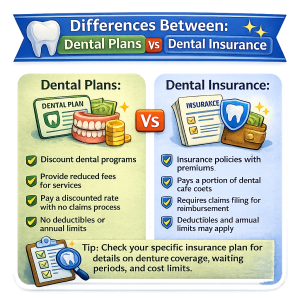
Differences Between Medical and Dental Plans
When considering bone graft coverage, recognizing the fundamental differences between medical and dental plans is key. Dental plans often have lower premium costs but may come with higher out-of-pocket expenses for major procedures. They’re structured to handle routine dental maintenance – think cleanings and exams. However, when you require complex work, such as a bone graft, their limits become evident. Dental insurance might offer some coverage if the procedure is linked with an essential service, like preparing for dental implants, but even then, what they cover may be partial and capped.
Comparatively, medical insurance, while broader in its scope and potentially pricier, often encompasses treatments necessary for overall health preservation, even if indirectly related to dental work. The distinction lies in their targeted purposes – dental plans serve oral health specifically with set financial boundaries per year, whereas medical insurance can extend to surgeries that address potential health risks. This distinction sometimes makes the medical insurance route more favorable, depending on the bone graft’s context.
Another aspect is how each insurance type handles billing. Medical billing involves more comprehensive integration with different healthcare segments, which can sometimes help in gaining coverage for procedures like bone grafting if the health implications meet specific criteria. Knowing what kind of insurances you carry and the extent of their respective coverages can place you in a stronger position to advocate for necessary dental work, ensuring that costs align with your financial capabilities and insurance provisions. By understanding these differences, you can better navigate and utilize insurance options effectively.
Costs and Financial Planning for Bone Grafting
Planning for a bone graft procedure involves understanding the costs and exploring payment options. Bone grafting is a significant investment in your oral health, and having a clear financial strategy is essential. We’ll discuss important aspects such as the expenses associated with graft cost, available payment methods, and effective ways to plan for major procedures. This comprehensive approach aims to equip you with the knowledge and resources needed to make informed financial decisions without feeling overwhelmed.
Considering Graft Cost and Payment Options
When considering bone grafting, understanding the graft cost is crucial for your financial planning. Graft costs can vary widely, influenced by factors such as the type of bone graft, the complexity of the procedure, and your dental provider’s fees. Typically, bone graft costs can range from several hundred to several thousand dollars, depending on these variables. It’s essential to discuss the estimated graft cost with your dentist during your initial consultation, ensuring there are no unexpected expenses later in the process.
Payment options are another critical consideration. Many dental providers offer flexible payment arrangements to help manage the cost more effectively. These arrangements could involve spreading payments over several months or utilizing dental financing plans designed specifically for major procedures. Some patients may consider using medical credit lines, which might offer favorable terms for healthcare-related expenses, depending on their creditworthiness.
Additionally, effective communication with your dental insurance provider is vital. Dental insurances provide varying levels of coverage for bone grafting, often limited to situations deemed medically necessary. Engaging with your insurer to understand your dental plan’s specifics can help clarify how much of the graft cost they may cover. Understanding these details helps prevent misunderstandings about what your insurance will pay and what you’ll need to handle out-of-pocket.
Knowing the financial aspects and potential insurance coverage can lead to better financial planning. This planning includes having a clear idea of the costs, setting a budget, and exploring all payment avenues. By preparing financially, you can focus more on your recovery and the successful outcome of the procedure rather than being anxious about finances.
Planning for Major Procedures
When it comes to major procedures like bone grafting, thorough financial planning can ease any potential stress associated with the costs. Starting with a clear understanding of what major graft procedures typically entail is helpful. These procedures are complex and often require significant resources, both in terms of time and finances. It’s crucial to consider not just the immediate graft cost but also the implications for your overall dental treatment journey.
One important step is scheduling consultations with your dentist to discuss the procedure comprehensively. These consultations can clarify the necessary steps and the financial expectations. Discussing different graft types with your periodontist can also help in understanding cost variations, considering both long-term benefits and costs. Often, the type of graft, whether it involves the use of donor bone, autografts, or synthetic materials, can significantly influence the procedure’s financial impact.
In terms of potential insurance options, major procedures like bone grafting may sometimes be covered under specific medical insurance policies, especially if linked to health concerns beyond mere dental necessity. Engaging with your insurance providers to verify if medical insurance might complement your dental plan could positively affect your out-of-pocket expenses. Such information enables strategic planning, enabling you to prioritize necessary treatments without straining your financial resources.
Lastly, don’t overlook resources available within your community, which can support financial planning. Some non-profit organizations offer assistance or grants for those undergoing essential health-related dental procedures. By pursuing these avenues, you can ensure that the financial burden of major procedures is manageable, granting you peace of mind while focusing on improved oral health.
To explore plans that might suit your needs and location, simply enter your ZIP code on our website. This step can help you find dental insurance options that align with your budget and coverage requirements, tailored to where you live, so you’re always prepared for whatever dental care might require.
Understanding if bone grafts are covered by dental insurance can be complex. Coverage often depends on the details of your policy and whether the procedure is deemed medically necessary. Reviewing your plan’s specifics or consulting with your insurance provider can clarify what is included. Exploring additional medical insurance options might also be beneficial. For more personalized information, consider entering your ZIP code on our website to access local dental insurance options and see what plans may be available in your area. Remember, coverage and costs can vary significantly by location and provider.
Compare plans and enroll online
Frequently Asked Questions
What is bone grafting in dentistry?
Bone grafting in dentistry involves adding bone or bone-like material to your jaw to provide a solid foundation for dental work like implants. It’s typically necessary when there isn’t enough existing jawbone, which can be due to periodontal disease or previous tooth extractions.
Are bone grafts covered by dental insurance?
Coverage for bone grafts by dental insurance varies significantly. Many plans focus on preventive care and might offer limited coverage for bone grafts if they are deemed medically necessary. It’s important to review your specific policy or speak with your insurance provider to understand your coverage.
Can medical insurance cover bone graft procedures?
Medical insurance might cover bone grafts if they are considered medically necessary, such as in cases of facial trauma or health issues beyond standard dental needs. This often requires documentation from your healthcare provider to justify the necessity of the procedure.
How can I financially plan for a bone graft procedure?
Financial planning involves understanding the costs of bone grafting, which can range significantly based on the type and complexity of the procedure. Discuss options such as payment plans with your dental provider, and check with your insurance for any possible coverage.
What are the typical limitations in dental insurance for bone grafting?
Common limitations in dental insurance include annual maximum limits and waiting periods for major procedures like bone grafts. Understanding these limitations and how they apply to your plan is essential to avoid unexpected out-of-pocket expenses.
Find & Compare Plans Online
ZRN Health & Financial Services, LLC, a Texas limited liability company

Russell Noga is a Dental Insurance Educator who writes informational content focused on helping consumers understand dental insurance coverage, benefits, and common plan features. His work emphasizes clear explanations of preventive care, basic and major services, waiting periods, provider networks, and plan limitations. Content is reviewed periodically to ensure clarity and accuracy and is based on publicly available sources. Information may change over time as plan details, availability, and coverage options are updated.