Navigating dental insurance can be tricky, especially when deciding between PPO and DMO plans. Understanding these two options is essential to choosing a plan that suits your needs. PPO plans offer flexibility in choosing dentists and managing costs, while DMO plans may provide network convenience and more straightforward terms. Each type comes with its own set of benefits and considerations. This guide will explain these differences clearly, helping you make well-informed decisions about your dental coverage options. Dive in to learn more about what each plan can offer you.


Dental Insurance for Seniors
find affordable dental insurance





PPO vs DMO Dental Insurance
Key Highlights
- PPO plans offer flexibility to choose any dentist, but with higher deductibles and out-of-pocket costs.
- DMO plans provide lower, predictable costs within a network, requiring a primary care dentist.
- PPO plans cover both in-network and out-of-network services, emphasizing freedom of choice.
- DMO plans focus on affordable, primary dentist-led care, with limited out-of-network coverage.
- Consider your priorities, like costs, flexibility, and dentist choice, when selecting dental insurance.
Compare plans and enroll online
Understanding PPO Dental Plans
PPO dental plans have gained popularity for their flexibility and broad network of providers. With a PPO plan, patients can choose from a wide array of network providers and even see dentists outside the network, albeit at a higher cost. An annual deductible is usually part of the plan, impacting the out-of-pocket expenses. The main benefits of a PPO dental plan include the freedom to visit any dentist or specialist without a referral, offering covered services both in-network and out-of-network. However, understanding how these offer PPO different coverage options can help patients make informed decisions.
How PPO Dental Plans Work
PPO dental plans, also known as dental PPOs, operate by giving you access to a network of preferred providers. This network allows you to choose from many dentists without needing a referral, promoting convenience and flexibility. Paying an annual deductible is usually required, after which the PPO covers a portion of the costs for dental services. The ppo plans offer coverage for a variety of services, ensuring patients have the flexibility to visit specialists if needed. One of the primary benefits of a ppo dental plan is the option to use out-of-network services, though this might lead to higher out-of-pocket costs. Understanding these aspects of PPO dental plans helps in navigating benefits and maximizing coverage.
Consider the following key benefits and considerations when selecting a PPO dental plan, enhancing your understanding and decision-making:
- Access to a wide network of dental providers.
- Flexible choice to see specialists without referrals.
- Coverage for preventive, basic, and major dental services.
- Potential out-of-network benefits with higher out-of-pocket costs.
- Annual deductible influences coverage commencement.
- Familiarity with terms can optimize plan advantages.
- Choose a plan aligning with your specific dental needs.
By assessing these factors, you can better navigate and maximize the advantages of your PPO dental plan.
Exploring DMO Dental Plans
DMO dental plans, often compared with HMO dental models, provide a structured yet affordable way to receive dental care. These plans are designed around specific network providers, focusing on keeping pocket costs generally lower than other types of plans. Individuals must visit a primary dentist within the network to access covered services and referrals. A key feature of DMO plans is the predictable nature of costs, ensuring members know exactly what to expect during each visit. To understand the full potential of DMO dental, it’s essential to explore its features and provider network.
Features of DMO Dental Plans
DMO dental plans, also referred to as HMO dental, offer a cohesive structure where members receive dental care from a defined network of providers. The primary benefit is the lower pocket costs, making dental insurance more affordable. Unlike PPO options, DMO plans require individuals to select a primary care dentist within the network. This dentist becomes the main point of contact for all dental services and any necessary referrals. While out-of-network providers are generally not covered, exceptions can be made in cases of emergency treatment. These plans emphasize preventive care and routine visits to maintain oral health. DMO insurance plans facilitate simplified claims processes due to their structured network. This helps in reducing overall administrative burdens and ensures timely access to dental services. To make the most of a DMO plan, members should closely adhere to visiting network providers and planning their dental care routine accordingly.
Key Differences Between PPO and DMO Plans
Understanding dental plan options is crucial for selecting the right fit for your needs, especially when considering the striking differences between PPO and DMO plans. While both types offer unique advantages, factors like network providers, flexibility, and out-of-pocket costs set them apart. PPO plans are praised for flexibility, allowing visits to dentists both in-network and out-of-network, at a deductible cost. In contrast, DMO plans focus on network providers to keep expenses predictable, requiring you to choose a primary dentist. Comparing these in detail helps understand which offers suitable coverage based on personal priorities and treatment preferences.
| Plan Type | Network Flexibility | Referral Requirements | Cost Considerations | Ideal For |
|---|---|---|---|---|
| PPO | High flexibility; allows out-of-network visits | No referrals needed for specialists | Higher out-of-pocket costs, with deductibles | Consumers prioritizing choice and flexibility in providers |
| DMO | Low flexibility; in-network visits only | Referrals required for specialist visits | Lower out-of-pocket costs, no deductibles | Consumers seeking lower costs and convenience within a network |
This table highlights the characteristics of PPO and DMO plans, helping to clarify options based on network flexibility, costs, and individual preferences.
Find & Compare Plans Online
Understanding Network Providers and Flexibility
One of the main differences in dental plans between PPO and DMO lies in network providers and flexibility. PPO plans grant you the freedom to choose any dentist, whether within or outside their network, albeit at varying costs. They also allow seeing specialists, often without needing a referral, enhancing dental plan flexibility. The trade-off is usually a higher deductible and more substantial out-of-pocket costs when visiting non-network dentists. On the other hand, DMO plans require selecting a primary dentist from within their network providers, promoting lower costs but limiting flexibility. Patients receive affordable treatment as long as they stay within network providers, but out-of-network visits generally aren’t covered. However, emergencies might qualify for exceptions, ensuring you still have access to necessary dental care despite tighter restrictions. If maintaining costs is a priority and you’re comfortable with a structured approach, DMO plans provide a viable option. PPO plans, meanwhile, benefit those valuing increased patient choice in choosing dentists and treatment options. Analyzing what matters most could guide you towards the dental plan best aligned with your needs.
Dental Coverage Options and Benefits
Navigating dental insurance can feel complex, but understanding your dental coverage options unveils many benefits tailored to your needs. Both PPO and DMO plans offer unique advantages in terms of how dental services are accessed and covered. Whereas a PPO plan may provide more flexibility in selecting a dentist, a DMO plan might cater to those seeking cost-effective solutions. Key considerations include what services each plan covers, like preventive treatment, emergency dentistry, and annual maximum benefits. Grasping these elements helps in deciding which plan aligns best with your dental health priorities.
What Dental Plans Typically Cover
Dental plans often encompass a range of services designed to maintain oral health and address unexpected issues. Most insurance plans, whether PPO or DMO, include coverage for preventive services, such as cleanings, exams, and X-rays, critical for early detection and maintaining dental health. Treatment options like fillings, crowns, and even emergency care offer essential benefits, though specifics can vary. Understanding what’s covered helps maximize your plan’s benefits and manage dental costs efficiently. Familiarize yourself with the maximum benefits of your plan because knowing these limits can aid in budgeting for more extensive procedures not fully covered by insurance. Consulting with your dentist helps clarify which services are included under your plan, ensuring you’re informed and prepared when dental care is necessary. Though DMO plans may have restrictions on out-of-network providers, they ensure coverage for services through primary care dentists. This setup helps maintain low pocket costs, a priority for many. In contrast, PPO plans, while often involving higher costs, allow for greater flexibility and choice in both treatment and dentist, offering a tailored approach to dental insurance. Comparing these aspects ensures you choose a plan that matches your specific dental health needs and financial situation.
Comparing Dental Costs and Fees
Understanding how dental plan costs and fees differ is key to making informed choices between PPO and DMO insurance. Dental plans vary significantly, not just in coverage, but also in how they handle costs like deductibles, maximum benefits, and specialist visits. Providers offer these plans with distinct structures, impacting the overall patient experience. Knowing the implications for flexibility and choice of dentists within each plan ensures you select an option that aligns with your needs. Comparing these aspects helps assess which plan delivers suitable financial benefits while managing out-of-pocket expenses smartly.
Considering Different Dental Plan Prices
The cost variation between dental plans primarily revolves around structure and coverage details. PPO plans typically include a deductible, which is an amount you pay out-of-pocket before insurance kicks in. This, paired with a wider choice of dentists, often leads to higher premiums compared to DMO plans. PPOs are appealing if you value flexibility to choose any dentist or specialist, though the costs can add up if you frequently visit non-network dentists. Conversely, DMO plans often forgo deductibles in favor of predictable costs tied to network provider visits. Patients must select a network dentist, limiting choice but keeping fees lower. A DMO plan usually covers costs more consistently for routine care and specialists through referrals. Despite fewer choices, these plans provide a cost-efficient model due to their defined network. Understanding these nuances enables better financial planning and helps in choosing the dental insurance that fits your budget and care expectations.
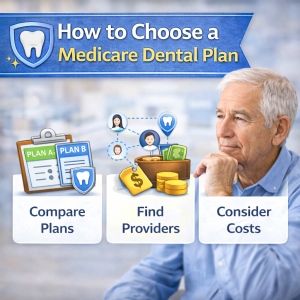
Choosing the Right Dental Plan for Your Needs
Navigating dental insurance options can be challenging, especially with choices like PPO and DMO plans. It’s essential to think about your unique needs, including your preference for flexibility, network providers, and pocket costs. PPO plans often appeal to those who prefer visiting any dentist or specialist without referral restrictions, despite potentially higher costs. On the other hand, DMO plans provide lower, more predictable costs with a structured network approach. Deciding between these requires an understanding of these key differences to ensure your chosen plan aligns well with your dental health priorities and financial situation.
Factors to Consider When Selecting a Plan
When selecting a dental insurance plan, several factors should guide your decision. First, consider your budget for dental care. If pocket costs are generally lower, a DMO plan might be suitable, focusing on in-network services. In contrast, if you value flexibility in choosing a dentist or specialist, a PPO plan may offer the benefits you need, albeit at a higher cost. Coverage is another crucial aspect; understanding what treatments are covered and the extent of these benefits will help in managing out-of-pocket expenses. Evaluate whether you need emergency care options and if visiting specialists without approval is important. Additionally, check if your preferred dentist is within the network of providers to avoid unexpected fees. By examining these factors, you can learn which plan provides the best coverage, meeting your needs and accounting for personal priorities when it comes to dental visits and treatment.
Exploring Your Dental Insurance Options
When it comes to dental insurance, understanding your options is essential. Whether you’re interested in a PPO or DMO plan, each offers distinct benefits that cater to different priorities. PPO plans, for instance, give you the freedom to choose any dentist nationwide, perfect for those who value flexibility. However, that flexibility often comes with higher deductibles and out-of-pocket expenses. DMO plans, on the other hand, focus on offering affordable and predictable costs. These plans require selecting a primary dentist within the network, which some may find limiting but beneficial for maintaining low costs. As you explore, consider what aspects matter most, be it affiliated dentists, treatment flexibility, or budget stability. Make sure to understand what specific dentistry services each plan covers to align them with your needs and priorities. By examining these options, you’re better equipped to make an informed decision on which insurance best fits your dental requirements.
Understanding the differences between PPO and DMO dental insurance can help you find a plan that fits your needs and budget. Consider factors like flexibility, choice of providers, and costs when deciding. It’s important to review the details of any plan carefully to ensure it aligns with your dental care priorities and financial situation. For more information and to explore plans available in your area, enter your ZIP code on our website and explore options that suit your needs. Remember, dental insurance coverage and costs can vary by location and provider.
Compare plans and enroll online
Frequently Asked Questions
What is the difference between PPO and DMO dental plans?
PPO plans generally offer more flexibility, allowing you to choose any dentist, including out-of-network dentists, though at a potentially higher cost. DMO plans typically require you to select a primary care dentist within a defined network, providing lower and more predictable costs but with less flexibility in dentist choice.
How do PPO dental plans work?
PPO, or Preferred Provider Organization plans, offer a network of preferred dentists you can choose from. You have the option to see out-of-network providers, but it may lead to higher out-of-pocket costs. After meeting an annual deductible, the plan covers a portion of your dental care costs, providing significant flexibility and access to specialists without referrals.
How do DMO dental plans work?
DMO, or Dental Maintenance Organization plans, require members to select a primary care dentist within a network. Visits to this dentist help keep costs predictable and lower compared to PPO plans. Coverage is generally limited to the network, with out-of-network care not covered except in emergencies.
What costs are involved in PPO dental plans?
PPO plans often include a deductible, which is the amount you pay before the insurance starts covering the costs. You’ll also encounter higher premiums and possibly increased expenses when choosing out-of-network dentists. This setup makes PPO plans ideal for those who value dentist choice and flexible access to care.
What considerations should be made when choosing between PPO and DMO plans?
When deciding, consider factors such as your budget, the importance of flexibility in choosing a dentist, and if you prefer predictable costs. PPO plans might suit those who prioritize choice and convenience, while DMO plans may appeal to those looking for affordability with a specific provider network.
Find & Compare Plans Online
ZRN Health & Financial Services, LLC, a Texas limited liability company

Russell Noga is a Dental Insurance Educator who writes informational content focused on helping consumers understand dental insurance coverage, benefits, and common plan features. His work emphasizes clear explanations of preventive care, basic and major services, waiting periods, provider networks, and plan limitations. Content is reviewed periodically to ensure clarity and accuracy and is based on publicly available sources. Information may change over time as plan details, availability, and coverage options are updated.