Dental implants can greatly enhance your smile and oral health, but understanding the costs and insurance coverage options is important. This guide aims to provide a simple overview of how dental implants work, what they might cost, and how various insurance plans may cover these expenses. Whether you are considering implants for affordability or functionality, knowing what to expect can help you make an informed decision. Discover how insurance plans differ in covering these procedures, and explore options that align with your needs and budget.


Dental Insurance for Seniors
find affordable dental insurance





Dental Implants and Insurance
Key Highlights
- Dental implants are artificial roots placed in the jaw to support replacement teeth.
- Insurance may cover implants partially, highlighting preventive care over major services.
- Average implant costs range from $3,000 to $5,000, varying by procedure complexity.
- Insurance coverage varies; some plans cover consultations and crowns for implants.
- Comparing insurance quotes helps find plans covering necessary dental procedures.
Compare plans and enroll online
Understanding Dental Implants
Dental implants have become a popular option for tooth replacement, offering a trusted solution for those seeking a long-lasting and natural-feeling alternative. These implants serve as artificial roots anchored into the jawbone, providing support for crowns or dentures. As we explore this treatment, understanding what dental implants entail and both their benefits and drawbacks will be key. Whether you’ve considered implants before or are just now looking at your options, this overview provides critical insights without the sales pitch. Ready to dive deeper into dental implants, their benefits, and considerations? Let’s get started.
| Aspect | Description | Benefits | Considerations |
|---|---|---|---|
| Structure | Dental implants consist of a titanium post inserted into the jawbone, serving as a root for a new tooth. | Provides a stable and durable foundation for the artificial tooth. | Requires adequate bone density and a surgical procedure for placement. |
| Functionality | Designed to replace missing teeth and restore normal function. | Enhances eating and speaking abilities similar to natural teeth. | An extended recovery period and possible need for additional procedures. |
| Aesthetics | Mimics the appearance of natural teeth with a customized crown. | Improves facial symmetry and boosts self-confidence. | Cost could be higher compared to other alternatives. |
| Longevity | Highly durable solution with proper care and maintenance. | Can last a lifetime, reducing long-term dental expenses. | Routine check-ups and oral hygiene are essential to ensure longevity. |
This table provides a clear and concise overview of dental implants, highlighting their main features, advantages, and considerations to assist in informed decision-making.
What Are Dental Implants?
Dental implants are artificial tooth roots, usually made of titanium, that are surgically placed into the jawbone by a dentist. They act as a sturdy base for fixed or removable replacement teeth, which are made to match your natural teeth. The process begins with a comprehensive evaluation by a qualified dentist to determine the health of your jawbone and overall oral health. Once confirmed, the dentist can map out the treatment plan that most appropriately meets your needs. The treatment involves a few stages, including implant placement, a healing period allowing the implants to fuse with the jawbone, and finally, attaching the abutment and prosthetic tooth.
One of the key advantages of dental implants is their durability. When properly maintained with good oral hygiene and regular dental check-ups, implants can last a lifetime. Notably, they help preserve the jawbone and prevent bone loss, which typically occurs after tooth loss. By maintaining the integrity of the jawbone, implants provide a foundation that supports the facial structure, which can be particularly beneficial for seniors seeking to retain a youthful appearance. While the upfront costs can be significant, their longevity makes them a cost-effective solution in the long run compared to other types of services or dental solutions like traditional dentures.
Choosing dental implants involves considerations around not only costs but also personal health factors. Insurance often plays a role in covering parts of the procedure, but understanding the extent of this coverage can be crucial. Potential candidates should engage in an open discussion with their dentist to weigh the benefits against any potential drawbacks, such as surgical risks or potential for complications. By doing so, patients can make informed decisions about whether dental implants are the right choice for their needs.
Benefits and Drawbacks of Dental Implants
When evaluating dental implants, it’s crucial to weigh their benefits and potential drawbacks to determine if they align with your dental care goals. The benefits of implants are quite compelling. First and foremost, they mimic the function and appearance of natural teeth, providing a seamless smile and allowing you to eat and speak with confidence. This treatment restores full chewing power, meaning you can enjoy all varieties of foods without restraint, something that cannot always be said for traditional dentures.
Moreover, dental implants are beneficial in protecting the jawbone from deteriorating, a common issue with prolonged tooth loss. By integrating with the jawbone, implants help maintain bone density and facial structure. They also eliminate the inconvenience of removing dentures for cleaning and the discomfort of loose dentures, offering a stable, permanent solution. For many seniors, these implants provide significant improvements in quality of life, offering long-term benefits that extend beyond mere aesthetics.
Nevertheless, there are also drawbacks to consider. The process requires surgery, which always comes with risks such as infection or nerve damage. Additionally, not everyone is a suitable candidate for dental implants. Adequate bone structure and the absence of health conditions that impair healing are critical. It’s also important to consider the costs associated with implants, which can be substantial upfront. While some insurance plans cover parts of the treatment, they may not cover extras like preparatory procedures, meaning out-of-pocket costs can vary.
Ultimately, the decision to opt for dental implants should hinge on personal health conditions, lifestyle preferences, and financial considerations. Discussing these aspects with a dentist and an insurance provider ensures you understand both the practical and financial implications. Always consider seeking a second opinion or conducting thorough research to ensure the treatment aligns with your long-term dental health objectives.
Dental Insurance and Its Role
Dental insurance is an essential consideration when planning for dental implants, playing a critical role in determining the financial feasibility of this treatment. By offering coverage for various aspects of dental care, including preventive services and major procedures, insurance helps manage costs and can significantly reduce the financial burden of dental treatments. Understanding how dental insurance functions and what it covers is crucial to making informed decisions about dental care. We’ll explore how dental insurance works, what it typically covers, and considerations to keep in mind when selecting a plan that aligns with your needs and potential implant procedures.
How Dental Insurance Works
Dental insurance works by helping to cover costs associated with dental care. It’s designed to alleviate some of the financial burdens that come with dental treatments, like exams, cleanings, fillings, and in some cases, more extensive procedures such as implants. Most insurance plans operate on a basic-advanced-major services model, where they offer the most coverage for preventive services and less for major dental work, ensuring that regular maintenance is affordable. Insurance plans often come with a deductible and co-payment structure, meaning you’ll pay a portion of costs out of pocket after the deductible is met, depending on the service.
An important aspect of understanding dental insurance is recognizing the terms of your coverage, which can be detailed in various plans offered by any insurance company. While many dental benefit plans provide support for common dental treatments, when it comes to full coverage dental insurance, dental services for implants often fall under a major services category. As such, coverage may be limited. Some plans may cover a percentage of the implants’ cost, while others may require a waiting period before coverage becomes active.
Carefully examining the details of any insurance cover is crucial. Know that not all plans cover every procedure; your dental insurance plan may cover some parts of the implant procedure but not others. It’s essential to work closely with your insurance company to understand the insurance plans available, and perhaps even consult your dentist to see how your specific needs can be addressed. Be aware of annual limits on coverage, any exclusions, and what dental coverage may extend beyond basic preventive measures. This approach ensures you can better manage your expenses and maximize your benefits.
What Dental Insurance Cover Includes
Dental insurance generally includes coverage for a range of services, but specifics can vary greatly between insurance plans. For basic coverage, most plans will include exams, cleanings, and routine X-rays – these preventive services are crucial for maintaining oral health. When moving to more advanced needs, such as fillings or extractions, some coverage is typically provided. It’s also common for insurance coverage to extend to more complex services, such as root canals and crowns, though usually only a portion of these costs is covered.
For many seniors, the critical consideration is whether or not dental insurance covers implants, as extensive dental work like this can be necessary due to age-related dental issues. While traditional insurance may not offer comprehensive coverage for implants, many dental benefit plans help offset these costs by covering portions of related services. This could include initial consultations, crown fittings, or even the abutments, each step contributing to the total expense.
It’s wise to choose your insurance plan with an understanding of the extent of dental coverage for implants. This requires not only looking at the insurance company’s outline of covered services but also any restrictions related to waiting periods and pre-existing conditions. If seeking full coverage dental, knowing these details will inform your decision and prevent unexpected expenses. By matching your insurance needs with the coverage provided, you can ensure that your dental health is maintained without unwelcome financial surprises. Consulting with both your dentist and insurance provider can clarify coverage details, helping you navigate your options effectively.
Find & Compare Plans Online
Cost Considerations for Dental Implants
Diving into the cost evaluation for dental implants requires understanding the financial investment in this procedure. Dental implants not only provide a durable solution but also come with specific cost factors that must be considered for budgeting purposes. These costs can be influenced by various elements like geographical location, the complexity of the dental procedure, and the specifics of insurance coverage. As you plan for dental implants, knowing the average costs and understanding the factors affecting these costs can help in making informed decisions. Careful planning ensures that you’re ready for both the expected and unforeseen expenses.
Average Costs of Dental Implants
When considering dental implants, many find it beneficial to understand the average costs involved. Dental implants, known for their ability to provide a permanent replacement option, come with a price tag that reflects their durability and effectiveness. On average, the cost for a single implant can range from $3,000 to $5,000. This cost typically includes the implant fixture, the abutment, and the crown, but may not cover additional treatments like bone grafts or sinus lifts that some patients require. It’s essential to know that while these averages provide a general idea, actual costs might differ based on individual circumstances and local dentist pricing strategies.
Dental care costs, when factoring in dental implants, can be daunting, but understanding what contributes to the price helps set realistic expectations. The skill and experience of the dentist, the dental clinic’s location, and the technology employed can all influence costs. Moreover, comprehensive dental evaluations necessary for effective implantation also factor into the total price. While insurance may cover some parts, many plans classify implants as major dental services, offering limited coverage and thereby affecting out-of-pocket expenses.
It’s crucial to discuss with your dentist the specifics of implant procedures, including potential supplemental treatments, and ascertain what your insurance plan covers. Many patients find that, due to the high initial outlay, financing options become a viable consideration. This perspective not only aids in managing the costs more effectively but also aligns with the level of care desired, ensuring you’re prepared financially and covered for all treatment aspects.
Factors Affecting Implant Costs
Several factors influence the cost of dental implants, contributing to the variability seen in treatment pricing. One significant element is the geographical location. Dental service costs tend to be higher in urban centers compared to rural areas, often reflecting the overall cost of living and operational costs for dental clinics. This can significantly impact how much you’ll end up paying out-of-pocket, even after insurance coverage is applied. Therefore, knowing where to find the best dental facilities that offer competitive pricing becomes imperative.
Additionally, the complexity of your individual dental needs can affect costs. Patients with ample bone structure may experience straightforward implant placements, while others may require preparatory procedures like bone grafts, which naturally escalate expenses. The dentist’s experience also influences costs, as specialists with extensive backgrounds in implant procedures may charge more to reflect their expertise, often justified by a lower risk of complications and higher success rates.
Lastly, insurance factors impact how costs are managed. Although insurance often provides some relief, the coverage level can vary substantially. For dental implants classified under major treatment services, understanding whether your plan includes or excludes specific steps, such as abutment placement or prosthetic crowns, becomes critical. Engaging in early discussions with both your dentist and insurer ensures clarity on what’s covered, helping you make decisions without financial surprises. Closer alignment of insurance options with the unique requirements of your implant procedure can optimize your dental care budget efficiently.
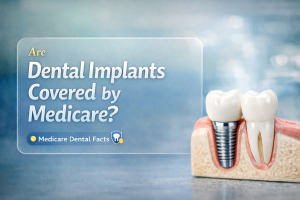
Insurance Coverage for Implants
Exploring dental implants often comes with questions about insurance coverage. Many wonder if their insurance plan will cover implants, considering the potential costs. Dental insurance plays a vital role in managing these expenses. It’s important to know which services your insurance plan covers. Some insurance plans offer full coverage for certain procedures, while others might only handle part of the treatment. Understanding these differences can help you better prepare financially for dental implants. Let’s delve into how insurance plans can provide coverage and the significance they carry in making implants affordable.
What Covers Implants?
When considering dental implants, understanding the specifics of insurance coverage becomes crucial. Not all dental insurance plans cover implants, as they’re often categorized under major dental procedures. Typically, dental insurance focuses more on preventive services like cleanings and exams. However, some insurance providers offer limited coverage for implants. These may include initial consultations, x-rays, and even the crown attached to the implant. It’s essential to check if your insurance plan covers implants and to what extent. This involves looking into the details of your insurance policy and confirming with your provider. Often, coverage might require a waiting period before benefits for major procedures kick in. Knowing these specifics helps in planning the financial aspects of getting dental implants.
In some cases, supplemental dental insurance can be beneficial. These plans might provide additional coverage options that are not included in standard dental insurance. Before opting for such a plan, it’s wise to compare different insurance plans to see which offers the most significant benefit for implants. Contacting your insurance company directly can provide clarity on what parts of the implant procedure they cover. Be it the consultation fees or the surgical components, being informed ahead of time reduces unexpected expenses. Moreover, the dentist you choose can impact the extent of coverage since not all dentists may be within your plan’s network. Knowing if your insurance covers implants can help you avoid high out-of-pocket costs, ensuring that you are financially prepared for this valuable dental treatment.
To further explore your options for dental implant coverage, consider these important considerations:
- Review your current policy for specific implant coverage details.
- Confirm any waiting periods that apply to major dental procedures.
- Investigate supplemental plans for broader implant coverage.
- Contact your insurance provider for clarity on covered implant components.
- Assess if your dentist is within your insurance network.
- Compare different insurance plans for maximum benefits.
- Consider the financial impact of additional out-of-pocket expenses.
Being well-informed about these factors will facilitate smarter financial planning for your dental implants.
The Importance of Dental Coverage in Dental Plans
Having dental coverage significantly influences the affordability of dental treatments, including implants. Dental plans vary widely in terms of what they cover, and full coverage for implants is rare. Typically, dental insurance plans prioritize preventive care, minimizing the risk of more extensive treatments in the future. However, since implants are considered a major treatment, insurance plans may offer limited benefits, covering only certain aspects of the procedure. It’s important to review your plan’s details to understand how much of the implant treatment it covers and whether there are any caps or limits.
For seniors, choosing dental insurance that offers extensive coverage for implants can be a wise investment. Such a plan might cover some of the costs associated with the procedure, like the initial assessment or follow-up visits. Some insurance companies provide specialized insurance plans that cater specifically to dental treatments that are common among older adults, including implants. Reviewing these options can help find a plan that minimizes out-of-pocket expenses while maximizing coverage. Consulting with insurance providers and dental professionals can shed light on how best to align insurance benefits with your dental needs, ensuring you receive the care you require without undue financial strain. Remember, understanding and leveraging dental coverage in your plan can make dental care, including implants, more accessible and manageable.
Getting an Insurance Quote and Choosing Plans
When considering dental implants, it’s essential to start with an insurance quote to understand the potential costs and coverage associated with this procedure. Obtaining a quote allows you to compare dental plans and see how each insurance company approaches coverage for implants. This step is crucial in making informed decisions about which plan suits your needs best. When you choose plans, ensure they align with your dental priorities and financial constraints. Each dental plan varies in coverage, including services such as preventive care, fillings, and major procedures like dental implants.
While some dental insurance plans offer partial coverage for implants, others may not cover them at all. Insurance quotes provide insights into what portion of the costs could be insured. It’s important to discuss with your provider which aspects of the implants are included, such as pre-surgical evaluations or the implant crown. Remember that dental insurance plans might have waiting periods for major services, which affect when coverage begins. When choosing a plan, consider whether it covers the dental procedures you’re anticipating, as well as any waiting periods or limitations.
To secure the best plan, compare multiple insurance quotes and consult with both insurance companies and your dentist. This consultation can clarify which plan accommodates your needs, whether it’s finding coverage for implants or weighing other dental expenses. Your dentist can assist in understanding which procedures your insurance is likely to support. In summary, getting an insurance quote is a proactive step in managing dental treatment costs, helping you choose a plan that efficiently balances your dental care goals and financial capabilities. Always consider your unique dental needs and preferences when selecting a plan, ensuring it offers the coverage and peace of mind you seek.
Understanding dental implants and how insurance works with them helps you plan better for your dental health. Keep in mind that coverage can vary, and it’s crucial to compare different plans and their specifics. Always consider your needs and budget. Exploring options with local providers and entering your ZIP code on our site can assist you in finding plans available near you. Being informed ensures that you make empowered, confident decisions about your dental care and coverage.
Compare plans and enroll online
Frequently Asked Questions
What are dental implants?
Dental implants are artificial roots made from materials like titanium, surgically placed into the jawbone to support replacement teeth, such as crowns or dentures. They mimic the function and appearance of natural teeth, providing a stable base for fixed or removable replacements.
How much do dental implants typically cost?
On average, a single dental implant can cost between $3,000 and $5,000. This often includes the implant fixture, abutment, and crown, but not additional treatments like bone grafts if needed.
Does dental insurance cover implants?
Coverage for dental implants varies by plan. Some insurance plans may partially cover certain aspects of the implant procedure, such as consultations or crowns, while others may not cover implants at all. It’s important to review your specific plan details and consult with your insurance provider for clarity.
What factors can affect the cost of dental implants?
Key factors influencing the cost of dental implants include geographical location, the complexity of the procedure, the necessity for additional procedures like bone grafts, and the dentist’s expertise. Insurance coverage also affects the overall out-of-pocket cost.
How can I find a dental insurance plan that covers implants?
To find appropriate coverage, compare insurance quotes focusing on plans that offer benefits for major dental services like implants. It’s wise to discuss with both your dentist and insurance provider to understand coverage specifics and align them with your dental needs.
Find & Compare Plans Online
ZRN Health & Financial Services, LLC, a Texas limited liability company

Russell Noga is a Dental Insurance Educator who writes informational content focused on helping consumers understand dental insurance coverage, benefits, and common plan features. His work emphasizes clear explanations of preventive care, basic and major services, waiting periods, provider networks, and plan limitations. Content is reviewed periodically to ensure clarity and accuracy and is based on publicly available sources. Information may change over time as plan details, availability, and coverage options are updated.