Understanding secondary dental insurance for orthodontics can offer valuable insights for those needing additional coverage. These plans help manage expenses that primary insurance might not cover. Exploring different options can guide you in finding plans tailored to orthodontic needs, like braces or aligners. Many plans vary in terms of premiums, coverage limits, and the orthodontic treatments they include. Learning about these differences can assist you in making informed decisions that suit your specific requirements. Start by exploring available plans, and consider how they align with your orthodontic needs and budget.


Dental Insurance for Seniors
find affordable dental insurance





Secondary Dental Insurance for Orthodontics
Key Highlights
- Understanding secondary dental insurance helps manage costs for orthodontic treatments not covered by primary insurance.
- Secondary insurance complements primary coverage by filling gaps and reducing out-of-pocket costs, especially for orthodontics.
- Navigating orthodontic insurance options ensures financial readiness for treatments like braces and Invisalign.
- Comparing dental plans aids in selecting insurance that matches specific orthodontic needs and budget constraints.
- Factors influencing dental insurance choices include provider networks, coverage levels, costs, and potential waiting periods.
Compare plans and enroll online
Understanding Secondary Dental Insurance for Orthodontics
Secondary dental insurance for orthodontics enhances your primary dental insurance, offering broader coverage and reducing out-of-pocket costs. Designed to complement existing orthodontic insurance plans, secondary insurance can cover what the primary plan might not. It’s crucial for those seeking comprehensive insurance coverage, especially for orthodontic care, where costs can add up. Secondary dental plans can provide additional benefits by covering higher percentages of treatment costs or addressing aspects that the primary coverage doesn’t include. This safety net is especially beneficial for families or groups needing more expansive coverage, ensuring expenses align more smoothly with their budgetary needs.
How Secondary Insurance Complements Primary Coverage
Secondary dental insurance plays a vital role in enhancing your dental insurance strategy, particularly for orthodontic treatments. While your primary insurance covers significant portions of your orthodontic care, there are often gaps or limits that could leave you with unexpected expenses. This is where secondary insurance steps in, complementing primary coverage by addressing those unmet needs. It’s a strategic move for maximizing benefits and minimizing personal costs. With secondary dental insurance, you’re not just getting additional coverage, but also boosting your financial protection against unforeseen dental costs.
Secondary insurance is designed to either close the coverage gaps left by your primary dental insurance or extend the benefits to areas that the primary plan may not cover as extensively. For orthodontic procedures, secondary plans can cover a percentage of costs that are not fully addressed by the primary insurance company. This can include copayments and even some of the costlier treatments that the primary plan might only partially cover. As a result, secondary insurance allows you to manage and predict costs more effectively, which is especially valuable for families and groups.
Furthermore, by securing secondary insurance, you can tailor your dental plans more precisely to meet your orthodontic needs. This ensures that both routine and unexpected treatments are covered, reducing financial strain. As part of a comprehensive benefits package, secondary orthodontic insurance provides peace of mind by making sure you’re fully insured and protected, complementing the benefits already offered by your primary dental insurance. The combined power of these plans offers reassurance, letting you focus on your dental health without worrying about prohibitive costs.
What Does Dental Insurance Typically Cover?
Understanding what dental insurance covers can help you make informed decisions about your dental care. Most dental plans generally include coverage for basic and major services. However, the insurance coverage varies depending on the provider and specific plan. Knowing the scope of your insurance coverage ensures that you’re prepared for any dental needs, from regular check-ups to more extensive treatments. It’s also critical to differentiate between what’s provided by your primary insurance and any potential secondary coverage, especially when it comes to orthodontic services.
Basic and Major Dental Services
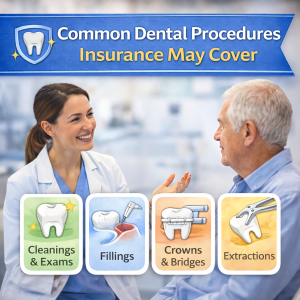
Dental insurance is fundamentally designed to cover a wide range of dental services, often categorized into basic and major services. Basic services typically involve preventive care. This includes regular cleanings, exams, and x-rays, which are crucial for maintaining oral health. These services are generally fully or largely covered by most dental plans, reflecting their importance in preventing more severe dental issues down the road.
Major dental services, on the other hand, encompass more extensive treatments such as root canals, crowns, and extractions. These procedures can be far more costly, and as a result, insurance coverage may cover a significant portion, albeit not entirely. For orthodontic services, the scenario can be different. While some dental plans may offer basic coverage for orthodontics, many treatments require secondary dental insurance to fully manage costs. Understanding the benefits provided by your insurance company helps in planning for these services and avoiding unexpected expenses. This categorization within dental insurance not only simplifies understanding what’s covered but also aids in strategizing personal and family dental care needs, ensuring that both basic and more complex dental procedures are financially manageable.
Exploring Orthodontic Insurance Options
Navigating orthodontic insurance options can feel overwhelming, yet it’s key to ensuring your orthodontic treatment is financially manageable. From braces to Invisalign, orthodontic services vary, and so do the dental insurance plans that cover them. Understanding orthodontic coverage is crucial as it varies widely between insurance companies and plan types. This section delves into what orthodontic treatments might include, helping you grasp the nuances of different options available in dental plans. It’s all about making informed choices so that your dental needs, such as managing partial coverage for braces, align seamlessly with your budget.
What Orthodontic Treatment Might Include
Orthodontic treatment encompasses a wide range of services designed to correct teeth alignment and improve dental health. Common treatments include traditional braces and modern alternatives like Invisalign aligners. Braces are often the go-to solution for more complex orthodontic issues, involving metal brackets and wires that gradually shift teeth into place. Invisalign offers a more discreet option, using clear, removable trays that custom-fit your teeth, making them popular among those preferring an almost invisible treatment. Besides braces and aligners, orthodontics may involve other orthodontic treatments, such as retainers and space maintainers, which are vital for maintaining alignment post-treatment.
When considering orthodontic coverage, it’s important to know that not all dental insurance plans cover these services in the same way. Coverage can range from full costs to only partial coverage for braces and other orthodontic treatments, often leaving patients to handle significant portions out-of-pocket. Some dental plans might require waiting periods before orthodontic benefits kick in, while others might offer limited coverage, particularly for cosmetic orthodontic services. Insurance companies like Aflac may have specific stipulations regarding what types of treatments are covered, making it crucial to thoroughly understand your plan’s specifics.
Knowing what orthodontic services a dental plan includes empowers you to select the best fit for your needs, balancing treatment desires with financial considerations. Taking the time to explore options ensures you’re equipped with the knowledge necessary to handle the costs associated with orthodontic care, helping you make sound decisions that suit both your dental and financial well-being. Ultimately, being informed about the scope of orthodontic services included in your plan offers peace of mind, allowing you to focus on achieving the best possible outcomes for your dental health.
The Role of Orthodontic Services in Dental Plans
Orthodontic services play a significant role in dental plans, particularly when it comes to providing comprehensive oral care. These services address the alignment and positioning of teeth, fundamental factors for maintaining overall dental health. Typically, orthodontic treatments aren’t included in all basic dental insurance plans, which often necessitate the addition of orthodontic insurance. It’s crucial to understand how orthodontic services fit into your dental plan to ensure you aren’t surprised by costs or limitations. This section will shed light on coverage specifics and limitations that come with orthodontic plans.
Find & Compare Plans Online
Coverage and Limitations Explained
When exploring orthodontic services within dental insurance, it’s essential to grasp what coverage entails and the limitations that may apply. Coverage often varies between insurance companies and the specific dental plans they offer. For instance, while one insurance company might include orthodontic treatments as part of a comprehensive dental plan, another might offer only partial coverage for braces or similar services. Most dental insurance plans categorize orthodontic services under major dental procedures, partly covering them within established limits.
An insurance company may impose waiting periods before benefits kick in, meaning patients might need to wait several months post-enrollment to access orthodontic coverage. Furthermore, there’s often a cap on the total benefits received for orthodontic services over the lifetime of the plan, influencing how much you need to budget for treatments. Recognizing these limitations upfront allows you to prepare financially and makes selecting the right plan easier. By understanding the specifics of your dental and orthodontic coverage, you can manage expectations and make informed decisions, ensuring both routine and unexpected treatments fit within your budget.
Comparing Dental Plans for Orthodontic Coverage
When looking into orthodontic coverage, comparing dental plans is key to finding one that suits your needs. Dental insurance plans can vary significantly, not only in cost but also in what they cover. Understanding the differences between plans helps you choose the right one. This section will delve into critical considerations, such as finding a plan that aligns with your orthodontic needs, understanding how insurance companies differ, and exploring various options to maximize your insurance benefits.
| Coverage Type | Key Considerations | Potential Limitations | Supplemental Options |
|---|---|---|---|
| Basic Plan | Lower monthly premiums and essential orthodontic services | Limited to certain procedures; may have waiting periods | Consider minor corrections and maintenance |
| Comprehensive Plan | Wider range of covered orthodontic services | Higher premiums, potential annual limits on coverage | Ideal for extensive orthodontic treatment needs |
| Family Plan | Covers multiple family members and various age groups | May limit coverage to specific age brackets | Useful for families with ongoing orthodontic requirements |
| Specialized Plan | Tailored for specific orthodontic needs or conditions | May require specific eligibility criteria | Explore if specialized care is necessary |
This table outlines important factors to consider when comparing dental plans for orthodontic coverage, helping you make an informed decision about your dental benefits.

Finding the Right Plan for Your Needs
Finding the right dental insurance plan for orthodontic coverage doesn’t have to be daunting. It’s important to first evaluate how much coverage you need for orthodontics and compare dental plans based on those needs. You’ll find most insurance plans offer varying levels of coverage for braces and other orthodontic treatments, often categorized as basic or major services. It’s crucial to understand these categorizations as they determine how much financial protection you’ll receive. Some plans offer better orthodontic coverage but may come with higher premiums or restrictions, such as waiting periods. On the other hand, supplemental dental options can help fill gaps left by primary insurance, enhancing overall coverage.
Consider your current orthodontic needs, whether they’re for yourself or a family member. If braces are likely, look for dental plans that specifically mention orthodontic services. Don’t overlook the small print in the insurance terms. Some insurance companies provide coverage for only specific orthodontic appliances like braces, while others might offer broader insurance coverage that extends to retainers and other corrective devices. Also, investigate the insurance company’s network of dentists and orthodontists; choosing a plan that includes your preferred providers can make accessing care smoother.
Exploring supplemental dental plans that act as a secondary insurance option can provide additional benefits, covering costs your primary insurance might not. This layered approach ensures you’re financially shielded from high treatment costs and can relax knowing your dental needs are met without unexpected expenses. By comparing these factors, you can select a plan from an insurance company that fits your orthodontic alignment goals and budget, simplifying the path to a confident smile.
Cost and Affordability of Orthodontic Treatment
Orthodontic treatment can significantly impact your finances, but understanding cost and affordability can ease the burden. For many, dental insurance plays a vital role in managing orthodontic expenses. Exploring insurance options, especially secondary dental plans, can help alleviate the financial load by covering costs not included in primary insurance. It’s crucial to know what your dental insurance covers, including any limitations. This section will expand on how wisely managing expenses through insurance can make orthodontic treatment more accessible.
Managing Expenses with Insurance
Managing expenses for orthodontic treatment is crucial, especially given the significant costs involved. Dental insurance is a key tool in this process, offering coverage that can transform how you approach orthodontic services. Most dental plans provide some level of orthodontic insurance, though the extent of coverage varies. By understanding your plan, you can manage out-of-pocket costs more effectively. Insurance companies often categorize orthodontic services as major dental procedures, allowing for partial coverage. This is where secondary dental insurance comes in. It complements primary coverage by addressing costs beyond what is initially covered. This can include copayments and specific treatments the primary insurance doesn’t fully cover, making overall expenses more manageable.
It’s also beneficial to explore group benefits, as some employers offer dental plans that include orthodontic coverage. These plans might have different terms compared to individual plans, potentially offering more comprehensive insurance options. For families or groups, combining primary and secondary insurance can optimize coverage benefits and manage expenses efficiently. Insurance companies vary in their offerings, so finding one that aligns with your needs is essential. Delving into your policy details and understanding the benefits chart can prevent unexpected expenses and provide reassurance.
Ultimately, navigating dental insurance smartly can mitigate the financial impact of orthodontic treatment, turning a potentially overwhelming expense into a well-managed part of your healthcare budget. Always consider consulting with your insurance provider or an experienced dental insurance educator to ensure you’re making the most informed decisions about your orthodontic coverage.
Exploring Plan Differences Across Providers
When considering secondary dental insurance for orthodontics, recognizing the plan differences across various providers is crucial. Each insurance company, like Cigna and Humana, offers distinct dental plans with unique benefits and coverage options. Understanding these differences can help tailor insurance choices to specific needs, especially for orthodontic treatments. It’s about finding a plan that aligns with your requirements and budget. Let’s delve into what factors might influence your dental insurance choices, helping you navigate the diverse landscape of insurance coverage options available today.
Factors That Affect Your Dental Insurance Choices
Selecting the right dental plan among numerous providers requires understanding key factors that influence your choice. First, consider the network of dentists and orthodontists that each insurance company partners with. Providers like Cigna and Humana may have varied networks, impacting your access to preferred specialists. Next, evaluate the level of coverage offered by different plans. Dental insurance varies among providers; some might cover major orthodontic procedures comprehensively, while others offer more limited benefits. Also, assess waiting periods and plan limitations, often critical in determining immediate benefits versus longer-term gains.
Another crucial factor involves costs, the ratio of premiums to potential out-of-pocket expenses. While some dental plans might seem affordable initially, they could present significant expenses when accessing more expensive services like orthodontics. This underscores the importance of thorough cost-benefit analysis when choosing dental insurance. Group dental plans, often offered by employers, may also impact your choice. They sometimes provide extensive benefits, offering a more economical solution compared to individual insurance. Understanding these dynamics ensures your dental insurance choices are well-informed and tailored to your needs.
Consider how secondary insurance can complement your primary plan. Often, secondary insurance addresses gaps left by primary dental coverage, covering higher percentages of orthodontic costs. This added layer of coverage provides financial relief, ensuring you aren’t overwhelmed with unforeseen expenses. By carefully evaluating these factors, provider networks, coverage specifics, costs, and the role of secondary insurance, you place yourself in the best position to manage your orthodontic care confidently and cost-effectively. This structured approach to choosing dental insurance empowers you to make decisions that best fit your unique needs.
Here’s a list of strategies to further streamline your decision-making process when choosing dental insurance:
- Compare plan coverage specifics for routine versus specialized orthodontic procedures.
- Investigate the reputations of the network dentists and orthodontists you may access.
- Scrutinize any hidden costs beyond premiums, including deductibles and co-pays.
- Assess the impact of waiting periods on your specific dental treatment timeline.
- Explore the benefits of adding a secondary insurance plan for enhanced coverage.
- Review employer-provided group plans versus individual plans in terms of benefits and costs.
- Consider speaking with a dental insurance advisor to clarify complex plan details.
These strategies can help sharpen your evaluation and lead to more informed choices.
Understanding secondary dental insurance can help manage orthodontic costs. Seniors need to look at various plans to find one that aligns with their needs and budget. Coverage can vary, so it’s vital to consider factors like waiting periods and specific benefits. Enter your ZIP code on our website to explore tailored options in your area. Remember, coverage and costs depend on location and providers, which makes researching beneficial in securing the right plan.
Compare plans and enroll online
Frequently Asked Questions
What is secondary dental insurance for orthodontics?
Secondary dental insurance for orthodontics provides additional coverage that complements your primary dental insurance. It helps cover costs that the primary insurance doesn’t fully address, particularly for orthodontic treatments like braces or aligners.
How does secondary dental insurance help with orthodontic costs?
Secondary dental insurance can cover the gaps left by primary insurance, such as copayments or uncovered portions of orthodontic treatment costs. This effectively reduces out-of-pocket expenses, making it easier to manage the overall cost of orthodontic care.
What factors should I consider when choosing secondary dental insurance for orthodontics?
When choosing a plan, consider factors like coverage limits, waiting periods, provider networks, and specific benefits for orthodontic treatments. Compare different plans to find one that aligns with your budget and treatment needs.
Can secondary insurance cover all my orthodontic expenses?
While secondary insurance can significantly reduce your out-of-pocket costs, it may not cover all expenses. It’s important to review the plan details to understand the extent of coverage and any limitations that might apply.
Where can I find secondary dental insurance options for orthodontics?
To explore secondary dental insurance options tailored to your orthodontic needs, visit Dentalinsuranceforsenior.org. Enter your ZIP code to view plans available in your area and compare coverage options alongside your primary insurance.
Find & Compare Plans Online
ZRN Health & Financial Services, LLC, a Texas limited liability company

Russell Noga is a Dental Insurance Educator who writes informational content focused on helping consumers understand dental insurance coverage, benefits, and common plan features. His work emphasizes clear explanations of preventive care, basic and major services, waiting periods, provider networks, and plan limitations. Content is reviewed periodically to ensure clarity and accuracy and is based on publicly available sources. Information may change over time as plan details, availability, and coverage options are updated.