Understanding dental insurance can be a helpful step in planning your oral health. This guide will explain when you can enroll and what you need to know about different plans. Whether it’s preventive care or more extensive procedures, insurance can ease the financial burden of maintaining a healthy smile. Learn about important terms like coverage options, waiting periods, and costs, so you can find a plan that suits your needs. With this information, you’ll feel more confident as you explore the dental insurance options available to you.


Dental Insurance for Seniors
find affordable dental insurance





When Can I Enroll in Dental Insurance?
Key Highlights
- Dental insurance reduces out-of-pocket expenses for routine to advanced dental care.
- Understanding coverage types—preventive, basic, major—helps plan for dental costs.
- Waiting periods affect when major treatment coverage kicks in after enrollment.
- Employer, individual, and managed care plans offer varying coverage and costs.
- Local plan options should align with dentist networks and specific senior needs.
Compare plans and enroll online
What is Dental Insurance?
Dental insurance is a type of health coverage designed to pay a portion of the costs associated with dental care. It helps reduce out-of-pocket expenses for various dental services, ranging from routine check-ups to more extensive procedures. Understanding dental insurance is crucial for adults, especially seniors, as it alleviates financial stress related to dental health maintenance. The range of benefits can include preventive care, such as cleanings and exams, and sometimes more advanced treatments like dentures or implants. With multiple plan types available, understanding coverage options helps you make informed decisions.
Understanding the Basics of Dental Coverage
When diving into dental insurance, it’s essential to understand what is typically covered by these dental insurance plans. Dental insurance coverage can be divided into different categories, often referred to as preventive, basic, and major services. Preventive care usually includes routine exams, cleanings, and sometimes X-rays. This part of the insurance aims to keep dental problems at bay before they develop into more significant issues. Basic services often cover treatments such as fillings and extractions, which are considered vital for maintaining good oral health without much cost burden on the individual.
Major services tend to include more costly dental procedures such as bridges, crowns, and dentures. These are crucial for those needing more comprehensive mouth restorations, though coverage for these can vary significantly between insurance plans. Understanding these categories is key, as each typically has different coverage limits and levels, affecting how much you’ll pay out-of-pocket. Moreover, some plans may have annual maximums, the limit an insurance provider will cover in a year, influencing your decision based on anticipated dental needs.
It’s also important to note that not all dental services are fully covered by insurance policies. Limitations and exclusions are common, especially for cosmetic procedures like teeth whitening. Hence, grasping the scope of your dental insurance coverage, including its limitations, ensures no unexpected costs arise. This knowledge empowers you to make decisions aligned with your health needs while staying within budget, whether it’s selecting a suitable plan or managing current coverage effectively.
Types of Dental Insurance Plans
Choosing the right dental insurance plan can sometimes feel overwhelming, especially with the variety of options available. Whether you’re considering an employer-sponsored plan or individual dental plans, understanding the different types is essential. Coverage options can vary significantly, impacting your dental care expenses. Knowing what each plan offers helps you make informed decisions that align with your oral health needs and financial situation. As you explore your options, it’s helpful to compare how each type of plan meets your requirements and provides the coverage you need.
Comparing Different Coverage Options
When comparing dental insurance plans, recognizing the differences in coverage options is crucial. These plans are generally categorized into three main types: employer-sponsored group plans, individual indemnity plans, and managed care plans like PPOs and HMOs. Employer group plans often offer comprehensive coverage options, as they leverage the large pool of employees to secure favorable terms from the insurance company. This can mean broader benefits and potentially lower costs, but it’s essential to understand the specifics of what’s covered by your employer’s plan, including any waiting periods or coverage limits for advanced dental procedures.
Individual indemnity plans, on the other hand, allow more freedom in choosing dentists but might come with higher out-of-pocket costs. These plans typically pay a percentage of the “usual, customary, and reasonable” charges for covered services. This makes them a good choice if you’re looking for flexibility and can afford variable costs. Managed care plans like PPOs and HMOs often come with more restrictive networks but provide lower costs for staying within those networks. PPO dental plans allow you to see any dentist but offer better savings if you use a dentist within the network. In contrast, HMOs usually require selecting a primary care dentist and getting referrals for specialists, offering lower premiums in return.
Comparing these insurance plans involves weighing the benefits and limitations of each. While employer plans might offer extensive coverage, individual plans provide freedom of choice and managed care plans prioritize cost-efficiency. Understanding these differences ensures that you pick a dental plan that fits your coverage needs and budget, providing peace of mind that you’re covered for both routine and unforeseen dental care needs.
Understanding Dental Insurance Waiting Periods
Navigating the world of dental insurance can sometimes be daunting, especially when it comes to understanding waiting periods. These periods refer to the time you must wait before certain coverage benefits become active. It’s important to grasp how waiting periods affect your dental insurance, as they can influence when you receive care and how much you pay out-of-pocket. This section will provide insight into what you can expect before coverage begins, helping you plan your dental needs effectively.
What to Expect Before Coverage Begins
When you first enroll in a dental insurance plan, it’s essential to understand that coverage might not start right away. Many dental plans require a waiting period before coverage kicks in, especially for certain types of treatments. The waiting period can range anywhere from a few months to a year, depending on the procedure and the specifics of your policy. During this time, you may not have access to certain benefits, particularly major services such as crowns, bridges, or dentures. This waiting period is a common practice in the insurance industry, designed to prevent immediate claims on new policies. It’s a crucial factor for anyone who’s looking to get procedures done soon after enrolling.
For most dental insurance plans, preventive services like routine exams and cleanings may be available right away, or after a minimal waiting period. However, major dental work, which tends to be more expensive, often requires a longer waiting time before coverage begins. This can be particularly important for seniors who might need extensive dental work. Evaluating these waiting periods is a significant step when choosing a plan, as they impact how soon you can access the full benefits of your dental coverage. Additionally, understanding these waiting periods can help you avoid unexpected costs if you anticipate needing immediate dental care.
It’s worth noting that some plans offer no waiting periods for certain services or allow you to waive them by showing continuous coverage from a previous insurance plan. This can be an attractive option if you’re switching providers and need quick access to dental services. Exploring these possibilities during open enrollment can save you time and money, while ensuring your dental health needs are met without delay. By comprehending the intricacies of waiting periods, you can make informed decisions, ensuring your dental care aligns with both your health requirements and financial situation.
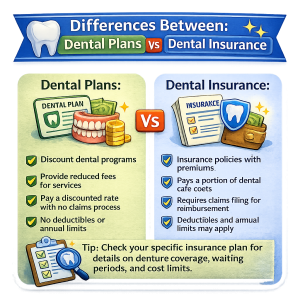
Services Covered by Dental Insurance
Understanding the services covered by dental insurance can significantly aid in planning for your dental health needs and budgeting wisely. Dental insurance typically offers coverage for a range of services divided into preventive, basic, and major categories. These plans are designed to alleviate the financial burden of maintaining oral health; however, some services may not be covered. Knowing what’s included and what isn’t helps you make informed decisions about your dental care. In this section, we’ll explore the specifics of coverage, looking at what you might expect when utilizing your dental insurance benefits.
What is Included and What May Not Be
When exploring dental insurance, it’s crucial to know which services are covered and which may not be. Typically, most dental insurance plans focus on preventive services, which often come at no additional cost to you. These services include routine check-ups, cleanings, and sometimes X-rays. Preventive care is prioritized to catch potential problems early, reducing the likelihood of needing more costly procedures later. Understanding these preventive benefits highlights the emphasis insurance places on maintaining dental health before major issues arise.
Basic services, such as fillings and extractions, are generally covered as well, albeit with some out-of-pocket costs typically required in the form of co-pays or meeting a deductible. Coverage of these services ensures that essential treatments are accessible while not being overwhelmingly expensive for the insured. However, where plans can differ significantly is in their coverage of major services. Procedures such as crowns, bridges, and dentures are more costly and not always fully covered, often necessitating higher out-of-pocket expenses. Some insurance plans might have limitations on these major procedures or impose waiting periods before coverage kicks in, further impacting how quickly you can receive them.
Moreover, while insurance covers many necessary and preventive services, certain cosmetic procedures, like teeth whitening, often fall into the category of expenses that may not be covered. Understanding these exclusions is vital to prevent surprises when billing arrives. By clearly identifying what your insurance covers versus what it may not, you can better navigate your dental care, ensuring it aligns with both your health needs and financial capability. Awareness of these coverage intricacies ensures prudent decision-making and smoother planning for any dental work needed along the way.
Enrollment and Insurance Waiting Times
Enrolling in dental insurance involves understanding the crucial timelines linked to enrollment periods and waiting times. These aspects determine not just when you can enroll but also when your benefits start. Knowing when insurance open enrollment periods occur is vital to avoid missing opportunities to secure the plan that best meets your needs. Additionally, comprehending insurance waiting times helps you anticipate how soon you can access different levels of dental care. From open seasons typically occurring in October and November each year, to understanding immediate coverage options, this section helps demystify the enrollment process.
| Enrollment Timing | Waiting Periods | Key Considerations | Resources/Information Sources |
|---|---|---|---|
| Open Enrollment | Typically 30 days | Ensure timely application | Company HR Portal |
| Special Enrollment | Varies by plan | Check qualifying events | Insurance Provider’s Website |
| Initial Enrollment | None for preventative care | Review coverage details | Benefit Handbook |
| Year-round Enrollment | Up to 6 months for major services | Plan accordingly | Insurance Agent Consultation |
This table provides a concise overview of the critical timelines and considerations for insurance enrollment and waiting periods, aiding in seamless coverage acquisition.
Find & Compare Plans Online
How to Find When Insurance Open Enrollment Periods Are
Discovering when dental insurance’s open enrollment periods take place can be crucial in ensuring you don’t miss out on the opportunity to find the right coverage. Many companies and insurance providers hold these periods at specific times, often around October and November each year. During this time, you can enroll in a dental plan, switch existing coverage, or perhaps adjust your current plan to better suit your needs. Whether you’re covered under a group insurance plan at work or considering an individual plan from an insurance company, timing is key.
Maintaining awareness of when you can enroll is essential, especially since missing an open season can delay access to desired benefits. Information on open enrollment dates is available through your insurance provider, the company’s website, or the human resources department if it’s through an employer-sponsored group plan. Additionally, some insurance plans allow you to enroll at any time with certain conditions or offer special enrollment periods triggered by life events like retirement or relocation. Understanding the nuances of when you can sign up helps you navigate these periods with ease, securing the coverage needed and avoiding the pitfalls of lapses in coverage.
Besides knowing the enrollment times, it’s wise to understand how specific waiting periods play into activating your benefits. While preventive services are often available immediately, ask about the time you might need to wait before major services are covered. Planning your enrollment around these details can ensure you’re prepared for any dental work you anticipate in the near future. Using these strategies can help avoid interruptions in dental care, enabling you to stick to your health plans without unwanted surprises in billing.
Strategic Tips for Successful Insurance Enrollment Management
- Set calendar reminders for insurance open enrollment seasons to stay informed.
- Consult the employer or insurance provider for precise dates and eligibility criteria.
- Review policy details annually to align with any recent life changes.
- Prepare necessary documents and information for a smooth enrollment process.
- Evaluate the costs versus the benefits when choosing or adjusting your plan.
- Plan dental appointments to suit new coverage periods, avoiding service delays.
- Stay informed about special enrollment circumstances like life events.
- Reach out to HR or insurance representatives with any doubts or questions.
By internalizing these strategies, you can navigate open enrollment with confidence and ensure continuous, efficient dental coverage.
Dental Costs: Affordability and Coverage
Understanding dental costs is crucial for maintaining oral health without breaking the bank. Coverage varies significantly depending on the dental plan and insurance provider, affecting affordability for seniors and others. Dental expenses encompass everything from regular check-ups to advanced procedures, making it essential to choose a plan that aligns with your needs. Navigating these costs requires insight into how different insurance companies structure their coverage and what employers might offer. In this section, we’ll explore tips to make managing these expenses easier and ensure you get the most out of your dental insurance.
Tips for Managing Dental Expenses
Managing dental expenses starts with understanding your dental plan’s specifics. Firstly, review your insurance provider’s coverage details to know which services come with lower out-of-pocket costs. For instance, prioritize preventive services like cleanings and exams, usually covered at no extra cost. This not only maintains your oral health but also prevents costly problems down the line. Employers often offer group plans that might provide better coverage or lower costs, so inquire if your job has this option. Knowing these details can significantly impact your dental expenses and coverage affordability.
Comparing insurance plans is another key strategy. Look at multiple insurance companies to see how they differ in terms of coverage and costs. Some plans might offer better coverage for major services like dentures or crowns, while others might excel in basic procedures like fillings. Understanding these variations helps you select a dental plan tailored to your needs, ensuring expenses remain manageable. Tools from online resources or an insurance advisor can assist in comparing these plans effectively.
Additionally, consider setting aside a dental savings fund to cushion unexpected expenses. This proactive step can alleviate stress should an unexpected dental cost arise. Many find this approach creates a safety net when their insurance plan’s coverage is exceeded. Lastly, explore any employer-sponsored wellness programs or discounts that reduce overall dental expenses. Managing these components thoughtfully ensures you maintain quality dental care without exceeding your budget.

Finding the Right Dental Insurance for Your Needs
Navigating dental insurance options requires understanding how to match your specific needs with the right plan. With numerous providers offering diverse benefits, finding the perfect fit takes research and comparison. Plans vary significantly in coverage for dental care, ranging from preventive services to major procedures. It’s essential to consider factors such as costs, coverage limits, and dentist networks to choose the most beneficial option. We’ll explore different aspects to help you find dental insurance that caters to your requirements, ensuring you’re well-prepared to maintain optimal oral health without undue financial stress.
Exploring Options Near You
Finding the right dental insurance often begins with exploring options near you. Proximity is vital, as many insurance plans work within specific networks that include local providers. It’s beneficial to begin your search by identifying local dentists who accept various insurance plans. You might want to check with the providers listed by your insurance company to ensure coverage aligns with your preferred dental care professionals. Understanding their offerings helps narrow down which plans are feasible, considering your location and personal dental needs.
Another significant factor is evaluating the different types of plans available from local insurance providers. Consider whether a Preferred Provider Organization (PPO) fits your needs or if a Dental Health Maintenance Organization (DHMO) offers the benefits you’re seeking. PPO plans usually provide more flexibility in choosing a dentist but may be pricier, while DHMOs often come at a lower cost but impose more restrictions. Balancing these factors ensures that your chosen plan efficiently supports your oral health requirements.
Additionally, exploring options involves checking the coverage for services frequently needed by seniors, such as dentures or implants. Some insurance companies specialize in plans that cater specifically to older adults, emphasizing preventive care while also covering more costly procedures. It’s worth asking about possible discounts for seniors, a feature some local plans offer to support affordable coverage. By thoroughly exploring options near you, based on your unique needs, you can confidently select a dental insurance plan that promotes both your health and your wallet.
Understanding dental insurance and the best enrollment times can ease decision-making about your oral health. With knowledge of plan types, coverage options, and seasonal enrollment periods, you can make informed choices that align with your needs. Remember that details like waiting periods and available services differ by location and provider. For customized insights, enter your ZIP code to see specific options near you. Dentalinsuranceforsenior.org offers unbiased educational resources to simplify the process and help you feel confident in your choices for dental insurance.
Compare plans and enroll online
Frequently Asked Questions
What is dental insurance and why is it important for seniors?
Dental insurance is a type of health coverage that helps pay a portion of the costs associated with dental care. This can significantly reduce out-of-pocket expenses for a range of dental services, from routine check-ups to more extensive procedures. For seniors, having dental insurance can alleviate financial stress related to maintaining oral health.
What services are typically covered by dental insurance?
Dental insurance usually covers a range of services categorized into preventive, basic, and major services. Preventive care includes routine exams and cleanings, while basic services cover treatments like fillings and extractions. Major services may include bridges, crowns, and dentures, although coverage can vary by plan.
What are waiting periods in dental insurance, and how do they work?
Waiting periods in dental insurance refer to the time you must wait before certain coverage benefits become active. These periods can range from a few months to a year, particularly for major procedures. Understanding these waiting periods is important, especially if immediate dental care is needed.
How can a senior enroll in dental insurance, and when is the best time to do so?
Seniors can enroll in dental insurance during open enrollment periods, which often occur in October and November. Staying informed about these periods helps ensure that you can secure the appropriate coverage without delays. Some plans may offer enrollment flexibility based on life events like retirement.
How do different types of dental insurance plans work?
Dental insurance plans can vary, typically including employer-sponsored group plans, individual indemnity plans, and managed care plans like PPOs and HMOs. Employer group plans tend to offer broad coverage. Indemnity plans offer more choice of dentists but might be costly. PPOs and HMOs often provide affordable options within specific networks, each catering to different needs and preferences.
Find & Compare Plans Online
ZRN Health & Financial Services, LLC, a Texas limited liability company

Russell Noga is a Dental Insurance Educator who writes informational content focused on helping consumers understand dental insurance coverage, benefits, and common plan features. His work emphasizes clear explanations of preventive care, basic and major services, waiting periods, provider networks, and plan limitations. Content is reviewed periodically to ensure clarity and accuracy and is based on publicly available sources. Information may change over time as plan details, availability, and coverage options are updated.