When it comes to dental insurance for seniors, understanding the average costs can help you make informed decisions. Dental coverage prices vary based on the type of plan, location, and individual needs. These plans may cover preventive care, basic procedures, or even major treatments, but costs can differ significantly. Exploring the average expenses can offer clarity on what to expect and how to budget effectively for dental health. Awareness of how these factors impact insurance expenses is essential for planning. Use this guide to explore what influences dental coverage costs and how they relate to your specific needs.


Dental Insurance for Seniors
find affordable dental insurance





What's the Average Cost of Dental Insurance?
Key Highlights
- Dental insurance costs vary by plan type, location, and individual needs.
- Group plans often cost less due to shared risk among members.
- Coverage typically includes preventive care but may exclude cosmetic procedures.
- Comparing individual and family plans helps find cost-effective solutions.
- Location influences insurance quotes due to varying dental care costs.
Compare plans and enroll online
Understanding Dental Insurance Costs
Knowing the cost of dental insurance is key to making informed decisions about your oral health coverage. The average cost of dental insurance can vary based on numerous factors such as the type of plan, whether it’s obtained through an employer or individually, and the level of coverage. Monthly premiums can vary, influenced by these variables and more. By understanding the elements that affect dental insurance costs, individuals and families can better navigate the choices available and find a plan that meets their needs and budget. Let’s delve deeper into what influences the average cost of dental insurance.
What Influences the Average Cost?
The average cost of dental insurance is influenced by a variety of factors. One major factor is whether you have a group dental plan through your employer or an individual plan. Group plans often offer lower insurance costs because the risk is spread across many individuals. Insurance premiums for individual plans can be higher as they typically depend on personalized factors like age, health conditions, and location. Insurance companies assess these variables to set premiums accordingly.
Another significant element that affects costs is the type of coverage the plan provides. Basic plans might cover routine preventive services such as cleanings twice a year, while more comprehensive plans offer additional coverage for services like fillings, crowns, dentures, and orthodontic treatments. The more extensive the coverage, the higher the insurance premiums can be. Understanding the specific services covered is crucial in determining if a plan suits your needs.
Location is also an important determinant. Insurance costs can vary dramatically depending on where you live; urban areas typically have higher premiums compared to rural regions due to differences in dental care costs. Additionally, insurance companies may offer different plans or prices based on regional demand. These variances make it important for individuals to shop around and compare quotes for their specific location.
Lastly, the choice of an insurance company can influence costs. Each company has its underwriting criteria and network of dentists, which can affect both the premium and the out-of-pocket costs you may incur. Comparing multiple options and comprehending these variances will help you make a grounded decision. By keeping these factors in mind, individuals can better understand their potential costs and choose a dental insurance plan that aligns with their financial and dental needs.

Exploring Dental Coverage Options
Understanding the options for dental coverage is essential for making informed decisions about oral health care. Dental benefits vary widely, affecting what services are covered and the costs associated with different plans. From preventive care to restorative treatments, what’s included in your dental insurance can significantly impact your overall expenses. Knowing the common services and exclusions helps in evaluating which dental plans best suit individual and family needs. By exploring the range of available coverage, you can better match your care needs with a dental plan that fits your situation and budget.
What Services Are Typically Covered?
When it comes to dental coverage, many plans offer a range of benefits that can help manage care costs effectively. Typically, dental insurance will cover preventive services, such as routine exams and cleanings, with the aim to promote oral health and prevent costly future issues. These preventive services are one of the most attractive aspects of dental coverage as they can include bi-annual cleanings. Preventive dental benefits generally extend to X-rays, which help in catching potential problems early. Beyond preventive care, many dental plans offer coverage for restorative procedures. These might include fillings, which are necessary after cavities are diagnosed and treated. Some dental plans also extend coverage to more complex procedures like crowns and root canals, though this varies depending on the plan’s comprehensiveness. Certain plans might provide partial coverage for orthodontic treatments and dentures, which can be appealing to individuals needing such services. Understanding the depth of your dental plan’s coverage can aid in anticipating out-of-pocket costs and determining the value of your insurance. It’s essential to verify what’s covered and check the specifics of your plan’s terms to ensure it meets your dental care requirements without unexpected costs.
What Are the Common Exclusions?
While dental benefits are broad, there are common exclusions present in many plans. Understanding these exclusions is crucial to avoid surprises when the time comes for treatment. One typical exclusion is cosmetic procedures. Teeth whitening and similar elective services often fall outside of what’s considered necessary care and are not covered under most dental insurance plans. Another frequent exclusion is adult orthodontics. Though braces for children might be covered partially by some plans, adult braces are often not included. It’s also common for plans to have limits on coverage for major procedures like implants. Some plans exclude this altogether, while others provide coverage only after a waiting period. Additionally, brand-specific exclusions might apply, where only certain types of fillings or crowns are covered. Understanding these restrictions is important for accurately predicting how much you may need to pay out-of-pocket. Finally, some plans won’t cover services that begin before the insurance starts, which emphasizes the importance of knowing your plan’s effective date and any waiting periods. Comprehending these exclusions helps in comparing different dental insurance options and selecting the one that aligns best with your and your family’s oral health care needs.
To help you better navigate these exclusions, here are some additional considerations you might want to keep in mind:
- Review and compare various plans before deciding, focusing on what procedures are covered.
- Ask about waiting periods for major treatments like implants or crowns.
- Check if your preferred dental professionals are part of the insurance network.
- Understand the annual maximum limit on coverage and plan your treatments accordingly.
- Investigate whether pre-authorization is required for costly procedures.
- Read the fine print on coverage limitations for pre-existing conditions.
By evaluating these aspects, you can choose a dental plan that aligns with both your budget and health needs.
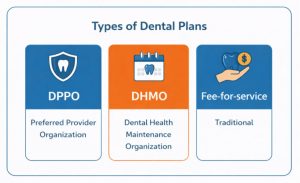
Types of Dental Plans Available
Exploring the different types of dental plans is essential in choosing coverage that fits your needs. Plans can be obtained individually or through a group, like an employer. Whether you’re looking for standalone dental insurance or additional dental benefits added to health insurance, understanding the options available can clarify the decision-making process. Comparing costs and understanding what each plan offers in terms of coverage can help ensure you’re making an informed choice. Let’s dive into the details of the individual, family, and standalone dental plans to better understand their structures and benefits.
Comparing Individual and Family Plans
When deciding between individual and family dental plans, it’s important to consider both the costs and potential benefits. Individual dental plans cater to one person’s specific dental health needs. These plans often allow more flexibility in selecting providers and customizing coverage levels. This can be especially beneficial for individuals who have specific dental concerns or prefer personalized care. However, the costs associated with individual coverage can sometimes be higher compared to group plans, as they don’t spread the financial risk over multiple policyholders.
On the other hand, family dental plans provide coverage for your entire household under one policy, which can simplify managing dental care for multiple people. These plans often come with a higher overall cost but can offer savings when compared to buying separate plans for each family member. Family plans typically cover preventive services such as cleanings and exams for everyone, with shared benefits like annual maximums. When it comes to selecting between these plans, the decision often boils down to comparing the costs associated with each plan against the coverage they provide. Family plans might also offer lower premiums per person and more comprehensive coverage for children, which is a significant consideration. Ensuring that all family members’ dental needs are covered without breaking the bank is key in selecting the right option.
Understanding Standalone Dental Plans
Standalone dental plans offer coverage exclusively for dental care, distinct from health insurance policies. These plans can be advantageous for individuals or families who want specialized dental coverage without tying it to their health insurance. Standalone dental insurance typically emphasizes preventive care, covering routine cleanings and exams to manage oral health proactively. They often provide coverage for more extensive procedures, such as fillings and crowns, though the specifics can vary by plan.
One significant advantage of standalone dental plans is their flexibility. They can be selected to match specific dental needs and are available on both individual and family levels. For individuals focused solely on dental health without integrating it with other health services, these plans can be simpler and more targeted. However, it’s important to understand the limitations and exclusions common with standalone plans, such as potential waiting periods for coverage on major procedures. Checking plan details is crucial to ensure it aligns with personal dental healthcare needs and budget constraints. Comparing these plans based on coverage and cost can highlight the most suitable option, especially when dental care is a high priority.
By understanding these different types of dental plans, you can make informed decisions about which coverage will best support your and your family’s dental health at a manageable cost. Before choosing, consider entering your ZIP code on our website to explore the available dental insurance options and find plans that suit your needs.
| Type of Plan | Coverage Features | Cost Considerations | Flexibility | Key Advantages |
|---|---|---|---|---|
| Basic Dental Plan | Preventive care, routine check-ups | Low monthly premiums | Limited to network providers | Cost-effective for basic needs |
| Comprehensive Dental Plan | Preventive, major procedures | Higher premiums but lower out-of-pocket costs | Broader network access | Extensive treatment coverage |
| Discount Dental Plan | Discount on all dental services | Annual membership fee | High provider flexibility | No waiting periods |
| Employer-Sponsored Plan | Varies by employer | Employer contributes to premium | Dependent on employer’s offerings | Potentially lower individual cost |
This table provides a concise overview of the various dental plan options, aiding in informed decision-making by highlighting their core features and benefits.
Find & Compare Plans Online
Factors Affecting Insurance Cost
When considering dental insurance, multiple factors can significantly impact the overall cost. These include geographic location, the type of plan selected, such as individual or family plans, and the insurance company’s particular pricing strategy. Here, we will explore how location can alter insurance quotes and look at cost differences between individual and family dental plans. Understanding these elements can guide you to more informed decisions, prompting you to assess how factors like where you live influence your insurance costs and how different plan types compare in terms of expenses.
Location and Insurance Quote Variances
Geographic location plays a pivotal role in determining dental insurance costs. Many insurance companies adjust their insurance quotes based on local cost-of-living differences and the availability of dental providers. For instance, areas with a higher cost of living, like bustling urban centers, tend to have higher insurance premiums compared to rural regions. This is often because dental care services in cities can cost more due to demand and operational costs. Whether you’re comparing individual plans or considering a group plan through an employer, understanding how your specific location influences these variances is vital.
Additionally, insurance companies also evaluate regional demand for dental services. This means the same insurance company might offer different plan options or premiums based on local competition and consumer needs. As such, two individuals living in different states could be offered significantly different prices for similar plans. Individuals should always seek an insurance quote tailored to their location to get an accurate picture of expected costs.
To make the most of your location-related considerations, it’s wise to shop around and compare different companies and their offerings. Entering your ZIP code when searching for dental insurance can help you see prices and plan features specific to your area. By doing so, you can better assess whether the potential coverage aligns with your needs and the insurance premiums you’re willing to pay, making informed decisions that can save money and secure suitable coverage.
Comparing Costs: Individual vs. Family Plans
The choice between individual and family dental plans is another key factor in insurance cost analysis. Individual dental plans are designed specifically for one person, allowing for tailored benefits based on that person’s specific dental needs. While this customization might offer the advantage of personalizing care, individual plans often come with higher insurance premiums. This is primarily because the financial risk isn’t spread across many people like it is with group or family plans.
Family plans, on the other hand, provide coverage under a single policy for all household members. While the overall cost might be higher than an individual plan, family dental plans can be more cost-effective when considering coverage per person. They usually cover a range of preventive services, such as annual exams and cleanings for the whole family, with a shared annual benefit limit which can lead to greater savings. Family plans are especially advantageous when considering children’s dental costs, as many insurance companies offer comprehensive pediatric coverage that might include services like orthodontics.
Comparing costs between these two types of plans involves weighing the price against the benefits offered. For some, the flexibility and tailored care of an individual plan justify the cost, especially if specific dental needs are a priority. For others, a family plan offers better support for multiple individuals, potentially lowering per-person costs and simplifying the management of dental care expenses. In either scenario, understanding your specific needs and the group’s health profile is crucial to selecting the most fitting plan type. This involves examining premiums, coverage details, and potential out-of-pocket costs, helping you make an informed choice that meets both your dental needs and budget.
Finding Affordable Dental Insurance
Identifying affordable dental insurance involves understanding the array of available plans and comparing their benefits and costs. It’s essential to consider factors such as coverage options, insurance company offerings, and personal dental care needs. You should weigh the varying costs of individual and family plans, as well as the benefits they provide. By understanding these elements, individuals can make informed decisions and choose a dental plan that matches their budget and care requirements. Exploring tips for selecting the right plan is a crucial step towards ensuring affordable dental coverage.
Tips for Choosing the Right Plan
Selecting the right dental insurance plan can be a straightforward process when you know what to look for. Start by assessing your dental care needs. Understanding what types of services you require influences whether you need a basic or comprehensive coverage plan. Preventive care, like regular check-ups and cleanings, is typically included in most plans. However, if you anticipate needing services like fillings, crowns, or dentures, look for plans that offer extensive coverage for these options. Additionally, if any family members might require orthodontic treatment, check if the plan provides benefits for braces.
Consider how much you are willing to pay in premiums versus what the plan covers. Plans with lower monthly premiums might have higher out-of-pocket costs for procedures, while plans with higher premiums could offer more extensive coverage. It’s also worthwhile to examine the network of dentists associated with the insurance. A broader network means more options and opportunities to find a dentist you trust. Additionally, check for waiting periods, as some plans impose delays before coverage for certain services begins.
Comparing costs between plans is crucial. Look at not just the premiums, but also annual maximums and deductibles. Do you prefer a plan with lower monthly costs but a higher deductible, or the opposite? Also, don’t forget to examine the plan’s benefits and any exclusions that could affect your overall dental costs. Plans often differ significantly between insurance companies, so shopping around and comparing different insurers will better equip you to find the optimal balance between cost and coverage.
Locational factors, as previously noted, can affect plan costs significantly. Urban and rural differences in insurance costs make it important to obtain quotes that consider your geographic area. Adding your ZIP code while searching can reveal localized options and help in selecting a plan that aligns specifically with your budget constraints.
Being insured is about more than just finding the cheapest option, it’s finding the right balance of cost and benefits. By taking into account your unique dental needs and financial situation, you can select a dental insurance plan that provides affordable and comprehensive coverage, minimizing unexpected expenses and ensuring necessary dental care is accessible. Feel confident in your decision by exploring detailed plan options in your area and selecting a plan that’s just right for you and your family. Enter your ZIP code to see specific options tailored to your financial and dental needs.
Understanding the cost of dental insurance helps you make informed decisions. Coverage varies by plan, location, and provider, so it’s important to assess your needs carefully. Remember, plans might cover services differently, impacting overall costs. For a more personalized view, enter your ZIP code on our site to explore various options available in your area. It’s a good first step in finding the plan that meets your dental care needs while managing costs effectively.
Rich content results: FAQs
Compare plans and enroll online
Frequently Asked Questions
What factors influence the cost of dental insurance?
The cost of dental insurance is influenced by several factors including the type of plan (individual or family), the location where you live, and whether the plan is obtained through your employer or individually. Insurance premiums can vary based on these aspects.
How does location affect dental insurance costs?
Location significantly impacts dental insurance costs due to variations in dental care prices. Urban areas often have higher premiums compared to rural regions because of the higher cost of living and operational expenses. Insurance companies adjust quotes based on these local factors.
What are common exclusions in dental insurance plans?
Common exclusions in dental insurance plans typically include cosmetic procedures such as teeth whitening and adult orthodontics. Some plans also limit coverage for major procedures like dental implants or require a waiting period before coverage begins.
What is typically covered under dental insurance?
Dental insurance generally covers preventive care such as regular check-ups and cleanings, as well as basic procedures like fillings. Some comprehensive plans also offer coverage for more extensive procedures like crowns, root canals, and sometimes orthodontics, especially for children.
What is the difference between individual and family dental plans?
Individual dental plans are tailored to cover one person, offering more flexibility in choosing providers and customized benefits. Family plans cover multiple people in a household under one policy, usually providing preventive care for everyone and potentially lowering per-person costs.
Find & Compare Plans Online
ZRN Health & Financial Services, LLC, a Texas limited liability company

Russell Noga is a Dental Insurance Educator who writes informational content focused on helping consumers understand dental insurance coverage, benefits, and common plan features. His work emphasizes clear explanations of preventive care, basic and major services, waiting periods, provider networks, and plan limitations. Content is reviewed periodically to ensure clarity and accuracy and is based on publicly available sources. Information may change over time as plan details, availability, and coverage options are updated.