Dental insurance for seniors on Medicare can be an essential piece of your healthcare puzzle, helping to manage the costs associated with maintaining oral health. By covering a range of services like regular cleanings, x-rays, and fillings, dental insurance can ease the financial burden of preventive and emergency procedures. Understanding what dental insurance covers and when you can enroll is crucial to making informed decisions about your dental care and financial planning. This guide will explore the typical coverage included in dental insurance plans, providing clarity on how this form of coverage can be instrumental in preserving your overall well-being.


Dental Insurance for Seniors
find affordable dental insurance





What Is Covered In Dental Insurance
Key Highlights
- Dental insurance covers preventive care such as cleanings, exams, and x-rays, often at 100%.
- Group plans offer comprehensive coverage with lower premiums, while individual plans provide tailored options.
- Traditional plans reduce costs through negotiated rates, whereas indemnity plans offer more provider flexibility.
- Coverage typically includes fillings, extractions, and major procedures like crowns, subject to waiting periods.
- Integrating dental insurance with Medicare or indemnity plans expands coverage and reduces out-of-pocket costs.
Compare plans and enroll online
Introduction to Dental Insurance
Diving into dental insurance can be daunting, yet it plays a crucial role in managing dental health costs. While understanding what is covered in dental insurance, many discover how these policies can ease the financial burden of both routine and unexpected dental expenses. Here, we explore the basics of dental insurance cover, discussing how dental insurance typically covers various dental procedures and its role in financial management. By grasping these essentials, you can make informed decisions about choosing a policy that’s right for your needs.
Understanding Dental Insurance Coverage
Dental insurance plays a vital role in alleviating the high costs of dental care by providing much-needed financial support. One might wonder, “What is covered in dental insurance?” Most dental insurance plans cover a variety of services to help maintain oral health and manage expenses effectively. Typically, dental insurance coverage includes preventive care, such as regular check-ups, cleanings, and x-rays, as these are crucial for preventing larger issues down the road. Such preventive services are often covered at 100% by many policies, underscoring their importance in a robust dental care routine.
Beyond prevention, dental insurance plans frequently extend their cover to basic procedures like fillings, extractions, and root canals, although these might require a copayment or falling under a different coverage tier. It’s helpful to understand that most dental plans will usually cover a portion of major procedures, such as crowns, bridges, and dentures, but these services can be subject to a waiting period. These policies are structured to balance the costs between the insured and the insurance company, ensuring that dental care remains accessible and affordable over time. Moreover, understanding the specifics of what dental insurance typically covers can assist in managing unexpected dental expenses more effectively.
The coverage varies significantly depending on the type of policy and insurance company. Thus, a comprehensive review of the insurance policy is crucial to know exactly how much will be covered and what costs may be out-of-pocket. This knowledge allows you to plan ahead, budget accordingly, and utilize the policy to its fullest. Carefully analyzing what a plan covers ensures a clearer understanding of financial obligations and the potential need for supplemental resources or coverage options.
The Role of Insurance in Managing Dental Expenses
Insurance plays a crucial role in managing dental expenses, an essential aspect often underestimated until a costly procedure arises. Dental insurance is designed to alleviate these expenses, spreading dental care costs over time, which significantly reduces out-of-pocket surprises. By doing so, it encourages individuals to seek necessary care without delay, maintaining oral health and preventing more severe and costly health issues down the line. Here, we’ll explore how insurance works to manage costs and what this means for you as a policyholder.
One of the key advantages of dental insurance is its structured cost management, which often includes negotiated rates with preferred providers. Most dental insurance plans cover these costs partially, thus preventing dental health from becoming a financial burden. As a result, individuals with insurance are more likely to engage in regular dental visits, a proactive measure that saves significant costs in the future. This structure highlights the partnership between you and the insurance company, by sharing the financial burden, you’re encouraged to prioritize dental health without worrying excessively about the costs.
Additionally, understanding how your insurance policy manages costs through annual limits, deductibles, and copayments is essential. By dissecting these elements, policyholders can identify potential gaps in coverage that might lead to unexpected expenses. While most dental insurance plans cover a broad range of services, knowing the limits of your policy can help you plan and possibly seek supplemental options for gaps in coverage. For many, this means exploring additional resources to manage costs, including flexible spending accounts or premium dental plans complimentary to Medicare coverage. By understanding and utilizing your policy effectively, you can ensure dental expenses remain manageable, supporting both your budget and your health over the long term.
Types of Dental Insurance Plans
Understanding the various types of dental insurance plans is integral for selecting a policy that meets your needs. Whether you’re considering dental insurance group plans through an employer or exploring individual plans, each comes with distinct benefits and coverage options. Group plans might offer familial coverage, often at a reduced rate due to group negotiation, whereas individual plans provide personalized options that cater to specific insurance needs. Examining the differences between traditional and indemnity dental plans further enhances your understanding and choosing a plan aligned with your financial and dental health priorities.
Dental Insurance Group Plans vs. Individual Plans
When considering dental insurance, understanding the distinction between group plans and individual plans is crucial. Group dental insurance plans, often provided through employers, offer coverage to employees and their families as part of a benefits package. These plans leverage the collective bargaining power of groups to negotiate favorable terms and pricing with insurance providers. For families, this often translates to comprehensive coverage with lower premiums compared to individual plans. In many cases, group plans come with additional benefits, such as broader networks of dentists and less restrictive underwriting, making them an attractive option for those who are part of an employer-sponsored program.
However, for individuals seeking more tailored coverage, individual dental insurance plans offer flexibility that group plans may lack. Individual plans enable policyholders to customize their coverage, which means you can select from a variety of options to fit your personal dental care needs. While premiums may be higher compared to group plans, the ability to handpick services important to you compensates for this difference. If you’re part of a family without access to group insurance or prefer a plan that addresses unique dental needs without the constraints of a group policy, individual plans provide an excellent alternative.
Ultimately, the decision between group and individual plans weighs on factors such as cost, coverage needs, and access to preferred dental care providers. Those in group plans benefit from the convenience and potential cost savings of structured programs, while individuals who opt for personal plans value customization and specialized coverage. Weighing these options carefully ensures you select a dental insurance plan that aligns with your financial capabilities and health needs, empowering you to make informed decisions about managing your oral health effectively.
Key Differences Between Traditional and Indemnity Dental Insurance
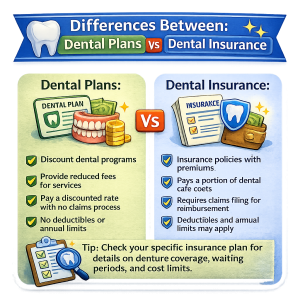
The choice between traditional dental insurance and indemnity dental insurance can significantly impact your coverage and costs. Traditional dental insurance plans often operate within a network, which means certain providers agree to negotiated fees for services, usually resulting in lower out-of-pocket costs for the policyholder. These plans might include Health Maintenance Organizations (HMOs) or Preferred Provider Organizations (PPOs), with HMOs generally offering less expensive premiums in exchange for limited provider networks. Coverage under traditional plans includes preventive services, often with no waiting periods, making them appealing for regular dental check-ups and basic treatments such as cleanings and exams.
In contrast, indemnity dental insurance, also known as fee-for-service plans, provides more flexibility regarding dentist selection, as they typically allow policyholders to choose any provider. With indemnity plans, the insurance covers a specified percentage of the cost for services, and you pay the rest, with the potential for higher out-of-pocket expenses. However, the trade-off is significant: unrestricted access to any dentist or specialist. For those prioritizing autonomy in choosing their dental care providers or who have complex dental needs, indemnity plans can be a worthwhile choice.
Another critical distinction relates to cost management and predictability. Traditional plans often come with set premiums and predictable out-of-pocket costs. In contrast, an indemnity insurance cost might fluctuate based on the services rendered and the charging policies of the chosen providers. Understanding these key aspects helps determine which plan suits your preference for network restrictions versus provider flexibility and financial predictability versus potential out-of-pocket variability. By examining these differences, you can align your dental insurance choice with your financial and health strategy, ensuring both short and long-term dental care needs are met efficiently.
What Dental Insurance May Cover
Dental insurance plays a significant role in supporting dental health by mitigating costs associated with routine and unexpected dental procedures. Understanding what dental insurance may cover is crucial for optimizing your policy benefits. Generally, coverage includes routine preventive care, which is essential for maintaining oral health, alongside a host of other dental procedures. Knowing these can help you manage out-of-pocket expenses effectively, while also guiding you to the appropriate care path for long-term dental health.
Preventive Care: Importance and Coverage
Preventive care is a cornerstone of dental insurance, emphasizing regular maintenance to avoid more complex dental issues later on. This coverage typically includes routine preventive measures such as dental cleanings and exams, often covered at 100%. The importance of preventive care cannot be overstated; it’s designed to catch potential problems early and maintain optimal oral health. Regular cleanings and exams help prevent gum disease and tooth decay, ultimately leading to fewer invasive and expensive dental procedures over time.
Dental insurance usually covers preventive care thoroughly because these services are crucial in identifying minor issues before they escalate into significant problems that require extensive treatment. By including x-rays in the preventive care package, insurers ensure that both visible and hidden dental issues are detected early. Cleanings and exams are not only beneficial for maintaining a clean and healthy mouth but also educate patients on effective dental hygiene practices, enhancing personal dental care routines.
Routine visits incentivized by comprehensive coverage make preventive care highly accessible. These visits contribute to long-term health by enabling early treatment and maintaining a stable dental environment, significantly reducing the risk of emergencies. Leveraging preventive coverage effectively can lead to maintaining broader health impacts, as oral health is closely related to systemic health. For many, understanding this aspect of dental insurance transforms how they approach dental care and financial planning.
Dental Procedures Typically Included in Coverage
Besides preventive services, dental insurance often provides coverage for a variety of procedures that address common dental issues. Typically included under most plans are basic procedures like fillings, which remedy tooth decay and restore functionality. Extractions may also be covered, essential for removing problematic teeth that could otherwise lead to more serious conditions if left untreated.
More involved procedures, such as root canals, may be covered to some extent, although they often require a higher out-of-pocket contribution from the patient. These procedures are crucial for saving and maintaining the integrity of a tooth post-infection or injury. Dental insurance might also offer coverage for major procedures like crowns, bridges, and dentures, albeit with potential waiting periods. Understanding these nuances of coverage allows policyholders to budget more effectively for anticipated dental treatments.
The structure of coverage for these procedures often involves a tiered system, where different levels of coverage apply based on the complexity and necessity of the service. Patients should be aware of potential limitations such as annual maximums and lifetime limits for certain treatments. Such comprehensive knowledge of what procedures are typically covered helps in avoiding unexpected costs and maximizing the benefits of the dental insurance plan.
Navigating through these coverage details empowers individuals to make informed decisions about their dental care, ensuring they utilize available benefits to the fullest while complementing other health plans, like Medicare or hospital indemnity insurance, to achieve holistic health coverage.

Costs Associated with Dental Insurance
Understanding the costs associated with dental insurance is essential for managing your financial planning effectively. Dental insurance costs can include premiums, deductibles, copayments, and out-of-pocket expenses. Navigating these costs enables individuals, particularly seniors, to better manage their dental health budget. To optimize your dental insurance investments, it’s crucial to understand how these premiums and potential out-of-pocket expenses work. Finding resources to manage these costs effectively enhances access to necessary dental care and ensures a comprehensive understanding of your coverage options.
Understanding Premiums and Out-of-Pocket Costs
When diving into dental insurance, understanding premiums and out-of-pocket costs is essential for managing your budget. Premiums are the regular payments you make to keep your insurance policy active. They can vary significantly based on the insurance company, the scope of coverage, and additional factors like age and location. For many, it’s common to prioritize insurance policies offering premiums within a manageable range, ensuring continued access to necessary dental care without straining their finances.
Beyond premiums, out-of-pocket costs are often a focal point for those seeking dental insurance. Out-of-pocket expenses encompass deductibles, copayments, and any costs not covered by your policy. Deductibles refer to the amount you must pay out of pocket before insurance starts to cover certain services. For instance, if your deductible is $200 and a dental procedure costs $500, you’d need to pay the $200 deductible first before your insurance company covers the remainder according to the policy terms.
Copayments, on the other hand, represent a fixed amount you’d pay for specific services, such as fills or cleanings. These costs can add up, making it vital to understand your policy’s specific details. Coverage policies often entail maximums, setting limits on what the insurance company will pay within a given year. Policyholders must be vigilant about these terms to prevent unexpected expenses. This knowledge assists families, retirees, and individuals in anticipating and managing dental costs efficiently, allowing them to balance health needs with financial capabilities proactively.
| Cost Component | Description | Impact on Budget | Management Strategies |
|---|---|---|---|
| Premiums | A regular payment made to maintain dental insurance coverage. | Can be a fixed monthly expense that impacts discretionary spending. | Consider choosing a plan with manageable premiums that fit your budget, potentially offered through an employer. |
| Deductibles | The amount paid out-of-pocket before the insurance begins to cover costs. | High deductibles may require significant upfront payments, affecting cash flow. | Select plans with deductibles that align with expected dental care needs, and save in a health savings account if possible. |
| Copayments | A fixed fee paid at the time of receiving dental services. | Frequent services can result in cumulative costs that must be planned for in the budget. | Estimate expected dental visits to budget for copayments, and investigate if higher copayments balance lower premiums. |
| Out-of-Pocket Expenses | Costs not covered by insurance, such as certain procedures or treatments. | Unexpected expenses can substantially impact financial planning. | Maximize benefits by understanding what services are covered, and consider emergency savings for unforeseen expenses. |
This table highlights the key financial elements of dental insurance and strategies for effective cost management, providing a framework to help individuals make informed decisions about their dental health budget.
Find & Compare Plans Online
Finding Resources to Manage Dental Insurance Costs
Exploring resources to manage dental insurance costs can significantly alleviate financial burdens related to dental care. Understanding the available options is key to optimizing your policy’s benefits while minimizing out-of-pocket expenses. Many insurance providers offer online tools and calculators to estimate potential costs based on procedures and policy conditions. These tools can empower policyholders to plan ahead and allocate funds more effectively, reducing stress during costly dental procedures.
Furthermore, several external resources can complement the understanding of insurance management. Local dental school clinics often provide affordable treatment, offering another layer of support in managing costs. These clinics can prove invaluable to retirees and individuals without extensive coverage, providing quality care through practiced dental students under professional supervision. This not only lowers the expenses but also contributes to community engagement in healthcare education.
Also, flexible spending accounts (FSAs) can serve as a financial cushion, allowing individuals to allocate pre-tax dollars to cover out-of-pocket costs. Similarly, Health Savings Accounts (HSAs) provide a tax-advantaged means to save and pay for future dental expenses. These accounts can work in conjunction with high-deductible plans to bridge gaps in coverage, offering more comprehensive financial protection.
Active communication with your insurance provider is crucial. By regularly reviewing communication on policy adjustments, discounts, and additional benefits, you ensure you’re maximizing your coverage. Such proactive steps not only empower mature adults to manage new or unexpected dental expenses but also foster an enhanced understanding of how to leverage policy benefits successfully.
How Dental Insurance Complements Medicare and Indemnity Plans
Dental insurance can be a valuable addition when paired with Medicare and indemnity plans, offering a more comprehensive health coverage approach. While Medicare primarily covers medical and hospital services, it often lacks extensive dental coverage, leaving a gap that dental insurance can fill. Integrating these health plans can help manage out-of-pocket costs effectively, providing seniors and retirees with peace of mind. Furthermore, combining dental insurance with hospital indemnity insurance expands the coverage net, ensuring that both dental and hospital needs are addressed adequately for comprehensive financial protection.
Integrating Dental Insurance with Medicare Advantage Plans
Integrating dental insurance with Medicare Advantage plans can significantly enhance the overall healthcare experience for seniors. Medicare Advantage plans, also known as Part C, often include additional benefits that Original Medicare does not cover, such as vision, hearing, and sometimes dental. However, the dental coverage provided by Medicare Advantage is typically basic, often covering routine preventive care and possibly some minor procedures. By adding a standalone dental insurance plan, seniors can expand their coverage to include more comprehensive dental care, such as major procedures like crowns, bridges, or dentures, which are generally necessary as we age.
Providing adequate dental coverage is paramount as the costs of dental care can be a financial burden, especially when unexpected procedures are needed. With the integration of dental insurance, policyholders can also reduce potential out-of-pocket expenses for extensive dental work, which might not be fully covered under the basic benefits of a Medicare Advantage plan. The seamless integration of these insurances means leveraging the benefits of both to ensure coverage gaps are minimized. Additionally, preventive care is prioritized, helping prevent severe issues before they arise, thereby supporting overall health. Those exploring this integration should carefully evaluate the varying policies from different providers to ensure the additional dental insurance supports their specific needs. Utilizing resources provided by insurance companies can also guide seniors in understanding the costs, ensuring they receive maximum benefits from their chosen plans.
Furthermore, integrating dental insurance offers flexibility in selecting preferred dental providers, which can be a significant advantage over more restrictive network plans. This flexibility allows seniors to continue visiting dental providers they trust, ensuring continuity of care and satisfaction. By strategically combining a dental insurance policy with a Medicare Advantage plan, seniors are better equipped to manage both routine and unexpected dental and medical expenses, promoting comprehensive health and financial well-being. For many, understanding these combinations and applying supplemental coverage wisely equates to heightened assurance in their growing health needs.
The Benefits of Combining Dental Insurance with Hospital Indemnity Plans
Combining dental insurance with hospital indemnity plans provides robust financial protection against unforeseen health expenses. Hospital indemnity insurance pays a fixed cash benefit when you’re hospitalized, which can cover expenses not typically covered by Medicare, such as deductibles or additional services like dental care. This combination ensures that beneficiaries manage both hospital and dental costs more effectively, promoting better financial planning and health outcomes.
When dental treatments coincide with hospital visits, whether emergency surgery or inpatient care due to an accident, the resulting costs can escalate quickly. Hospital indemnity insurance can act as a safety net by providing funds that can be allocated toward surging dental expenses, thus easing the financial strain on families or retirees living on a fixed income. This strategy fosters a sense of security, knowing significant expenses stemming from hospital visits are offset, leaving more personal resources available for managing comprehensive dental care.
Furthermore, the integration of dental insurance augments the hospital indemnity policies, ensuring out-of-pocket expenses are minimized. With dental insurance covering routine preventive and necessary dental procedures, policyholders are less likely to defer essential dental care due to financial concerns. This proactive approach to combining coverage also defends against long-term health issues arising from untreated dental problems, which can exacerbate existing medical conditions that require hospitalization. By strategically combining these insurance types, seniors benefit from reduced financial threats, ensuring their health care needs are comprehensively met.
Therefore, exploring the alignment of these plans ensures a more rounded approach to health management. Beneficiaries are encouraged to engage with insurance companies to fully understand the potential benefits of combining such plans. This collaboration between dental insurance and hospital indemnity insurance can support sustained well-being by providing necessary coverage in both everyday medical and dental needs. Such strategic combinations empower seniors and their families to maintain optimal health without the constant worry of heavy financial implications from medical and dental care.
Understanding your dental insurance coverage empowers you to make more informed decisions regarding your oral health care. With a clear grasp of what services are typically covered, you can effectively plan for routine visits, necessary treatments, and preventive care. As you evaluate dental insurance options, consider how they align with your personal dental needs and budget. Stay proactive in maintaining your dental well-being and remember that regular check-ups can prevent costly procedures in the future. For more detailed guidance on dental insurance, feel free to access our downloadable resources or explore other educational articles available on our platform.
Compare plans and enroll online
Frequently Asked Questions
What types of dental services are typically covered by dental insurance?
Dental insurance usually covers preventive care such as cleanings, exams, and x-rays, often at 100%. Basic procedures like fillings and extractions are commonly included, as well as major procedures like crowns and root canals, though these may have a waiting period and require copayments.
How do individual dental plans differ from group plans?
Individual dental plans allow for tailored options specific to personal needs, possibly with higher premiums. In contrast, group plans, often offered through employers, offer reduced rates due to collective bargaining and may include family coverage, potentially making them more comprehensive and cost-effective.
What is the difference between traditional and indemnity dental insurance plans?
Traditional plans typically operate within a network, providing negotiated fee structures for reduced out-of-pocket costs. Indemnity plans, however, offer more flexibility in choosing any provider, covering a portion of costs, which can result in higher out-of-pocket expenses but allows for greater provider choice.
Can dental insurance be integrated with Medicare and hospital indemnity plans?
Yes, dental insurance can complement Medicare by covering dental services that Medicare does not typically cover. Hospital indemnity insurance can help manage expenses not covered by dental insurance during hospital visits, providing comprehensive financial protection.
What should be considered when managing dental insurance costs?
Consider premiums, deductibles, copayments, and annual limits. Understanding these elements helps in anticipating costs and making informed decisions about supplemental options, such as flexible spending accounts, to manage out-of-pocket expenses effectively.
Find & Compare Plans Online
ZRN Health & Financial Services, LLC, a Texas limited liability company

Russell Noga is a Dental Insurance Educator who writes informational content focused on helping consumers understand dental insurance coverage, benefits, and common plan features. His work emphasizes clear explanations of preventive care, basic and major services, waiting periods, provider networks, and plan limitations. Content is reviewed periodically to ensure clarity and accuracy and is based on publicly available sources. Information may change over time as plan details, availability, and coverage options are updated.