Shopping for vision and dental insurance in California can feel separate from choosing health coverage, but the details matter just as much. Most medical plans offer limited adult dental and vision benefits, leaving many Californians to compare standalone plans, provider networks, exam coverage, eyewear allowances, deductibles, and waiting periods. This guide explains what to look for so you can choose coverage that fits your care needs and budget.


Dental Insurance for Seniors
find affordable dental insurance





Vision and Dental Insurance California
Key Takeaways
- Adult dental and routine vision benefits usually require separate coverage; standard medical plans typically do not include them.
- Pediatric dental and vision have stronger ACA protections; Covered California offers pathways for qualifying family coverage.
- Compare provider networks, waiting periods, annual maximums, copays, and exclusions, not just monthly premiums.
- Dental PPOs offer broader provider choice; DHMOs typically require network dentists but may have lower premiums.
- Vision plans generally cover routine exams and eyewear allowances; eye injuries and diagnosed conditions use medical insurance.
- Confirm providers accept new patients and verify benefits before appointments or enrolling.
Compare Dental Plans
Vision and Dental Insurance California: What Health Insurance Includes
In California, health insurance generally covers medical care, prescriptions, preventive services, and mental health treatment, but dental vision benefits work differently. For most adults, routine eye exams, glasses, contact lenses, cleanings, fillings, crowns, and orthodontics are not automatically included in a standard individual or family medical plan. Those services are commonly purchased through separate dental and vision insurance policies or added as optional benefits when available.
Children receive stronger protections. Under Affordable Care Act rules, pediatric dental coverage is an essential health benefit, so families buying coverage through Covered California can obtain it either within a health plan or through a standalone dental plan. Pediatric vision care is also part of the essential benefits framework, although the exact scope, such as the allowance for frames or lenses, depends on the plan.
For adults, the right dental vision arrangement comes down to expected care and provider preferences. A low-premium plan may cover preventive visits immediately while imposing waiting periods, annual maximums, or lower reimbursement for major dental work. Vision plans often include an annual exam and set allowances toward eyewear, with greater savings when members use in-network optometrists and optical retailers.
Before enrolling in vision and dental insurance California residents should review the provider directory, benefit schedule, waiting-period rules, and annual limits alongside the monthly premium. That comparison clarifies whether separate insurance adds meaningful value beyond paying directly for occasional routine care.
California Dental Insurance and Dental Plans: Networks, Costs and Care
Choosing California dental insurance is less about finding the lowest monthly premium than understanding how a plan will work when you need care. California’s dental market includes DHMOs, PPOs, indemnity-style options and discount arrangements, each with a different balance of provider choice, predictable costs and access to services. Use plan directories and direct calls to find providers accepting new patients before enrolling.
A plan that looks inexpensive can be a poor fit if your preferred dentist is out of network, a specialist is difficult to reach, or major treatment carries a long waiting period.
Start with the dental care you expect to use. Preventive visits, cleanings and routine X-rays are often covered at the highest level, but fillings, crowns, root canals, implants and orthodontic services may involve deductibles, coinsurance, annual maximums or exclusions. Families should also check pediatric benefits and the availability of conveniently located providers, particularly in areas where appointments with in-network specialists can be limited.
Networks vary widely across the state, such as Florida or California. In a PPO, seeing an in-network provider generally means lower negotiated rates, while out-of-network care may still receive partial reimbursement. A DHMO usually requires members to select a primary dentist and use the plan’s network, often in exchange for set copayments and lower premiums.
Before enrolling, confirm that a dental office is accepting new patients, not simply listed in the directory, and ask for an estimate of likely costs for planned services. The right dental plans make routine care easy to schedule while offering clear, realistic protection when treatment becomes more involved.
Vision Insurance and Vision Plans: Exams, Eyewear and Vision Benefits
Vision insurance can make routine eye care more predictable, particularly for people who wear glasses or contact lenses and expect to update them regularly. Most vision plans are built around preventive care: a comprehensive eye exam at a participating office, an allowance toward frames or contact lenses, and set copays for common services.
The details matter, though. A vision plan is not the same as medical insurance for an eye injury, infection, glaucoma, cataracts, or another diagnosed condition; those services are generally billed through medical coverage.
When comparing vision coverage, look beyond the monthly premium. Check how often the plan covers an exam, whether your preferred optometrist or ophthalmologist is in network, and the frame allowance after any copay. A generous-sounding eyewear benefit may still leave a sizable balance if you choose premium frames, progressive lenses, lens thinning, blue-light filtering, or specialty coatings. Contact lens benefits may be offered instead of glasses rather than in addition to them.
For many households, the practical value of vision benefits comes from timing. If you are due for an annual exam and new eyewear, a plan can reduce those scheduled costs. If your prescription is stable and you already have glasses you like, paying directly may be simpler.
Ask the office to verify benefits before your appointment and request an estimate for any upgrades, so there are no surprises at checkout.
Find & Compare Plans Online
Covered California and Dental Vision Coverage: Shopping Paths and Enrollment
Covered California is primarily the state’s marketplace for individual and family health insurance, but it can also be part of a smart dental vision shopping plan. During open enrollment, or after a qualifying life event, shoppers can compare health coverage, determine eligibility for financial help, and review available family dental products alongside a medical plan. Pediatric dental and vision benefits are generally built into qualified health coverage, while adult needs require a closer look at what is included, what is optional, and what should be purchased separately.
For adults, standalone dental coverage may be available through Covered California or directly from carriers, depending on the plan and enrollment timing. Adult vision coverage is more commonly purchased directly from a vision insurer or through an employer, with benefits structured around eye exams, frames, lenses, contacts, and network discounts. The best route depends on whether care is needed soon, preferred dentists or optometrists are in-network, and whether waiting periods apply to major dental services.
People who qualify for Medi-Cal should review its separate benefit structure rather than assume marketplace options are necessary. Medi-Cal Dental provides covered services for eligible members, and Medi-Cal also includes vision-related benefits under its public program rules. Before enrolling, confirm household eligibility, provider access, premiums, annual maximums, and the effective date of coverage, especially when medical, dental, and vision needs do not begin on the same schedule.
Dental and vision shopping checklist
- Compare Covered California health plans during open enrollment or after a qualifying life event.
- Confirm whether pediatric dental and vision benefits are included with qualified health coverage.
- Review standalone adult dental options through Covered California and directly from insurance carriers.
- Shop adult vision plans through insurers or employers, checking exams, eyewear allowances, and contact benefits.
- Verify preferred dentists and optometrists participate in each plan’s provider network.
- Check dental waiting periods, annual maximums, premiums, and coverage effective dates before enrolling.
- Review Medi-Cal Dental and vision benefits separately if household members qualify for Medi-Cal.
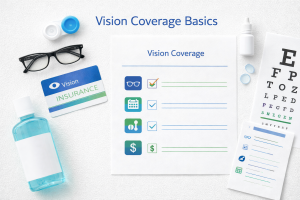
Choosing Dental and Vision Coverage for Individual and Family Plans
Dental and vision benefits deserve the same thoughtful review as medical coverage, especially when you are comparing individual options with family plans. The right choice starts with the care you expect to use: routine cleanings and exams, fillings, orthodontic needs, annual eye exams, prescription lenses, or contact lenses. Dental plans can differ widely in waiting periods, annual benefit maximums, covered preventive services, and the dentists available near home or work.
Vision plans may offer meaningful savings on exams and eyewear, but it is worth checking frame allowances, lens upgrades, contact benefits, and whether your preferred optometrist participates. For members of different ages, the practical priorities can change quickly. Young children may need frequent dental monitoring; teens may have orthodontic considerations; adults may value strong coverage for restorative work or progressive lenses.
Before enrolling, find out how each plan handles in-network and out-of-network care, copays, deductibles, and any limits on services. A local provider directory can be especially useful when you want care that fits your routines and keeps you connected to the community. Comparing the details now helps ensure your coverage supports everyday preventive care as well as the unexpected appointments that can arise during the year.
| Feature to Review | Dental Coverage Questions | Vision Coverage Questions | Why It Matters |
|---|---|---|---|
| Provider access | Which dentists are available near home or work? | Does your preferred optometrist participate? | Local provider access can help care fit your routine and community connections. |
| Preventive care | Are routine cleanings, exams, and other preventive services covered? | Are annual eye exams included? | Supports everyday care and helps address needs early. |
| Out-of-network rules | How does the plan handle care from dentists outside the network? | How does the plan handle care from optometrists outside the network? | Network rules can affect where you receive care and what you pay. |
| Cost sharing | What copays and deductibles apply to fillings or restorative work? | What copays and deductibles apply to exams, lenses, or contacts? | Clarifies your share of costs when appointments arise. |
| Benefit limits and allowances | Are there waiting periods or annual benefit maximums? | What are the frame allowances, lens upgrade options, and contact benefits? | Plan limits can shape the value of coverage during the year. |
| Age-specific needs | Does coverage align with dental monitoring for children, orthodontic considerations for teens, or restorative work for adults? | Does coverage align with prescription lenses or progressive lenses for adults? | Coverage priorities may change for different family members. |
Common Questions About California Dental and Vision Insurance
Choosing vision and dental insurance in California often comes down to a few practical questions: What services are included, when can coverage begin, and which local providers can you see? The answers depend on the plan, but understanding the basics makes it easier to compare options with confidence.
Dental insurance may help pay for preventive appointments such as exams, cleanings, and X-rays, while many plans also contribute toward fillings, crowns, root canals, or other restorative treatment after applicable waiting periods and deductibles. Check the plan’s annual maximum, network rules, and cost-sharing details before scheduling major work.
Vision insurance generally supports routine eye exams and may provide allowances or discounts for prescription glasses, lenses, and contact lenses. Medical treatment for an eye injury or condition is usually handled through health insurance rather than a vision plan.
For care covered under either policy, using an in-network dentist, optometrist, or ophthalmologist can reduce your out-of-pocket cost. California residents should also confirm whether a preferred provider participates before enrolling, especially if they want to keep an established practice. Review benefits, exclusions, frequency limits, and enrollment timing carefully so the coverage fits both your routine care and anticipated needs.
Compare Dental Plans
Frequently asked questions
Does health insurance include dental and vision coverage in California?
Standard medical plans typically do not include routine adult dental care, eye exams, glasses, contacts, or orthodontics. These benefits are often purchased through separate dental and vision plans. Pediatric dental and vision benefits have stronger protections under California marketplace coverage.
What does dental insurance usually cover?
Most dental plans provide the strongest coverage for preventive care, including exams, cleanings, and X-rays. Fillings, crowns, root canals, implants, and orthodontics may have deductibles, copays, waiting periods, exclusions, or annual benefit limits.
What does vision insurance cover?
Vision plans commonly cover or discount routine eye exams and provide an allowance for frames, prescription lenses, or contact lenses. Benefits vary by plan, and lens upgrades, premium frames, coatings, and progressive lenses can create additional out-of-pocket costs.
Is an eye injury covered by vision insurance or medical insurance?
Eye injuries, infections, glaucoma, cataracts, and other diagnosed medical conditions are generally billed through medical insurance. Vision insurance is primarily designed for routine exams and prescription eyewear.
Can adults get dental and vision coverage through Covered California?
Adult dental coverage may be available as a standalone product through Covered California or directly from an insurer, depending on enrollment timing and plan availability. Adult vision coverage is often purchased directly from a vision carrier or obtained through an employer.
Should I choose a dental PPO or DHMO plan?
A PPO generally offers more provider flexibility and may reimburse some out-of-network care. A DHMO usually requires care within its network and selection of a primary dentist, but may offer lower premiums and fixed copays. Confirm provider availability before enrolling.
How can I tell whether dental or vision insurance is worth the cost?
Compare the monthly premium with expected care, network access, copays, deductibles, waiting periods, annual dental maximums, and eyewear allowances. Coverage may offer better value when you expect regular cleanings, restorative dental work, annual exams, or new glasses or contacts.
Find & Compare Plans Online
ZRN Health & Financial Services, LLC, a Texas limited liability company

Russell Noga is a Dental Insurance Educator who writes informational content focused on helping consumers understand dental insurance coverage, benefits, and common plan features. His work emphasizes clear explanations of preventive care, basic and major services, waiting periods, provider networks, and plan limitations. Content is reviewed periodically to ensure clarity and accuracy and is based on publicly available sources. Information may change over time as plan details, availability, and coverage options are updated.