Vision and dental insurance in Arkansas can help make routine checkups, glasses, cleanings, and unexpected dental work more manageable. The right combination will depend on the providers you prefer, the services you expect to use, and how much you want to pay each month versus at the appointment. This guide explains dental PPO and vision plan options, plus the key details to compare before enrolling.


Dental Insurance for Seniors
find affordable dental insurance





Vision and Dental Insurance Arkansas
Key Takeaways
- Check provider networks first, especially in rural Arkansas where nearby in-network dental and vision care may be limited.
- Compare deductibles, annual maximums, waiting periods, and coverage for major dental work, not just monthly premiums.
- Review vision exam, frame, lens, contact-lens, and upgrade allowances; routine vision plans do not cover eye disease or injury.
- Verify benefits directly with insurers and providers, including whether offices accept coverage for both exams and eyewear.
Compare Dental Plans
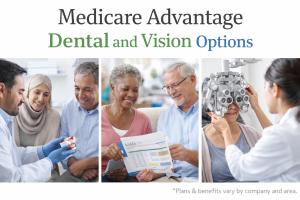
Vision and dental insurance Arkansas: Dental PPO and vision insurance plans
Choosing vision and dental insurance in Arkansas is less about finding the longest list of benefits than matching coverage to the care your household is likely to use. Routine cleanings, exams, fillings, glasses and contact lenses are predictable expenses; crowns, root canals and orthodontic needs can be less so. The right dental insurance and vision insurance plans help make those costs easier to anticipate while preserving access to the dentists and eye-care professionals you prefer. For more information, check out our other articles on this topic, such as Vision and Dental Insurance Georgia.
For many residents, a dental PPO offers the most practical balance of choice and savings. These plans generally pay more when you visit an in-network provider, but still allow care outside the network at a lower reimbursement level. That flexibility can matter in rural parts of Arkansas, where the closest participating dentist may not be in the same community.
Before enrolling, check the provider directory for your current dentist and confirm how the plan handles major services such as crowns, bridges, implants or dentures. Annual maximums, deductibles and any waiting period can make a meaningful difference in the first year of coverage.
Individual and family plans are designed for people purchasing coverage on their own, while a group benefit may be available through an employer. A voluntary dental PPO or voluntary vision option can be worthwhile when an employer makes coverage available but does not pay the full premium. Review the payroll cost alongside the plan’s exam, materials and network benefits, not simply the headline premium.
Vision plans commonly provide scheduled benefits for a yearly eye exam, frames, lenses or contact lenses. They are not a substitute for medical coverage for eye disease or injury, so it is important to understand which services fall under vision benefits and which are are billed to health insurance. Compare frame allowances, lens upgrades, contact-lens allowances and participating optical retailers before choosing a plan.
Arkansas shoppers will encounter familiar names including Arkansas Blue Cross, Blue Shield dental offerings and Delta Dental. Arkansas Blue plans and Delta options can vary by employer, county and policy design, even when the insurance company name is the same. Check the actual benefit summary for exclusions, network access and waiting terms.
A plan with a modest premium can be a strong fit for preventive care, while households expecting major dental work may need richer coverage and a shorter waiting period. The best choice is the one that supports your preferred providers, expected care and budget without leaving important details to assumption.
Arkansas Coverage Comparison Checklist
- Confirm your dentist and eye-care providers participate in the plan network.
- Compare deductibles, annual dental maximums, waiting periods and major-service coverage.
- Review vision exam copays, frame allowances, lens upgrades and contact benefits.
- Check whether medical insurance covers eye disease, injuries and specialized treatment.
- Balance premiums against expected household care, provider access and out-of-network reimbursement.
Find & Compare Plans Online
How to compare an insurance plan and vision plan in Arkansas
Choosing an insurance plan is rarely as simple as comparing monthly premiums. In Arkansas, the right combination of medical, dental, and vision coverage depends on where you receive care, how often you expect to use it, and whether your preferred doctors and optical providers participate in a plan’s network. Start by separating the benefits: a health insurance plan may include pediatric vision services, while adult routine eye exams, glasses, and contact lenses are often handled through a standalone vision plan or an employer’s voluntary benefits package.
First, read the summary of benefits rather than relying on a plan name. Look for the cost of an annual eye exam, the allowance for frames or contact lenses, lens copays, and the replacement schedule. A low-cost vision insurance option can be worthwhile for someone who buys prescription eyewear regularly, but it may offer less value if you only need an occasional exam and have a modest prescription.
Check whether allowances apply to designer frames, progressive lenses, anti-glare coatings, or contact lens fittings; these common upgrades can create meaningful out-of-pocket costs.
Network access deserves the same scrutiny. Arkansas residents outside Northwest Arkansas, Central Arkansas, or larger regional hubs may have fewer nearby in-network optometrists and optical shops. Confirm that your preferred provider is included before enrolling, then ask whether the office accepts the plan for both exams and materials.
Some practices are in network for an exam benefit but not for eyewear purchases. If you travel frequently or have children attending school elsewhere, consider how broadly the network works beyond your home community.
Compare insurance plans as a whole when benefits are bundled through work. An employer may pair medical coverage with a dental PPO and a separate vision option, each with its own premium, network, and enrollment rules. A dental PPO will not typically pay for routine eye care, but reviewing all elections together helps prevent duplicate coverage and keeps the total payroll deduction in view.
Families should also check whether each dependent needs the same plans; one person’s contacts or frequent eye care can change the calculation.
Finally, use independent resources carefully. Ask your insurer for the current provider directory, review the evidence of coverage, and call the optometrist’s office to verify benefits before making an appointment.
Pay attention to waiting periods, exclusions for medical eye conditions, and whether services such as glaucoma screening are billed through medical insurance rather than vision insurance. The best choice is the plan that makes your likely care predictable, not simply the one with the lowest advertised premium.
| What to compare | What to check in plan documents | Why it matters |
|---|---|---|
| Annual eye exam costs | Exam copay, covered exam frequency, and whether the provider accepts the plan for exams | Helps estimate the cost of routine care beyond the monthly premium. |
| Eyewear allowances | Frame or contact lens allowance, lens copays, replacement schedule, and contact lens fitting costs | Regular glasses or contact lens purchases may make a vision plan more worthwhile. |
| Lens and frame upgrades | Coverage for designer frames, progressive lenses, anti-glare coatings, and other upgrades | Common upgrades can create meaningful out-of-pocket costs. |
| Network participation | Current provider directory, nearby in-network optometrists and optical shops, and whether the office accepts the plan for both exams and materials | Some practices participate for eye exams but not for eyewear purchases, and rural areas may have fewer nearby options. |
| Network reach outside home area | Whether the network works beyond your community, especially if you travel or have children attending school elsewhere | Broader access can make care easier to obtain away from home. |
| Medical, dental, and vision coordination | Whether pediatric vision is included with medical coverage, whether adult routine vision requires a separate plan, and each benefit’s enrollment rules | Reviewing all elections together can prevent duplicate coverage and show the total payroll deduction. |
| Dependent needs | Whether each dependent needs the same coverage and expected use of contacts, glasses, or frequent eye care | One family member’s vision needs can change the value of a plan. |
| Waiting periods and exclusions | Evidence of coverage for waiting periods, exclusions for medical eye conditions, and covered services | Vision coverage may not apply to every eye-related service or condition. |
| Medical eye services | Whether glaucoma screening and other medical eye care are billed through medical insurance rather than vision insurance | Clarifies which plan applies and helps avoid unexpected bills. |
| Benefit verification | Current insurer directory, summary of benefits, evidence of coverage, and confirmation from the optometrist’s office before an appointment | Plan details and provider participation should be verified before enrolling or receiving care. |
Compare Dental Plans
Frequently asked questions
What does dental PPO insurance cover in Arkansas?
Dental PPO plans commonly cover preventive visits, such as exams and cleanings, with benefits for fillings, crowns, root canals, bridges or dentures depending on the policy. Check deductibles, annual maximums, waiting periods and in-network reimbursement before enrolling.
Does vision insurance cover glasses and contact lenses?
Many vision plans include an annual eye exam plus an allowance for frames, lenses or contact lenses. Coverage for progressive lenses, anti-glare coatings, contact fittings and designer frames may involve additional costs. Medical eye conditions are generally billed through health insurance.
How do I check whether my dentist or eye doctor is in network?
Search the insurer’s current provider directory, then call the dentist, optometrist or optical shop to confirm participation. Ask whether the office accepts the plan for both examinations and materials, since network status can differ between eye exams and eyewear purchases.
Find & Compare Plans Online
ZRN Health & Financial Services, LLC, a Texas limited liability company

Russell Noga is a Dental Insurance Educator who writes informational content focused on helping consumers understand dental insurance coverage, benefits, and common plan features. His work emphasizes clear explanations of preventive care, basic and major services, waiting periods, provider networks, and plan limitations. Content is reviewed periodically to ensure clarity and accuracy and is based on publicly available sources. Information may change over time as plan details, availability, and coverage options are updated.