Understanding dental insurance can be an important step in managing your dental health. Companies like Aetna offer Dental insurance, which typically helps cover costs for a variety of dental services, reducing the out-of-pocket expenses you might face. This guide will explain what to expect when choosing a dental insurance plan, including typical costs and coverage details. Seniors, particularly, can benefit from knowing how different plans may influence their dental care budget. By learning about these elements, you can make more informed decisions about your dental insurance choices. Location, provider, and plan specifics make a difference in what’s covered and how much you’ll pay.


Dental Insurance for Seniors
find affordable dental insurance





Typical Dental Insurance Cost 2027
Key Highlights
- Dental insurance helps manage dental care costs, reducing out-of-pocket expenses for services.
- Different plan types (group vs. individual) influence coverage options, costs, and flexibility.
- Coverage typically includes preventive, basic, and major services; exclusions vary by plan.
- Average monthly costs range from $20 to $60, affected by plan type, provider, and location.
- Insurance quotes offer insights into costs and coverage, aiding in informed plan selection.
Compare Dental Plans
Understanding the Basics of Dental Insurance
Diving into dental insurance can seem overwhelming, but understanding its basics makes navigating coverage and costs much simpler. Dental insurance offers a financial safety net, helping to cover the costs of dental care while keeping your dental health in check. By understanding its framework, including what it covers, its premiums, and any potential exclusions, you can be a well-informed insured individual. Starting with an overview of its core function, we then explore how dental insurance works, demystifying its complex terms and structures to help you make confident decisions about your dental care.

What Is Dental Insurance?
Dental insurance is a form of health coverage focused specifically on dental and oral health needs. It operates similarly to other types of insurance, such as health or auto insurance, by providing a way to manage the cost of dental care. When you enroll in a dental insurance plan, you pay for a coverage policy, often known as a dental plan. This plan includes specific preventive services, like routine check-ups and cleanings, generally covered at 100%. Insured individuals benefit from reduced out-of-pocket costs on various levels of dental care, from fillings to crowns.
Choosing an insurance plan involves considering individual needs and often requires comparing options from providers like Cigna Dental or AFLAC. Annual premiums are standard, serving as fixed costs paid over the year. Once covered, insurance starts to take effect, covering a significant part of dental procedures, depending on the specific plan details. In a network with a detailed program, your dental care becomes more financially manageable, encouraging regular dental visits and preventive care, crucial to oral health.
Understanding what dental insurance covers is vital. Coverage generally includes preventive, basic, and major services, each with varying levels of coverage percentages. Preventive services are usually fully covered, while basic and major services may require cost-sharing, where the insured pays a portion of the cost. Knowing the average cost and how terms like “individual” apply to these plans can clarify potential expenses. This understanding helps in effectively utilizing your insurance plan to maintain dental health without unexpected financial burdens.
How Does Dental Insurance Work?
Dental insurance functions through a combination of premiums, cost-sharing, and discounted services. The first step involves an insured person selecting a dental plan and agreeing to pay a premium, a regular fee that keeps your coverage active. Premiums, such as those with Cigna Dental, might vary based on the level of coverage and services. The premium grace period allows some flexibility in payment timing, reducing stress in maintaining coverage.
The structure of cost-sharing is another vital component. When you pay into a dental plan, you may encounter terms like deductibles, copays, and annual maximums. A deductible is the amount you pay out-of-pocket before insurance starts to cover its share of the costs. Copays are smaller fixed amounts you pay at the time of service, while annual maximums are the capped amount the insurer will pay in a year. These factors influence the overall affordability and accessibility of care without a large financial burden each time you need a cavity filled or a crown placed.
Further, when seeking care, understanding in-network versus out-of-network options is crucial. In-network providers are part of your plan’s network, often offering services at a reduced rate negotiated by your dental insurance. Out-of-network care may be more expensive and not fully covered. Evaluating these options ensures you’re getting the most out of your insurance and helps in planning your dental care more effectively. Therefore, having knowledge of how dental insurance works is a key step towards taking advantage of its benefits while managing costs comfortably.
Types of Dental Insurance Plans
Different types of dental insurance plans offer varying levels of coverage and costs, tailored to meet diverse dental care needs. Understanding these options helps you to make informed choices based on your specific situation. Whether you’re exploring group dental plans through an employer or considering individual plans, each type of dental insurance comes with its own set of benefits and limitations. This section will delve into the differences between group and individual plans, exploring how each can impact your dental care and costs.
Difference Between Group and Individual Plans
When it comes to dental insurance, choosing between group and individual plans can significantly affect your coverage options and costs. Group dental plans, often provided by employers, can be economical. They spread risk across many members, typically leading to lower premiums. For those insured through their work, these plans offer convenience by simplifying the enrollment process; you’re automatically part of a broader pool.
This setup, managed by an insurance company, usually results in lower costs, including reduced premiums and discounted services negotiated for the group. However, flexibility might be limited. Plans are standardized, and you may not have much choice in coverage specifics or provider networks.
On the other hand, an individual dental plan provides more personalized options, tailored to specific needs. If you’re considering taking this route, you’re interacting directly with the insurance company to select a plan suited to your requirements. Individual plans offer flexibility, allowing choice in terms of coverage levels, which can range from basic to more comprehensive programs. But this flexibility might come at a cost. The average cost of individual plans can be higher, as the risk isn’t shared like in group plans.
You also need to ensure that your preferred care providers, such as those from Cigna Dental or any other major insurer, are within the network to avoid higher out-of-pocket expenses.
Both group and individual plans have established enrollment periods. Group plan changes generally coincide with the employer’s fiscal year, typically starting at the company’s renewal date. For individual plans, these changes may be more flexible but are often tied to the calendar year. Additionally, terms like deductibles, copays, and maximum allowances vary significantly in both types. Understanding these terms helps in evaluating which type might be more cost-effective based on your dental care needs. It’s important to weigh the initial costs and potential long-term savings when choosing a plan.
Whether through a company’s group plan or an individual approach, investing time to understand the differences can optimize coverage for your dental health goals.
Coverage Details of Dental Insurance
Dental insurance coverage is a crucial aspect of maintaining good oral health without breaking the bank. Understanding what dental insurance covers and the limitations is essential for making informed decisions about your dental care. Coverage typically includes preventive care and certain basic and major services. However, each plan differs in terms of specific coverages and costs. By exploring both what’s included and what might not be, you’ll gain a clearer picture of what to expect. This knowledge empowers you to choose the right insurance program that fits your needs and helps manage dental costs effectively.
| Service Category | Typical Coverage | Examples of Procedures | Coverage Considerations |
|---|---|---|---|
| Preventive | Often fully covered | Routine cleanings, exams, X-rays | Usually no out-of-pocket costs, essential for maintaining oral health |
| Basic | Typically covered at 70–80% | Fillings, simple extractions | May require co-payment; check policy for specific coverage limits |
| Major Services | Covered at 50% or less | Crowns, bridges, dentures | Higher out-of-pocket costs are often subject to waiting periods |
This table provides a concise overview of how dental insurance organizes coverage and the typical services included, aiding in effective management of dental costs and planning.
What Dental Insurance Covers
The coverage offered by dental insurance is generally organized into three categories: preventive, basic, and major services. Preventive care is usually fully covered by dental insurance and includes essential dental services such as routine cleanings, exams, and X-rays. These services aim to catch potential issues early, helping to avoid more significant problems and costs down the line. When you start with preventive care, it sets a solid foundation for your oral health.
Basic services, which are covered to a lesser extent than preventive care, often include treatments like fillings, root canals, and simple extractions. Coverage percentages can vary, but typically, the insured pays a portion of these costs. Dental insurance seeks to reduce out-of-pocket expenses while helping individuals, whether through an individual or group plan. By participating in a dental plan, you may face lower immediate costs for required treatments, particularly if your plan is part of a larger program with negotiated rates.
Major services are more extensive. This category can include complex procedures such as crowns, bridges, and dentures. While dental insurance often covers a portion of these costs, the insured individual will likely pay more out-of-pocket. However, costs are generally less than if you were not covered at all. Understanding these categories and how they apply to dental plans like those from Aetna or other insurance companies helps balance your care needs and financial obligations, allowing you to plan better for your dental services.
Exploring how dental insurance can provide targeted support for your oral health needs is crucial. Consider these tips when evaluating your dental coverage options:
- Review the policy details to understand coverage limitations and exclusions.
- Consider dental plans that align with your specific oral care needs.
- Check if your preferred dentist is within the insurance network.
- Evaluate plans based on your anticipated dental service needs.
- Compare annual maximums and deductibles among various plans.
- Analyze the waiting periods for different procedures.
- Research the cost-sharing structure for comprehensive care.
These considerations will guide you in choosing a dental plan that balances both care coverage and financial health.
Find & Compare Plans Online
What Dental Insurance May Not Cover
While dental insurance offers substantial help in managing dental care costs, it’s critical to know what services may not be covered. Many insurance plans have exclusions or limitations, particularly when it comes to elective procedures. For example, cosmetic dentistry, such as teeth whitening or veneers, is typically not covered by standard dental insurance plans because these are elective, non-essential procedures.
Orthodontic services, like braces, may also be limited. Coverage for these varies significantly between dental insurance plans. It’s crucial to check your policy details or get an insurance quote if you’re considering orthodontic treatments. Some plans may offer limited benefits for orthodontics, while others might exclude them entirely unless specifically stated in the policy as a covered benefit.
There can also be significant variances in coverage when it comes to dental care related to accidents or emergency services. Some dental insurance programs require pre-approval or have strict criteria for these services. Procedures related to pre-existing conditions are another area where coverage might be limited. Understanding these non-covered areas helps avoid unexpected bills and better prepares the insured individual for their dental care journey.
Awareness of what’s not covered by dental insurance can prevent surprises and ease the financial burden of dental costs. By examining the exclusions and limitations closely, you can choose a plan or coverage level that aligns with your specific dental care needs, ensuring you are better prepared for all potential costs associated with maintaining your oral health.
Typical Cost of Dental Insurance
Understanding the typical cost of dental insurance can ease the journey of choosing the right plan. Costs vary widely, influenced by several factors including the type of plan, the insurance company, and geographical location. Whether you’re looking at plans from companies like Aflac or Cigna Dental, knowing the average cost helps paint a clearer picture of your financial commitment. This section will delve into the average costs, the influencing factors, and how different plans may impact your expenses over a year.
Average Cost and Factors Affecting Costs
When diving into dental insurance costs, understanding the average expense is a good starting point. Generally, dental insurance is designed to be affordable, making essential dental care accessible without breaking the bank. On average, individual dental plans can cost anywhere from $20 to $60 a month, depending largely on the program’s coverage. If you’re employed, you might already be enrolled in a group dental plan where costs can be reduced through employer contributions. However, individual plans offer the flexibility to tailor coverage according to personal needs, albeit sometimes at a slightly higher cost.
Several factors influence the cost of dental insurance. The plan’s coverage level is a primary determinant; more comprehensive coverage typically translates into higher premiums. Location also plays a significant role; living in urban areas might lead to higher costs than in rural settings. The insurance company you choose, whether it’s a well-known provider like Cigna Dental or AFLAC, can impact costs due to brand reputation and service offerings.
Other crucial factors include the insured’s age and dental health history, which could affect premiums. Additionally, costs might be influenced by the network of available dentists; an extensive network could equate to more cost-effective care. Start by identifying your dental care needs and consider how frequently you expect to use services like cleanings, fillings, or major procedures. This insight will be helpful when looking at the initial setup costs, like deductibles and copays that are part of the yearly expenses involved in keeping your coverage active.
Getting an insurance quote can also provide clarity on potential costs, helping to compare different insurance plans effectively. This empowers you to choose based on how plan benefits align with your needs while minimizing out-of-pocket expenses. By understanding these factors, you’re in a better position to select a plan that balances cost with the necessary dental care services, ensuring financial predictability and peace of mind.
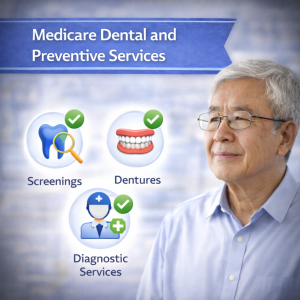
Finding the Right Dental Services Within Insurance Plans
Finding the right dental services isn’t just about choosing a provider; it’s about understanding how your dental insurance plans can best serve your needs. Dental insurance offers a range of options, from preventive to major services, each affecting costs differently. By examining how insurance quotes impact dental plan choices and understanding the role of coverage details, seniors can make informed decisions. We’ll explore how these elements work together, guiding you towards selecting a plan that balances your care needs with financial considerations.
The Role of Insurance Quotes in Choosing Dental Plans
Insurance quotes play a pivotal role in the selection of dental plans, acting as a window into potential costs and coverage options. Getting an insurance quote provides a detailed snapshot of the premiums, deductibles, and cost-sharing terms associated with different plans. For individuals and families alike, these quotes offer a formidable tool in forecasting dental care expenses, making it easier to weigh the financial benefits against needs. Understanding this can provide clarity and confidence, especially for seniors who may find navigating dental insurance complex.
When you request a quote, you’re essentially gathering information across various insurance plans, whether provided by Aflac, Cigna Dental, or other companies. Each insurer may present varying costs and coverage levels depending on several factors, including the geographical area and average cost standards. By comparing these quotes, you can discern the most cost-effective option that aligns with your specific dental care requirements. This is especially relevant for those considering individual plans, as they provide a more flexible approach to coverage despite potentially higher premiums compared to group plans.
An insurance quote typically highlights essential aspects like the annual premium, a fixed yearly charge necessary to maintain your insurance plan. Additionally, it might detail the starting costs, such as deductibles and copays, which you pay when visiting a dentist for services like cleanings or extractions. These elements are crucial for managing your out-of-pocket expenses and ensuring financial predictability over the year. By piecing together these insights, seniors can anticipate potential costs much better, enabling them to tailor their dental plan choices according to what fits their lifestyle and budget.
Furthermore, reviewing quotes can unveil specifics about what services are covered under a plan, critical information for those seeking coverage for particular procedures like implants or extractions. Through a comprehensive understanding of insurance quotes, dental care transitions into a more manageable domain. This encourages informed decision-making and ensures that one’s dental insurance aligns well with personal health goals and financial expectations, all while fostering an assurance of maintained oral health.
Exploring Dental Insurance Options
Considering the wide range of dental insurance options is key to securing the best fit for your dental health needs and financial situation. Whether you’re comparing individual plans or group options offered by employers, understanding the nuances of each type can greatly influence your decision. Diving into how to choose the right plan will not only clarify coverage details but also highlight how various insurance companies set their costs. This choice empowers you to make informed care decisions that align with your health goals and budget.
How to Choose the Right Dental Plan for Your Needs
Choosing the appropriate dental insurance plan involves understanding your individual needs and how different plans can cater to them. Start by assessing your current and expected dental care needs for the year. If you require frequent cleanings, fillings, or are considering major work like dentures or crowns, you’ll need a plan that covers these efficiently without high out-of-pocket costs. Look for insurance plans that offer comprehensive coverage and fit your lifestyle, whether through Cigna Dental or AFLAC, while ensuring network dentists are accessible in your area.
When evaluating plans, consider the average cost and specific terms such as premiums, deductibles, and copayments. Premiums are the regular amounts you pay to maintain coverage, while deductibles are what you pay for care before insurance starts to cover costs. These financial aspects affect how you budget for dental services. Some insurance plans may have lower premiums but higher deductibles, and vice versa. Understanding these trade-offs is crucial, especially if your budget is tight.
Another important factor is whether you’d benefit more from an individual or a group plan. Group plans, often provided by employers, can mean lower costs due to shared risk among members, while individual plans may offer more tailored coverage for personal circumstances. If you’re insured through employer-provided plans, check their renewal terms, typically starting with the fiscal year, for better financial planning. Conversely, individual plan terms may be more flexible but could be subject to the calendar year.
It’s wise to get an insurance quote from various providers; this can provide insight into available options and their associated costs. A quote shows premiums, coverage levels, and starting costs like copays, helping you compare based on your needs. With well-researched choices, seniors and adults alike can reduce costs while securing necessary dental care services. Armed with this information, you can confidently choose a dental plan that ensures comprehensive care and keeps unexpected expenses at bay.
Understanding dental insurance costs and coverage is essential for securing the right plan. Remember that different locations and providers may influence both costs and coverage options. By entering your ZIP code on our website, you can explore personalized dental insurance plans that match your needs and budget. Our site aims to provide unbiased and easy-to-understand information so you can navigate your choices confidently. Dental care can vary widely, and taking a closer look at local options is a helpful step toward maintaining a healthy smile. Thank you for visiting and considering your dental insurance options with us.
Compare Dental Plans
Frequently Asked Questions
What types of services are typically covered by dental insurance?
Dental insurance usually covers three categories of services:
- Preventive Care: Often fully covered, includes routine cleanings, exams, and X-rays.
- Basic Services: Includes treatments like fillings and extractions, generally requiring cost-sharing.
- Major Services: Covers complex procedures like crowns and bridges, though typically involves higher out-of-pocket costs.
It’s important to check the specific coverage details of any plan you’re considering.
How do group dental plans differ from individual plans?
Group dental plans are often provided through employers and tend to have lower premiums because the cost is spread across many members. Enrollment is simplified, but flexibility in choosing coverage specifics or providers might be limited.
Individual plans offer more personalized options and flexibility but may come at a higher cost since risk isn’t shared among a group.
What factors affect the cost of dental insurance?
Several factors influence dental insurance costs:
- Level of Coverage: More comprehensive plans tend to have higher premiums.
- Location: Cost may vary based on where you live.
- Type of Plan: Group plans often cost less than individual plans.
- Insurance Company: Different insurers have different cost structures.
What are the out-of-pocket costs associated with dental insurance?
Out-of-pocket costs can include:
- Deductibles: The amount you pay before insurance covers expenses.
- Copays: Fixed amounts paid at the time of service.
- Coinsurance: A percentage of costs for services that you pay.
- Annual Maximum: The maximum amount an insurer will pay in a year.
Are there services typically excluded from dental insurance coverage?
Many dental insurance plans exclude certain services, such as:
- Cosmetic Dentistry, like teeth whitening or veneers.
- Orthodontic treatment, unless explicitly covered by the policy.
- Procedures related to pre-existing conditions.
It’s crucial to review the plan details to understand what is not covered to avoid unexpected expenses.
Find & Compare Plans Online
ZRN Health & Financial Services, LLC, a Texas limited liability company

Russell Noga is a Dental Insurance Educator who writes informational content focused on helping consumers understand dental insurance coverage, benefits, and common plan features. His work emphasizes clear explanations of preventive care, basic and major services, waiting periods, provider networks, and plan limitations. Content is reviewed periodically to ensure clarity and accuracy and is based on publicly available sources. Information may change over time as plan details, availability, and coverage options are updated.