Finding the right dental insurance for seniors can feel overwhelming, but it’s crucial for maintaining dental health. Senior dental insurance plans vary in coverage and costs, designed to meet diverse needs like preventive care and tooth replacement. As you explore your options, consider what services are vital for your dental care needs. This page aims to provide clear, unbiased information to help you understand your choices, from coverage details to potential costs. Knowing what to expect and how plans differ can equip you with the confidence to make an informed decision about your oral healthcare.


Dental Insurance for Seniors
find affordable dental insurance





Retiree Dental Insurance Plans
Key Highlights
- Dental insurance helps retirees manage health expenses with predictable costs.
- Coverage often includes preventive, basic, and major dental services.
- Copayments and deductibles impact the total out-of-pocket expenses.
- Choosing insurance involves assessing companies’ networks and coverage options.
- Supplemental plans can fill gaps in primary dental coverage.
Compare plans and enroll online
Understanding Dental Insurance for Seniors
As we age, maintaining good oral health becomes increasingly essential, and this is where dental insurance plans come into play. For retirees, having reliable dental insurance is not just about managing costs; it’s about ensuring access to the right dental care when needed. This section explores why dental insurance is vital after retirement, addresses common concerns seniors face, and offers insights into affordable and beneficial coverage options.
What Makes Dental Insurance Important After Retirement?
After retirement, many seniors no longer have dental coverage through an employer, making an individual dental insurance plan essential. Retirees may face increased dental needs, such as dentures, crowns, or dentures, that weren’t frequent issues during younger years. Dental insurance provides access to necessary dental services, helping seniors manage health expenses effectively. Insurance plans can cover preventive services like cleanings and exams, which are crucial in detecting issues early and avoiding costlier treatments later. Moreover, having insurance often allows access to a network of dentists who offer reduced rates for insured patients.
Seniors often have fixed incomes, making unforeseen dental costs particularly concerning. Dental insurance helps smooth out these expenses with predictable premiums and structured copayments. By offering a buffer against the financial impact of required dental treatments, insurance gives peace of mind knowing there’s something in place to help manage costs. Dental benefits can also make expensive procedures like crowns or implants more affordable by covering a portion of the costs, reducing the burden on retirees’ savings.
After retirement, health concerns can amplify, making access to comprehensive dental care even more significant. Insurance not only aids financial planning but also emphasizes preventive care, which is pivotal in sustaining long-term health. Depending on the plan, retirees could also gain access to specialty services, such as periodontics or dentures, at reduced costs. Plans from major providers like Delta Dental and AARP Dental are particularly popular for their broad networks and extensive coverage, offering various options that cater to different needs and budgets.
Common Concerns Seniors Have About Dental Insurance
For many seniors, understanding dental insurance can be as daunting as the dental visits themselves. One significant concern is the balance between costs and coverage. While premiums might be a regular expense, retirees often worry whether the coverage adequately meets their needs. Ensuring that a dental insurance plan aligns with your oral health requirements and budget is crucial. Understanding the specifics of what each plan covers, be it preventive care, basic procedures, or major treatments, is vital for making informed decisions. Familiarizing oneself with potential out-of-pocket costs, such as deductibles and co-payments, can further alleviate concerns about unexpected expenses.
Another frequent worry is about waiting periods. Many insurance plans require a specified waiting period before covering certain procedures, which can be problematic if immediate dental care is needed upon enrollment. Choosing plans with minimal waiting periods or none can mitigate this issue, albeit sometimes at a higher premium cost. Some seniors might also be concerned about network restrictions, which limit them to a specific list of dental care professionals. It’s essential to verify that preferred or reputable dentists are part of the network before committing to a plan.
Finally, retirees might feel overwhelmed by the various plan types and providers, such as FedVIP Dental or supplemental options, available on the market. Gathering reliable, unbiased information from educational resources and engaging with insurance representatives for clear, straightforward communication is beneficial. To simplify the process, one effective approach is to consider dental insurance that aligns closely with Federally-backed health initiatives, ensuring compliance and substantial savings on general dental care.
By addressing these concerns and exploring available options, seniors can confidently select a dental insurance plan that provides both the coverage they need and peace of mind they deserve. Entering a ZIP code on educational platforms like Dentalinsuranceforsenior.org can help narrow down local offerings, further facilitating an informed choice.
| Key Considerations | Coverage Types | Financial Impacts | Popular Providers |
|---|---|---|---|
| Dental Health Needs | Preventive Care | Monthly Premiums | Delta Dental |
| Network Accessibility | Basic Procedures | Out-of-Pocket Costs | Cigna |
| Customer Service Quality | Major Procedures | Annual Maximums | Aetna |
| Policy Limitations | Orthodontic Coverage | Deductibles | MetLife |
This table highlights how seniors can navigate the complexities of dental insurance, ensuring they choose a plan that aligns with their health needs and financial situation.
Find & Compare Plans Online
How Dental Insurance Plans Work
Understanding how dental insurance plans function is crucial for retirees who want to manage their dental care effectively. These plans typically cover a range of dental services, allowing seniors to maintain oral health without unexpected high costs. It’s important to grasp the specifics of what services are covered, how deductibles and copayments work, and the terms set by insurance companies. With this knowledge, retirees can make informed decisions about the best insurance plans for their needs, ensuring they receive the benefits essential for maintaining their dental health over time.
Types of Dental Services Covered
Dental insurance plans for retirees generally cover a wide variety of dental services designed to maintain both primary dental health and address more complex dental issues. Coverage often includes preventive services like regular exams and cleanings, which are crucial in preventing serious dental issues down the line. These routine check-ups are significant because they can detect problems early, offering more treatment options and potentially minimizing costs. It’s generally less expensive to treat issues at their initial stage rather than waiting for them to exacerbate, thus highlighting the importance of preventive care.
Beyond preventive care, dental insurance often covers basic procedures such as fillings, extractions, and x-rays. These services deal with common dental health problems and are part of maintaining general oral health. More comprehensive plans may also extend coverage to major dental treatments, including crowns, bridges, and even dentures. These treatments are essential, particularly for retirees who might be experiencing the results of aging teeth, and having insurance cover a portion of these costs can be a financial relief. It’s worth noting that the extent of coverage can vary significantly depending on the insurance company and specific plan chosen.
Another factor to consider is the network of dentists associated with a particular plan. Insured individuals are typically encouraged to use dentists within their network, which can significantly reduce costs. Dentists in the network have agreed to provide services at predetermined rates, which helps keep out-of-pocket expenses lower for patients. Therefore, when evaluating dental insurance plans, retirees should check whether their preferred dentist is part of the network, ensuring continuous care from a trusted provider. While comprehensive coverage is beneficial, understanding the limitations and exclusions within a plan is equally important to identify any services that may not be covered, preventing unexpected expenses during dental visits.
Understanding Deductibles and Copayments
Grasping how deductibles and copayments function within dental insurance plans is vital for retirees to anticipate their financial responsibilities accurately. A deductible is the amount a policyholder must pay before their insurance begins to contribute to dental services. Plans often have an annual deductible, which resets each year, meaning retirees will need to pay this amount out-of-pocket at the start of each policy year before enjoying the full benefits of their coverage. Understanding this element is crucial for planning annual dental care expenses, particularly for those on a fixed income.
Once the deductible is met, copayments come into play. A copayment, or copay, is a predefined fee that insured individuals pay when receiving certain dental services. These copayments are typically set for routine visits and procedures and help reduce the overall cost burden. The copayment amount can vary depending on the type of service and the coverage level of the dental insurance plan. For example, preventive services might have low or even zero copayments, while more intensive treatments, like root canals or crowns, could require higher copays.
The concept of coinsurance, which often works alongside copayments, is also essential. After meeting the deductible, coinsurance requires the policyholder to pay a certain percentage of each service. For instance, a retiree might pay 20% of the cost of a surgical procedure, with the insurance company covering the remaining 80%. Knowing the specifics of copayments and coinsurance helps retirees avoid surprises and aids them in budgeting more accurately for their dental health needs.
When selecting a dental insurance plan, it’s beneficial for retirees to evaluate plans not just based on premiums but also how deductibles, copayments, and coinsurance will impact their overall costs. Some plans might have low premiums but higher out-of-pocket costs when services are used, which could affect a retiree’s decision-making process. Having a clear understanding of how these components of insurance work ensures that seniors can choose plans that align with their health requirements and financial situation, providing peace of mind when accessing needed dental care.
Comparing Dental Insurance Options
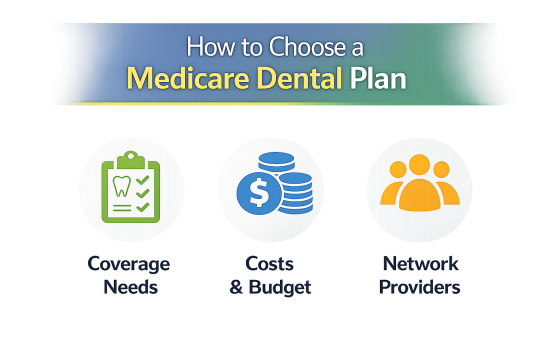
For retirees, picking the right dental insurance plan involves carefully evaluating a variety of options. With numerous insurance companies offering different plans, understanding the nuances of dental benefits, costs, and coverage is vital. This section will guide you through choosing the best insurance company and exploring various coverage options like those provided by Delta Dental and MetLife, helping you find a dental insurance plan that suits your needs.
How to Choose the Right Insurance Company
Selecting an insurance company for your dental insurance needs is a pivotal step in ensuring comprehensive dental care. Many retirees prioritize companies known for excellent customer service, financial stability, and robust networks of dental care providers. When evaluating options, look for companies with strong reputations in handling retiree dental insurance, as this often correlates with efficient claims processing and support throughout the policy period. Insurance plans from companies with extensive experience in retiree dental services usually offer tailored benefits that address the unique needs of older adults, from preventive services to more complex treatments.
One practical way to choose the right insurance company is to gather information on their coverage details and compare them. This includes understanding what each insurance plan covers, how they handle major treatments like implants or dentures, and the associated costs. A company that offers transparent information about their coverage, network restrictions, and any waiting periods will typically provide a more secure choice for retirees seeking clarity and straightforwardness. Additionally, assessing the company’s network of dentists is essential; larger networks can provide more options and flexibility in selecting a trusted provider, ensuring that you maintain access to the same dentist you’ve been visiting for years.
Cost is another key factor to consider when deciding on an insurance company. While assessing premiums, also consider out-of-pocket expenses such as copayments, deductibles, and coinsurance. Some companies might offer lower premiums but require higher copayments for procedures, which can influence your total expenses significantly. Insurance plans should be evaluated for their overall affordability and the balance they offer between premiums and out-of-pocket costs. A thorough understanding of these financial dynamics, enhanced by feedback from existing customers or online reviews, can aid in choosing a company that’ll serve your dental health needs efficiently and cost-effectively.
Exploring Coverage Options like Delta Dental and MetLife
When considering dental insurance, companies like Delta Dental and MetLife are prominent for their comprehensive coverage options. Both companies offer a variety of insurance plans, and understanding the specifics of each can help retirees find the right fit for their needs. Delta Dental, for example, is known for its expansive network, which makes it easier to find participating dentists. Their plans typically cover a broad range of services, from preventive care, such as cleanings and exams, to major treatments like crowns and dentures. This variety ensures that retirees have access to essential dental care without incurring exorbitant costs.
MetLife, on the other hand, provides a range of dental plans known for flexibility and affordability, making them attractive to retirees on a fixed income. Their supplemental dental options are worth exploring for those with existing health insurance plans, as they provide additional coverage that can reduce overall dental costs. Both companies emphasize preventive services, highlighting the importance of catching issues early, thus avoiding expensive procedures down the road. For retirees considering transitioning from employer-provided to personal insurance, these detailed plan options from established companies are particularly appealing.
Understanding what each plan covers is paramount. Reviewing benefits concerning different types of treatments and potential limitations is crucial for making informed decisions. Retirees should thoroughly investigate exclusions, such as whether specific cosmetic treatments are covered or if there are waiting periods for certain services. Assessing these details helps avoid unexpected surprises, ensuring comprehensive access to necessary general dental care. Comparing the networks and coverage options of Delta Dental, MetLife, and other insurers provides a clearer picture of what each offers, giving retirees the confidence needed to choose a plan that supports their dental and financial health seamlessly.

Balancing Costs and Coverage
Navigating dental insurance during retirement involves striking a delicate balance between out-of-pocket costs and the coverage provided. Many retirees seek plans that deliver comprehensive dental care without straining their budgets. With numerous options available, understanding the significance of balancing costs with coverage becomes essential. This process involves considering factors like network choices, waiting periods, and coverage details that influence affordability and access to health services.
How Supplemental Dental Plans Can Help with Costs
Supplemental dental plans can be a lifeline for retirees looking to manage dental expenses effectively. These plans are designed to complement existing dental insurance, specifically targeting gaps in coverage that might leave retirees financially vulnerable following unexpected dental treatment. For instance, if a primary dental insurance plan covers only basic procedures, a supplemental plan might step in to offset costs associated with more complex treatments like implants or dentures, making dental care more affordable overall.
One of the key advantages of supplemental dental plans is their flexibility in enhancing the overall dental benefits. Retirees who face increased dental care needs due to age-related issues often find these plans beneficial. They provide an additional layer of financial support, allowing seniors to pursue necessary procedures without worrying about breaking the bank. Furthermore, because supplemental insurance can cover specific treatments that regular insurance might not, it empowers retirees to look after their health more proactively.
Understanding the network of providers is essential when evaluating supplemental dental plans. These plans often offer access to a broad network of doctors and dentists, which can significantly reduce the cost of services. By opting for network providers, retirees can enjoy lower rates for treatments, as these dentists have pre-agreed arrangements with the insurance company to provide services at discounted prices. This setup not only minimizes expenses but ensures continuous care is received from reputable professionals.
Another consideration is the waiting period, which is a common component of most dental insurance plans. Some plans may require a waiting period before specific benefits take effect, particularly for high-cost treatments. Supplemental dental plans might offer reduced or sometimes no waiting periods for certain services, providing quicker access to necessary care. This can be a crucial factor for retirees in need of immediate dental attention, ensuring they receive timely treatments without unnecessary delays.
Incorporating supplemental dental plans into your insurance strategy can provide comprehensive solutions to manage the multifaceted expenses of dental care. By carefully examining the coverage these plans offer, along with analyzing costs and potential savings, retirees can craft an insurance portfolio that maximizes their health benefits while maintaining manageable costs. It’s important to assess each plan’s specific offerings and compare them with existing coverage to identify where supplemental insurance could offer the most significant advantage.
To further explore how supplemental dental plans can enhance your dental care strategy, consider these important aspects when evaluating your options:
- Review the scope and limitations of your current dental insurance coverage.
- Identify specific dental procedures you anticipate needing in the near future.
- Evaluate the availability of plans with reduced or no waiting periods for urgent treatments.
- Compare costs of supplemental plans against potential savings on anticipated treatments.
- Investigate the network of participating dentists for optimal care and cost savings.
- Assess flexibility in coverage options to tailor the plan to your specific needs.
- Consider any customer support services offered by the plan provider for assistance.
By focusing on these factors, retirees can make informed decisions, securing comprehensive dental care coverage tailored to their unique needs.
Finding the right dental insurance can relieve concerns about dental care costs. Retiree dental plans can offer coverage for routine check-ups and more extensive procedures. As dental needs vary, understanding what each plan covers is essential. Planning ahead can help you avoid unexpected bills and ensure your oral health is well-managed. Consider different plan options and their specific benefits. Enter your ZIP code on our website to explore dental insurance options available in your area, like California. Remember, costs and coverage for dental insurance plans may vary based on location, such as New York, and provider.
Compare plans and enroll online
Frequently Asked Questions
What types of dental services are typically covered by senior dental insurance plans?
Senior dental insurance plans usually cover preventive care, basic procedures, and major treatments. Preventive services often include cleanings and exams. Basic procedures might cover fillings and extractions, while major treatments can include crowns, bridges, and dentures.
How do deductibles and copayments work in dental insurance plans for retirees?
A deductible is an amount you pay out-of-pocket before insurance benefits kick in. Once the deductible is met, copayments apply, which are fixed fees paid for specific services. Understanding these helps manage your dental care budget effectively.
Why is dental insurance particularly important for retirees?
After retirement, many individuals lose employer-provided dental benefits. Dental insurance for retirees helps manage health expenses, provides access to necessary care like dentures and crowns, and supports preventive measures critical in avoiding costlier treatments.
What factors should seniors consider when selecting a dental insurance plan?
Seniors should evaluate the plan’s coverage options, associated costs like deductibles and copayments, provider networks, and any waiting periods for treatments. This ensures the plan meets their dental needs and budget.
Are supplemental dental plans beneficial for retirees?
Yes, supplemental plans can fill gaps in coverage left by primary insurance. They offer additional support for complex treatments and reduce overall costs, providing retirees with more comprehensive dental care.
Find & Compare Plans Online
ZRN Health & Financial Services, LLC, a Texas limited liability company

Russell Noga is a Dental Insurance Educator who writes informational content focused on helping consumers understand dental insurance coverage, benefits, and common plan features. His work emphasizes clear explanations of preventive care, basic and major services, waiting periods, provider networks, and plan limitations. Content is reviewed periodically to ensure clarity and accuracy and is based on publicly available sources. Information may change over time as plan details, availability, and coverage options are updated.