Restorative Dental Coverage Explained

Understanding restorative dental coverage is essential for seniors considering treatments like fillings, crowns, or dentures. These services help restore the function and appearance of your teeth.

Dental insurance plans often provide varying levels of coverage, which can affect out-of-pocket expenses. By exploring the basics of restorative dental coverage, seniors can make informed decisions about their oral health needs.

Knowing what’s typically covered, such as procedures to fix damaged teeth, can help manage costs and expectations. This guide aims to clarify restorative treatments and how different plans may offer support.

Key Highlights

  • Restorative dental coverage includes treatments that restore mouth function and appearance.
  • Navigating dental insurance is vital for managing restorative treatment costs effectively.
  • Dental fillings and crowns are common restorative procedures for repairing damaged teeth.
  • Dentures and implants offer different benefits for replacing missing teeth, depending on coverage.
  • Geographic variations and plan limits affect dental insurance coverage for restorative treatments.

Compare Dental Plans

Understanding Restorative Dental Insurance

Navigating the world of dental insurance can seem daunting, especially when it comes to restorative dentistry. This type of coverage is crucial for those looking to repair damaged teeth and maintain oral health.

Restorative dental coverage typically includes various treatments that restore function and aesthetics to your mouth. However, understanding what your insurance covers, like basic restorative care and major restorative procedures, can make a big difference in managing costs.

Let’s explore what restorative dentistry entails, which treatments are usually included under dental insurance, and how you can make the most out of your coverage.

Understanding Restorative Dental Insurance

What is Restorative Dentistry?

Restorative dentistry focuses on repairing damaged teeth and restoring an individual’s mouth to its optimal health and function. A restorative dentist uses treatments ranging from basic restorative care, like fillings for cavities, to more complex dental restorations such as bridges, crowns, and sometimes dentures.

Understanding restorative dentistry is important as it can include basic and major restorative procedures, which are often covered differently. Treatment coverage can vary, with some insurance plans covering preventive and restorative treatments together, but major procedures might only be partially covered.

Being well-informed about your restorative dental coverage helps you anticipate potential costs and select the treatments that best fit your needs. Keep in mind that while dental insurance often covers restorative dental work, it’s essential to verify the services included in your plan.

Exploring these different aspects equips you with the knowledge to confidently discuss options with your dental provider.

Common Restorative Dental Procedures Explained

Understanding restorative dental procedures can greatly enhance your dental health. These treatments are essential for those who need to repair damaged teeth and wish to maintain their oral well-being.

Restorative dental care often involves treatments like dental fillings and crowns bridges, which help replace and repair damaged teeth. Knowing the spectrum of restorative dental treatment options ensures you’re better prepared to handle repairs, from cavities to complex dental restorations.

Let’s delve into these procedures and their benefits and limitations, helping you make informed decisions about your dental health.

From Cavities to Complex Treatments

Restorative dental treatment covers a wide range of procedures from the simple to the complex, ensuring your mouth stays healthy and functional. At the basic level, dental fillings are used to treat cavities, the most common dental issue.

By filling cavities, dentists prevent further decay and repair damaged teeth, improving stability and function. More complex treatments include crowns bridges and other dental restorations that address more extensive damage.

These solutions are designed to replace missing or severely damaged teeth, restoring the mouth’s full functionality. Understanding how these procedures work ensures you’re better equipped to handle both basic restorative care and more advanced dental challenges.

Each treatment, whether it involves repairing or replacing, plays a critical role in maintaining your oral health. As these treatments vary significantly in method and cost, consulting your dentist can provide clarity on the best approach for your needs.

This comprehensive understanding of restorative dental options, including their costs under different insurance plans, empowers you to make informed decisions about your dental health strategy.

How Dental Insurance Covers Restorative Treatments

Dental insurance plays a crucial role in managing the costs of restorative dental treatments. Restorative dentistry typically includes a range of procedures, from simple repairs to complex reconstructions.

Coverage can vary significantly, impacting your out-of-pocket expenses. Understanding how insurance works can help you make informed decisions.

Insurance plans often categorize treatments as basic or major restorative, each with different levels of coverage. While basic procedures like fillings are often well-covered, more extensive work may require careful consideration.

Let’s dive into what minor damage and major restorative work entail and how insurance covers these treatments.

What Minor Damage and Major Restorative Work Include

When it comes to restorative dentistry, dental insurance helps cover treatments aimed at repairing or replacing damaged teeth. Minor damage typically involves simpler procedures, such as dental fillings and repairs to cracked teeth.

These solutions are crucial for maintaining oral health and are usually covered under basic treatment options. The aim is to repair damaged teeth before they develop into larger issues, which can be more costly and challenging to address.

Understanding treatment coverage for these types of dental work helps prevent more serious dental problems down the road.

On the other hand, major restorative work involves more complex dental treatments. These include dental restorations such as crowns or bridges, which address significant damage or tooth loss.

This work is critical for restoring the mouth’s function and aesthetics. Insurance coverage for major restorative procedures varies; some policies might cover a significant portion, while others may require a higher out-of-pocket contribution.

Learning about the limits and benefits of your specific policy is vital. Whether you’re looking at fillings, crowns, bridges, or more expansive dental work, knowing what your insurance covers ensures you’re prepared for potential costs and helps you make the best choices for your oral health.

How Dental Insurance Covers Restorative Treatments

Factors Affecting Dental Insurance Coverage

When considering dental insurance, understanding the factors that affect coverage can be crucial, especially for restorative dental treatments. Costs, limitations, and geographic variations play significant roles in what your insurance covers.

For seniors and caregivers, grasping how these factors influence your dental plan can alleviate confusion and help manage expenses. These elements not only affect overall coverage but also dictate the extent to which dental restorations like crowns and fillings are included.

A closer look at these details ensures informed decisions and stress-free conversations with your dental provider.

Costs, Limitations, and Geographic Variations

Determining dental insurance coverage involves multiple factors, where costs, limitations, and geographic variations stand out prominently. Generally, dental insurance offers coverage for restorative dental treatment, which may include repair damaged teeth with crowns or fillings.

However, the specific benefits can vary greatly based on your location. Geographic variations mean that where you live could impact the availability and cost of certain treatments. For example, dental care might be more comprehensive in one state and more restricted in another.

Moreover, the limitations of a plan are pivotal. Policies might cover basic restorative procedures but place caps on major restorative dental work, such as complex dental restorations.

It’s crucial to understand these limitations to avoid unexpected expenses. Costs, of course, are a primary concern since they determine both monthly premiums and out-of-pocket expenses during treatment.

Seniors need to weigh these factors carefully to find plans that align with their needs and budget. Understanding how these aspects intertwine provides a clearer picture of what dental treatment is accessible to you, based on your insurance.

Find & Compare Plans Online

Speak with a licensed insurance agent

1-855-425-2095TTY 711

Mon-Fri: 8am-9pm ET

Coverage for Missing Teeth: Dentures vs. Implants

Missing teeth can significantly impact your life, making it essential to consider your tooth replacement options. One common decision involves choosing between dentures and implants, both of which are vital in restorative dental care.

Understanding the differences in dental coverage for these treatments can guide you in making an informed choice. We’ll explore how dentures and implants serve as crucial restorative solutions and their respective benefits and limitations.

This insight helps you confidently compare these options, aligning with your personal needs and insurance coverage.

Comparing Tooth Replacement Options

When replacing teeth, you often hear about dentures and implants as the primary solutions for missing teeth. Dentures are removable appliances that replace several missing teeth at once, offering a cost-effective and less invasive treatment option in restorative dental care.

They provide essential functionality and improve aesthetics for those who have multiple missing teeth. However, they may need adjustments over time for comfort and fit.

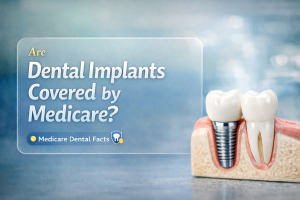
On the other hand, implants are designed to replace individual teeth with a more permanent solution, embedding an artificial root in the jawbone, making them feel like natural teeth. Implants can be a more expensive option, but they offer durability and a long-lasting solution that doesn’t require the continual adjustments dentures might need.

The choice between dentures and implants often depends on several factors, including health condition, budget, personal preference, and, importantly, insurance coverage for restorative procedures. Some insurance plans may fully or partially cover dentures, while implants might involve higher out-of-pocket costs due to their complexity.

Understanding these differences allows you to weigh the pros and cons based on your specific circumstances, always keeping your dental health and comfort in mind.

Coverage for Missing Teeth: Dentures vs. Implants

Understanding Dental Fillings and Their Coverage

Dental fillings are a cornerstone of restorative dentistry, focusing on repairing cavities to prevent further decay. This process not only repairs damaged teeth but also restores oral health.

Dental insurance coverage for fillings varies, often providing significant support for these basic procedures. Navigating the specifics of what your plan covers can seem complex, especially when considering factors like treatment costs and plan differences.

Understanding how dental insurance handles fillings helps anticipate expenses and make informed decisions about your dental care.

How Insurance Handles Cavities and Related Treatments

Dental insurance often provides coverage for cavity treatments, essential for preventing extensive tooth decay. When you have a cavity, restorative procedures become crucial to repair the damage and maintain oral health.

Insurance plans frequently categorize fillings under basic restorative treatments, offering considerable coverage, which reduces out-of-pocket costs. However, the specifics can vary significantly between plans.

It’s important to understand your policy’s details regarding cavity coverage and dental restorations, including fillings, crowns, and sometimes crowns bridges. Some plans may offer comprehensive coverage for fillings while requiring more out-of-pocket expenses for complex treatments like crowns.

Additionally, insurance might cover preventive treatments that help avoid new cavities. Staying informed about your plan’s nuances ensures you’re prepared for potential costs.

Finally, repairing damaged teeth not only prevents further decay but also avoids the need for more complex and costly restorative procedures in the future. Feel free to explore the options using your ZIP code on Dentalinsuranceforsenior.org to see how local plans cover dental treatments.

Consider these points to understand how dental insurance handles cavities effectively:

  • Review policy terms for basic restorative treatment coverage, including fillings.
  • Compare how different plans handle complex procedures like crowns and bridges.
  • Investigate coverage for preventive treatments to forestall new cavities.
  • Check if plans have specific limits on restorative procedures annually.
  • Understand any waiting periods before coverage begins for certain treatments.
  • Evaluate the out-of-pocket costs for varied procedures under your plan.
  • Use available resources to compare local plans effectively.

These guidelines can help you better anticipate expenses and ensure dental care fits your needs.

Finding the Right Restorative Dental Plan

Finding the Right Restorative Dental Plan

Choosing the appropriate dental plan for restorative dental needs can feel overwhelming, but it doesn’t have to be. Understanding your specific needs and the coverage options can make a big difference.

Whether you’re dealing with dentures, crowns, or other dental care requirements, a supportive dental insurance plan should match your needs. By focusing on coverage details, you’ll better understand how dental plans can support your oral health needs.

Let’s discuss crucial tips to match your coverage with your needs, ensuring your dental care is both effective and affordable.


Dental NeedsCoverage DetailsCost ConsiderationsHelpful Resources
Minor RestorationsBasic coverage for fillings and simple repairsLower premiums, possible copaysConsultation with a dental professional
Major RestorationsIncludes crowns, bridges, and denturesHigher premiums; deductibles may applyInsurance provider brochures
Orthodontic ServicesPlan-dependent; often limited coverageOften requires significant out-of-pocket expensesDental care websites
Preventative CareThis table provides a concise overview of key factors to consider when aligning dental plans with restorative care needs, supporting informed decision-making.


This table provides a concise overview of key factors to consider when aligning dental plans with restorative care needs, supporting informed decision-making.

Tips for Matching Coverage to Your Needs

When selecting a restorative dental plan, aligning the coverage with your unique dental needs is essential. Start by evaluating the specific restorative dental treatments you might require, such as dentures or crowns.

Consider the frequency of your dental care, whether it’s routine maintenance or specific restorative dental procedures. Check the list of treatments your dental insurance covers and note any exclusions.

Knowing these details can prevent unexpected expenses and help make informed decisions.

Another essential tip is to understand the cost implications. For instance, dental plans often categorize treatments as basic or major restorative work, affecting out-of-pocket costs.

Basic treatments like fillings might be well-covered, while more complex restorative procedures such as crowns could require greater financial consideration. Evaluating these factors ensures the dental plan aligns with your budget without sacrificing dental care quality or coverage.

Consulting with a dental insurance expert or using educational resources like Dentalinsuranceforsenior.org can also help match coverage to your needs. These resources provide unbiased, up-to-date information on the coverage landscape, empowering you to make confident choices.

Finally, always consider location-based variations in coverage, ensuring your plan is geographically appropriate for where you live.

Understanding restorative dental coverage helps you make well-informed decisions about your oral health care. By knowing what’s typically covered, including treatments like fillings, crowns, and dentures, you can better plan for future needs.

Coverage details vary, so it’s beneficial to compare plans based on what options are available where you live. Feel free to explore more by entering your ZIP code on our site to find dental insurance options suited to your location.

Remember, having clarity on restorative insurance options can bring peace of mind when it comes to dental care.

Compare Dental Plans

Frequently Asked Questions

What is restorative dental coverage?

Restorative dental coverage includes treatments that aim to restore the function and appearance of your teeth. This can involve basic procedures like fillings, as well as major treatments such as crowns, bridges, and dentures.

Why is understanding restorative dental coverage important for seniors?

Understanding restorative dental coverage is vital for seniors to make informed decisions about oral health care. It helps in anticipating potential costs and ensures that you select treatments and dental plans that align with your needs.

What types of procedures are typically covered under restorative dental plans?

Most dental insurance plans cover basic restorative procedures like fillings and repairs. They may also offer coverage for major treatments such as crowns and dentures, but coverage can vary by plan.

How do dentures and implants differ in terms of insurance coverage?

Dentures are often more likely to be fully or partially covered by dental insurance plans, as they are a cost-effective way to replace multiple missing teeth. Implants, being a more permanent solution, might incur higher out-of-pocket costs due to their complexity, depending on the insurance plan.

What factors affect the coverage and costs of restorative dental treatments?

Coverage and costs for restorative dental treatments can be influenced by factors such as geographic location, specific plan limitations, and whether the treatment is categorized as basic or major restorative work. Understanding these aspects helps manage expectations and budget effectively.

Have Questions?

Speak with a licensed insurance agent

1-855-425-2095

TTY users 711

Mon-Fri: 8am-9pm ET

Find & Compare Plans Online

Speak with a licensed insurance agent

1-855-425-2095TTY 711

Mon-Fri: 8am-9pm ET

ZRN Health & Financial Services, LLC, a Texas limited liability company