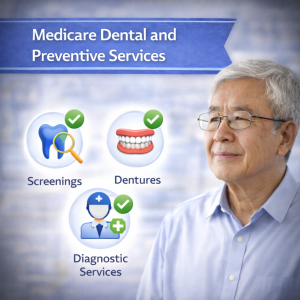
Preventive Dental Care for Seniors

Taking care of your teeth and gums is important at any age, but especially for seniors. Preventive dental care helps maintain a healthy mouth and can prevent serious issues down the road.

Understanding how proper oral hygiene, regular check-ups, and a balanced diet contribute to oral health can give seniors the confidence they need to maintain their smiles. This guide provides easy-to-follow tips tailored for older adults to support lasting dental health.

By prioritizing these practices, seniors can reduce the risk of cavities and gum disease, ensuring a better quality of life.

Key Highlights

  • Preventive dental care is crucial for seniors to maintain oral health and prevent issues like cavities and gum disease.
  • Daily habits such as brushing and flossing are essential to support oral health and reduce related healthcare costs.
  • Flossing removes trapped food particles, reducing the risk of gum disease, particularly important for seniors.
  • Regular brushing with fluoride toothpaste helps prevent plaque buildup and supports a healthier lifestyle.
  • Choosing the right dental plan involves understanding coverage options, costs, and specific oral health needs.

Compare Dental Plans

Understanding Preventive Dental Care for Seniors

Preventive dental care is crucial for seniors, focusing on maintaining oral health and preventing problems before they start. This type of care involves regular professional care and developing good habits.

By visiting your dentist regularly, seniors can avoid serious issues like tooth decay and gum disease. Early intervention and preventive dentistry protect your teeth, ensuring healthier outcomes.

Emphasizing preventive dental practices is fundamental in safeguarding oral health and reducing healthcare costs. Seniors can benefit from understanding preventive dental care’s role in maintaining their well-being, making it a priority in their healthcare routine.


Preventive Dental PracticesBenefits for Oral HealthBroader Health ImpactEconomic Advantages
Regular Dental Check-UpsEarly detection of oral issuesReduces risks associated with heart diseaseCost savings on complex treatments
Professional CleaningsPrevention of cavities and gum diseaseSupports systemic health, lowering inflammationMinimizes future treatment expenses
Fluoride TreatmentsStrengthens enamel and prevents decayContributes to overall resistance to infectionsReduces need for extensive dental procedures
Daily Oral Hygiene PracticesMaintains healthy gums and teeth stabilityImproves nutritional absorption through effective chewingPrevents loss of teeth and related costs


This table highlights how preventive dental care not only maintains oral health but also fosters overall well-being and economic savings for seniors.

Understanding Preventive Dental Care for Seniors

What Does Preventive Mean in Dental Care?

Preventive dental care refers to the proactive measures taken to maintain oral health and prevent dental problems before they arise. It involves regular professional care such as cleanings and check-ups, along with developing good habits like brushing and flossing.

The essence of preventive dental is to protect your teeth from decay and gum disease, which can be particularly important for older adults. As we age, oral health can affect our overall health, making preventive care all the more vital.

By committing to regular dental care, seniors can minimize the onset of oral diseases that may lead to more serious health issues.

Preventive dentistry includes a wide range of practices beyond basic cleaning. Your dentist might recommend fluoride treatments or dental sealants to further guard against cavities.

Regular X-rays can also detect problems early, allowing for prompt treatment. Preventive care extends to lifestyle advice, such as dietary suggestions and smoking cessation, which contribute to maintaining healthy teeth and gums.

Investing time in preventive dental measures now can help reduce the need for more invasive treatments later on, preserving not just your dental health, but also your general well-being.

An essential component of preventive dental care is education. Awareness of the connection between oral health and systemic diseases such as diabetes and heart disease is a growing area of concern.

Through early education and intervention, patients can take control of their health outcomes. By fostering a proactive approach to dental care, seniors can enjoy a better quality of life, free from the discomfort and high costs associated with advanced dental treatments.

Furthermore, engaging in preventive dental care allows for maintaining natural teeth and a resilient, functional smile.

How Preventive Dental Care Helps Seniors Maintain Oral Health

Seniors face unique oral health challenges as part of the natural aging process, making preventive dental care a critical component of their healthcare.

This type of care helps in maintaining oral health by preventing common issues like cavities, gum disease, and tooth loss, which can be more frequent as one grows older.

Regular professional care through consistent dental visits allows for early intervention when issues are detected, reducing the risk of more significant complications.

Due to the interconnection between oral health and overall health, preventive dental care plays a vital role in older adults’ general well-being.

Oral bacteria and infections have been linked to various medical conditions, such as cardiovascular disease and diabetes, highlighting the importance of keeping a healthy mouth.

By addressing dental issues early, seniors can potentially mitigate risks associated with these health problems.

The role of developing good habits cannot be overstated. Simple practices such as regular brushing with fluoride toothpaste, flossing daily, and using an antibacterial mouthwash are foundations for effective preventive dental care. Seniors benefit from tailored advice on dental care routines, making the guidance from dentists invaluable.

These efforts can aid in maintaining the integrity of the teeth and gums, extending their functionality and appearance.

Moreover, the economic advantages of preventive dental care are significant. By preventing serious dental problems, seniors can avoid costly treatments, thus managing their healthcare expenses more effectively.

This proactive approach enables seniors to allocate their resources more efficiently, focusing on enhancing their quality of life rather than addressing avoidable dental crises.

By visiting the dentist regularly and adhering to preventive dentistry, seniors can enjoy a healthier mouth and a happier life.

Find & Compare Plans Online

Speak with a licensed insurance agent

1-855-425-2095TTY 711

Mon-Fri: 8am-9pm ET

Daily Habits for Better Oral Health

Developing daily habits for oral health is essential for seniors aiming to maintain a healthy mouth and prevent dental issues. These habits, which include brushing and flossing, are foundational in preventing tooth decay and gum disease.

Seniors should focus on a comprehensive daily dental hygiene routine to protect their teeth and enhance overall well-being. Emphasizing the importance of such preventive measures not only supports oral health but also minimizes healthcare costs related to dental care.

By understanding these daily practices, seniors can feel empowered to manage their dental health effectively.

Why You Should Floss Your Teeth Every Day

Flossing is a critical component of any daily dental hygiene routine. For seniors, daily flossing can dramatically improve oral health by removing trapped food particles and plaque that a toothbrush can’t reach.

This practice helps prevent gum disease, a common issue as we age, and protects your teeth from decay. Flossing contributes to healthier gums and reduces the risk of gum inflammation and bleeding.

It’s crucial for older adults to include flossing in their daily habits because it promotes dental care that directly influences their overall health. Regular flossing also plays a protective role, preventing issues that could lead to more severe conditions like periodontitis, which can affect both oral and systemic health.

Now, you might wonder how best to incorporate flossing into your routine. Start by using a comfortable piece of floss. Be gentle around your gums to avoid damage and ensure a thorough clean between each tooth.

By making flossing a consistent part of your day, you’re not only investing in oral health but also practicing preventive care that deters future dental problems. This simple task can have a profound impact, helping to maintain the integrity of your mouth while minimizing unnecessary healthcare interventions.

Encouraging seniors to develop good habits like flossing will help in sustaining a resilient smile and a healthier lifestyle.

Seniors should view flossing as an essential preventive tool in their dental care arsenal. Regular practice will encourage healthier outcomes and enhance their dental health long term.

Moreover, patients who floss regularly often report feeling more confident in their hygiene practices. Flossing daily can lead to lower dental bills by reducing the need for complex dental procedures, making it an economically sound strategy.

Therefore, in the realm of daily dental care, flossing stands out as a simple, effective, and cost-saving approach that supports oral and overall health for seniors.

Importance of Regularly Brushing Your Teeth

Brushing your teeth is the cornerstone of effective oral healthcare, particularly for seniors aiming to maintain a clean and healthy mouth. Regular brushing clears away the plaque that can cause cavities and gum disease, serving as a preventative measure crucial for maintaining oral health.

It’s recommended that seniors brush twice daily using a soft-bristled toothbrush and fluoride toothpaste to enhance their efforts in fighting decay. This simple habit plays a vital role in reducing the risk of oral diseases, thereby supporting a healthier lifestyle through proper dental care.

To improve brushing effectiveness, seniors should be aware of proper techniques, use gentle circular motions to clean all surfaces of the teeth, including along the gum line. Taking about two minutes to brush thoroughly ensures that bacterial buildup is minimized, offering further protection against disease.

Consistent brushing not only benefits oral health but also has broader health implications. A clean mouth can prevent complications linked to oral bacteria, such as heart disease and diabetes.

This aspect of preventive care should not be underestimated, as it greatly impacts overall health.

Moreover, incorporating brushing into daily dental habits nurtures the longevity of a senior’s teeth, helping to maintain a natural appearance and function over time. For patients concerned with dental care costs, maintaining a regular brushing routine can prevent the need for expensive treatments later.

It’s an accessible form of preventive self-care that empowers seniors to take charge of their oral health, thereby reducing overall healthcare expenses. Encouraging older adults to brush regularly combines both immediate oral cleanliness with long-term health benefits, reinforcing the essential nature of this routine in daily life.

Incorporating these additional habits can further enhance oral health and lessen the likelihood of future dental issues for seniors:

  • Floss daily to remove plaque between teeth that brushing misses.
  • Use an antimicrobial mouthwash to reduce bacteria and freshen breath.
  • Stay hydrated to promote saliva production, crucial for neutralizing acids.
  • Limit sugary and acidic foods to prevent enamel erosion.
  • Visit your dentist regularly for check-ups and professional cleanings.
  • Replace your toothbrush every three to four months to maintain effectiveness.
  • Chew sugar-free gum to stimulate saliva and protect enamel.


Incorporating these practices can further enhance oral health and lessen the likelihood of future dental issues.

Choosing the Right Dental Plans for Senior Patients

Selecting suitable dental plans for seniors is a vital step in ensuring comprehensive oral healthcare throughout their golden years. As seniors navigate choosing the perfect plan, understanding the nuances involved is key.

This involves examining details like coverage options, costs, and the specific oral health needs that arise with age. In this section, we’ll explore the importance of considering these elements, helping seniors and caregivers make well-informed decisions.

The goal is to demystify dental plans, ensuring that seniors can find a plan that supports their unique healthcare needs.

Choosing the Right Dental Plans for Senior Patients

Considering Coverage Details and Costs

When evaluating dental plans, especially for seniors, understanding the breadth of coverage and associated costs can significantly impact oral healthcare outcomes. For seniors, preventive dental care is often a top priority, and it’s crucial to ensure the chosen plan offers comprehensive preventive benefits.

Regular dental check-ups, cleanings, and early interventions are indispensable in maintaining oral health, reducing the risk of developing serious problems such as gum disease or tooth decay over time.

These preventive measures serve as a frontline defense, offering benefits that extend beyond oral health to overall well-being, reducing potential healthcare costs related to medicine and disease management in the future.

Costs and coverage details should be carefully scrutinized, as they can greatly vary across plans. Some plans, for instance, might cover basic preventive services like cleanings but exclude certain procedures like fillings or crowns.

It’s essential to map out what each plan covers, including limitations. Understanding these nuances helps seniors avoid unexpected expenses, maintaining budgetary control while ensuring that all necessary dental care is accessible.

It’s also beneficial for seniors to consider their current oral health status and any anticipated needs, such as dentures or advanced treatments, which might influence the selection of a dental plan.

The dynamics of insurance policies can sometimes appear intricate, particularly concerning dental health insurance. Seniors should look for plans that not only cater to immediate dental needs but also align with long-term healthcare objectives, promoting a healthy mouth through comprehensive care.

Coverage might also vary by provider, making it vital to assess the options available within one’s locality. By considering both current and future dental health needs, seniors can opt for dental plans that truly support their journey to maintaining oral health and overall quality of life.

Thoughtful evaluation and selection of insurance plans can pave the way for sustained dental health, providing peace of mind and financial security as seniors navigate their healthcare.

Maintaining good oral health can significantly impact your overall well-being, and preventive care plays a key role. We invite you to enter your ZIP code on our website to explore various dental insurance options available in your area.

Remember, coverage and costs can vary by location, so understanding your choices can help you make informed decisions. Feel confident in finding a plan that matches your needs and supports your healthcare journey at any age.

Compare Dental Plans

Frequently Asked Questions

Why is preventive dental care important for seniors?

Preventive dental care is crucial for seniors because it helps maintain oral health and prevents issues such as cavities and gum disease. Regular check-ups and cleanings allow early intervention, reducing the risk of more serious, costly problems.

What daily habits can improve oral health in seniors?

Daily habits such as brushing twice daily with fluoride toothpaste, flossing, and using an antibacterial mouthwash are vital. These practices help prevent plaque buildup, tooth decay, and gum disease, contributing to overall oral health.

How does flossing benefit seniors?

Flossing removes food particles and plaque between teeth, places a toothbrush might miss. For seniors, regular flossing reduces the risk of gum disease and supports overall health, potentially preventing more severe conditions like periodontitis.

What should seniors consider when choosing a dental plan?

Seniors should consider coverage options, costs, and specific oral health needs when evaluating dental plans. It’s important to understand what services are covered, such as preventive care, and any limitations to avoid unforeseen expenses.

How can preventive dental care affect overall health in seniors?

Maintaining good oral health through preventive care can significantly impact overall health. Oral infections and bacteria are linked to systemic conditions like heart disease and diabetes, making oral hygiene a critical component of total well-being for seniors.

Have Questions?

Speak with a licensed insurance agent

1-855-425-2095

TTY users 711

Mon-Fri: 8am-9pm ET

Find & Compare Plans Online

Speak with a licensed insurance agent

1-855-425-2095TTY 711

Mon-Fri: 8am-9pm ET

ZRN Health & Financial Services, LLC, a Texas limited liability company