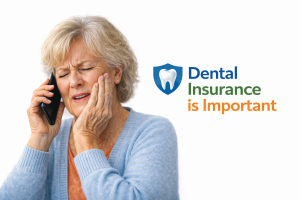
Comparing dental insurance plans requires a systematic approach, especially for seniors exploring Medicare Advantage options. Understanding the plan and coverage specifics offered by different insurance providers is crucial.
These plans come from various companies, each offering unique benefits, costs, and dental services. A crucial first step is evaluating the type of coverage needed.
Some seniors may prioritize preventive services, which typically include exams, cleanings, and basic procedures, often covered with minimal out-of-pocket expense. Conversely, others might need plans that cover more complex situations, such as dentures or crowns.
Recognizing the differences between these plans helps to align them with specific dental needs and future expectations.
Cost is a critical factor when comparing dental insurance plans. In Medicare Advantage, out-of-pocket costs can significantly influence long-term affordability and decision-making.
Elements like deductibles, copayments, and coinsurance directly affect these costs. It’s vital to examine each plan’s cost structure and ensure it aligns with your healthcare budget.
Medicare Advantage plans often include diverse frameworks for these expenses, making it important to consider how each element combines to form total cost projections. Access to in-network providers can also impact costs , ensuring that your preferred dental provider is within a plan’s network can reduce out-of-pocket costs considerably.
When exploring dental insurance plans, the provider’s reputation and plan offerings play significant roles. Companies like Aetna Medicare offer a variety of plans, known for accommodating comprehensive dental care, which could influence your choice.
While the company’s reputation is important, so is understanding the specific benefits of each Medicare Advantage plan. Coverage details might include a broad range of dental services or be restricted to basic services.
How these offerings align with individual needs can make a plan more or less appealing. Additionally, knowing if the plan includes additional healthcare services or only dental is essential.
Finally, understanding the benefits of bundling dental insurance with other healthcare services under Medicare Advantage can simplify insurance management and save money. Bundling usually involves one premium for combined healthcare services, including dental, which can streamline payments and provide unified coverage.
However, always consider the limitations and read the fine print, knowing annual maximums for coverage can prevent unexpected costs. Exploring these details prevents misunderstandings about what is covered and what you would need to pay out of pocket.
Ultimately, comparing dental insurance plans is about understanding how each plan’s features and costs fit into your broader healthcare needs. By focusing on service coverage, out-of-pocket expenses, provider access, and company reputation, you can identify the most beneficial plan.
This careful consideration empowers you to make informed decisions, ensuring you receive necessary dental care without unnecessary financial strain. Seniors are encouraged to carefully weigh these factors, consult with their dental provider, and use tools like online comparison charts to aid their decision-making.
By taking these steps, you can feel confident in finding a dental insurance plan that aligns with your healthcare priorities and financial situation.
Understanding Medicare Advantage and out-of-pocket dental costs may seem complex, but with the right information, it becomes manageable. Various plans offer different coverages for dental services like cleanings, crowns, or dentures.
It’s essential to compare available options based on your unique needs and budget. Always check specifics about coverage and expenses, as these can change by location and provider.
Entering your ZIP code on our website is a helpful way to explore plans in your area that may suit you. This step ensures you make informed decisions about your dental health needs.