Medicare Dental Plans Chicago

Exploring Medicare dental insurance in Chicago means learning about various options available to seniors in Illinois. These plans help cover dental services, promoting good oral health and offering peace of mind when visiting the dentist. Understanding coverage details, benefits, and requirements is crucial for selecting a suitable plan.

In this guide, we’ll discuss the types of dental plans accessible through Medicare, highlighting their advantages and areas to consider. Whether seeking preventive care like cleanings or more extensive treatments such as dentures, this resource can assist in making informed decisions about dental care coverage.

Key Highlights

  • Medicare dental plans in Chicago offer options that help cover essential dental services and promote oral health for seniors.
  • Medicare Advantage plans often provide more comprehensive dental benefits compared to Original Medicare, including preventive and some advanced procedures.
  • Group dental plans, often arranged through employers, can offer seniors broader coverage and financial advantages over individual plans.
  • Using ZIP codes can help locate and compare dental insurance plans available in your area, ensuring access to local network providers.
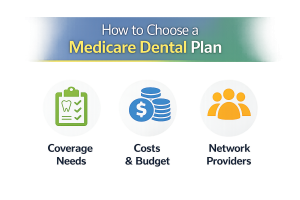
  • Careful comparison of plan coverage, costs, and network restrictions is essential to meet personal dental care needs effectively.

Compare Dental Plans

Understanding Medicare Dental Plans in Chicago

Determining the right dental coverage in Chicago can feel overwhelming, especially when considering the complexity of Medicare dental plans. It’s crucial to know the costs, basic components, coverage options, and how these compare with private plans. Whether you’re interested in Medicare Advantage or simply exploring different dental solutions in Illinois, we’re here to break down the essential information.

With this guide, seniors and caregivers can access clear insights into how dental insurance works within the Medicare system, helping you make informed decisions about your dental care needs.

Basic Components of Medicare Dental Coverage

Medicare itself, particularly Original Medicare, typically offers limited dental coverage. That means most dental care essentials, such as routine check-ups, cleanings, fillings, and tooth extractions, aren’t included. Original Medicare generally focuses on hospital and medical insurance.

However, some Medicare Advantage plans might provide additional dental benefits. These are often necessary for covering services like exams, cleanings, and essential procedures that Original Medicare doesn’t address. If you’re considering insurance programs to cover these gaps, understanding the basic components of dental plans affiliated with Medicare Advantage can be crucial.

Medicare Advantage plans, also known as Medicare Part C, often merge your Medicare coverage (Part A and Part B) and add extra benefits like dental, vision, and hearing. It’s essential to thoroughly review these plans since the extent of dental coverage varies. Some may cover preventive services only, such as bi-annual cleanings and check-ups, while others might offer broader benefits, including fillings or more complex procedures like crowns or implants.

While group dental plans may intersect with Medicare Advantage options, they typically don’t form part of the standard Medicare dental benefits. Instead, group plans serve to offer collective benefits, often through employers or organizations. These can sometimes be more comprehensive, affording additional coverage beyond Medicare offerings.

When investigating Medicare dental plans, ensure the chosen dental insurance plans effectively cover the desired dental services to avoid unexpected costs or treatment limitations.

Types of Dental Services Covered by Medicare

Differences Between Medicare and Private Plans

Understanding the differences between Medicare dental plans and private dental plans in Chicago is vital for those looking to maximize their dental coverage. While Medicare plans, particularly Medicare Advantage, include some dental benefits, they’re not exhaustive. In contrast, private dental plans can be tailored to suit a wider variety of needs, including extensive coverage for preventive visits, restorative care, and sometimes even orthodontics.

The primary distinction lies in the type and extent of coverage. Medicare Advantage plans offering dental coverage often focus on essential services. However, they typically involve network restrictions, meaning you may need to visit specific providers to access full benefits.

On the other hand, private dental plans can offer flexibility with provider networks, often allowing you to choose from a wide range of dentists or specialists. This independence can be a significant benefit if certain providers are preferred for your dental care.

Financial considerations also come into play. Medicare Advantage may provide dental coverage bundled with other health benefits, which can be cost-effective if dental needs align with the coverage offered. In contrast, private plans might incur additional costs but often provide broader coverage, a crucial factor if major dental work is anticipated.

Lastly, certain private plans may offer no waiting periods for essential benefits, while Medicare Advantage plans might impose such waiting times as part of their conditions.

Exploring group dental options in Illinois is beneficial as well, especially for retirees who may obtain dental coverage through former employment. These group plans may offer advantages similar to private plans with an added emphasis on flexibility and potentially lower premiums. It’s essential to compare plan specifics, consider how dental care needs align with covered services, and assess provider access and financial implications.

By weighing these aspects, seniors and caregivers can make informed choices that align well with personal dental health goals.

Types of Dental Services Covered by Medicare

Finding the right dental services through Medicare can often be a challenging task for seniors in Chicago. It’s essential to know what types of dental care are typically covered under these plans, especially since Original Medicare tends to provide limited options. While more common procedures like cleanings and exams fall into the category of preventive services, advanced dental procedures present additional complexities.

This section explores the preventive services Medicare might cover and the limitations you may encounter with advanced dental procedures, equipping you with the details needed to understand your dental insurance options better.

Preventive Services and Their Importance

Preventive services play a pivotal role in maintaining oral health, and Medicare has recognized their importance, especially for seniors. These services usually include cleanings, exams, and, sometimes, fluoride treatments aiming to catch potential issues early before they evolve into significant problems. For seniors, staying on top of dental health can prevent complications like cavities and gum disease, which are often more challenging and costly to address later.

While Original Medicare itself doesn’t typically offer coverage for routine preventive care, Medicare Advantage plans, also known as Medicare Part C, might encompass these benefits under certain circumstances.

Preventive dental care can be a game-changer by focusing on routine maintenance rather than dealing with expensive procedures that arise from neglect. For those residing in Chicago, selecting a suitable Medicare Advantage plan that includes preventive dental services could alleviate the financial burden associated with routine dental visits. Having consistent access to preventive services ensures regular check-ups, which help detect dental issues early and manage them with less invasive interventions.

This proactive approach not only contributes to better oral health but can also reduce overall healthcare costs by preventing the escalation of treatable conditions.

A significant advantage of these services is their role in promoting overall health. Regular dental cleanings and exams can help detect not just oral health issues but potential signs of other health conditions. Some Medicare Advantage plans may cover select preventive services without additional premiums, providing an accessible way to maintain oral health.

It’s essential, however, to verify the specific benefits offered by a chosen plan, as coverage details can vary widely between different insurance companies and geographic locations. This is particularly true for seniors, who may find that certain plans better fit their needs depending on their healthcare priorities.

Understanding the benefits that preventive dental services provide can guide seniors and their caregivers as they explore dental insurance options in Chicago. By choosing a Medicare Advantage plan that includes preventive coverage, seniors can ensure they’re taking necessary steps to preserve their dental health. These plans often cater specifically to those aiming to avoid the need for extensive dental work, thus fitting a broader range of dental care needs.

Selecting the right coverage isn’t just about current health needs but considering future dental care requirements, ensuring the plan chosen can adapt as health dynamics change with age.

Advanced Dental Procedures and Their Limitations

Advanced dental procedures often involve more complex interventions than preventive services, such as crowns, bridges, dentures, and implants. Understanding these procedures’ coverage limitations under Medicare is critical. Generally, Original Medicare doesn’t cover these advanced dental procedures as it’s primarily intended to cover medical and hospital expenses rather than dental care.

However, some Medicare Advantage plans may offer partial coverage for certain advanced procedures, though coverage often comes with significant restrictions and higher out-of-pocket costs.

Seniors considering these procedures under Medicare plans need to be aware of limitations relating to coverage intensity, network restrictions, and cost-sharing components. For instance, a procedure like a root canal might not be entirely covered, necessitating a considerable amount of out-of-pocket expenses. Additionally, even when a Medicare Advantage plan includes dental services, it may involve network limitations where you must select from a list of approved providers.

This restricts freedom of choice and potentially limits access to providers who have collaborated with individuals over time, which can be an important consideration in dental care continuity.

Understanding the intricacies of dental insurance is pivotal, especially considering the costs and complexity of advanced procedures. Many Medicare Advantage plans impose annual maximums, this is the highest amount a plan will pay for covered services each plan year. This means seniors must plan their dental care carefully, anticipating how treatments will interact with their coverage limits.

For seniors looking into major dental work, assessing whether additional dental insurance is needed alongside Medicare Advantage can prevent unexpected expenses, especially if the procedures exceed the outlined maximum benefits.

Exploring various insurance options and understanding plan terms is essential to effectively cover advanced dental procedures. A critical step involves comparing the costs, coverage details, and network limitations associated with different Medicare Advantage plans. Dental care needs can vary, and aligning the cost of procedures with the benefits received is vital for effective financial planning.

In some cases, a combination of group dental plans and Medicare Advantage might suit those with extensive dental needs better, providing broader coverage within Chicago’s network of dental service providers. Making informed decisions about these aspects ensures that seniors and their caregivers can approach dental care with confidence, avoiding large dental bills that could strain finances.


Type of ServicePreventive ServicesAdvanced ServicesLimitations
Check-upsCovered under some Medicare Advantage plansNot typically covered under Original MedicareAvailability varies significantly by plan and insurer
CleaningsMay be included in certain Medicare Advantage dental offeringsNot covered by Original MedicareFrequency limits may apply depending on the plan
FillingsPossible coverage in select Medicare Advantage plansRarely covered under standard Original Medicare benefitsSubject to plan-specific rules, copayments, and exclusions
Oral SurgeryNot typically covered as a preventive serviceMay be covered if deemed medically necessary under certain Medicare plansCoverage depends heavily on Medicare plan type and clinical necessity

This table offers an overview of preventive and advanced dental service coverage under Medicare, aiding in understanding the variations and limitations seniors may face.

Find & Compare Plans Online

Speak with a licensed insurance agent

1-855-425-2095TTY 711

Mon-Fri: 8am-9pm ET

Medicare Advantage and Its Dental Benefits

Understanding the dental benefits that come with Medicare Advantage plans can make a significant difference for seniors looking for comprehensive dental care in Illinois. Medicare Advantage plans, often referred to as Medicare Part C, enhance coverage by combining traditional Medicare benefits with additional services like dental, vision, and hearing.

This section sheds light on how these plans extend dental coverage beyond Original Medicare, offering a more flexible option for those in Chicago. We’ll compare Medicare Advantage with Original Medicare to detail how these plans meet various dental care needs in the area.

How Medicare Advantage Plans Enhance Coverage

Medicare Advantage plans are designed to bridge the gaps in coverage that Original Medicare, primarily focused on medical and hospital services, often leaves unaddressed, especially regarding dental care. These plans often come with expanded dental benefits, encompassing both preventive and, in some cases, more advanced dental services.

The dental benefits offered can vary widely from plan to plan, but typically, they enhance coverage by including routine dental services such as cleanings, check-ups, and sometimes even procedures like fillings or tooth extractions.

One of the key elements of Medicare Advantage plans is their ability to offer preventive services, which play a crucial role in maintaining optimal dental health. This could include regular cleanings and exams that help catch issues early, potentially preventing more serious complications.

By offering such services, these plans aim to reduce the likelihood of more extensive procedures, thereby also lowering the overall costs of dental care. Furthermore, some plans cover fluoride treatments and basic x-rays, adding comprehensive layers to standard dental visits.

For those with advanced dental needs, like crowns or root canals, Medicare Advantage plans can sometimes offer partial coverage, helping to manage out-of-pocket expenses. However, it’s important to note that these benefits often come with specific network and provider stipulations. These stipulations may restrict some seniors from seeing their preferred dentists unless those dentists are part of the plan’s network.

This limitation necessitates careful consideration when selecting a plan to ensure it fits personal healthcare needs and provider preferences.

Additionally, seniors can often enjoy enhanced dental coverage without paying additional premiums, as these services are bundled into the plan’s overall healthcare benefits. Individually tailored options allow seniors to choose a Medicare Advantage plan that best aligns with their dental care priorities. While navigating the complex landscape of insurance options, it’s beneficial for seniors in Chicago to explore the specific offerings of different insurance companies and how these plans could fit into their healthcare overall.

Always reviewing the detail of each plan’s coverage, such as what dental services are covered and any associated costs, ensures that seniors are making informed and beneficial healthcare choices.

By selecting a Medicare Advantage plan that offers suitable dental benefits, seniors can gain peace of mind knowing that their routine and advanced dental care needs might be more consistently supported. This includes recognizing the potential savings and enhanced coverage of having dental services integrated with overall health care through a single, streamlined insurance program. Making these choices with an understanding of both personal dental needs and the specific offerings of various plans is crucial for maximizing the benefits available and ensuring that all necessary services are covered within the plan year.

To provide comprehensive insight into how Medicare Advantage plans enhance dental coverage, here are specific ways they could support senior dental health:

  • Additional benefits often include preventive care like bi-annual cleanings.
  • Plans may cover basic restorative services, such as fillings.
  • Fluoride treatments can be included to strengthen teeth.
  • Partial coverage for complex procedures like crowns might be offered.
  • Some plans incorporate routine x-rays into their dental benefits.
  • Networks can affect which dentists you may visit under your plan.
  • Keep an eye on copayments for different dental services.
  • Understand specific plan coverage before making a selection.

This list outlines various aspects seniors should consider when evaluating how each Medicare Advantage plan can meet their dental needs.

Comparing Original Medicare and Medicare Advantage

The choice between Original Medicare and Medicare Advantage can significantly affect access to comprehensive dental coverage, presenting a pivotal decision for seniors. Original Medicare, encompassing Part A and Part B, excludes most routine dental services, leaving beneficiaries needing dental care to seek additional coverage options. In contrast, Medicare Advantage plans aim to complement and enhance the original framework of Medicare by including valuable dental benefits, thus offering a compelling alternative for those seeking more inclusive coverage.

One of the critical differences between these two options is how they handle dental coverage. Original Medicare focuses on hospital and medical needs, which means beneficiaries looking for dental coverage must typically rely on separate dental insurance or choose a Medicare Advantage plan. These Advantage plans may integrate dental services as part of their overall package, encompassing everything from preventive care, like cleanings and exams, to more involved procedures if needed.

This integrated approach can streamline healthcare management by bundling multiple types of coverage into one plan.

Medicare Advantage plans often have their networks, meaning the selection of available dentists might be limited to those who have agreements with the insurance provider. This network model can significantly influence decisions, as it requires seniors to either choose a plan that includes their current dentist or switch to a new provider within the network. On the other hand, private dental plans associated with Original Medicare generally offer more flexibility, allowing individuals to select from a broader range of dental professionals without network restrictions.

The financial aspect is another pivotal differentiator. While Medicare Advantage plans generally package dental benefits, they might come with varying out-of-pocket costs depending on the level of coverage. Understanding these cost components, including premiums, deductibles, and copayments, is essential when evaluating the two options.

Private dental plans offer the flexibility of choosing preferred providers but might require additional premiums separate from the basic Medicare structure.

Ultimately, the decision between these plans depends on personal preferences and dental health needs. Those with existing dental problems or in need of extensive procedures might find Medicare Advantage’s bundled services more convenient and possibly cost-effective, while others might prioritize the flexibility offered by private plans. In Chicago, exploring the specific benefits and limitations of Medicare Advantage plans can reveal opportunities to maximize access to essential dental services, ensuring that chosen plans align well with current and anticipated healthcare needs.

By thoroughly reviewing and comparing the offerings in each type of plan, seniors can develop an informed strategy that secures dental services aligned with their healthcare priorities. With Medicare coverage being a crucial part of overall health strategy, understanding the nuanced differences in dental benefits available through Medicare Advantage and Original Medicare ensures that seniors make well-considered decisions as part of their comprehensive dental care planning.

Exploring Group Dental Plans in Illinois

Exploring Group Dental Plans in Illinois

When it comes to finding the right dental care solutions in Illinois, understanding group dental plans can be highly beneficial, especially for seniors seeking comprehensive coverage. These plans, often available through employers or organizations, offer collective benefits that can complement existing Medicare options. Whether living in bustling Chicago or other parts of Illinois, exploring group dental options can help ensure your dental care needs are met efficiently.

In this section, we’ll delve into the offerings of group dental plans tailored for senior needs and the steps to find affordable options in Chicago.

What Group Dental Plans Offer for Senior Needs

Group dental plans present a valuable option for seniors in Illinois, aiming to enhance dental care coverage beyond what traditional Medicare might offer. These plans are typically arranged through employers or large organizations, pooling resources to secure better coverage terms. Seniors often find these plans appealing for their potential to cover a wider array of dental services, making them an attractive addition to Medicare Advantage or other private plans.

Humana and Delta Dental are well-known providers offering such group plans, often including various benefits that cater specifically to senior needs.

One of the key advantages of group dental plans is the comprehensive nature of their coverage. These plans usually encompass routine preventive care like cleanings and exams, which are fundamental in avoiding major dental issues. This preventive focus is vital for seniors, as it can help maintain oral health and prevent costly interventions.

Moreover, group plans often extend to cover restorative services such as fillings, crowns, and sometimes even dentures or implants, a crucial benefit since these services can be expensive without insurance support. Understanding the full spectrum of what these plans offer is crucial for seniors aiming to maintain broad dental coverage.

Another significant aspect of group dental plans is their generally lower out-of-pocket costs due to the pooled resources. This can provide substantial financial relief for those on fixed incomes, a common situation among retirees. Seniors can benefit from lower premiums, reduced deductibles, or co-payments, making essential dental visits more affordable.

Additionally, group plans tend to have higher annual maximums compared to individual plans, allowing seniors more leeway to manage their dental care needs effectively throughout the plan year.

These plans also often overcome the limitations seen in other insurance options. For example, while Medicare Advantage plans might limit provider choice, group dental plans typically offer a more extensive network of dentists. This flexibility ensures that seniors can receive care from preferred providers without switching practitioners, preserving the continuity and comfort of familiar dental care relationships.

The flexibility in provider networks can be particularly beneficial in a diverse urban area like Chicago, where finding trusted, conveniently located dental care is important.

In summary, seniors exploring group dental plans should consider the array of advantages these plans offer, from comprehensive coverage to cost savings, and the ability to maintain provider relationships. By understanding these benefits, seniors in Illinois can make informed decisions that align with their specific dental health priorities and overall healthcare strategy.

Finding Affordable Group Dental Options in Chicago

The journey to finding affordable group dental options in Chicago involves careful research and an understanding of specific needs and budget constraints. Group dental plans are often more financially accessible because they’re designed to serve a collective group, like retirees who have transitioned from employer-sponsored insurance. This makes them not only attractive but also practical for seniors seeking thorough coverage without excessive costs.

Accessing these plans often requires being part of an alumni group, affiliated union, or senior organization, but the benefits often outweigh these initial requirements.

One of the first steps in finding affordable group dental plans is to compare the specifics offered by major providers such as Humana and Delta Dental. These companies are prominent in Illinois, known for structuring plans that cater specifically to seniors, aiming to provide comprehensive services at manageable prices.

Many of their plans feature scalable options that accommodate different levels of dental care needs, whether you’re focused on basic preventive maintenance or need more extensive restorative work. This adaptability ensures seniors can select a plan that fits their exact requirements.

In searching for the right group dental plan, it’s important to consider the plan’s network. Chicago, with its diverse and extensive dental scene, offers seniors the opportunity to choose from a wide array of participating providers. This can be an essential factor when a senior wants to continue visiting a trusted dentist or seeks convenience in dental appointments.

Group plans usually offer an expansive list of network providers compared to individual plans, facilitating broader access to dental services without geographical limitations.

Additionally, assessing costs is crucial. While many group dental plans come with inherent cost advantages, further savings might be possible by taking advantage of special programs or discounts offered through affiliated organizations. Some plans include provisions that reduce premiums further if members participate in preventive care consistently, making it beneficial to maintain regular check-ups.

Analyzing these financial components, including out-of-pocket costs and potential discounts, helps ensure that the selected plan truly offers value for money.

Information is key, and potential plans should be carefully reviewed for annual maximums and any waiting periods that might apply to specific services. Unlike some options, group plans may offer minimal waiting periods for critical treatments, enhancing immediate access to necessary dental care. This is pivotal for seniors who might need timely interventions due to pre-existing dental issues.

Concluding on finding affordable solutions, entering your ZIP code into a trusted insurance comparison tool, such as the one on Dentalinsuranceforsenior.org, enables a customized review of available options based on location. Engaging in this thorough comparison process not only ensures the best financial decision but also aligns dental coverage with personal health objectives, ensuring seniors receive the complete benefits possible under their chosen group plan.

Steps to Find and Compare Dental Plans in Your Area

Navigating dental plans can seem daunting, but a structured approach can make the process smoother. To start, understanding the steps involved in finding and comparing dental plans will provide clarity and confidence, especially for seniors in Chicago. It’s crucial to leverage tools like ZIP codes to identify plan options in your area effectively.

You’ll learn how to compare group plans and individual offerings, the role of insurance companies like Humana, and the importance of understanding the benefits and limitations of each program. This guide aims to simplify the path toward selecting the right dental care coverage for your needs.

Using ZIP Codes to Identify Available Plans

Identifying the right dental plan often begins with understanding what’s available in your specific area. One of the most effective ways to navigate the myriad of options is by using your ZIP code as a guide. This allows you to pinpoint specific dental plans offered by various insurance companies, ensuring you have access to relevant and comprehensive options close to you.

Many people overlook the power of their ZIP code, yet it offers a straightforward method to access personalized healthcare solutions tailored to regional offerings. Whether you’re exploring Medicare Advantage plans or private options, this localized approach can significantly streamline the process.

By entering your ZIP code into a comparison tool, you can unveil a list of available plans in your vicinity. This is particularly beneficial for seniors in cities like Chicago, where the range of services can vary widely. With this information, it becomes easier to understand which insurance company provides the most suitable plans, potentially highlighting options from companies like Humana or other group dental providers.

These insights are invaluable for recognizing programs that align with your dental care needs, from routine cleanings to more advanced services.

Moreover, using ZIP codes helps identify the insurance networks tied to each plan. This is crucial, as network inclusivity can vary significantly. Many Medicare Advantage plans, for instance, might restrict provider options, whereas private or group dental plans could offer broader networks.

Identifying local dental services through your ZIP code ensures you’re not only choosing a plan with the best financial and coverage options but also one that allows you to continue seeing preferred dentists or access new, recommended providers in your region.

Furthermore, understanding regional trends can highlight which plans are popular or recommended based on local testimonials or community benefits. Seniors often find that group plans emphasized in certain ZIP areas offer benefits that become particularly advantageous, like reduced premiums or additional preventive services. Utilizing this method helps to prioritize the specific dental needs prevalent in your area, and align your choice with community health trends.

These insights are especially helpful if you’re part of community groups or senior citizens’ networks looking for collective options.

Once you’ve identified potential plans using your ZIP code, the next step is to compare their benefits and costs. Evaluate each option’s coverage for dental procedures, preventive care, and any limitations that might affect access to necessary services. Look beyond basic coverage and assess aspects like annual maximums, network restrictions, and cost-sharing requirements.

By fully understanding these elements, you gain the confidence to select a program that not only fits your financial parameters but also anticipates your dental health needs over time.

Always remember the goal is to ensure a balanced match between your healthcare necessities and available dental programs. For a comprehensive review, considering visiting Dentalinsuranceforsenior.org, where you can enter your ZIP code and compare plans based on regional availability comprehensively. This tool enables you to explore tailored options in depth, ensuring that you find a dental plan in Chicago or anywhere in Illinois that offers optimal benefits and coverage, securing peace of mind regarding future dental needs.

Understanding Medicare dental plans in Chicago can help you make informed decisions about your dental care needs. While plans and benefits will vary, knowing what options are available in Illinois ensures you have access to essential services like cleanings, exams, and more complex procedures if needed. Remember, examining various plans is key to finding the one that fits your personal needs.

Feel free to enter your ZIP code on our website to discover specific dental insurance options in your area, keeping in mind that coverage and costs can differ depending on where you live in Illinois.

Compare Dental Plans

Frequently Asked Questions

What dental coverage does Original Medicare provide?

Original Medicare primarily covers medical and hospital expenses, but it offers limited dental coverage. Most routine dental services, like cleanings, exams, fillings, and extractions, are not covered. For more comprehensive dental benefits, consider Medicare Advantage plans.

How does Medicare Advantage enhance dental benefits compared to Original Medicare?

Medicare Advantage plans, also known as Part C, may offer additional dental coverage not included in Original Medicare. This can include preventive services like cleanings and exams, and sometimes even more advanced procedures depending on the plan chosen.

What are group dental plans, and how do they benefit seniors in Illinois?

Group dental plans, often provided through employers or organizations, offer collective benefits that can complement Medicare coverage. They typically cover a range of dental services and can include more flexible provider networks, potentially leading to broader access and lower costs.

Why is using a ZIP code helpful when exploring dental insurance options?

Entering your ZIP code helps identify available dental insurance plans specific to your area, ensuring you have access to plans with local network providers. This localized approach aids in finding plans that best meet your dental care needs.

What should seniors consider when comparing dental insurance plans?

When comparing plans, seniors should evaluate the coverage details for dental procedures, preventive care, and any network restrictions. It’s also important to consider costs like premiums, deductibles, and co-payments, ensuring the plan aligns with your healthcare needs.

Have Questions?

Speak with a licensed insurance agent

1-855-425-2095

TTY users 711

Mon-Fri: 8am-9pm ET

Find & Compare Plans Online

Speak with a licensed insurance agent

1-855-425-2095TTY 711

Mon-Fri: 8am-9pm ET

ZRN Health & Financial Services, LLC, a Texas limited liability company