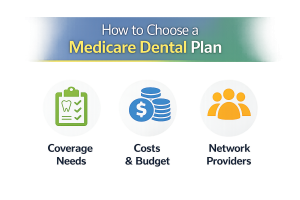
Medicare Dental and Vision Plan

Understanding the best ways to secure dental and vision care is important, especially for those who rely on Medicare. While Medicare covers many health services, its dental and vision coverage can be limited. This guide provides clarity on available Medicare dental insurance plans that can help, outlining what these plans typically cover and the benefits they offer to support your dental and eye health.

We’ll simplify the details so you can feel informed and confident in making choices that meet your needs. Remember, coverage details can vary by location and provider.

Key Highlights

  • Medicare typically does not cover routine dental and vision care, focusing instead on medical and hospital services.
  • Medicare Advantage plans can offer extended dental and vision benefits beyond what Original Medicare provides.
  • Supplemental plans like Medigap generally do not include dental or vision coverage; separate plans may be necessary.
  • Geographic location significantly affects plan availability, coverage scope, and costs for Medicare dental and vision plans.
  • Understanding dental and vision coverage options helps seniors make informed choices and manage healthcare costs effectively.

Compare Dental Plans

Understanding Medicare and Its Coverage Options

Medicare serves as critical health insurance for many seniors, offering coverage for hospital stays, doctor visits, and other essential health services. However, navigating its coverage limitations, especially concerning dental and vision care, can be complex. While Medicare Advantage (Part C) plans may extend some benefits, coverage varies across different plans, locations, and providers.

Understanding what Medicare covers and what it doesn’t helps set realistic expectations about care and costs involved. Recognizing the importance of supplemental plans is essential for those looking to fill gaps in regular dental and vision health.

What Medicare Covers and What It Doesn't

Medicare’s coverage options provide peace of mind for medical services but often fall short when it comes to dental and vision care. Understanding what traditional Medicare covers can prevent unexpected costs. Original Medicare generally addresses hospital stays through Part A and general medical services under Part B.

Nonetheless, it doesn’t typically include routine dental care services such as cleanings, fillings, or fluoride treatment. Likewise, it excludes most vision care, including exams and prescription lenses. This is where many individuals consider Medicare Advantage (Part C) plans, which can offer coverage beyond Original Medicare, often integrating dental and vision benefits.

It’s noteworthy that while some Medicare Advantage options offer such additional benefits, these capabilities depend significantly on the individual plan’s structure. Most plans offer extra benefits that Original Medicare doesn’t cover, yet it’s pivotal to review each plan’s specifics, as not every option provides comprehensive dental or vision coverage. Routine dental care and vision benefits offered by these plans can vary widely, influencing costs and coverage depending on the geographic location and service providers.

These plans might cover routine check-ups, vision health items like contacts, and sometimes even more extensive dental procedures.

For those needing more coverage, Medigap plans may fill certain cost gaps but usually don’t tackle services like dental and vision care. With each option, understanding the limits of your current Medicare plan and considering supplementary or alternative plans can help mitigate hefty out-of-pocket expenses. Reviewing these details allows for informed decisions, ensuring peace of mind in handling the financial aspects of dental and vision health care.

Considering these limitations, it’s helpful to identify specific services typically not included under Original Medicare.

  • Routine dental exams and cleanings are not covered, requiring separate insurance or out-of-pocket expenses.
  • Original Medicare excludes coverage for dentures and related fittings or adjustments.
  • Dental procedures like fillings, extractions, and crowns require alternative payment arrangements or supplemental plans.
  • Vision exams for glasses or contact lenses are typically not included under Original Medicare benefits.
  • Purchase of prescription eyewear, including glasses and contacts, usually involves self-payment.
  • Vision correction surgeries such as LASIK are outside the scope of Original Medicare coverage.
  • Preventive dental and vision care services emphasize the need for separate insurance policies.
  • Treatment for conditions like gum disease is generally not covered, requiring additional insurance sources.

Recognizing these exclusions emphasizes the importance of examining additional plan options for comprehensive dental and vision care needs.

Adding Dental and Vision Care to Your Medicare Plan

Importance of Dental and Vision Care

Dental and vision care is vital to overall health, especially as we age and face unique health challenges. With Medicare primarily covering only medical and hospital care, seniors frequently find themselves without essential coverage for dental benefits and vision care. Poor dental health has been linked to various conditions, including heart disease and diabetes, making routine dental check-ups a fundamental preventive measure.

Similarly, regular vision exams help detect early signs of eye-related diseases such as cataracts or glaucoma, which are crucial for maintaining vision health.

The absence of comprehensive dental and vision coverage in typical Medicare plans often leads seniors to explore supplemental options. This ensures they access necessary care without the burden of unexpected costs. Familiarity with different insurance products and how they supplement basic Medicare ensures dental and vision health needs don’t fall through the coverage gaps.

Dental insurance outside Medicare, for instance, might cover preventive services like cleanings and even more comprehensive treatments such as crowns or dentures, improving quality of life for enrollees.

Moreover, factoring in costs and coverage variations due to location is essential in determining which supplemental plans best suit personal needs, especially when considering dental vision plans that integrate both care types. Taking the proactive step to understand and incorporate dental and vision care into your healthcare plan helps protect your health as you age and provides a reassuring layer of financial security against potential high medical expenses. Ultimately, this awareness supports informed decision-making, aligning care with personal health priorities and financial considerations.

Adding Dental and Vision Care to Your Medicare Plan

Many seniors look for ways to enhance their Medicare coverage with additional dental and vision care options. While standard Medicare doesn’t cover these aspects, integrating supplemental or Medicare Advantage plans can alleviate some of the financial burdens associated with dental and vision health.

Understanding how to incorporate these plans into your Medicare coverage involves exploring different supplemental options and understanding the role of Medicare Advantage plans. These choices are essential in maintaining overall health while managing costs effectively.

Exploring Medicare Supplemental Plans

Medicare Supplemental, or Medigap plans, are often considered for their ability to cover out-of-pocket expenses not included in Original Medicare. However, it’s critical to know that these plans traditionally don’t cover dental and vision care. Medigap is designed primarily to cover Medicare Part A and Part B copayments, coinsurance, and deductibles.

Seniors seeking additional coverage for routine dental services, like visits to the dentist for check-ups, cleanings, and fillings, will often need to look beyond Medigap. Unlike Medicare Advantage plans that might offer more comprehensive solutions, Medigap focuses on aiding with costs directly related to the medical and hospital services provided under standard Medicare.

The exploration doesn’t need to stop there. Specific dental plans can be purchased separately from private insurance companies, such as Aetna, providing additional coverage for dental procedures like preventive care, crowns, and dentures. Such plans typically come with different coverage levels and costs, so it’s essential to assess each one’s benefits and limitations carefully.

Options vary widely, and each dental plan will cover different aspects. Some might focus more on preventive services, while others could help with major procedures not covered by Original Medicare.

While considering dental and vision insurance outside of Medicare, it’s useful to be mindful of how location can affect the availability and cost of these plans. The ability of a plan to give ample coverage at an affordable price can often be contingent on where you reside and the network of providers available in your area. Therefore, examining all available details of a plan, including coverage specifics and monthly premiums, should be a part of the selection process.

Making these decisions requires a balance between personal healthcare needs and an understanding of what each supplementary plan offers.

Role of Medicare Advantage Plans

Medicare Advantage (Part C) plans serve as another avenue for seniors looking to expand their healthcare coverage. These plans are provided by private insurance companies approved by Medicare and often include additional benefits beyond standard Medicare. This can incorporate vision and dental care, which is not typically covered under Original Medicare.

The inclusion of these services makes Medicare Advantage plans an attractive option for those interested in enhancing their Medicare coverage. Such plans often cover routine dental care like cleanings and exams, and some even extend to more extensive dental services. In terms of vision insurance, these plans frequently provide benefits for eye exams, glasses, and contact lenses.

The appeal of Medicare Advantage plans is their comprehensive nature. They offer an all-in-one alternative, combining hospital, medical, and often prescription drug coverage together. However, navigating these plans requires attentiveness, as benefits can vary widely between services and locations.

Some plans might cover extensive dental work, while others may only offer minimal coverage. As with any insurance plan, looking into the specifics of what each Medicare Advantage (Part C) plan offers in terms of coverage, network restrictions, and costs is vital.

Choosing the right Medicare Advantage plan means considering factors such as provider networks, the range of dental services, monthly premiums, and out-of-pocket limits. It’s also crucial to assess these plans based on your geographic location, as coverage can vary significantly from one area to another. Understanding your needs in relation to these plans ensures you’re protected against unexpected costs and allows for more comprehensive health management, integrating dental and vision services that align with your lifestyle and health requirements.

Find & Compare Plans Online

Speak with a licensed insurance agent

1-855-425-2095TTY 711

Mon-Fri: 8am-9pm ET

Comparing Medicare Dental and Vision Plans

Finding the right balance between dental and vision coverage within Medicare necessitates a deep understanding of different plans offered. While Original Medicare does not typically cover routine dental or vision care, there are options available through Medicare Advantage and supplemental plans that can fill these gaps. Comparing these plans requires attention to detail, especially since coverage levels, costs, and plan structures differ by provider and location.

Understanding the nuances of these plans will help you make informed decisions that enhance your healthcare experience, ensuring access to essential dental and vision services without breaking the bank.

Key Differences Between Plans

The variety of dental and vision plans available can seem overwhelming, but understanding their differences is crucial for selecting the best option tailored to your needs. Original Medicare typically excludes routine dental and vision care, focusing instead on medical and hospital coverage. To bridge this gap, seniors often turn to Medicare Advantage plans as they often offer extra benefits that Original Medicare doesn’t.

Each of these plans comes with its own set of dental benefits and vision benefits, addressing routine services like check-ups, fluoride treatment, and even more extensive procedures such as contact lens prescriptions.

When considering these plans, it’s important to recognize not just the benefits, but also the limitations they might have. Some plans might prioritize routine dental care and basic vision coverage, while others provide a broader scope, including specialist services. Not all Medicare Advantage plans cover every aspect, and availability can vary significantly depending on the insurer and regional considerations.

Thus, reviewing the specific plan’s offerings is vital. Different Medicare plans also have varying costs associated with them, including premiums, deductibles, and out-of-pocket expenses, making it important to compare these financial aspects carefully.

Additionally, while Medigap plans are known for covering gaps in Medicare like copayments and deductibles, they do not traditionally cover dental or vision care. Instead, purchasing a separate dental insurance plan could be necessary to cover services outside the scope of Medicare. The range of options in these supplemental plans can be broad, with different levels of coverage and associated costs.

Understanding the specifics of these plans, especially their focus, be it preventive care or more comprehensive treatment, is crucial for optimal financial and health planning. Engaging with these key differences can lead a senior towards a more comprehensive understanding of their options and a more empowered healthcare decision-making process.

How Location Affects Coverage and Costs

Your geographic location plays a significant role in shaping the coverage and costs of Medicare dental and vision plans. Many seniors might not realize that the same plan may offer varied benefits and pricing in different regions. Providers often adjust offerings based on regional factors, which include provider networks and specific state regulations.

This can affect not only the scope of coverage you receive but also the associated costs, such as premiums and co-pays.

Moreover, local providers and clinics that are within your plan’s network can influence the cost and convenience of accessing dental care, vision care, and other essential services. It’s critical to factor these into your decision-making process. Some locations might support an extensive array of healthcare providers, offering more flexible access to routine dental and vision health items.

In contrast, regions with fewer providers may result in higher costs or even limited service availability. Understanding your area’s unique provider landscape will allow you to assess potential out-of-pocket costs accurately.

Additionally, living in a location with a dense senior population might present more competitive insurance offerings, possibly lowering costs due to increased demand and insurer availability. It’s essential to delve into each plan’s specifics within your area, ensuring it aligns with your coverage needs and budget constraints. Seniors should also investigate whether certain locations have state-specific programs or partnerships that offer more advantageous terms.

Therefore, a thorough understanding of how location impacts these factors is vital for positioning yourself to make the best-informed choices regarding your Medicare dental and vision insurance needs.

Comparing Medicare Dental and Vision Plans

Questions About Medicare Dental and Vision Coverage

Navigating the world of Medicare can often feel overwhelming, especially when it comes to dental and vision coverage. Seniors typically find that Original Medicare lacks sufficient dental benefits and vision care, creating a need to look into alternative routes like Medicare Advantage and supplemental options. Understanding the nuances of these plans and how they can be integrated into your overall Medicare coverage is crucial.

This section will address common senior concerns, exploring the essentials of dental and vision plans, costs, coverage options, and the role of location in shaping your choices.

Common Senior Concerns Addressed

Seniors often express concerns about the limitations and costs associated with Medicare’s dental and vision coverage. One common question is why Original Medicare doesn’t cover routine dental care, contacts, or vision exams. Unfortunately, Medicare is primarily designed to provide medical benefits, focusing on hospital stays and medical services rather than preventive dental care like cleanings, fluoride treatment, or eye exams for glasses and contacts.

As a result, most seniors need to consider additional plans to ensure coverage for these essential services.

The cost of dental insurance and vision benefits can also be a significant concern. While many are on a fixed income, the additional expense of supplementary plans needs careful consideration. Fortunately, options like Medicare Advantage plans offer a way to incorporate dental and vision benefits at a potentially reduced cost.

These plans are offered by private insurance companies but should be reviewed carefully to understand what each package provides in terms of coverage, such as routine dental care or contacts for vision correction. The specifics of each plan, including any additional fees, are critical to avoid unexpected out-of-pocket expenses.

Another common concern is understanding how Medigap fits into the picture. While Medigap can help cover some of the costs not addressed by Original Medicare, such as copayments and deductibles, it generally doesn’t include dental or vision coverage. Therefore, seniors looking to fill these gaps often explore dedicated dental plans or vision insurance through private providers. It’s important to assess how these plans align with Medicare Advantage offerings, as some might provide comprehensive dental and vision benefits, while others focus more narrowly.

Also, the impact of location is a vital consideration. Coverage and costs can vary significantly depending on geographic area. Insurance providers often adjust their offerings based on local factors, including the density of providers or specific state regulations.

This means a dental plan or vision coverage might be more affordable and readily available in one region compared to another. Therefore, seniors are encouraged to research plans thoroughly, taking their location into account to find the best fit for their needs and budget. By understanding these aspects, seniors can make informed decisions, aligning their health care with both their financial means and personal health needs.


ConcernMedicare Original LimitationsAlternative OptionsFactors to Consider
Lack of Routine Dental CoverageNo coverage for routine dental care and proceduresMedicare Advantage plans, standalone dental plansCost differences, network restrictions, frequency of care
Vision Care ExclusionsNo coverage for routine eye exams or eyewearMedicare Advantage plans, vision insurancePlan specifics, out-of-pocket costs, provider availability
Need for Comprehensive Care IntegrationOriginal Medicare does not bundle dental and vision servicesMedigap policies with supplemental coverage, private insuranceIntegration with current health needs, location-based plan variations
Complexity of Plan ChoicesOriginal Medicare offers limited dental and vision optionsConsultation with insurance advisors for tailored solutionsUnderstanding terms, potential coverage overlaps, affordability

This table illustrates the primary concerns seniors have with Medicare dental and vision coverage, and presents viable alternatives and considerations for making informed decisions based on their needs and location.

Exploring Medicare dental and vision plans can help you better understand your options and find coverage that fits your needs. Dental and vision coverage can enhance your Medicare benefits by addressing essential services like routine check-ups and corrective lenses. Remember, costs and availability can vary based on your location and specific plan selection.

For personalized information, enter your ZIP code on our website to compare plans and make an informed decision about the healthcare options available to you.

Compare Dental Plans

Frequently Asked Questions

What dental and vision services does Original Medicare cover?

Original Medicare includes Part A (hospital insurance) and Part B (medical insurance), focusing on hospital and medical services. It generally does not cover routine dental services such as cleanings, fillings, or extractions, nor vision services like eye exams for prescription glasses.

How do Medicare Advantage plans differ from Original Medicare in terms of dental and vision coverage?

Medicare Advantage (Part C) plans can offer additional benefits beyond what Original Medicare covers, including routine dental and vision care. These plans often cover services such as dental check-ups, cleanings, vision exams, and sometimes more comprehensive procedures depending on the specific plan.

Do Medigap plans cover dental and vision care?

Medigap, or Medicare Supplement Insurance, is designed to help cover some out-of-pocket costs from Original Medicare, like copayments and deductibles. However, it typically does not include dental or vision coverage.

Why is my geographic location important when choosing a dental or vision plan?

Your location can affect the availability and cost of Medicare dental and vision plans. Insurance providers adjust offerings based on regional factors like local provider networks, which can influence both coverage options and pricing.

What should I consider when exploring additional dental and vision insurance options?

Consider the types of services covered, costs including premiums and potential out-of-pocket expenses, and how these align with your healthcare needs. Evaluating different plans, such as those bundled with Medicare Advantage or separate private insurance, will help you find coverage that fits your specific requirements.

Have Questions?

Speak with a licensed insurance agent

1-855-425-2095

TTY users 711

Mon-Fri: 8am-9pm ET

Find & Compare Plans Online

Speak with a licensed insurance agent

1-855-425-2095TTY 711

Mon-Fri: 8am-9pm ET

ZRN Health & Financial Services, LLC, a Texas limited liability company