Insurance Coverage for Bone Grafting Procedures

Understanding insurance coverage for bone grafting procedures can be essential, especially for seniors considering this dental option. This guide provides a simple look at what both dental and medical insurance might cover.

Costs can vary, and not all plans offer the same benefits for bone grafting. Our goal is to help you see what might be included in your policy, what costs you may face, and how plans differ.

By breaking down complex information into easy-to-understand terms, we aim to support your decision-making process regarding bone grafting coverage.

Key Highlights

  • Bone grafting is vital for dental implants, requiring sufficient bone structure for stability.
  • Dental and medical insurance may cover grafting; coverage varies based on medical necessity.
  • Understanding graft codes is key to maximizing insurance benefits and minimizing costs.
  • Compare dental insurance plans by location to find the right coverage for bone grafting needs.
  • Enter your ZIP code to explore localized dental insurance options tailored to your needs.

Compare Dental Plans

Understanding Dental Bone Grafting

Dental bone grafting is a key procedure that helps restore the bone structure necessary for dental health and successful implants. This process is quite important in dentistry and is often required for those needing more support for dental implants.

Through discussions with your dentist or orthodontist, you can better understand how bone grafts are integrated into dental and medical services. From surgery procedures to the clinical aspects of grafting, knowing the ins and outs of bone health is vital.

Various insurance plans, including those from Aetna, can cover aspects of bone grafting procedures.

What is Bone Grafting?

Bone grafting is a surgical procedure used to repair or rebuild bones through the transplantation of bone tissue. In the context of dentistry, bone grafting helps enhance the bone volume where dental implants will be positioned.

This is crucial because dental implants require a certain amount of healthy bone to remain stable over time. Bone grafting can involve using your own bone, a donor’s bone, or synthetic materials that replicate bone tissue’s function.

The clinical setting for these procedures is often quite sophisticated, and the practice requires careful planning and execution from experienced professionals. The health of the oral structure can determine the type of dental services required, including whether a bone graft is necessary.

The insight from a dental consultation can illuminate whether bone grafts will facilitate future dental work, particularly implants. The decision on which bone to use, whether autografts, allografts, or xenografts, depends on factors such as medical history and bone health.

Understanding Dental Bone Grafting

Dental Bone Grafting Procedures

Bone grafting in dental care involves several types of procedures aimed at enhancing or restoring bone size and shape, essential for supporting implants. This practice is crucial for those lacking sufficient bone density or facing bone loss in the jaw, often due to tooth loss or periodontal disease.

Understanding these graft procedures and how they contribute to dental health can be empowering. Various insurance plans, including Aetna, might cover parts of these surgeries, aiding those who need them.

Reviewing the consultations and insurance policies can help you navigate these vital dental procedures confidently.

Common Dental Bone Grafts Needed

Dental bone grafts are incredibly useful when patients experience bone loss, which can occur from missing teeth or chronic periodontitis. These losses affect the stability of your dental structure, making bone grafting necessary.

There are several types of bone graft procedures depending on your situation. Socket preservation is one such procedure, often performed immediately after a tooth is extracted.

This practice helps maintain the alveolar ridge’s bone height and width, preventing bone resorption. Ridge augmentation is another graft procedure, used when jawbone volume needs increase to support dental implants.

Both procedures involve the use of graft materials, which can be synthetic, autografts, or allografts, each chosen based on clinical needs and personal health history.

The processes involved in these grafts require consultation to ensure they align with individual health and dentistry goals. Discussing with a dental professional, like a dentist or oral surgeon, helps.

They provide insights into which graft type best suits your needs and how these integrate into your overall dental plan. For instance, autografts use bone harvested from another part of your own body, ensuring compatibility but requiring additional surgery.

Alternatively, allografts or xenografts might be presented as options, needing less invasive surgery while achieving similar results. Dental insurance can play a crucial role here.

Various insurance plans, such as those provided by Aetna, might offer partial or full coverage for these surgical procedures. Understanding your insurance coverage beforehand can ease financial concerns and provide peace of mind.

Thus, reviewing your plan’s details and verifying what services are covered will be essential for managing the costs associated with bone grafting. Ultimately, these procedures in dentistry not only enhance oral health but also support long-term dental implant success.

By combining medical consultations with the right insurance coverage, you can address your dental needs confidently.

Insurance Coverage for Bone Grafting

Understanding the nuances between dental and medical insurance coverage for bone grafting can greatly impact the financial aspects of this essential procedure. Bone grafting is a pivotal part of dental implants, helping build up the bone structure necessary for successful outcomes.

Each insurance type may play a role, with dental plans typically focusing on procedures for implants and medical insurance covering surgical aspects under certain conditions. To navigate this, it’s vital to examine individual insurance policies to determine which services are covered, balancing plan benefits, costs, and coverage effectively.

Dental Insurance vs. Medical Insurance

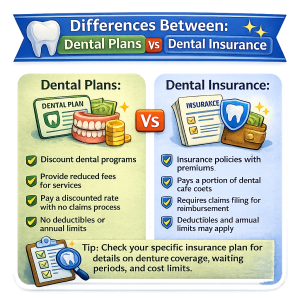
When exploring insurance coverage for bone grafting, a fundamental aspect involves understanding how dental and medical insurance plans interact. Dental insurance primarily addresses procedures directly related to oral health maintenance, such as bone grafting for dental implants.

However, coverage varies significantly between providers and plans. Some dental insurance may cover a portion of the costs involved in grafting, especially when it directly supports dental work like implants.

Plan benefits might include specific surgery procedures critical for maintaining dental health, reflecting the insurance company’s focus on oral health outcomes.

Medical insurance, on the other hand, could cover bone grafting under broader health provisions. If bone grafting is deemed medically necessary due to an accident or disease, some medical plans may step in to cover costs associated with the surgery.

Typically, this involves a thorough review of the policy to understand how billing is managed and what CPT codes apply. For instance, if the bone graft is necessary due to a significant medical condition affecting overall health, rather than purely for dental restoration, medical insurance coverage might be more extensive.

The interplay between dental and medical insurance raises questions about coverage criteria and potential overlaps. It’s essential for individuals to verify their coverage by contacting their insurance provider and deciphering the specific clauses related to bone grafting.

Such policies may define what aspects are reimbursed under dental versus medical insurance, as well as any potential out-of-pocket costs you could incur. Understanding these distinctions helps in planning for potential expenses, allowing for a more seamless integration of health care and financial management when handling bone grafting needs.

Exploring both dentistry-focused and broader health issues ensures that the chosen plan can effectively cover necessary procedures, providing peace of mind and supporting health goals.

Insurance Coverage for Bone Grafting

How Dental Insurance Plans Cover Grafting Procedures

Understanding how dental insurance plans cover grafting procedures can alleviate worries about costs involved in bone grafts. These procedures play a crucial role in maintaining dental health, especially when planning for implants.

Dental insurance plans often vary in coverage, costs, and benefits, making it necessary to explore options thoroughly. Insights into plan benefits and policy details provide seniors with the confidence they need to understand what may be covered.

Grasping how insurance coverage relates to graft procedures can lead to informed decisions about dental health.

What Dental Insurance May Cover

Dental insurance might cover portions of grafting procedures, which is often a relief for those concerned about the costs of maintaining dental health. The extent to which bone grafts may be covered can significantly differ between insurance plans, highlighting the necessity of understanding your specific policy.

Primarily, dental insurance plans aim to support oral health, often covering preventive services, surgeries like bone grafting, or filling costs for implants. Plan benefits might include partial coverage for these graft procedures, critical for supporting dental restorations.

To ensure you’re getting the most out of your dental insurance, it’s vital to examine the specifics of your policy.

Typically, insurance plans require a comprehensive understanding of what surgical procedures they’re willing to cover. For bone grafts, verifying the details of your coverage involves recognizing if your insurance includes such interventions as part of their standard benefits.

The policy may outline the inclusion of certain types of bone grafts deemed essential for dental health, especially when connected to the usage of implants. Furthermore, navigating through the billing process involves knowing what CPT codes are relevant and how this impacts claims.

When considering insurance coverage, understanding the difference between dental and medical policies becomes crucial. While dental insurance plans focus on oral health-specific concerns, some components might overlap with medical insurance, especially when surgery is seen as necessary due to broader health implications.

This interplay between dental insurance and healthcare provisions can influence how costs are covered. Therefore, it’s advisable to review personal insurance plans meticulously and consult with your provider to clarify your entitlements and priorities.

For seniors exploring insurance options to cover bone grafting procedures, understanding your dental plan’s scope sets a clear pathway toward informed decision-making. By evaluating plan benefits, policy specifics, and associated costs, you position yourself to manage your dental health effectively while minimizing potential financial strain.

Ultimately, discerning the nuances of dental insurance can facilitate better planning and ensure you’re adequately covered for essential health services like bone grafts.

Key aspects to consider when evaluating your dental insurance plan:

  • Review policy specifics to identify coverage for bone grafting and implant-related procedures.
  • Confirm if your plan includes necessary surgical procedures as standard benefits.
  • Investigate the overlap between dental and medical insurance for comprehensive coverage.
  • Familiarize yourself with relevant CPT codes to ease the billing process.
  • Check for any exclusions or limitations regarding surgical interventions.
  • Consult your insurance provider to clarify your entitlements and address any concerns.


By keeping these points in mind, you’ll be well-prepared to optimize your dental insurance benefits.

How Dental Insurance Plans Cover Grafting Procedures

Medical Insurance and Bone Grafting

Medical insurance can sometimes intersect with dental needs, especially when bone grafting procedures are involved. While dental insurance often covers procedures directly linked to oral health, medical insurance may apply under specific circumstances.

Understanding how these insurance types differ is essential for planning financially and ensuring proper coverage. Exploring medical insurance’s role can offer insight into when and why it becomes relevant.

Knowing the conditions under which medical insurance might cover bone grafting can guide more informed decisions tailored to personal health needs.

When Medical Insurance Might Apply

Medical insurance might cover bone grafting when it’s classified as a necessary procedure due to health conditions that extend beyond dental issues. This often comes into play when the bone grafting is not just for dental implants but also for reconstructive purposes following trauma or disease.

For instance, if an accident severely affects your jawbone health, medical insurance plans may consider the grafting process a necessary step in recovery, potentially covering costs associated with the surgery procedures. To establish medical necessity, a thorough review of policy details is crucial to navigate medical billing effectively.

It’s important to understand that medical insurance policies vary significantly, often covering procedures that extend beyond surface-level medical needs. When determining insurance coverage, policy terms and conditions are pivotal.

For example, if a bone graft is part of a surgery procedure to correct a health issue impacting general health beyond dental function, it might fall under the ‘medical necessity’ category. This would involve utilizing specific CPT codes, which help classify the procedure within medical billing systems, ensuring the claims align with what the medical insurance policy is structured to cover.

Navigating insurance plans involves detailed knowledge of terms like ‘medical necessity’ and understanding which CPT codes apply. A detailed conversation with your healthcare provider can clarify if your situation might be eligible.

Explore plan benefits, costs, and the policy thoroughly to determine the potential for medical insurance coverage. Often, the scope of what your medical plan covers will directly impact how insurance providers approach claims regarding bone grafting.

In situations where both dental and broader health aspects are involved, verifying how each insurance policy manages these claims is crucial. Your plans might interact in complex ways, especially if bone grafting is needed due to underlying health conditions beyond dental requirements.

Careful review, consultation with insurance representatives, and collaboration with healthcare providers are key steps in securing coverage for such multifaceted health issues. By understanding these nuances, you’ll be better equipped to evaluate whether your medical insurance might assist with covering bone grafting costs.

Find & Compare Plans Online

Speak with a licensed insurance agent

1-855-425-2095TTY 711

Mon-Fri: 8am-9pm ET

Costs Associated with Bone Grafts

Bone grafting procedures typically involve a variety of costs that need careful consideration, particularly when planning for dental implants. These costs can include fees for surgical procedures, clinical evaluations, and material expenses.

Dental and medical insurance plans may cover some expenses, but understanding the potential gap between what is covered and out-of-pocket costs is crucial. Having a clear picture of the costs associated with bone grafts helps in making informed financial and health-related decisions.

Consultation with insurance providers can aid in navigating billing and understanding which components will minimize personal expenditure.

Understanding the Costs Involved

The intricacies of calculating costs for bone grafts can seem overwhelming, but breaking them down into comprehensible parts can help. Generally, costs associated with bone grafting include those for the clinical assessment, the surgical procedure itself, and sometimes post-operative care.

Clinical fees cover consultations and evaluations, which determine if a bone graft is necessary and identify the best approach. The surgery fee might vary based on the complexity of the procedure and the materials used.

Autografts, which use bone from the patient’s body, might be more expensive due to the need for additional surgical time. Alternatively, synthetic or donor graft materials might alter the pricing due to procurement costs.

Insurance coverage plays a pivotal role in managing these costs. Dental insurance plans often focus on addressing procedures necessary for oral health improvements, such as bone grafts required for implants.

However, not all plans cover these entirely, and many have limits or stipulations that need to be clarified during policy review. It’s essential to understand your plan benefits and how they interact with bone grafting procedures.

Contacting your insurer for detailed explanations of what is covered under your dental policy ensures that unexpected bills don’t disrupt your plans.

In cases where bone grafts are not solely for dental purposes, medical insurance might contribute, particularly if the graft procedure is classified under essential health necessities. Navigating this requires familiarity with insurance terms, CPT codes, and billing practices. Medical billing often considers whether the graft procedure is part of a broader health requirement.

Talking with your healthcare provider and insurance representative can offer insights into how these codes apply and what costs might be absorbed by your medical plan. Knowing the financial landscape in advance aids in managing the expenses linked to bone graft procedures, offering peace of mind and budget clarity.

Costs Associated with Bone Grafts

Using Graft Codes in Insurance Claims

Navigating the intricacies of insurance claims for bone grafting procedures hinges on understanding the role of graft codes. These codes are crucial for determining how insurance plans, both dental and medical, assess coverage for such surgeries.

Familiarity with graft codes and their impact on billing can significantly affect your plan benefits, helping you comprehend what costs are covered and what might fall under medical billing. Learning about these nuances ensures you’re better equipped to manage the financial aspects related to dental and medical health procedures.

How Graft Codes Affect Coverage

Graft codes are essential in the world of insurance coverage as they directly influence how claims are processed, especially when it comes to intricate procedures like bone grafts. For both dental and medical procedures, accurately using these codes ensures that the appropriate plan benefits are applied.

These codes, often referred to in the industry as CPT codes, classify healthcare services, and they’re pivotal in medical billing. When you undergo a bone graft, whether for dental implants or reconstructive surgery, these codes dictate how your insurance provider categorizes your procedure and, consequently, how much of it gets covered.

In dental procedures, using the correct graft codes can mean the difference between having a procedure partially or fully covered by your insurance plan. Since insurance plans vary in their specifics, understanding which codes apply can help streamline the claims process.

Each code corresponds to a specific surgical procedure, detailing everything from the type of graft used to the surgery procedure’s complexity. For instance, socket preservation after tooth extraction and ridge augmentation each have unique codes that significantly impact billing and insurance claims.

Dental insurance often covers bone-related surgery procedures up to a certain limit, so it’s crucial to ensure the submissions are accurate to maximize the plan’s benefits.

Notably, graft codes aren’t just relevant to dental insurance. They play a similar role in health insurance claims, particularly when the bone grafting procedure is linked to broader health concerns beyond oral health.

If a condition like jawbone deterioration results from an accident or systemic disease, medical insurance might come into play. Accurately using clinical codes ensures that your procedure is recognized under the scope of medical necessity, which could enhance coverage under a medical plan.

This crossover highlights the importance of knowing which aspects fall under dental insurance and which may qualify for medical insurance.

Additionally, comprehending how graft codes integrate into the larger scope of insurance providers’ rules empowers you. Consulting with both healthcare providers and insurance companies enables a better grasp of what services are likely to be covered.

This understanding aids in making informed decisions, reducing potential out-of-pocket expenses for complex bone surgeries. With this knowledge, you not only navigate the intricacies of insurance with more confidence but also ensure that your health care decisions are financially sound.

Ultimately, keeping abreast of the latest in CPT codes and billing strategies can profoundly impact the economic aspect of bone graft procedures.

Comparing Different Dental Insurance Plans

When it comes to maintaining dental health, choosing the right insurance plan can make all the difference. Dental insurance plans differ in costs, coverage, and benefits, making it crucial to understand these distinctions clearly.

Specifically for procedures like bone grafting, knowing how different plans address these can help you manage your dental health and finances effectively. Comparing insurance plans from various providers, including Aetna, can provide insight into plan benefits and help you determine billing implications for clinical procedures.

Understanding these differences helps ensure that you find a policy that meets your health and financial needs.

Finding Plans That Fit Your Needs

Selecting the right dental insurance plan involves recognizing your unique dental and healthcare needs. Start by assessing what procedures you foresee needing, like bone grafting or implants, which require distinct insurance coverage considerations.

Many insurance plans, such as those offered by Aetna, provide varying levels of policy benefits. An effective approach is to list your primary dental health concerns and match these with potential coverage options.

Doing so can mitigate unexpected costs and ensure comprehensive care when needed.

Insurance plans should ideally align with your anticipated dental care trajectory. For instance, if bone grafts are in your future, examine how different policies handle such procedures in terms of coverage and billing.

Some policies might include substantial coverage for clinical and surgical aspects of bone grafting, while others may cover only partial costs. It’s important to scrutinize plan specifics to avoid billing surprises later on.

Knowing which aspects of bone grafts are covered, be it the clinical assessments or the procedure itself, provides clarity and aids in making well-informed decisions.

Cost considerations also play a significant role. Reviewing the billing details and potential out-of-pocket expenses associated with every policy ensures that you opt for a plan that does not strain your budget.

Insurance benefits vary; thus, understanding the intricacies of each provider’s offering is crucial. For example, if an insurance cover includes preventive care but limits on surgical procedures like bone grafts, this might not align with your needs.

Evaluate whether the benefits, in terms of procedure and billing coverage, work for you.

Engaging directly with insurance providers can also offer deeper insights into what’s feasible under different plans. Don’t hesitate to ask questions about specific procedures, especially if they are classified under medical necessity, which might impact how costs are billed.

This interaction can reveal which insurance plans offer benefits that align with your healthcare goals. By comparing meticulously, you ensure that your chosen plan supports not only your current dental health but also cushions you against unforeseen medical expenses.

Lastly, practical research, such as entering your ZIP code into online tools, can aid in reinforcing this understanding. This exercise reveals the available dental plans in your locale, allowing you to hone in on options that best serve your health needs.

Ultimately, tailoring a plan to suit your requirements not only enhances your dental health experience but also fortifies financial predictability, letting you focus more on wellness rather than worry.

Comparing Different Dental Insurance Plans

Exploring Coverage Criteria for Bone Grafts

Navigating the coverage criteria for bone graft procedures involves understanding various factors that insurers consider. Insurance coverage, both dental and medical, plays a significant role in managing the financial aspects of bone grafts.

Understanding the nuances of coverage is crucial for those considering these procedures, as it can impact the overall costs. This section will delve into the factors that influence coverage decisions, highlighting the complex interplay between insurance policies, procedural needs, and clinical requirements.


FactorDescriptionInsurance TypeImpact on CoverageConsiderations
Procedure NecessityMedical need vs. elective choiceHealth, DentalHigher necessity may lead to broader coverageDocumentation of need is crucial
Provider NetworkIn-network vs. out-of-network providersNetwork-based PoliciesIn-network may result in better coverage termsResearch provider networks prior to selection
Policy TermsSpecific clauses and stipulationsVaries by InsurerSpecific exclusions may limit coverageThorough review of policy documents recommended
Pre-existing ConditionsConditions prior to policy activationAll Insurance PoliciesPotential limitations or waiting periodsDeclaration of conditions necessary
Annual LimitsCap on coverage amounts per yearMost Insurance TypesExceeding limits may incur out-of-pocket costsConsider high-cost procedures against limits


This table offers a concise overview of the factors affecting coverage decisions for bone graft procedures, providing clarity on how these elements interplay with insurance policies.

Factors Influencing Coverage Decisions

When it comes to bone grafting procedures, insurance coverage decisions hinge on a variety of factors. One primary consideration is the purpose of the bone graft. Insurers will typically assess whether it’s for dental implants or medically necessary due to broader health conditions.

This assessment can dictate whether the procedure falls under dental or medical insurance coverage. For instance, dental plans often cover bone grafts needed for implant support, while medical plans might step in for grafts required due to trauma or systemic health conditions.

Procedures classified as medically necessary are more likely to receive coverage. This involves a deep dive into the medical and clinical aspects of each case.

Insurance providers will look at the patient’s health history, the urgency of the condition, and if the bone graft addresses a critical health issue. The presence of any pre-existing conditions might also influence the insurance company’s decision to cover the procedure.

Furthermore, the use of specific CPT codes can guide the coverage process. These codes ensure that the procedure is recognized correctly within the spectrum of medical billing.

Financial aspects such as plan benefits and costs are also pivotal. Different insurance plans offer varied benefits, which directly affect billing and out-of-pocket costs.

Patients should review their policy details meticulously to understand what aspects of the procedure are covered. Some plans might only cover partial costs, demanding a clear understanding of potential financial responsibilities.

Additionally, geographic location can influence coverage availability, as some policies vary by region. By comparing different insurance plans, patients can find one that aligns with their dental and health goals while providing adequate coverage for bone graft procedures.

Ultimately, comprehending these factors empowers individuals to make informed decisions about their healthcare. Navigating the intricacies of insurance policies requires a strategic approach, focusing on understanding the specifics of coverage criteria.

Engaging with insurance providers to clarify their policies, exploring plan benefits, and understanding medical billing practices are essential steps. By doing so, individuals can ensure they achieve optimal coverage and minimize unexpected financial burdens.

Next Steps in Exploring Dental Plans

Now that you’ve gained insight into the intricacies of insurance coverage for bone grafting procedures, it’s time to explore dental plans that can support your health needs. Choosing the right plan involves evaluating coverage, costs, and benefits carefully to ensure your dental health is adequately protected.

It’s crucial to understand how different insurance policies align with your personal needs, especially if bone grafting procedures are on the horizon. Exploring options based on your location can lead you to a plan that fits within your budget and addresses your specific requirements.

Enter Your ZIP Code to View Options

Exploring dental insurance options can be significantly optimized by starting with your geographical location. The availability of dental insurance plans, including Aetna and others, often varies by region, making it essential to pinpoint the options accessible to you.

Entering your ZIP code into an online search tool allows you to uncover the specific dental insurance plans offered in your area. This strategic step helps in assessing the landscape of coverage, costs, and potential plan benefits without leaving your comfort zone.

Different plans cater to various health needs, emphasizing the importance of understanding how these align with your current dental circumstances.

Each insurance provider offers distinct coverage elements, tailored to fit the needs of different populations. By identifying your location-specific options, you’re better positioned to engage with plans that suit your healthcare requirements.

Dental insurance plans aren’t one-size-fits-all; they are customized by insurers to address region-specific demands and challenges related to dental health care. This customization often affects clinical policies and insurance coverage criteria, making it pertinent to view these nuances through the lens of your residence.

Going beyond a mere glimpse of available plans, take advantage of detailed comparisons within your locality to discern which plans offer the most comprehensive benefits. For example, if bone grafting is a foreseeable need, consider how a plan addresses these procedures in its policy.

This aspect of plan selection ensures you’re minimizing out-of-pocket costs and maximizing insurance benefits. When you input your ZIP code, make a note of key considerations such as coverage for specific surgical procedures, waiting periods, and patient testimonials.

Health and dental insurance plans often interact in complex ways; therefore, ensure you are comparing not only the plan premiums but also the breadth of coverage offered. Billing practices, coverage differences between affordable plans, and the inclusion of preventative services are aspects that require clear understanding.

Ultimately, learning about insurance plans through your ZIP code helps tailor your dental insurance exploration to localized needs, enhancing your ability to choose a policy that aligns with your dental and financial priorities. By doing so, you empower yourself with a more strategic approach to managing your dental health insurance requirements effectively.

Understanding dental insurance coverage for bone grafting might seem complex, but taking the time to learn can help make it clearer. Different plans cover different aspects of bone grafting, whether through dental or medical insurance.

Always check your specific plan to understand your benefits and costs, as well as any waiting periods that might apply. Explore various options to find coverage that supports your needs. Remember, available plans, services, and costs vary based on location.

Enter your ZIP code on our site to see what plans are available in your area.

Compare Dental Plans

Frequently Asked Questions

What is dental bone grafting, and why is it needed?

Dental bone grafting is a procedure to enhance bone volume where dental implants are to be placed. It’s vital because implants need a certain amount of healthy bone to remain stable over time.

Does dental insurance cover bone grafting procedures?

Dental insurance may cover parts of bone grafting procedures, especially if they are necessary for dental implants. Coverage varies between plans, so reviewing the specifics of your policy is important.

Can medical insurance cover bone grafting?

Medical insurance might cover bone grafting if it is medically necessary due to an injury or health condition beyond dental needs. Verification of coverage based on individual policy terms is crucial.

What factors affect the cost of a bone graft procedure?

Costs depend on the clinical assessment, type of graft material used (such as autografts, allografts, or synthetic materials), and the complexity of the surgery. Consultation with your dentist and insurance provider can help estimate costs.

How can I explore dental insurance options for bone grafting?

You can explore dental insurance options by comparing plans available in your area using tools that allow you to enter your ZIP code. This can help you find plans that align with your needs for specific procedures, like bone grafting.

Have Questions?

Speak with a licensed insurance agent

1-855-425-2095

TTY users 711

Mon-Fri: 8am-9pm ET

Find & Compare Plans Online

Speak with a licensed insurance agent

1-855-425-2095TTY 711

Mon-Fri: 8am-9pm ET

ZRN Health & Financial Services, LLC, a Texas limited liability company