Understanding dental insurance waiting periods is an essential step in planning for oral health care. A waiting period is the time between joining a dental plan and when you can start using certain benefits. Familiarizing yourself with these timeframes can help you better prepare for procedures such as fillings or crowns. These periods vary by provider and plan, making it crucial to review the specifics before selecting your coverage. Our guide will explain what waiting periods are, how they work with Medicare dental plans, show they work, and tips to find a plan that fits your dental needs. Discover how to make informed decisions about your dental insurance coverage and if any Medicare plans cover dental.


Dental Insurance for Seniors
find affordable dental insurance





How Soon Can You Use Dental Insurance?
Key Highlights
- Dental insurance waiting periods delay coverage for certain services after enrollment.
- Waiting periods ensure the insurer’s financial stability and manage high upfront claims.
- Preventive care often has no waiting periods, allowing immediate check-ups and cleanings.
- Insurance plans with varied waiting periods affect service availability for basic and major procedures.
- Review plan details to manage costs and coverage effectively during waiting periods.
Compare plans and enroll online
Understanding Dental Insurance Waiting Periods
Dental insurance waiting periods can be a bit tricky but are essential to grasp for anyone considering new dental plans. These periods dictate when you can use your coverage after signing up. Most dental insurers typically have these set periods to manage risk and ensure fair use of benefits. In this discussion, we’ll explore what a waiting period in states like Tennessee is and why insurance companies implement them. Knowing this will help you plan your dental care effectively and avoid surprises with your dental coverage.
What is a Waiting Period?
A waiting period in dental insurance is the duration you need to wait after buying coverage before certain services are covered. Imagine you’ve just gotten your dental insurance plan; it doesn’t mean you can immediately use all dental services. This period can vary, often ranging from a few months to a year, depending on the insurance company and the type of coverage. While preventive care like cleanings may be available right away, procedures considered basic or major services often come with longer waiting periods.
Insurance waiting periods are crucial for insurance companies. They prevent individuals from enrolling in a plan to get an immediate solution for existing dental issues and then canceling their coverage. This measure ensures that the insurance company manages their risk effectively, avoiding financial loss from members using extensive services shortly after enrolling. It also encourages members to retain their coverage long-term, thus stabilizing the pool of insured members, which helps keep costs manageable for everyone involved.
During the waiting period, covered services vary by plan. Some dental plans provide immediate coverage for certain procedures but implement waiting periods for others like fillings, crowns, or dentures, commonly seen as major services. Insured individuals must review their plan details carefully to understand which services have a waiting period. This is especially important for those needing major work soon after enrolling, ensuring their expectations align with what the plan will cover when they need it.
Understanding these aspects of dental insurance waiting periods ensures you’re prepared for any delays in coverage and can plan your treatments accordingly. By being aware of how your plan structures these periods, you can circumvent unexpected expenses and manage your dental health effectively.
Why Do Dental Insurance Companies Use Waiting Periods?
Insurance waiting periods provide a strategic benefit to insurance companies. These periods allow insurers to regulate how their plans are used and maintain the viability of offering comprehensive dental coverage at an affordable rate. Without waiting periods, the risk of overutilization of dental services shortly after enrollment would spike costs, potentially causing higher premiums for all members.
The existence of a waiting period helps create a balance in the system. This condition exclusion limits certain benefits temporarily, which shields the insurance company from abrupt financial claims that could upset the group’s financial stability. For instance, without any enforcement of a waiting period, individuals might join a plan, get expensive procedures done promptly, and then exit the plan, leaving financial shortfalls for the insurer and raising costs for those who remain insured.
Moreover, waiting periods are designed to encourage continuity. Insurance waiting can sometimes feel burdensome, but it’s a means to ensure ongoing membership and consistent premium contributions that make the plan sustainable. This stability ultimately benefits all insured parties, enabling consistent access to dental coverage without significant cost fluctuations. The anticipation that comes with these waiting periods reinforces the idea that dental insurance isn’t just a short-term fix but a long-term investment in health. With most dental insurance plans, maintaining coverage beyond the waiting period generally provides more extensive benefits, rewarding members for their patience and commitment.
For those exploring new options or planning ahead, dental insurance waiting periods are integral to the decision-making process. Evaluate the length and terms of waiting periods among potential dental solutions to find a plan that accommodates your dental needs and timelines. Awareness and understanding of your plan’s structure provide you with the preparedness to address your dental health needs without unnecessary delays or financial surprises.
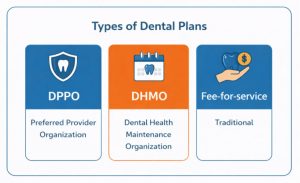
Types of Dental Insurance Waiting Periods
Understanding the different types of waiting periods in dental insurance can help you better plan your dental care and financial commitments. These waiting periods generally apply to certain covered services, like basic and major dental procedures. Insurance companies use waiting periods to manage risk while providing dental coverage. It’s essential to know how these waiting periods vary because they affect when your dental benefits start working for major dental services, preventive care, and sometimes even for basic treatments. This knowledge can guide you in making informed decisions about your dental plans.
Waiting Periods for Basic and Major Services
Waiting periods in dental insurance commonly affect both basic and major dental services. Basic services, such as fillings and simple extractions, often have a shorter waiting period compared to major services. Major services include complex procedures like crowns, bridges, and dentures, which can have extensive waiting periods, sometimes up to a year or more. Understanding these distinctions is crucial because they influence how soon you can access vital dental procedures after your plan begins.
Most dental insurance plans do not require waiting periods for preventive care like regular cleanings and exams. However, waiting periods for basic services can range from zero days to a few months. It’s important to check your specific plan’s details, as each insurance company sets its own policies. This variety among plans means your choice of coverage determines when you’re eligible for different types of dental work.
While longer waiting periods might seem inconvenient, they serve an essential purpose for insurance companies. They help to prevent situations where individuals could sign up for a plan only to receive costly treatments immediately and then terminate the policy. This protection ensures the insurance company can provide comprehensive benefits without significantly increasing premiums for everyone. Such waiting periods also encourage insured individuals to maintain continuous coverage, contributing to a stable insurance pool.
When assessing dental plans, reviewing the conditions for waiting periods is advisable. Determine which services fall under basic or major categories, as this can impact your planning for necessary treatments. Whether transitioning to a new insurance company or evaluating options for retirement, understanding these waiting periods equips you with the knowledge to avoid any unwelcome surprises regarding what’s covered and when.
| Service Type | Typical Waiting Period | Impact on Access |
|---|---|---|
| Preventive Care | 0-6 months | Immediate to Minimal Delay |
| Basic Procedures | 3-6 months | Moderate Delay |
| Major Procedures | 6-12 months | Significant Delay |
| Orthodontics | 12+ months | Prolonged Delay |
This table provides a clear overview of the varying waiting periods in dental insurance and their impact on accessing different dental services.
Find & Compare Plans Online
How Preventive Care May Be Affected
Preventive care is a cornerstone of maintaining dental health, and understanding its coverage under insurance policies is vital. Most dental insurance plans do not impose waiting periods on preventive care procedures. This means you can typically access services like cleanings, exams, and X-rays immediately upon activating your policy. Insurance companies prioritize preventive care because it aids in identifying issues early, lowering the risk of needing more extensive treatments later, which helps manage overall expenses.
While preventive care is generally available immediately, it’s vital to understand what constitutes preventive care versus diagnostic or other types of services. There can sometimes be a fine line between preventive and basic procedures, as some insurers may categorize procedures like sealants or certain types of X-rays differently. Knowing these distinctions ensures you take full advantage of your dental plan’s benefits right from the start.
The accessibility of preventive care without a waiting period represents a significant benefit for insured individuals. Not only does it encourage regular dental visits, but it also helps in effectively managing long-term dental costs. By catching potential issues early, you can often prevent more significant, costly issues down the road. This approach aligns with the insurance company’s logic of mitigating risk and maintaining affordable premiums by lowering the incidence of major service needs.
For those who prioritize oral health, selecting a plan that readily allows for preventive care can be highly advantageous. It offers peace of mind, knowing that you won’t face unexpected waiting to fulfill the most essential dental needs. This arrangement is particularly beneficial for seniors, who may require consistent monitoring to maintain overall health. Reviewing how preventive care is handled by different dental plans can guide you in choosing a plan that best supports your healthcare priorities.
Ultimately, understanding the nuances of dental insurance waiting periods, especially for preventive care, aids in effective planning. This knowledge ensures you maximize your benefits as soon as your coverage begins, helping you sustain long-term dental well-being effectively.

Exploring Different Dental Plans and Their Waiting Times
Dental plans vary in their approach to waiting periods, which can be a critical factor when choosing coverage. Understanding these waiting times helps you plan accordingly, especially if you need immediate services. Most dental insurers typically include waiting periods to manage benefits, but not all plans are alike. This section will delve into how different plans handle these periods, what it means for your dental care, and whether every plan enforces them. Awareness of these details can guide you in selecting a plan that aligns with your dental needs and timelines.
Do All Plans Include Waiting Periods?
Not every dental insurance plan comes with waiting periods, though many do implement them as a standard practice. Waiting periods serve as a strategic measure for insurance companies to balance risk and maintain financial viability. Most dental insurers typically have these periods to prevent immediate, extensive claims and to encourage long-term membership. However, certain plans, particularly those designed as discount dental plans or specific group plans, might not impose waiting periods at all, offering more immediate benefits for covered services. These plans can be advantageous for individuals needing quick access to dental procedures without delays. Conversely, traditional dental insurance plans often feature waiting periods, particularly for basic and major services. This means if you’ve just enrolled, you’ll need to wait a specified time before coverage kicks in for treatments like fillings, crowns, or oral surgeries.
The purpose behind these insurance waiting periods is to minimize abrupt claims that could financially strain the insurance pool and increase overall costs. Some plans might exclude waiting periods for preventive care, enabling insured members to access essential services like cleanings and exams immediately. This approach underscores the plan’s emphasis on early detection and prevention, ultimately reducing the need and associated costs for major procedures down the line.
Members exploring dental options should closely examine the terms related to waiting periods within each plan they’re considering. Comparing how different insurance company offerings handle these periods can illuminate which plan provides the best fit given your dental health priorities. For seniors, retirees, or those planning transitions in their dental care, the absence or presence of these periods can significantly influence the suitability of a plan. Carefully reviewing the plan terms not only mitigates surprises but also ensures alignment with your expectations of dental coverage.
How to Manage Dental Costs During the Waiting Period
Managing dental costs during the waiting period can be a savvy approach to ensuring sound financial health while maintaining your oral care. While these waiting periods are an integral part of most dental plans, they shouldn’t deter you from pursuing necessary preventive care. Knowing how to strategically plan your dental treatments during this time can help bridge the gap until your full coverage kicks in. This section will guide you through practical steps like budgeting for expenses and exploring financing options. With this knowledge, you’ll be prepared to address dental health needs without breaking the bank.
Tips for Planning Dental Treatment Within Waiting Times
Navigating the waiting period in dental insurance coverage requires thoughtful planning and prioritization of your dental needs. First, it’s essential to understand your plan’s specific coverage details, including which services are immediately available and which require waiting. While many dental insurance plans cover preventive services without a waiting period, procedures classified as basic or major, such as fillings or root canals, might not be immediately accessible. Therefore, leveraging preventive care first can be an effective strategy. Regular cleanings and exams, which most insurers allow right away, set a solid foundation for oral health. These routine visits can prevent more costly problems, ultimately making future treatments under your plan more manageable.
In addition to scheduling preventive care, consider budgeting for upcoming treatments that aren’t yet covered by your insurance due to waiting periods. Creating a savings plan for expected dental costs can cushion the financial impact of necessary treatments. Furthermore, explore other financial solutions, like dental savings plans or low-interest payment plans, which some dental offices offer. These options can provide interim relief until your insurance begins to cover basic and major services. Dental clinics often provide these solutions to help patients manage costs effectively, ensuring that care isn’t postponed due to financial constraints.
Engaging with your dental plan proactively also involves timely consultations with your dentist. Discuss your insurance coverage openly with them; they can tailor a treatment plan that aligns with your insurance benefits. Dentists often understand the insurance process well and might offer strategies for phased treatments that suit your financial situation and the terms of your waiting periods. This collaboration can enhance the utility of your dental insurance by scheduling treatments for when your coverage becomes active.
If you’re nearing retirement or transitioning between jobs, understanding and mitigating the impact of waiting periods in your new insurance plans is crucial. Review each prospective plan’s section on waiting periods to ensure a smooth transition without lapses in necessary care. Awareness of these policies helps in timing your enrollment and minimising any delays in accessing required treatments. Ultimately, being informed and proactive helps make the most of your dental insurance and manage costs effectively during the waiting period. This approach not only safeguards your finances but also supports ongoing dental health by maintaining access to essential services.
Continue enhancing your dental care strategy with these practical steps to optimize your treatment plan during waiting periods:
- Research alternate care options and discounts for services not immediately covered.
- Utilize professional consultations to tailor treatment timelines effectively.
- Prioritize treatments by necessity and potential long-term impact on oral health.
- Set reminders to reevaluate your insurance plan’s coverage after waiting periods end.
- Explore community resources offering temporary dental care assistance.
- Maintain a health journal to track symptoms and treatments over time.
- Discuss potential new insurance plans’ waiting periods before job transitions.
By following these steps, you can efficiently navigate waiting periods and maintain optimal dental health.
Waiting periods are crucial to understand when exploring dental insurance. Taking the time to review each plan’s details ensures you know what services are available to you right after enrollment and which may require waiting. Every plan is different, so it’s essential to explore options based on your dental needs and timeline. If you want more information on dental coverage in your area, simply enter your ZIP code on our site to explore your options. Remember, coverage and costs can vary, so taking these steps will help you make informed decisions about your dental health.
Compare plans and enroll online
Frequently Asked Questions
What is a dental insurance waiting period?
A dental insurance waiting period is the time between the start of your dental insurance plan and when you can begin to use certain benefits, especially for more costly procedures like crowns or dentures.
Why do dental insurance plans have waiting periods?
Waiting periods help insurance companies manage financial risk by preventing immediate, extensive claims which could destabilize the insurance pool. This ensures that the plan remains sustainable and affordable for all members.
Do waiting periods apply to all types of dental care?
Not necessarily. While waiting periods often apply to basic and major services, preventive care like cleanings and exams usually does not have a waiting period, allowing you to use these benefits right away.
How long do dental insurance waiting periods typically last?
Waiting periods can vary by plan and provider, typically ranging from a few months to a year. It’s important to review each plan’s specific details to understand when full coverage will become available.
How can I manage dental care costs during the waiting period?
To manage costs during the waiting period, focus on preventive care and regular check-ups. You might also consider budgeting for expected expenses or exploring payment plans offered by dental offices to bridge the gap until full coverage is available.
Find & Compare Plans Online
ZRN Health & Financial Services, LLC, a Texas limited liability company

Russell Noga is a Dental Insurance Educator who writes informational content focused on helping consumers understand dental insurance coverage, benefits, and common plan features. His work emphasizes clear explanations of preventive care, basic and major services, waiting periods, provider networks, and plan limitations. Content is reviewed periodically to ensure clarity and accuracy and is based on publicly available sources. Information may change over time as plan details, availability, and coverage options are updated.