Does Medicare Plan G Cover Dental?

Many seniors wonder if Medicare includes dental coverage. While Plan G is comprehensive for medical needs, it typically does not cover routine dental care like cleanings or fillings. Understanding dental coverage options is essential for maintaining oral health and managing costs.

Exploring supplemental plans and stand-alone dental policies can help fill this gap. This guide will explain available options and how to find a dental plan that suits your needs. It’s important to know your choices so you can make informed decisions about your dental healthcare.

Key Highlights

  • Medicare Plan G covers medical costs but typically excludes routine dental services.
  • Supplemental and standalone dental plans fill coverage gaps for seniors.
  • Exploring different plans ensures necessary dental care without financial strain.
  • Dental coverage is crucial for maintaining health and preventing costly procedures.
  • Compare plan options by entering your ZIP code for tailored dental insurance solutions.

Compare Dental Plans

Understanding Medicare Plan G and Dental Coverage

Medicare Plan G is a popular choice among Medigap plans due to its comprehensive coverage of many out-of-pocket costs not covered by Original Medicare. However, when it comes to dental care, many seniors find themselves in a bind. While Medicare Plan G offers excellent medical supplement coverage, it does not include dental services, leaving many to seek alternative dental insurance options.

Understanding how these coverages interact can help individuals better prepare for their healthcare needs and avoid unexpected expenses on dental care.

What Does Medicare Plan G Include?

Medicare Supplement Plan G is designed to cover the gaps left by Original Medicare, offering a safety net for expenses like co-payments, coinsurance, and deductibles. It’s especially beneficial for those who frequently require hospital visits or medical treatments, effectively reducing the financial burden these can create. However, it’s important to note that while it covers a broad range of medical expenses, it does not extend to routine dental services.

This is a common exclusion in Medigap plans, where even well-regarded ones like Plan G fail to cover dental, vision, or hearing care entirely. Understanding what Medicare Plan G offers involves knowing both its strengths and its limitations. The plan excels in supplementing hospital and medical costs, making it ideal for those who frequently access healthcare services.

It includes coverage for Part A deductibles and hospital costs, Part B coinsurance, and Part B excess charges. This makes it a valuable ally in managing the unpredictability of medical expenses. However, for routine dental procedures such as cleanings, fillings, or more comprehensive dental treatments like crowns or dentures, seniors will need a separate dental insurance plan.

The exclusion of dental care from Medicare supplements is a significant gap, one that many seniors only discover when faced with an unexpected dental bill. Thus, while exploring Medicare Plan G, seniors should simultaneously consider their dental insurance options to ensure comprehensive coverage across their healthcare needs. By balancing these, one can gain peace of mind knowing they have reduced their exposure to large, unexpected costs.


Medicare Plan G CoverageExcluded ServicesAlternative Options for DentalConsiderations for Seniors
Covers most basic healthcare needs including hospital stays and outpatient services after the Part B deductible is metDoes not include dental care, vision, hearing, or long-term custodial careStandalone dental insurance, dental discount plans, or health savings programs can help offset dental costsEvaluate total healthcare needs, budget constraints, and whether supplemental dental coverage is necessary
Strong coverage for Part B excess charges and foreign travel emergency careExcludes routine dental services such as cleanings, exams, and most major dental proceduresConsider bundling dental, vision, and hearing coverage through supplemental plans for broader protectionCompare out-of-pocket dental costs versus supplemental plan premiums for cost-effectiveness
No provider network restrictions; any Medicare-accepting provider may be usedDoes not cover dental prosthetics or oral surgery unless medically necessary for a covered conditionExplore bundled supplemental benefits that include dental, vision, and hearing coverageWeigh long-term healthcare needs and potential changes in oral health requirements
High satisfaction due to broad medical coverage and predictable cost structureRoutine preventive dental maintenance is not included under Plan G benefitsSeek local senior assistance programs or community dental resources for additional supportPlan ahead for future dental and healthcare needs with guidance from insurance or financial advisors

This table clarifies the specifics of Medicare Plan G while outlining potential solutions for integrating dental coverage into a senior’s healthcare strategy.

Exploring Dental Coverage Options for Seniors

Does Medicare Plan G Cover Dental Services?

When evaluating Medicare Plan G, a pressing concern for many is whether it includes coverage for dental services. Unfortunately, Medicare Plan G does not cover routine dental services, a fact that surprises many new enrollees. This exclusion is consistent with other Medigap policies, Medigap plans do not generally cover routine dental, leaving seniors without coverage for essential dental care, such as cleanings, exams, and even treatments like crowns and root canals.

Original Medicare, the baseline for all Medicare supplement plans, also does not cover dental services, which means seniors relying solely on Medicare Plan G will need to find alternative ways to pay for their dental care. The gap in coverage for dental services requires seniors to look beyond Medicare supplements. For comprehensive benefits, it’s advisable to explore standalone dental insurance plans.

These plans are specifically designed to cover the scope of dental care needs. They offer annual cleanings, fillings, and more complex treatments, ensuring that regular dental health is maintained without overwhelming costs. Another solution could involve seeking benefit from dental discount plans, which offer reduced fees at participating dentists in exchange for a monthly or annual fee.

While not insurance, these plans can significantly lower out-of-pocket costs for dental treatments. Some employers also offer dental benefits as part of retirement packages, which can be a crucial resource for those who have recently left the workforce. If you’re considering Medicare Plan G for its robust medical coverage, it’s essential to simultaneously plan for dental needs.

This may involve enrolling in an additional dental plan that complements your Medigap policy by covering those necessary and oft-overlooked areas of dental care. Careful planning and comparison of available dental options can ensure that you’re fully prepared for healthcare costs, both medical and dental, as you navigate your golden years. Ensuring that both medical and dental needs are covered will provide peace of mind and financial security.

Exploring Dental Coverage Options for Seniors

As seniors navigate their healthcare needs, understanding dental coverage options becomes crucial. Dental health plays a vital role in overall well-being, yet many seniors discover gaps in coverage with traditional Medicare plans. Since Medicare Plan G does not cover dental services, seniors often need to explore standalone dental insurance or dental discount plans.

Comparing these options can help ensure that you receive necessary dental care without burdening your finances. This section will delve into why dental coverage is important for seniors and examine the differences between standalone dental plans and Medicare supplements.

Why Dental Coverage is Important for Seniors

Good dental care is essential for maintaining overall health, especially as you age. Seniors are more susceptible to dental issues such as gum disease, tooth decay, and tooth loss. Untreated dental problems can lead to serious health issues, including heart disease and diabetes.

Despite the importance of dental health, Original Medicare and many Medicare supplements, like Plan G, do not cover routine dental services. This lapse can leave seniors vulnerable to high dental care costs, causing them to delay or avoid necessary treatment altogether. Having a reliable dental plan ensures that seniors can access preventive services like cleanings and exams, which detect issues early.

Early detection is crucial in avoiding expensive treatments down the line, like root canals or crowns. Additionally, dental insurance offers cost savings on typical procedures, significantly reducing out-of-pocket expenses. Moreover, dental plans often include vision and hearing coverage, providing a comprehensive approach to senior health needs.

Without insurance, routine visits and treatments can accumulate, putting a financial strain on beneficiaries. Given that dental health directly affects other health areas, securing appropriate coverage not only preserves oral health but also enhances your quality of life. By understanding the critical reasons for maintaining dental insurance, seniors can make informed decisions about their coverage needs.

As you weigh the pros and cons of plans, consider your personal health history and current dental health status. Prioritizing dental coverage allows seniors to manage healthcare proactively while maintaining peace of mind.

Comparing Standalone Dental Plans and Medicare Supplements

Navigating dental coverage options can be daunting, especially when considering the limitations of Medicare supplements like Plan G, which do not extend to dental care. Enter standalone dental plans, designed to cater to the specific dental needs of seniors. These plans provide coverage for routine exams, preventive services, and treatments not covered by Original Medicare or Medicare supplements.

When considering dental plans, it’s essential to evaluate the cost against the benefits and coverage they offer. Standalone plans are diverse and oftentimes flexible, with different levels of coverage that include basic and major dental care. They can cover preventive services like cleanings, fillings, and sometimes more extensive treatments such as dentures and implants.

Conversely, a Medicare supplement, while offering excellent coverage for medical costs, generally does not include dental services. This is a critical distinction, as the absence of dental coverage can lead to significant out-of-pocket expenses for seniors. Blue Shield and other private insurers offer varied dental plans that fill the gap left by Medicare supplements.

These plans often come with different deductible options, making them adaptable to varying needs and budgets. Additionally, dental insurance plans might include vision and hearing benefits, allowing comprehensive coverage under one policy. This can be highly beneficial for seniors who need broader support beyond dental services.

It’s important to address eligibility when considering these plans. While all Medicare beneficiaries can enroll in a standalone dental plan, the specifics of coverage and cost can vary based on your location. By comparing different options, seniors can find a dental plan that aligns with their healthcare needs and budget.

Understanding the offerings and evaluating the value of standalone dental and insurance plans against Medicare supplements can ensure well-rounded healthcare coverage. As you explore your options, consider engaging with tools that compare plan benefits and costs. This proactive approach will help maintain both dental and overall health affordability.

To further explore the benefits and considerations of standalone dental plans, here are key factors to remember when evaluating your options:

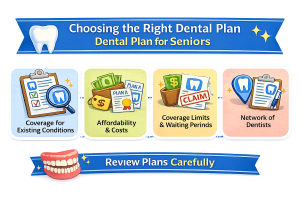
  • Assess the coverage levels for preventive, basic, and major dental services.
  • Check for additional benefits, such as vision and hearing coverage.
  • Consider deductibles and premium costs to align with your budget.
  • Examine network restrictions and provider availability in your area.
  • Evaluate the flexibility of different plan options to suit your needs.
  • Investigate customer reviews and satisfaction ratings to gauge service quality.
  • Explore plan eligibility requirements based on your location and needs.

Choosing the right dental plan involves weighing these factors carefully to ensure comprehensive and cost-effective coverage.

Find & Compare Plans Online

Speak with a licensed insurance agent

1-855-425-2095TTY 711

Mon-Fri: 8am-9pm ET

Navigating Medigap and Dental Insurance

The intersection of Medigap insurance, specifically Plan G, and dental coverage is a maze many seniors find themselves navigating. While Medigap Plan G is robust in covering medical costs beyond Original Medicare, dental services fall outside its scope. Seniors must often explore supplemental dental plans to fill this gap.

Understanding how Medigap interacts with dental insurance, and discovering affordable supplementary options, ensures a comprehensive approach to healthcare coverage. This section will uncover how Medigap Plan G aligns with dental needs and provide insights on securing budget-friendly supplement plans.

How Medigap Plan G Works With Dental Coverage

Medigap Plan G is renowned for its ability to cover many expenses that Original Medicare does not, such as hospital costs and excess charges under Part B. However, even Medigap plans do not cover dental care, reflecting a common exclusion found across these supplement policies.

This is particularly relevant for seniors who are often surprised to learn that routine dental services, so crucial for maintaining health in later years, are not covered. Dental insurance must therefore be sought independently of Medigap plans to provide for needs like cleanings and treatments.

Understanding the role of dental coverage within the context of a Medicare supplement plan is key. Medigap plans, including Plan G, are structured to bridge the financial gap for medical treatments under Medicare, yet they stop short of venturing into the dental realm. As a result, you will need to evaluate standalone dental insurance plans.

These plans are crafted to address routine preventive services, as well as more complex treatments, ranging from fillings to dentures, which Medigap does not cover.

Seeking a solution beyond Medigap, seniors typically turn to separate dental plans or discount schemes. These opportunities can reduce the out-of-pocket expenses that accumulate from regular dental visits and treatments. Whether it’s a comprehensive plan that includes vision or just dental insurance with flexible payments and options, these plans offer coverage that Medigap inherently lacks.

Remaining informed about the limits of Medigap and understanding how to supplement with standalone dental coverage can enhance overall health protection and financial planning.

Finding Affordable Supplement Plans for Dental Care

Dental care is a concern often neglected in retirement planning, partly due to the exclusion from Medigap and Original Medicare. Without coverage, costs for routine procedures can quickly escalate, presenting a financial challenge for many seniors on a fixed income. Finding an affordable supplemental plan for dental care is crucial for managing dental expenses and maintaining sustained oral health.

When searching for supplemental dental insurance, several factors should guide the decision. First, assess the breadth of dental coverage required, considering both current and foreseeable dental health. Various insurance companies offer plans specifically tailored for seniors, encompassing preventive services like cleanings, comprehensive procedures like crowns, and sometimes vision and hearing care.

Such plans can match needs with financial capability, thus relieving the burden of unexpected dental costs.

To find a fitting plan, one might begin by considering the availability of dental plans within their area. Costs and coverage options can vary greatly by location, as can the network of available providers. Many insurers offer online tools to explore various policy options, enabling comparisons of costs versus benefits.

Understanding terms like coverage limits, premiums, deductibles, and any co-payments can lead to more informed choices. Seniors should also verify whether the selected plan covers desired treatments and preventive care.

For those looking to cut costs, dental discount plans offer an alternative. These programs, while not insurance, allow members to pay reduced fees for services from a network of participating dentists. While these discounts can be substantial, it’s important to note that payment for services is often due at the time of treatment.

Regardless of the option chosen, pairing a dental plan with your Medigap insurance ensures that you have a well-rounded approach to managing overall health costs, amplifying the financial security provided by your comprehensive health coverage strategy.

Practical Tips for Choosing the Right Dental Insurance

Practical Tips for Choosing the Right Dental Insurance

Choosing the right dental insurance can significantly impact your out-of-pocket costs, providing peace of mind in managing healthcare needs. Considering Medicare Plan G doesn’t cover routine dental services, individuals must explore additional options for dental care. It’s crucial to compare various dental plans, assessing the benefits and coverage to find the best plan that fits for your needs.

Take into account factors such as cost, the extent of coverage, and whether plans include additional benefits like vision or hearing. These practical tips aim to guide you toward dental insurance choices that complement your Medicare coverage.

Balancing Costs and Benefits for Routine Dental Needs

When selecting a dental plan, balancing costs and benefits is crucial, especially since Medicare Plan G does not cover routine dental services. Understanding what various dental insurance plans offer can protect you from unexpected expenses. Start by evaluating your regular dental needs, consider how often you go for cleanings, the history of needing treatments such as fillings or crowns, and the potential for future dental work.

This can set a baseline for what coverage level you need. Dental plans vary, often including preventive services, but the breadth of coverage for treatments can differ significantly. Some plans may only cover basic procedures, while others extend to more comprehensive treatments like root canals or even implants.

Always check if the dental plan offers additional benefits like vision and hearing, enhancing overall value.

Cost is a pivotal factor in choosing dental insurance. Evaluate your budget for premiums, deductibles, and potential out-of-pocket expenses. Member plans might have different structures, such as paying a higher premium for lower deductibles, which can be beneficial if you anticipate frequent use of dental services.

Compare how insurers manage costs for major treatments; some plans may require co-pays, while others might cover a percentage after meeting the deductible. It’s also wise to consider any annual maximums or lifetime benefits limits, as these can affect your financial planning around dental health.

Another aspect to consider is the insurance network. Verify which dental services and treatment centers are covered under each plan and whether you need to stay within a specific network to avoid extra costs. Some plans might offer more flexibility with out-of-network services for a higher premium.

Eligibility for plans and restrictions can also vary by state or region. Use online tools or contact providers to compare plans in your location, ensuring your choices complement your existing health coverage, like Medicare Plan G. By carefully considering these factors, you can find a dental plan that balances cost with coverage benefits, supporting your routine dental needs alongside your overall health insurance strategy.

When exploring Medicare Plan G and dental coverage options, it’s crucial to understand that Plan G primarily covers medical costs not addressed by traditional Medicare but does not include dental care. You’ll need a separate dental insurance plan to cover services like cleanings, fillings, and extractions. Compare different dental plans available in your area to find one that aligns with your needs.

By entering your ZIP code on our website, you can explore and compare your dental insurance options, helping you make confident decisions about your dental care coverage.

Compare Dental Plans

Frequently Asked Questions

Does Medicare Plan G cover dental services?

No, Medicare Plan G does not cover routine dental services such as cleanings, fillings, or extractions. Seniors need a separate dental insurance plan to handle dental care costs.

What options are available to cover dental care for seniors on Medicare Plan G?

Seniors can explore supplemental or standalone dental insurance plans that cover routine dental care and more extensive procedures. Dental discount plans might also be an option for reduced fees.

Why is having a dental plan important for seniors?

Dental health is vital for overall well-being. Having a dental plan helps seniors avoid high out-of-pocket costs for necessary treatments and ensures regular preventive care, which can prevent more serious health issues.

How can seniors find a dental plan that fits their needs?

Seniors can compare different dental insurance plans by considering coverage, costs, and additional benefits like vision and hearing. Our website allows you to compare options by entering your ZIP code.

What should seniors consider when choosing a dental plan alongside Medicare Plan G?

Seniors should evaluate their dental care needs, budget for premiums and out-of-pocket expenses, and check the coverage scope and network of providers. It’s important to find a plan that complements their existing health coverage.

Have Questions?

Speak with a licensed insurance agent

1-855-425-2095

TTY users 711

Mon-Fri: 8am-9pm ET

Find & Compare Plans Online

Speak with a licensed insurance agent

1-855-425-2095TTY 711

Mon-Fri: 8am-9pm ET

ZRN Health & Financial Services, LLC, a Texas limited liability company