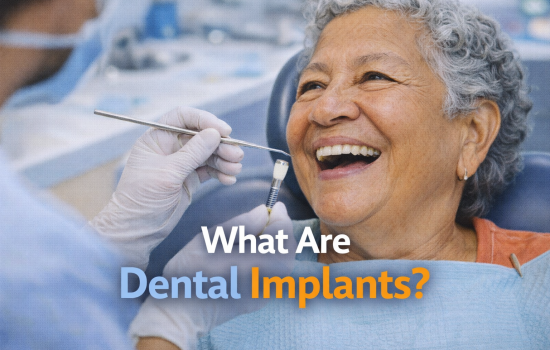
Does Medicare Advantage Cover Dental Implants?

Curious about whether dental implants are covered under Medicare Advantage plans? This guide will help you understand what options may exist and how coverage works. Medicare Advantage plans, also known as Part C, are offered by private companies and often include additional benefits like dental and vision care.

However, coverage for dental implants can differ. By exploring plan details and understanding what’s typically included, you’ll gain clarity on your options. Let’s dive into the world of Medicare Advantage and its potential to cover dental needs, including the possibility of dental implants, so you can make an informed decision.

Key Highlights

  • Medicare Advantage plans, known as Part C, often bundle health benefits, but implant coverage varies.
  • Dental implant coverage under Medicare Advantage plans depends on specific plan details and eligibility.
  • Reviewing coverage specifics and comparing plans helps identify the best dental options for implants.
  • Alternative payment options, like standalone plans or savings accounts, can help cover implant costs.
  • Understanding what each plan includes is crucial when choosing dental care coverage for seniors.

Compare plans and enroll online

Understanding Medicare Advantage and Dental Implants

Medicare Advantage, a popular alternative to Original Medicare, offers varied health benefits, including some dental coverage. While it might encompass dental services, specifics vary greatly between plans.

If you’re considering dental implants, it’s crucial to probe the details of your Medicare Advantage plan. The dental benefits included can be a pivotal factor for many. Coverage differences, eligibility, and costs can influence your decision-making process.

Understanding what Medicare Advantage plans offer in terms of dental implants can guide you to find the right fit. Let’s delve deeper into what these plans typically provide regarding dental implants.

What Medicare Advantage Plans Offer

Medicare Advantage plans, also known as Medicare Advantage Plan (Part C), bundle together several health coverage options. They include hospital, medical, and often prescription drug coverage. But when it comes to dental benefits, especially services like dental implants, coverage can be less straightforward.

Many of these plans include a range of dental services but not all will cover dental implants fully. Implant coverage can vary; plans might cover some amount of the costs or pay a portion for certain dental services related to implants.

It’s crucial to carefully review a plan’s specific details regarding dental coverage before enrolling. Different advantage plans have unique offerings. Some might include implant coverage as part of dental benefits, but typically with limits on what they’ll cover.

These benefits often extend to preventive services, dentures, and sometimes crowns, but coverage for implants might only be partial or might not cover every related cost. To find a Medicare Advantage plan that suits your dental needs, you could consult a guide or talk to your dentist about what your current coverage may entail and if there’s a plan that better aligns with your medical and dental requirements.

An essential part of understanding these plans is recognizing that while they offer comprehensive health benefits, dental implant coverage might require you to dig deeper into specifics. Before selecting or switching to an advantage plan, it’s wise to compare the dental insurance options available.

Checking the eligibility and enrollment periods ensures you’re aligning with a plan that provides the most substantial benefits where you need them most. Remember, dental implant procedures are usually costly, so finding adequate coverage could significantly offset these expenses, making your dental care more affordable. Exploring these options thoroughly ensures you choose wisely.

Dental Implants

Does Medicare Advantage Cover Dental Implants?

When weighing Medicare Advantage plans, a crucial consideration for many is their dental implant coverage. Dental implants are sought-after solutions for missing teeth, but their costs can be significant.

Medicare Advantage plans, while popular for bundling various health benefits, vary in implant coverage. It’s vital to explore how each plan addresses dental services.

Coverage can differ based on location and provider, influencing your choice. We’ll discuss key factors influencing coverage and compare the benefits and limitations of different plans to help you understand and confidently navigate your options.

Key Factors of Dental Implant Coverage

When evaluating how Medicare Advantage plans cover dental implants, several elements come into play. First, it’s crucial to understand that not all plans automatically cover dental implants. While some might offer comprehensive dental services, others may only provide coverage for basic needs like dentures and crowns.

The specifics of dental benefits in your insurance plan can determine if implants are a covered service. Eligibility for these benefits often depends on the plan’s structure, which may require understanding medical and dental needs comprehensively.

An important consideration is the overall dental benefits offered. Medicare Advantage plans can include diverse coverage options, but the inclusion of implants is not guaranteed. Plan details often outline what’s specifically covered under dental services, making it imperative to review these elements closely.

Some plans might only pay an amount towards implant-related services, while others could exclude implants from coverage entirely. This variation highlights the need for thorough research and understanding before enrolling.

Another factor to consider is the financial aspect. Dental implants are a significant investment, and understanding how much a plan covers can directly impact your decision. While some plans might cover a portion of the costs, others might limit coverage to specific procedures or have annual benefit caps that don’t fully cover implant expenses.

Additionally, it’s essential to weigh out-of-pocket expenses in relation to your health needs. A guide or consultation with your dentist might help clarify your current coverage and identify more comprehensive plan options featuring implant coverage.

Ultimately, the key to navigating Medicare Advantage plans is to scrutinize the details around dental benefits and implant services. Coverage can vary widely, and ensuring you find a plan that aligns with your needs might involve comparing multiple options and consulting insurance guides. This approach can empower you to secure adequate coverage that offers peace of mind while addressing your specific medical and dental requirements.


Key Coverage ElementsPotential BenefitsLimitationsFinancial Considerations
Comprehensive Dental ServicesPartial Cost Coverage for ImplantsCoverage CapsOut-of-Pocket Costs
Eligibility RequirementsSupport for Other Dental ProceduresExclusionsBenefit Caps
Waiting PeriodsImportance of Plan Comparison

This table provides a concise comparison of factors critical to evaluating dental implant coverage within Medicare Advantage plans, highlighting the diversity in benefits and limitations.

Comparing Plan Benefits and Limitations

Understanding the nuances of Medicare Advantage plans can help alleviate uncertainties around dental implant coverage. Comparing plan benefits and limitations is essential for identifying those that best meet your dental needs. Dental coverage in these plans typically differs in terms of service scope, eligibility requirements, and enrollment specifics.

To start, assess the dental benefits each plan offers. Some advantage plans may include dental implants within their coverage, yet others might limit this to preventive services or not cover implants at all.

Benefits can also vary significantly in terms of the amount paid for dental services. Comparing these factors highlights the importance of reviewing if implant coverage is part of the package.

Another aspect of comparison is understanding the limitations intrinsic to each plan. While some might offer comprehensive dental care, limitations such as coverage caps, waiting periods, and specific exclusions are common.

These factors can limit the financial benefits, making it crucial to evaluate how they align with your needs. Consider plans that may offer partial coverage, as this could be a more economical route for dental implant expenses.

Beyond individual plan benefits, it’s also wise to evaluate eligibility and enrollment windows, as these can influence when and how you access plan benefits. Details on when you can switch plans or enroll can be pivotal, especially if seeking improved dental benefits.

A detailed comparison using readily available guides or consulting with your dentist can provide clarity. By being informed, you ensure you’re making the best choice tailored to your specific dental and medical needs.

These insights can aid in navigating the landscape of Medicare Advantage plans. With the right information, you’re empowered to find a plan that curtails excessive costs while ensuring you access necessary dental care services, including implants, when required.

Medicare Advantage coverage

Exploring Dental Benefits Through Advantage Plans

Medicare Advantage plans provide a structured opportunity to gain dental benefits alongside traditional health coverage. Considering dental implants, it’s essential to know how these Advantage plans can cater to your dental requirements.

Checking if your current plan covers dental implants is the first step. For those whose plans don’t include such coverage, understanding alternative payment options will be key to managing implant costs. This exploration continues to aid in navigating your dental needs confidently with knowledgeable insights.

How to Check if Your Plan Covers Dental Implants

Determining whether your Medicare Advantage plan covers dental implants begins with a thorough examination of the plan’s details. Many plans differ in how they address dental coverage, often including basic services like dentures and crowns but potentially excluding implants.

To ascertain if dental implants are part of your plan, review the specific dental benefits listed. You may need to explore your plan documents or contact your insurance provider directly to get clear answers about covered services. Asking precise questions about dental benefits ensures you get all the necessary information needed to make informed decisions.

Furthermore, understanding the eligibility criteria for dental services within your Advantage plan can play a critical role. Different plans may have varying requirements, which might include a prior authorization process or medical necessity clause to avail of dental implant coverage. Incorporating insights about these specifics helps in understanding the scope of implant coverage under your health plan.

If your current insurance coverage does not include dental implants, consider other available plans during the enrollment period. Comparing different Advantage plans, especially those offering comprehensive dental coverage, could provide a more suitable solution for your needs.

By consulting with your dentist or using a detailed plan comparison guide, you can match your dental health needs with the appropriate coverage options. This process not only reinforces your knowledge but also aligns with the financial aspects of covering implant expenses.

Options for Covering Implant Costs

For those enrolled in Medicare Advantage plans without dental implant coverage, exploring alternative payment options becomes crucial. One effective method is to look into standalone dental insurance plans that offer implant coverage.

These plans might cover a portion of the overall cost, easing the financial burden associated with dental implants. However, details such as waiting periods, exact coverage amount, and specific conditions need careful analysis before choosing a plan.

Health savings accounts (HSAs) and flexible spending accounts (FSAs) offer another way to manage implant costs. These accounts allow individuals to save money tax-free for medical expenses, which can include dental implants. Using these savings can offset the costs effectively, although it’s vital to understand the rules governing these accounts to maximize their benefits.

Discount dental plans might also be a viable alternative. These plans usually involve paying a membership fee in exchange for reduced rates on dental services, including implants. While they don’t offer traditional insurance coverage, they can significantly lower the out-of-pocket costs for dental procedures.

It’s advisable to consult with your dentist or a financial advisor to explore all potential options for covering implant costs. Their guidance can offer insights tailored to your specific health needs and financial situation.

This strategy ensures you’re well-prepared, informed, and financially ready to handle the expenses related to dental implants. Ultimately, having a comprehensive understanding of these options empowers you to make sound decisions regarding your oral health, while confidently navigating the range of coverage possibilities.

To further assist in navigating the myriad of options available, consider these additional strategies to effectively manage dental implant expenses:

  • Investigate dental tourism for cost-effective implant procedures available in other countries.
  • Leverage credit plans specifically designed for medical expenses, offering flexible repayment options.
  • Explore university dental programs offering services at reduced rates by supervised students.
  • Seek out community health clinics providing low-cost dental services, possibly including implants.
  • Research local charitable organizations offering assistance or grants for dental procedures.
  • Always evaluate each option’s terms and potential savings against your financial goals and needs.

These strategies can offer further pathways in handling implant costs, enhancing your ability to manage these expenses effectively.

Understanding the coverage options for dental implants through Medicare Advantage plans requires attention to detail. Each plan varies widely in what it might cover, including the types and extents of dental procedures. Seniors should explore the specific benefits, costs, and limitations of plans in their area before making a decision.

It’s important to review plan details thoroughly and consider your specific dental needs. Enter your ZIP code on our website to explore local Medicare Advantage options that offer dental coverage, helping you make an informed choice based on the available options in your area, such as Texas.

Compare plans and enroll online

Frequently Asked Questions

Do Medicare Advantage plans cover dental implants?

Coverage for dental implants under Medicare Advantage plans often varies by plan. While some plans may offer partial coverage for dental implants, it’s not guaranteed that all costs will be covered. It’s important to review your specific plan details to understand what is included.

How can I find out if my plan covers dental implants?

To determine if your Medicare Advantage plan covers dental implants, review your plan’s specific dental benefits section. You can also contact your insurance provider directly or consult with your dentist for assistance in understanding your coverage.

What should I do if my current plan does not cover dental implants?

If your current plan does not cover dental implants, consider comparing other Medicare Advantage plans during the enrollment period. Standalone dental insurance plans, health savings accounts, and discount dental plans are alternative options that may help manage implant costs.

Are there alternative payment options for dental implants?

Yes, alternative payment options include standalone dental insurance plans, which might cover some implant costs. Health savings accounts (HSAs), flexible spending accounts (FSAs), and discount dental plans can also help manage expenses.

How do I choose the right Medicare Advantage plan for dental coverage?

When choosing a Medicare Advantage plan, review the specific dental benefits offered, including the extent of coverage for procedures like dental implants. Consider the costs, plan limitations, and your specific dental needs. You can enter your ZIP code on Dentalinsuranceforsenior.org to explore local options.

Have Questions?

Speak with a licensed insurance agent

1-855-425-2095

TTY users 711

Mon-Fri: 8am-9pm ET

Find & Compare Plans Online

Speak with a licensed insurance agent

1-855-425-2095TTY 711

Mon-Fri: 8am-9pm ET

ZRN Health & Financial Services, LLC, a Texas limited liability company