Does Dental Insurance Cover Implants

Understanding whether dental insurance covers implants can be confusing for many seniors. Dental implants are a popular choice for tooth replacement, offering a natural look and feel.

However, not all insurance plans include coverage for implants, which can be costly without assistance. This guide will help you navigate the complexities of dental insurance coverage for implants, exploring what to expect, alternatives available, and ways to ensure you find a plan that suits your needs.

By gaining clarity, you can make informed decisions about your dental health and financial well-being as you explore your options.

Key Highlights

  • Dental implants are prosthetic roots providing support for artificial teeth.
  • Dental insurance coverage for implants varies by plan and provider.
  • Most dental plans emphasize preventive care over major procedures like implants.
  • Consider supplemental riders for better implant coverage under dental insurance.
  • Enter your ZIP code on our site to explore dental insurance options based on location.

Compare Dental Plans

Understanding Dental Implants and Their Importance

Dental implants are becoming increasingly popular for restoring smiles and dental functionality. They serve as a reliable solution to replace missing teeth, offering both aesthetic and functional benefits.

Understanding implants and their role can help you make informed decisions about oral health. This section explores what dental implants are and the types of implant procedures available, providing essential insights into their significance.

We’ll delve into the anatomy of implants, the procedures involved, and the way they interact with your jawbone and gum to provide stable, long-lasting results without compromising comfort or appearance.

What Are Dental Implants?

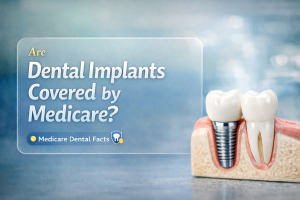
Dental implants are prosthetic roots, often made of titanium, that are surgically inserted into the jawbone. They act as foundational supports for artificial teeth, such as crowns, bridges, or dentures.

Implants mimic the function of natural teeth by providing stability and strength, which are crucial for maintaining oral health. This integration with the jawbone helps prevent bone loss, a common issue with missing teeth.

The implant consists of three parts: the implant itself, an abutment, and the dental prosthetic. The implant undergoes a process called osseointegration, where it fuses with the bone, providing a stable base.

The gum area around the implant plays a vital role in its success. Healthy gums ensure a strong support system for the implant.

Regular dental check-ups are essential in monitoring the condition of the gums and the implant itself. Dental implants are preferred over dentures by many due to their permanence and natural feel.

Unlike dentures, implants don’t slip or require adhesives, offering more confidence while speaking or eating. Different types of implants, such as endosteal and subperiosteal, cater to varying needs based on the bone structure and personal preferences.

Risk factors must be considered, such as bone density and the overall health of the jawbone, both vital for successful implantation. Patients with inadequate bone may require additional procedures like bone grafting to support the implant.

It’s important to consult with a dentist to understand individual suitability for implants. This personalized assessment can shed light on potential benefits and limitations.

Dental insurance may cover parts of the implant process, but understanding the full scope of coverage is crucial. Engaging with your insurance provider can clarify what’s included in your policy.

Common Implant Procedures Explained

The process of getting dental implants typically involves multiple stages conducted over several months. Initially, a comprehensive assessment by a dentist is necessary to determine the patient’s specific needs and customize the treatment plan accordingly.

This includes taking X-rays and creating models of teeth and the jaw. The primary step in the procedure is the surgical placement of the implant into the jawbone.

Post-surgery, time is allowed for osseointegration, where the metal implant fuses with the bone; this can take several weeks up to a few months.

Once the bone and implant have fully integrated, an abutment is placed on the implant. This requires another minor surgery to open the gum and connect the abutment to the implant.

After the gum heals, artificial teeth are attached to the abutment, completing the installation of dental implants. Each step in this process is essential for ensuring the implant’s stability and functionality.

Additional procedures like bone grafting might be necessary if a patient lacks sufficient bone structure for implantation. This involves adding bone material to ensure the jawbone can support the implant effectively.

Dental visits during each stage are crucial for tracking progress and ensuring successful outcomes. While some patients may worry about the complexity of procedures, advancements in dental technology have made implants safer and more efficient.

Various types of implant procedures accommodate different patient needs, such as single-tooth implants, multiple-tooth implants, or full arch replacements. Understanding these options helps individuals weigh the benefits and decide on the best approach for their optimal oral health.

When considering dental implants, reviewing your dental insurance plan is important to discern which aspects might be covered. Insurance policies differ widely in their coverage of implant procedures, so it’s wise to consult with your insurance provider to understand your specific plan benefits.

Comparing various dental plans can provide a clearer picture of potential out-of-pocket costs versus covered benefits. Always rely on professional advice from a reputable dentist to examine treatment options and tailor decisions to your unique situation.

Understanding Dental Implants and Their Importance

How Dental Insurance Works

Understanding how dental insurance works can help you make informed choices about your oral care needs. Dental insurance often operates differently from health insurance, with specific guidelines for procedures and coverage.

It’s important to know what is typically covered by a dental plan and what’s not. We’ll explore the basic coverage and benefits most plans offer, along with common exclusions.

This insight will guide you in addressing potential gaps in your coverage, especially concerning costly dental procedures like implants.

Basic Coverage and Benefits

Dental insurance plans, often provided by various insurance companies, typically emphasize preventive care to maintain oral health. Basic coverage commonly includes regular check-ups, cleanings, and X-rays.

These preventive services help catch potential issues early, reducing the need for more extensive treatments down the line. Many dental insurance plans focus on reducing the costs of more routine procedures, such as fillings and extractions, which tend to be covered at a higher percentage compared to major restorative work.

The benefits of having dental insurance extend beyond immediate savings. By covering routine visits and small procedures at lower out-of-pocket costs, insurance plans encourage consistent and proactive dental care, which is crucial as maintaining healthy teeth and gums can prevent expensive dental issues in the future.

Insurance providers design these plans with the understanding that preventive care often leads to long-term savings both for the company and the policyholder.

Most plans are designed in tiers, where basic procedures are covered more extensively than cosmetic or advanced ones. Services like crowns and root canals may only have partial coverage, and costs can vary depending on the specifics of your insurance provider or plan.

Knowing the details of your plan’s coverage can prepare you for potential out-of-pocket expenses. It also helps ensure that you’re taking full advantage of the basic coverage and benefits offered by your dental insurance, aiding in financial planning for future dental needs.

What Dental Insurance May Not Cover

While dental insurance is invaluable for preventive care and basic treatments, there are limitations. Notably, many dental insurance policies don’t cover some major procedures like implants.

This can come as a surprise if you’re planning on using insurance to manage costs associated with tooth replacement. Insurance coverage typically excludes many cosmetic procedures, which can include teeth whitening or veneers, as these are considered elective rather than medically necessary.

Your dental insurance plan may cover some procedures partially, but it’s vital to understand the specifics. Covers for major restorative work often involve higher out-of-pocket contributions.

Understanding the limitations of dental insurance can prevent unexpected bills. For implants, which are pivotal for restoring functionality and aesthetics, exploring additional financing options might be necessary to complement your insurance plan’s offerings.

Communicating with your insurance company is crucial to clarifying what procedures your current plan covers. Some plans may offer riders or supplementary policies that provide additional coverage for extensive dental work.

It’s wise to review these options with your insurance provider, especially if you’re considering major dental treatments. Getting a full picture of what your insurance won’t cover can lead to more informed financial decisions when planning dental care, ultimately keeping you prepared and reducing financial stress.


Coverage TypeServices IncludedLimitationsCost Considerations
Preventive CareCheck-ups, Cleanings, X-raysUsually covered 100%Low or no co-payments
Basic ProceduresFillings, Simple ExtractionsTypically 70-80% coverageCo-insurance applies
Major ProceduresCrowns, Bridges, Root Canals50% coverage on averageHigher out-of-pocket costs
OrthodonticsBraces, AlignersOften plan-specific limitationsMay require additional premium


This table provides a clear overview of the essential components of dental insurance coverage, aligning with the section’s exploration of how different services are categorized and their resulting financial implications. It complements the discussion by offering a snapshot of the typical allocations in a dental policy, facilitating a more straightforward understanding of the nuances involved.

Find & Compare Plans Online

Speak with a licensed insurance agent

1-855-425-2095TTY 711

Mon-Fri: 8am-9pm ET

Does Dental Insurance Cover Implants?

Determining whether dental insurance covers implants can be vital for managing costs, as implant procedures are often expensive. Coverage for dental implants varies depending on the insurance plan, and understanding the factors that influence this can help you better navigate your options.

We’ll explore the specifics of what determines implant coverage under dental insurance and examine the types of insurance plans that might provide this coverage. By understanding these aspects, you can make more informed decisions about managing your dental care expenses and coordinating with your insurance provider effectively.

What Determines If An Insurance Plan Covers Implants?

Several factors determine whether a dental insurance plan covers implants. Primarily, the coverage depends on the insurance company and the specific terms of your insurance plan.

Many dental insurance plans focus primarily on preventive services and basic procedures, potentially leaving major procedures like implants uncovered. Insurance companies evaluate the necessity of the procedure, medical history, and sometimes even the patient’s age before deciding on coverage.

Some plans may classify implants as a cosmetic or elective procedure, given that other alternatives like dentures are available, leading to non-coverage under many standard plans.

Insurance companies may require additional evaluations to assess whether implants are medically necessary. Necessary factors might include jawbone structure, overall oral health, and whether the implant is essential for restoring dental function.

This requirement means that individuals must often provide comprehensive documentation supporting the need for implants. It’s also worth noting that some plans might cover only part of the procedure, such as the implant surgery or the crown, while others might require higher out-of-pocket costs depending on the tier of the insurance plan.

A vital step towards knowing your coverage involves contacting your insurance provider directly. They can provide detailed information about what your plan specifically covers.

Insurance cover is also influenced by factors like geographical location, as plans and their provisions can vary significantly by state or region. For those whose insurance doesn’t cover implants, reviewing supplemental policies or riders can be beneficial.

These additional policies can sometimes offer coverage for procedures not typically included in standard plans. Always consult your insurance company to clarify available options.

Types of Insurance That May Cover Dental Implants

There are various types of insurance that might offer coverage for dental implants, though availability and extent of coverage can differ widely.

Typical dental insurance plans primarily provide coverage for preventive and basic services, so specific types of insurance or policy riders might be needed for comprehensive implant coverage.

Some dental insurance companies offer premium plans that include partial coverage for implants as part of major services. These plans may cover the implant posts, abutments, and even the crowns, but usually with certain limitations or annual maximums in place.

Another option might be dental discount plans that, while not insurance, offer reduced rates for various procedures, including implants. These plans work by setting up discounted fees negotiated with dentists and may be beneficial for individuals seeking lower costs on complex procedures.

Some patients explore adding a rider to their existing plan. Riders are add-ons or modifications to an existing insurance policy, which might include specific coverage for dental implants, thus extending the benefits of your existing policy.

Institutional insurance plans like those offered by large employers or through union memberships can sometimes include broader coverage options that might encompass dental implants. However, as each provider’s plan is different, it’s essential to confirm with your human resources department or the benefits coordinator.

Lastly, although not traditional insurance, health savings accounts (HSAs) or flexible spending accounts (FSAs) can be utilized to cover implant procedures.

These accounts allow pre-tax income to be set aside for medical expenses, including dental care, offering a significant advantage when managing large out-of-pocket expenses. Exploring these varied options can help customize dental coverage that best suits your needs.

Does Dental Insurance Cover Implants?

Comparing Dental Insurance Plans for Implants

Finding the right dental insurance plan that covers implants can feel overwhelming, but understanding the options can make it easier. Different insurance providers offer plans with varying levels of coverage for implant procedures.

By comparing these plans, you can identify which might align with your needs and budget. Factors like costs, the extent of coverage, and types of dental implants covered should be considered.

Thorough research helps uncover the nuances of different plans, from basic coverage to more comprehensive protections, ensuring that you secure the care you need while managing costs effectively.

How to Choose a Plan for Implant Procedures

Choosing a dental insurance plan specifically for implant procedures requires careful consideration. First, it’s important to thoroughly understand what dental implants are and how they function.

Dental implants act as artificial roots that provide a strong foundation for replacement teeth. This means that not all dental plans offer extensive coverage for such procedures, as they can be categorized under major dental services rather than basic care.

Therefore, start by looking into whether the insurance provider considers dental implants necessary for your oral health, rather than classifying them as cosmetic procedures.

The next step is to compare the coverage of various dental plans. Assess the extent to which each plan covers the dental implant procedure.

You’ll want to check if the plan covers just the implant post, or if abutments and crowns are included as well. It’s also beneficial to know if the plan includes any additional procedures, such as bone grafting, that might be necessary for successful implantation.

Since implant procedures can be costlier than other dental work, understanding the costs associated with your insurance plan, including any deductibles or copayments necessary for implant services, is crucial.

Evaluating the dentist network available through potential plans can also inform your decision. Ensure that the insurance plan includes access to a reputable dentist who specializes in implants.

Another factor to weigh is waiting periods; some insurance plans impose waiting periods before covering major procedures such as implants, which might influence your decision if you’re seeking immediate care.

Finally, consider additional resources such as flexible spending accounts or health savings accounts to manage out-of-pocket expenses not covered by your plan. These accounts utilize pre-tax income, offering financial relief for dental care costs.

Ultimately, choosing the right dental plan for implants involves not just understanding insurance terminology and costs, but also aligning those factors with personal dental care needs and financial capabilities.

Engaging directly with insurance providers for clarity and consulting with your dentist can help map out the best approach to securing the most comprehensive and affordable implant care.

This proactive strategy enhances confidence in planning for dental health maintenance, turning potentially daunting decisions into clear, manageable steps.

Considerations for Dental Implant Coverage

  • Investigate network restrictions to confirm your preferred dentist is included in the plan.
  • Explore if the plan provides benefits for initial consultation visits with implant specialists.
  • Check if pre-approval is required for implant procedures to avoid unexpected claim issues.
  • Research any annual or lifetime maximum benefits for implant-related expenses.
  • Look into coordination of benefits if you have multiple dental insurance plans.
  • Review testimonials or reviews from other patients who have utilized the plans for implants.
  • Consider any educational resources provided by the insurer about dental implant care and maintenance.


These considerations can further guide your selection process and streamline your dental implant insurance experience.

Comparing Dental Insurance Plans for Implants

Final Thoughts on Dental Implants and Insurance Coverage

When pondering dental implants, it’s essential to understand how different insurance providers handle coverage. Many dental insurance companies don’t cover tooth implants fully.

This can often leave patients wondering how to manage costs for these significant procedures. However, your dental insurance plan may cover some aspects of implant procedures, though it’s vital to confirm this with your provider.

Most dental plans cover routine care like cleanings more than they do major procedures, which can include dental implants. Understanding the types of coverage available and the specific costs involved with implants is crucial for effective financial preparation.

Implant insurance varies widely, often focusing on what the insurance plan considers necessary. Factors like jawbone health and gum condition may influence whether procedures are covered.

Generally, bone issues related to dental implants might not be covered without additional riders or supplemental plans. Checking with your insurer will help determine if any part of the care, such as specific implant procedures or portions thereof, is covered under your policy.

Insurance plans differ, and implant coverage might only extend to certain parts of the procedure, like the initial surgery or the final restoration.

Navigating dental implants and insurance coverage requires balancing needs with costs. While many types of insurance might not fully cover implants, knowing the specifics of your plan will help you explore other financial options.

Consider examining supplemental insurance or discussing flexible payment arrangements with your dentist to manage any remaining costs. Engage directly with your provider to fully understand the scope of coverage and compare this against potential costs.

Taking these proactive steps can support better decision-making and ensure a smoother journey towards restoring your smile with dental implants.

As you work through the details of implant coverage, remember to focus on a comprehensive understanding and planning. Each insurance plan has its nuances, and the key is to align your plan with not only your dental needs but also with practical financial considerations.

For further assistance, you can enter your ZIP code on our website to explore a range of dental insurance options suited to your location, recognizing that costs and coverage vary by region.

Understanding dental insurance coverage for implants is key to avoiding unexpected costs and making informed decisions. Each plan varies greatly in terms of what’s covered. It’s important to compare options, assess your dental care needs, and contact providers to clarify any uncertainties.

For personalized options and detailed coverage information, enter your ZIP code on our website. Remember, dental insurance can help you manage costs, but specifics depend on your location and provider.

Explore your options at DentalInsuranceForSenior.org today, and find a plan that fits your needs and budget.

Compare Dental Plans

Frequently Asked Questions

Does dental insurance cover implants?

Coverage for dental implants varies by insurance plan. While some plans might offer partial coverage, others might not include implants at all. It’s important to review your specific insurance policy and consult with your provider to understand what’s included.

What are dental implants?

Dental implants are prosthetic roots made of materials like titanium, placed into the jawbone to support artificial teeth such as crowns, bridges, or dentures. They offer a natural look and feel, providing stability and strength like natural teeth.

Why are dental implants not always covered by insurance?

Dental insurance plans often prioritize preventive care over major procedures. Implants are sometimes viewed as elective or cosmetic rather than medically necessary, which can limit coverage. It’s advisable to check with your provider or explore supplemental plans for better coverage.

What steps are involved in getting dental implants?

Getting dental implants involves several stages over months, including a comprehensive assessment, surgical placement of the implant, osseointegration (where the implant fuses with the jawbone), and finally attaching the artificial teeth. Additional procedures like bone grafting may be necessary if the jawbone isn’t sufficient.

How can I find a dental insurance plan that includes coverage for implants?

To explore dental insurance options in your area, enter your ZIP code on Dentalinsuranceforsenior.org. The site provides an array of choices based on your location, helping you identify plans that might offer coverage for implants and other dental procedures.

Have Questions?

Speak with a licensed insurance agent

1-855-425-2095

TTY users 711

Mon-Fri: 8am-9pm ET

Find & Compare Plans Online

Speak with a licensed insurance agent

1-855-425-2095TTY 711

Mon-Fri: 8am-9pm ET

ZRN Health & Financial Services, LLC, a Texas limited liability company