Dental PPO Insurance

PPO dental insurance plans offer flexible options for seniors looking to maintain oral health. With a PPO plan, you can visit any dentist, but you’ll save more by choosing in-network providers. These plans typically cover a range of services, from routine cleanings to more complex procedures.

The balance of choice and savings makes PPO dental plans a popular option. They’re designed to fit diverse needs, whether you’re focused on preventive care or need more extensive dental work. Exploring PPO plans can be a beneficial step in finding coverage that aligns with your dental health goals.

Key Highlights

  • PPO dental plans offer flexibility, allowing visits to both in-network and out-of-network dentists.
  • Preventive services like cleanings and exams are often covered at 100% under PPO plans.
  • Selecting in-network providers generally results in lower out-of-pocket costs due to pre-negotiated rates.
  • Waiting periods typically apply to costly procedures like crowns and root canals under PPO plans.
  • Comparing plans by coverage, provider networks, and costs helps find the best dental insurance fit.

Compare Dental Plans

Understanding PPO Dental Insurance

PPO dental insurance is a flexible option offering coverage for various dental services. This type of plan is popular because it provides more choices in selecting dental providers, allowing access to a wider network. PPO, or Preferred Provider Organization, plans focus on flexibility, letting policyholders choose their dentists.

In these plans, members receive more comprehensive dental coverage, including preventive services, fillings, crowns, and sometimes more extensive procedures. This section will explore what PPO dental plans include and the key features that make them a desirable choice for those seeking flexible dental care options.

What is a PPO Dental Plan?

A PPO dental plan stands out for its unique offerings and structure that prioritize flexibility and choice. Essentially, this insurance plan connects you with a network of preferred providers or dentists, offering discounted rates for services. Unlike other plans that may require you stick strictly to a network, a PPO allows you to visit both in-network and out-of-network providers.

However, choosing a provider within the network means lower out-of-pocket costs due to pre-negotiated rates. This balance between flexibility and cost-effective care is why PPO plans are often a popular choice among seniors.

PPO dental insurance plans are structured to cover a wide range of dental services, which could include routine cleanings, exams, X-rays, and more complex procedures like crowns and root canals. Each service will have a set level of coverage, often with preventive services being covered at higher rates, sometimes up to 100%, making PPO plans a supportive choice for maintaining regular dental health.

For more extensive services, like oral surgery or advanced periodontics, a portion will still be covered, but typically at a lower percentage, encouraging the maintenance of oral health to avoid more costly procedures.

One of the key benefits of a PPO dental plan is its adaptability, allowing plan holders to change providers without the overly cumbersome process often involved with other types of insurance. This adaptability offers seniors peace of mind knowing they can seek specialized care without unnecessary barriers.

While premiums might be slightly higher than other plans, the trade-off comes in the form of more comprehensive dental coverage and reduced out-of-pocket costs at the provider of your choice. By understanding what a PPO dental plan entails, you can make an informed decision that best fits your dental insurance needs and offers protection tailored to your lifestyle.

Key Features of PPO Dental Coverage

PPO dental coverage comes with several key features designed to cater to the diverse needs of individuals seeking greater flexibility. The core concept is to offer an insurance plan that not only covers basic dental needs but also adapts to more specific and customized requirements.

One of the primary features is the ability to choose dentists from a larger network, which is particularly beneficial for those who have preferred providers or require specialized care outside standard networks. This feature provides ease of access and reduces the hassle associated with switching dentists.

Aside from network flexibility, PPO plans frequently provide robust dental coverage, ensuring that essentials such as cleanings, exams, and often even more complex procedures like fillings and crowns are reasonably covered. It’s typical for preventive services to receive the highest coverage, resembling an incentive to keep up with routine care and avoid future complications that might lead to higher costs. This proactive approach to dental health is a significant advantage of PPO plans, supporting users in maintaining healthy teeth and gums without excessive financial burden.

Another aspect of PPO dental coverage is how costs and plans are structured, often with a wealth of customization options regarding deductibles and premiums. Typically, while PPO premiums may be higher than some basic plans, the extensive choice in providers and broader coverage scope makes them attractive. This means individuals can weigh their budget against desired benefits, modifying their insurance plan to fit personal and financial needs better.
Finally, PPO plans often include a focus on mitigating unexpected expenses.

While preventive care might be covered almost entirely, for more significant, unplanned procedures, PPO plans offer reduced costs compared to going uninsured or using other less flexible insurance plans. This is crucial for seniors keen on maintaining their dental health without sacrificing financial stability. By understanding these key features, such as network choice, service coverage, and cost structures, individuals can confidently choose a PPO dental plan that aligns with their dental health goals and financial plans.

Understanding PPO Dental Insurance

Comparing Different Dental PPO Plans

Dental PPO plans, or Preferred Provider Organization plans, offer flexibility and access to a wide network of dentists. When comparing these plans, it’s essential to understand their coverage, benefits, and potential limitations. Examining factors like provider networks, costs, and geographical variations can help you make an informed decision.

Let’s dive into the key considerations and regional differences impacting dental PPO plans to ensure you choose an option that fits your dental needs and financial situation effectively.

Factors to Consider When Choosing a Plan

When selecting a dental PPO plan, several factors need careful consideration to ensure you get the most from your policy. First, understand the scope of the coverage offered by your potential plan. Some plans emphasize preventive care by covering routine dental exams and cleanings extensively, often at 100%.

Others may also cover a significant portion of costs related to fillings, crowns, and sometimes even more advanced dental procedures. Understanding what a particular plan covers can prevent unexpected expenses and helps maintain your oral health more affordably. In addition to examining coverage, assess the total cost impact, including premiums, deductibles, and any co-pays.

While PPO plans often have slightly higher premiums than other insurance types, the flexibility they offer is usually worth it. With PPO plans, you’ll enjoy the advantage of visiting any licensed dentist, although staying within the PPO network usually results in lower out-of-pocket expenses. Evaluate how the balance between premiums and potential savings fits your budget, exploring how different deductibles and co-pay structures can help you manage costs effectively.

Another critical aspect is the insurance company’s network. A plan with a broad network offers more freedom in choosing providers. By choosing dentists within these networks, you can significantly reduce treatment costs due to pre-negotiated rates.

However, if you already have a preferred provider, ensure they are part of the network or consider your willingness to switch dentists. Location also plays a role; networks might be broader or more limited depending on your region, impacting your choice. It’s beneficial to review the range of dentists available in your area to ensure that the plan aligns with your expectations for quality care.

Beyond provider access, research the insurance company’s reputation. A dental insurance company with positive reviews and reliable customer service can make your experience much smoother, particularly when navigating claims or policy changes. Verifying how easy it is to file claims and receive reimbursements is essential, and a responsive insurer can save you time and frustration.

Finally, consider any additional features or perks offered by dental PPO plans. Some plans might provide additional services such as discounts on vision or hearing aids, or online claim management through convenient apps.

While these extras should not be the sole reason for selecting a plan, they can enhance the value of your insurance experience. By understanding these various factors, you can choose a dental PPO policy that provides comprehensive coverage and is tailored to meet your specific health care needs.

How PPO Dental Plans Vary by Location

The benefits and costs associated with PPO dental plans can significantly differ based on your location. These variations often stem from differences in local dental service costs, insurance provider networks, and state insurance regulations. In urban areas, for example, you might find an abundance of in-network providers, making it easier to access lower-cost dental care.

More populated locations often boast extensive PPO networks, meaning you can choose from a wide selection of skilled dentists without leaving your local area. Additionally, dental practices in these regions may offer a broader range of services, which can be beneficial if you require more specialized treatments. However, the flipside is that urban areas sometimes have higher dental costs overall, meaning your premiums or co-payments might be higher compared to those in other regions.

In contrast, rural areas may present fewer choices in dental providers within the PPO network, which can limit your ability to choose. The geographic spread means that services might only be available through a smaller pool of dentists, potentially increasing the likelihood of needing to seek care from an out-of-network provider. This can lead to higher out-of-pocket costs.

On the other hand, rural dentists might offer lower rates, which can offset some of these expenses. Despite these challenges, choosing providers close to home in a rural setting can limit travel time and expenses, making it more convenient for regular visits.

Understanding how regulations vary is also essential. Some states have regulations that influence the specifics of what dental insurances, including PPOs, can cover. This can impact everything from the rates insurers can charge to the minimum types of care they must include.

Being aware of these local regulations can prevent surprises and help in selecting an insurance policy that complies with state requirements. When exploring PPO plans, consider these regional differences and reflect on how they impact coverage and costs. Review location-specific plans to ensure that your chosen insurance aligns with both your dental healthcare and financial needs, enabling you to maintain oral health efficiently and affordably.

Find & Compare Plans Online

Speak with a licensed insurance agent

1-855-425-2095TTY 711

Mon-Fri: 8am-9pm ET

Coverage Options in Dental PPO Plans

Dental PPO plans are popular for their diverse coverage options, offering more flexibility by allowing members to choose any licensed dentist within a wide network. These plans typically cover essential dental services under a structure that balances cost and access. Policyholders benefit from having a mix of preventive, basic, and major services covered, which helps maintain long-term dental health.

It’s crucial to understand the extent of coverage each plan offers and the limitations specific to dental procedures. Examining the details of PPO dental plans can help individuals feel confident in their insurance choices.

Services Commonly Covered Under Dental PPO

When exploring PPO dental plans, it’s vital to understand the range of services commonly covered. These plans generally offer a substantial degree of coverage for preventive services like cleanings and exams, often covered at or near 100%, which motivates regular dental visits for better oral health. The coverage extends to basic services, such as fillings and extractions, which require some out-of-pocket costs but are significantly reduced if the chosen provider is within the network.

More flexibility is also provided for major services like crowns, bridges, and sometimes orthodontics, though these typically have lower coverage percentages due to their complexity and cost.

PPO dental coverage emphasizes using in-network providers to maximize benefits and minimize costs. Using dentists within the network often results in lower expenses due to pre-negotiated rates. Out-of-network providers can be visited too, but this tends to increase the policyholder’s share of the costs.

A significant advantage of PPOs is the breadth of networks available; policyholders have a wide selection of qualified providers, making it easier to choose dentists that suit individual preferences and needs. This focus on accessibility is beneficial for seniors, who may have specific dental care preferences or require specialized services available within the network.

Moreover, dental PPO plans often incorporate group discounts obtained through negotiation with networks, reducing the per-service cost for policyholders. These discounts can make a tangible difference, especially for families or seniors needing multiple procedures throughout the year. It’s also worth noting that while PPO plans accommodate a broad range of dental procedures, not every service is covered entirely. Understanding the nuances of what’s included under a policy lets individuals prepare for any additional costs they might face.

The policy allowances vary significantly between insurance companies, and reviewing the details of a plan’s specifics can help avoid surprises. Each insurance company tailors policies differently, so comparing multiple plans is crucial to finding the one that offers the best coverage fit for one’s dental care requirements without facing large, unexpected bills. Overall, PPO dental plans are designed to provide a balanced coverage structure, helping manage both everyday and more intensive dental service costs effectively.


Type of ServiceCoverage PercentageCost ConsiderationsNetwork Advantage
Preventive Care80% – 100%Typically low out-of-pocket expensesMaximized benefits with in-network dental visits
Basic Procedures50% – 70%Moderate impact on out-of-pocket costsGreater savings using in-network providers
Major Procedures50% – 60%Higher cost impact, especially out-of-networkSignificant cost reduction within the network
OrthodonticsVariableOften subject to plan-specific limitsEnhanced savings and coverage in-network

This table highlights the balance PPO plans strike between coverage options and cost management, emphasizing the benefits of using in-network providers and understanding plan limitations.

Limitations and Exclusions in Dental Insurance

Even though PPO dental plans are highly beneficial, they come with certain limitations and exclusions that are important to consider. Understanding these aspects helps to set realistic expectations of what your dental insurance will cover. Common limitations involve waiting periods for certain services, particularly more complex or costly procedures.

New policyholders might face a waiting period for major work like crowns or root canals, which helps insurance companies manage costs by deterring immediate, high-value claims from newly insured members.

Exclusions are another critical element. Most PPO plans don’t cover all dental procedures; cosmetic services such as teeth whitening or veneers usually fall outside of standard coverage. This is because these services typically aren’t deemed medically necessary. Even with the breadth of services PPO plans offer, exclusions like these should be reviewed to ensure you understand whether potential future treatments might require additional financial planning or separate insurance.

Furthermore, some plans may limit the frequency of certain covered services to prevent overuse. For example, while routine exams and cleanings are often fully covered, they might only be covered twice a year, encouraging policyholders to focus on preventive care without incurring unnecessary costs.

Limitations based on lifetime maximum benefits are also possible, where after reaching a designated cap on covered services, the policyholder becomes responsible for the full cost of further dental procedures within the year.

Insurance companies define these limitations and exclusions in their policy documents, making it essential to read through and understand them fully. This knowledge prevents unexpected expenses and helps plan for long-term dental care needs.

Taking the time to understand how these aspects of a PPO dental plan function, not only regarding what is covered, but especially what isn’t, enables individuals to make informed, cost-effective choices that align with their dental health goals and financial plans. Knowing possible limitations and exclusions encourages proactive dental health management while allowing for the budgeting of potential extra costs.

Cost and Waiting Periods for PPO Dental Plans

When considering PPO dental insurance plans, understanding the associated costs and waiting periods is essential. These factors directly impact legal travel and affordability of your dental care. PPO plans generally afford flexibility but can vary in pricing and terms.

By examining costs, deductibles, and waiting periods specific to your coverage and network, you can make informed choices. This section explores how to balance these aspects effectively with practical insights into saving money and managing waiting periods, ensuring you find a provider and insurance policy that aligns with your budget and dental care needs.

Cost and Waiting Periods for PPO Dental Plans

Understanding Costs and Saving Money

Understanding the costs associated with PPO dental insurance plans is crucial for effective budgeting and preventing unpleasant financial surprises. Accurate knowledge about premiums, deductibles, and other potential expenses empowers you to manage your dental care more efficiently. PPO premiums generally offer generous flexibility and coverage, but they can often be slightly higher than those of other insurance options.

However, this flexibility allows PPO plan holders to choose dentists and network providers that suit their personal preferences and dental needs best. It’s wise to carefully assess how these costs fit into your individual budget. This means weighing the benefits and broader dental coverage against the premium costs and potential savings.

To save money, pay attention to the structure of PPO plans, particularly regarding deductibles and co-payments. These costs can vary greatly between providers and networks, so it’s important to evaluate them against offered coverage. Opting for in-network providers usually leads to lower out-of-pocket expenses because of pre-negotiated rates.

Even though you can visit a dentist outside the network, staying in-network is often more cost-effective. Regular examination of your PPO premium and charges could also reveal opportunities for savings. Some plans offer discounts for preventive services like cleanings and exams, encouraging members to maintain oral hygiene and minimizing the need for costly procedures later down the line.

Another essential tip for managing costs is to consider the long-term implications of your insurance policy. While saving money might be your immediate concern, aligning your insurance policy with future dental care needs ensures continued financial stability. Review different insurance plans and compare their offerings to your dental history and anticipated needs.

By understanding the role of costs and savings in PPO policies, you can better plan your dental care journey. Making these considerations a part of your insurance decision process guards against unexpected expenses and keeps your dental care within budget.

What to Expect with Waiting Periods

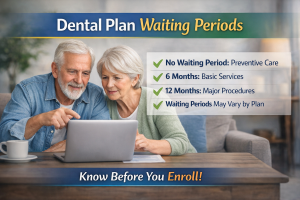
Waiting periods are a crucial aspect to understand when considering a PPO dental insurance plan. These periods refer to the time new policyholders must wait before certain benefits take effect, particularly for more expensive dental procedures. Understanding waiting periods ensures you’re not caught off guard when seeking dental services.

They are often imposed by insurance companies as a cost-control measure to prevent immediate high-value claims by new enrollees. For instance, preventive services like cleanings and exams typically have no waiting periods, encouraging regular dental check-ups.

On the other hand, detailed services such as crowns and root canals often come with waiting periods, sometimes up to six months or more. This means that when you enroll in a new policy, it’s important to be proactive in scheduling anticipated procedures.

Many insurance plans clearly outline these waiting periods in their documentation, and reviewing this information should be a priority when selecting your coverage. Understanding these waiting periods can help you plan dental services and avoids unexpected delays, ensuring continued access to necessary care.

Insurance companies design waiting periods to promote preventive care and discourage immediate rushes for coverage of costly procedures. Therefore, selecting a dental plan involves assessing your current and future dental needs. Consider any immediate dental procedures or ongoing care you might require and ensure that your chosen policy aligns with these needs.

Moreover, flexibility in choosing providers within the network can mitigate some limitations imposed by waiting periods. Engaging with your provider about options for expediting access to services through their network can also be advantageous. By understanding the dynamics of waiting periods, you’ll be better equipped to navigate your PPO policy effectively, maintaining your dental health both affordably and responsibly.

To effectively navigate the complexities of waiting periods in your PPO dental plan, consider the following strategies:

  • Review your specific plan’s waiting period details carefully before any dental appointments.
  • Schedule preventive care immediately to take advantage of services with no waiting periods.
  • Plan future treatments in advance to align with waiting period requirements.
  • Consult with providers in-network to expedite treatment access where possible.
  • Assess your dental needs to ensure alignment with your policy’s waiting periods.
  • Engage directly with your insurer to discuss potential options for reducing waiting periods.

Understanding these strategies will help you manage your dental health effectively within your plan’s constraints.

PPO dental plans offer flexibility and often cover a range of services that can meet different needs and preferences. Before deciding, consider factors such as coverage details, provider networks, and out-of-pocket costs. It’s essential to compare plans based on your dental care needs and financial situation.

Consider reaching out for a deeper understanding of how each plan works. Enter your ZIP code on our website to explore PPO dental insurance options available in your area. Remember, costs and coverage can vary by location, so it’s vital to find a plan that suits your requirements.

Compare Dental Plans

Frequently Asked Questions

What is a PPO dental insurance plan?

A PPO, or Preferred Provider Organization dental plan, offers flexibility and a wide selection of dentists. You can choose to visit any dentist, but sticking to in-network providers usually results in lower out-of-pocket costs.

What services are typically covered by PPO dental plans?

PPO dental plans generally cover a range of dental services. Preventive care such as cleanings and exams is often covered at 100%. Basic services like fillings and extractions, as well as more intensive procedures like crowns and root canals, are also covered to varying degrees.

How can PPO dental plans save me money?

You can save money with a PPO dental plan by choosing in-network providers who offer services at pre-negotiated, lower rates. Regular use of preventive services also helps maintain oral health and avoid more costly procedures.

Are there any limitations or exclusions in PPO dental plans?

Yes, PPO dental plans may have limitations such as waiting periods for more extensive services and exclusions for certain procedures, like cosmetic dentistry. Some services, like cleanings, may be limited to twice a year.

Do PPO dental plans have waiting periods?

Yes, waiting periods may apply, particularly for major procedures like crowns and root canals. These periods are designed to prevent immediate, high-value claims from new policyholders.

Have Questions?

Speak with a licensed insurance agent

1-855-425-2095

TTY users 711

Mon-Fri: 8am-9pm ET

Find & Compare Plans Online

Speak with a licensed insurance agent

1-855-425-2095TTY 711

Mon-Fri: 8am-9pm ET

ZRN Health & Financial Services, LLC, a Texas limited liability company