Navigating dental insurance for seniors can feel overwhelming for seniors, especially when confronted with the numerous plans available. Dental care is essential for maintaining overall health, and knowing which plan fits your needs can help keep costs manageable. Whether you need basic preventive care or more extensive procedures like crowns or dentures, understanding coverage options can make a difference. Our guide focuses on helping seniors between 55 and 85 discover dental insurance plans tailored to their needs, offering clear insights into services, costs, and coverage variations. Explore how dental insurance works, and find the plan that suits your circumstances best.


Dental Insurance for Seniors
find affordable dental insurance





Dental Insurance Senior Citizens
Key Highlights
- Seniors must understand plan coverage variations for preventive and restorative services to manage dental costs effectively.
- Dental insurance for seniors often covers fillings, dentures, and preventive services, not typically included in Medicare.
- Comparing plans, including premiums and coverage for major treatments, helps seniors make informed choices.
- Preventive care coverage, such as cleanings, is essential and often fully covered by insurance plans for seniors.
- Researching different providers and quotes ensures seniors find affordable plans matching their oral healthcare needs.
Compare plans and enroll online
Understanding Dental Insurance for Seniors
Dental insurance can be a game-changer for senior citizens seeking comprehensive care for their oral health. As we age, dental needs become more specific, making it crucial to find insurance plans designed specifically with seniors in mind. These plans often include benefits and limitations that differ from those for younger individuals. Understanding how these insurance options work, including coverage for preventive care and treatments, can help seniors choose wisely, ensuring they feel confident in their decisions. Let’s explore how dental insurance works for older adults and understand the benefits, as well as the limitations that come with these plans.
How Dental Insurance Works for Older Adults
Navigating dental insurance as an older adult involves understanding how plans are structured and what they cover. Dental insurance for seniors typically includes services tailored to older adults, like fillings, dentures, crowns, and sometimes even implants. These insurance plans usually offer coverage for preventive health services, ensuring regular check-ups and cleanings to maintain oral health. However, the extent of coverage can vary significantly based on the insurance provider and the specific plan chosen.
Standalone dental plans may serve as a good choice for seniors who want to supplement dental coverage due to gaps in Medicare. Medicare by itself typically doesn’t cover routine dental care, which makes having a separate dental insurance plan essential for many. Insurance plans designed for seniors are often more focused on maintenance and potential tooth replacement needs, helping them avoid large bills associated with dental procedures.
Insurance for older patients may come in various forms, such as Delta Dental or through Medicare Advantage plans. These options can differ in terms of premiums, out-of-pocket costs, and coverage details, making it vital for seniors to understand what’s involved. It’s important to request quotes from multiple providers to find an affordable insurance dental option that aligns with both budget and coverage needs, keeping in mind the overall cost-effectiveness and the benefits offered.
Benefits and Limitations of Dental Insurance
Benefits of dental insurance for seniors are numerous, including providing peace of mind and financial savings on necessary treatments. These plans often cover preventive services, such as regular check-ups and cleanings, which can prevent costly dental issues down the line. Additionally, having insurance means seniors can receive timely treatments for conditions like gum disease, which may otherwise go untreated due to high costs. Dental plans designed specifically for seniors also often include discounts on more expensive procedures like crowns and dentures.
Despite numerous benefits, there are also limitations to be aware of. Not all services may be fully covered, and there might be waiting periods before certain treatments are included. Understanding the scope of coverage is key to ensuring there are no surprises when seeking dental care. It’s crucial to explore whether the desired dentist is within the insurance network, as using an out-of-network provider might result in higher out-of-pocket expenses.
While dental insurance can be affordable, seniors must consider both the premiums and the potential additional costs for procedures not fully covered. Being informed about these benefits and limitations helps in choosing a plan that’s a good fit. As always, it’s reassuring for seniors to know they have a plan that supports their oral health needs without compromising their financial stability.
To further explore the nuances of dental insurance for seniors, consider these important aspects when evaluating different plans:
- Compare coverage of preventive services for cost-effective dental maintenance.
- Check for inclusion of major procedures like root canals or oral surgery.
- Assess any existing annual limits that might impact coverage.
- Review the list of in-network dentists to avoid extra charges.
- Investigate any waiting periods or excluded services before enrolling.
- Understand how emergency dental situations are handled under the policy.
- Evaluate the balance between premiums and out-of-pocket expenses.
By examining these factors, seniors can make informed decisions that best support their dental and financial well-being.
Types of Dental Insurance Plans
Dental insurance plans offer various options for senior citizens, ensuring that their unique oral health needs are met. From standalone dental plans to comprehensive insurance coverage through dental PPOs and other insurance plans, seniors have multiple paths to choose from. Understanding these options, along with differentiating between general dental plans and supplemental dental coverage, is crucial. This comparison can help seniors make informed decisions that allow them to receive essential preventive and restorative services without incurring large out-of-pocket costs.
Comparing Available Insurance Plans for Seniors
When it comes to comparing dental plans for seniors, a wide range of options might seem overwhelming at first, but understanding the types can simplify the decision-making process. Dental insurance plans such as dental PPOs, are popular among senior citizens due to their flexibility in choosing dentists and broad coverage options. PPO plans typically allow seniors to see any dentist, but they save more if they choose from an in-network provider. The benefits of this flexibility are particularly appreciated by seniors who may have established relationships with specific dental care providers.
ARP dental and other insurance plans offer similar benefits and can be beneficial to those wanting structured and predictable coverage. These structured plans usually cover a majority of preventive care costs and offer significant savings on critical treatments like crowns, dentures, and sometimes implants. Comparing these with standalone plans can highlight essential differences; standalone dental plans, for example, might not be integrated with medical coverage but can fill the gaps left by other insurance plans, particularly given that Medicare generally doesn’t cover routine dental care. Some options also come with waiting periods for specific treatments, which makes exploring each insurance plan’s details critical.
Moreover, AFLAC offers affordable dental insurance with some plans designed specifically for seniors seeking coverage that addresses their critical needs without unnecessary extras. Many senior citizens find it helpful to compare available insurance plans by requesting detailed quotes that clearly outline the cost of premiums, the extent of coverage, and any associated out-of-pocket costs. These comparisons can be crucial in avoiding unexpected expenses and maximizing benefits. As seniors consider these options, factoring in the long-term savings and flexibility offered by various insurance types can lead to a choice that best fits their needs and budget, ultimately providing peace of mind.
Choosing Between Dental Plans and Supplemental Dental Coverage
Seniors often face a choice between standard dental plans and supplemental dental coverage. Understanding the difference between these options is key to selecting the right insurance plan. Standard dental plans are comprehensive, covering essential services like preventive check-ups, cleanings, and basic restorative services. They are ideal for those seeking a straightforward approach to dental care without managing separate policies. In contrast, supplemental dental coverage typically aims to enhance existing coverage, filling in the gaps for treatments not covered by main insurance plans, such as certain types of restorative procedures or surgeries.
Supplemental plans can be particularly useful for senior citizens who have existing health insurance plans that do not sufficiently cover dental needs. These plans can ensure that necessary procedures like dentures or implants are covered, reducing the risk of large out-of-pocket expenses. Another advantage of supplemental dental coverage is that it often comes with the flexibility to add specific benefits tailored to the senior’s needs without completely overhauling their existing insurance structure. This approach is valuable for those with partial coverage under other insurance sources looking to avoid paying upfront costs for dental care.
Choosing the right type of insurance often involves weighing the pros and cons of each option in the context of the senior’s health needs and financial situation. Whether opting for a comprehensive standalone dental plan or supplemental dental coverage, understanding the specifics of what each plan offers , from waiting periods to coverage limits , helps seniors make informed decisions. For those considering changes, it’s a good practice to assess the potential financial implications and how each plan aligns with expected dental care needs. This thoughtful approach ensures that seniors have access to necessary dental services and remain financially protected, contributing to better overall well-being and confidence in managing their dental health.

Coverage and Costs: What to Expect
Understanding dental insurance for seniors involves examining coverage and costs thoroughly. For senior citizens, dental insurance plans can vary greatly in terms of what they cover and how much they cost. The landscape of dental insurance includes everything from basic preventive care to more complex treatments, with costs often being a major concern. Seniors need to be aware of the intricacies of their insurance plans, as well as the factors that can impact their affordability. This section explores the intricacies of dental insurance coverage and outlines important factors affecting cost and coverage.
Understanding Dental Costs and Coverage
When seeking dental insurance, understanding how costs and coverage work is essential. For seniors, insurance plans often offer different levels of coverage depending on the type of service needed. Preventive care, such as regular cleanings and check-ups, is commonly covered under most dental insurance plans because it’s essential for maintaining oral health. However, the extent of coverage for more involved procedures like fillings, crowns, or dentures can vary, sometimes requiring seniors to pay a portion of the cost out-of-pocket. It’s critical to review your insurance plan details to understand what is covered and any potential limitations.
Costs associated with dental insurance generally include premiums, deductibles, and co-pays. Monthly premiums are the fees paid to maintain the insurance, while deductibles refer to the amount you need to pay out-of-pocket before the insurance plan kicks in. Co-pays are your share of the costs at the time of service. Each insurance plan has its own structure, so it’s wise to compare different plans to find one that fits your budget and health needs. Additionally, some plans may have annual limits on coverage, which means you’re responsible for any costs that exceed this limit.
Seniors should consider the balance between dental insurance costs and benefits. For example, a standalone dental plan might be more affordable than a comprehensive health plan that includes dental benefits, but it’s important to weigh the trade-off in terms of coverage level. Understanding these cost structures and coverage details ensures you receive the maximum benefit from your dental insurance, preventing unexpected expenses. Researching and comparing different insurance companies and their offerings helps seniors make informed decisions about managing dental care costs effectively. Remember, the goal is to achieve a balance that ensures oral health without financial strain.
| Coverage Type | Typical Coverage Extent | Cost Considerations | Key Factors to Evaluate |
|---|---|---|---|
| Preventive Care | Full coverage for regular check-ups, cleanings | Typically little to no out-of-pocket costs | Frequency of visits covered, network restrictions |
| Basic Procedures | Partial coverage for fillings, root canals | Co-pays and deductibles may apply | Annual limits, waiting periods |
| Major Procedures | Limited coverage for dentures, crowns | High out-of-pocket expenses expected | Coverage caps, provider network |
| Orthodontic Services | Minimal coverage for braces, aligners | Typically high deductibles and co-insurance | Plan exclusions, lifetime maximum |
This table provides an organized overview of dental insurance considerations for seniors, emphasizing the balance between cost and coverage to support informed decision-making.
Find & Compare Plans Online
Important Factors Affecting Coverage and Affordability
Several factors affect the affordability and effectiveness of dental insurance coverage for seniors. First, the type of insurance plan you choose plays a crucial role. For instance, preventative services are generally covered more extensively in some insurance plans, while others may offer better support for restorative or specialized dental care. When assessing different options, it’s wise to consider how each plan aligns with your specific dental needs and anticipated future procedures.
Your choice of insurance plan also impacts affordability. Plans with higher premiums might offer lower deductibles and co-pays, which could be beneficial for seniors expecting regular dental visits or significant dental work. Conversely, a plan with lower monthly premiums might become costly in the long run if extensive dental treatment is needed, due to higher out-of-pocket expenses. It’s important to consider not only the short-term affordability of a plan but also the long-term costs involved with potential care needs and whether the plan provides sufficient coverage for these scenarios.
The insurance company you choose can influence both coverage and costs because different insurers offer varying terms and conditions. Some companies may have extensive networks that facilitate access to a wide range of dental care providers at lower rates. Others might provide better discounts on certain procedures, making them a good choice for seniors needing specific dental services like crowns or denture fittings. Another consideration is whether the plan includes a waiting period for certain procedures or types of care, as this can affect both the timing and cost of treatment.
Ultimately, seniors should focus on finding a dental insurance plan that balances cost with adequate coverage to support their oral health needs. Ensuring the chosen insurance plan encompasses preventive care while also affording broader coverage for unexpected dental issues can be crucial in maintaining both dental health and financial well-being. Taking the time to review various plans, understanding their intricate details, and comparing available options can empower seniors to select a dental insurance plan that effectively meets their needs and financial capabilities.
Preventive Care and Additional Services
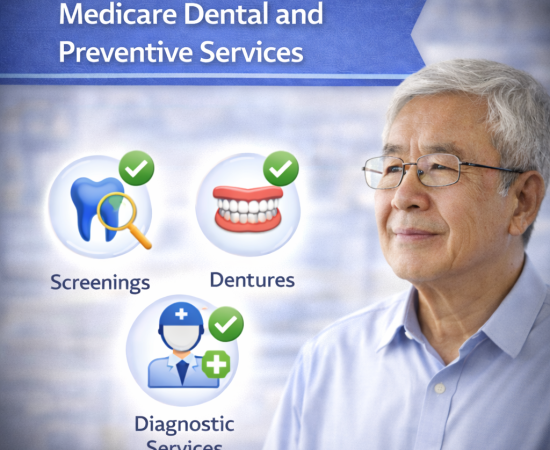
Maintaining oral health through preventive care is fundamental for seniors, yet many overlook its significance in dental insurance. Insurance plans offer preventive services, such as regular check-ups and cleanings, which play a crucial role in preventing dental problems for older adults. Beyond preventive care, many insurance plans for seniors provide additional coverage for services like fillings and dentures. Understanding these aspects can help seniors select insurance plans that are a good choice, designed specifically for their needs. Let’s delve into the importance of preventive care and what these dental plans typically cover.
Importance of Preventive Care in Dental Plans
Preventive care services are the cornerstone of oral health management, especially for seniors under dental insurance plans. This type of care includes routine check-ups, cleanings, and preventive treatments that help to identify potential issues before they escalate into more severe dental problems. Insurance plans that prioritize preventive care can significantly improve a senior’s oral health by reducing the need for extensive procedures. By keeping regular dental appointments for cleanings and exams, oral conditions can be caught early, which often leads to simpler and less expensive treatments. Coverage for preventive services is a clear benefit of a good choice in insurance plans, helping to prevent tooth decay and gum disease.
Dental insurance plans often highlight the importance of preventive care through comprehensive coverage. Not only do these plans cover routine visits, but they also emphasize the health benefits of maintaining oral hygiene. Preventive care is typically covered in full or with minimal out-of-pocket costs, making it an affordable way for seniors to take care of their dental health. This coverage assures that seniors can access necessary services without financial stress, focusing instead on sustaining their overall health while securing long-term dental health improvements. Comprehensive dental plans analyze each service’s importance, ensuring seniors receive adequate preventive care to curtail major issues down the line.
For seniors considering dental insurance, preventive care is a vital area where such plans can truly make a difference. Many providers, like Delta Dental, offer plans designed specifically with comprehensive preventive care services, underscoring the importance of such coverage within senior-focused dental plans. As stand-alone offerings, or as part of broader insurance coverage, these plans ensure seniors are not missing out on essential preventive services. In thoroughly reviewing insurance plans and their emphasis on preventive care, seniors can feel reassured that their plans are not only a good choice but also an investment in their long-term health.
Researching and Selecting the Right Plan
Choosing the right dental insurance plan is crucial for senior citizens who want to maintain their oral health without financial strain. It’s important to carefully research different dental plans to ensure they meet your unique needs. Seniors have various options, from standalone dental plans to those offered by major providers like Delta Dental. Consider key factors, such as the availability of preventive services, costs, and coverage limits, to make informed decisions. By selecting an insurance plan that aligns with your oral health goals and financial preferences, you can gain peace of mind and the dental care you deserve.
How to Find Dental Insurance Options That Match Your Needs
Understanding your unique dental needs is the first step toward finding the right insurance plan. Seniors, in particular, must consider plans that address both preventive and more involved treatments, such as dentures or crowns. Researching options thoroughly is essential, as dental insurance plans vary significantly in terms of coverage, costs, and services offered. Begin by identifying your most frequent dental care needs, such as regular checkups or potential restorative procedures, to help narrow down suitable plans. For example, some insurance plans may cover regular preventive services like cleanings and exams entirely, reducing out-of-pocket expenses.
Another key aspect of selecting a dental plan includes considering any waiting periods associated with specific procedures. This is particularly important for seniors who might need immediate treatment but could face delays in insurance coverage. Standalone dental plans are often chosen to complement existing health coverage because Medicare typically does not include routine dental care. Companies like Delta Dental and others provide flexible insurance plans specifically designed for the senior population, focusing on comprehensive dental care that supports long-term oral health. Seniors should also explore whether providers, like Aflac, offer plans tailored to their needs at affordable rates.
Gathering quotes from various insurance companies can provide clarity on costs, allowing an accurate comparison between different dental plans. This process helps seniors understand potential expenses, from premiums to deductibles, ensuring their chosen option aligns with their budget. Besides costs, reviewing the network of dentists covered under an insurance plan is crucial, as using an out-of-network dentist might lead to higher costs. Additionally, checking whether the insurance plan includes services you’ll regularly need or anticipate needing can bring peace of mind. Seniors can enhance their experience by contacting current providers to discuss potential coverage changes or improvements, ensuring optimal satisfaction with their dental insurance.
Understanding dental insurance can be challenging, but you don’t have to do it alone. Our goal is to provide you with the knowledge you need to make informed decisions. Remember that plans vary by location and provider, so it’s important to find the right fit for your needs. Enter your ZIP code on our site to discover dental insurance plans in your area. Whether you need preventive care or advanced treatments, having the right plan helps manage costs and keeps your smile healthy and bright.
Compare plans and enroll online
Frequently Asked Questions
Why is dental insurance important for seniors?
Dental insurance is important for seniors because it helps manage the costs of essential oral healthcare, such as check-ups, cleanings, and more extensive procedures like dentures or crowns. It ensures that seniors can maintain their oral health, which is crucial for overall well-being.
What types of dental insurance plans are available for seniors?
Seniors can choose from standalone dental plans, dental PPOs, and plans offered through Medicare Advantage. Each type has different coverage options, networks, and cost structures, tailored to various oral health needs.
Does Medicare cover routine dental care for seniors?
Standard Medicare typically does not cover routine dental care. Seniors often need standalone dental insurance or supplemental plans to cover dental services, such as cleanings, fillings, and dentures.
What should seniors consider when comparing dental insurance plans?
Seniors should consider the coverage for preventive care, potential out-of-pocket costs, premiums, and whether there are waiting periods for certain treatments. Also, comparing the network of dentists and the flexibility in provider choice is crucial.
How can seniors find dental insurance plans in their area?
Seniors can visit Dentalinsuranceforsenior.org and enter their ZIP code to explore available dental insurance plans tailored to their location and needs.
Find & Compare Plans Online
ZRN Health & Financial Services, LLC, a Texas limited liability company

Russell Noga is a Dental Insurance Educator who writes informational content focused on helping consumers understand dental insurance coverage, benefits, and common plan features. His work emphasizes clear explanations of preventive care, basic and major services, waiting periods, provider networks, and plan limitations. Content is reviewed periodically to ensure clarity and accuracy and is based on publicly available sources. Information may change over time as plan details, availability, and coverage options are updated.