Dental Implant Coverage for Seniors

Dental implants can greatly improve the quality of life by replacing missing teeth. However, understanding insurance coverage for them can be complex. This page explores whether dental insurance for seniors typically includes implant costs, helping seniors make informed decisions.

While not all plans cover implants, there are options that may help reduce expenses. It’s essential to comprehend the various coverage criteria, including waiting periods or specific conditions.

By understanding these factors, you can navigate the options available and work towards restoring your smile.

Key Highlights

  • Dental implants enhance life by replacing missing teeth; insurance may reduce costs, but not all plans cover them.
  • AARP dental insurance caters to seniors, possibly covering parts of dental implant procedures.
  • Factors like plan coverage, waiting periods, and potential out-of-pocket costs impact implant affordability.
  • Navigating dental insurance varies by location; entering your ZIP code helps find tailored plans.
  • Understanding insurance specifics, such as exclusions and plan differences, aids in making informed decisions.

Compare Dental Plans

What Are Dental Implants?

Dental implants offer a modern solution for those seeking to replace lost teeth with a natural look and feel. These implants act as artificial roots for replacement teeth, providing stability similar to that of natural teeth.

Dental implants are essential in general dental care, particularly for seniors who might be missing teeth due to age or health issues. They are considered a major service due to their complexity and cost.

Understanding the basics of dental implants, including their role and how they integrate with dental insurance, is crucial for making informed decisions about oral health.

Understanding the Basics of Dental Implants

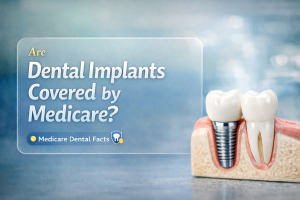
Dental implants are titanium posts surgically placed into the jawbone, simulating the root of a tooth. Over time, these implants fuse with the bone, a process known as osseointegration, providing a sturdy base for attaching artificial teeth.

This fusion makes implants a preferred method for tooth replacement, offering durability and a natural appearance. Unlike dentures, which can shift and require daily removal, dental implants remain fixed, closely mimicking the function of natural teeth.

Knowing the fundamentals of dental implants can demystify their role in general dental care, especially for seniors who might be exploring options for treating missing teeth. These implants are categorized as major services within dental plans due to their extensive procedure and involvement of skilled dental professionals.

While considering dental insurance coverage, it’s essential to explore how different plans classify and cover implants, considering costs can vary substantially. Seniors should engage with their dental providers to discuss the potential benefits and limitations of pursuing implants, ensuring the implants fit safely within their broader healthcare budgets.

For many, understanding the major components of dental implants can provide reassurance when planning treatments.

Discussions with a knowledgeable dental provider can illuminate how implants integrate into overall dental care plans, bringing the confidence needed to proceed with this impactful choice for oral health.

As you continue exploring dental insurance for seniors, remember that these insights are essential in navigating the complex landscape of dental coverage.

What Are Dental Implants?

How Dental Insurance Can Help with Implants

Dental insurance can play a vital role in making dental implants more accessible for seniors. While implant costs can be high, many seniors find that having insurance helps manage some of these expenses.

Dental insurance plans vary significantly in terms of coverage for dental implants. It’s crucial to understand what your specific plan offers. Some insurance plans offer partial coverage, reducing upfront costs.

Understanding the nuances of dental coverage, how they apply to implants, and what benefits might be available, empowers seniors to make informed decisions regarding their dental health.

Does Dental Insurance Cover Dental Implants?

Understanding whether dental insurance covers dental implants can be somewhat complex. Many insurance plans classify implants as major services, which often means higher costs.

While some dental insurance plans do provide coverage for implants, others might limit coverage to preventative or basic services. It’s essential to review your plan carefully to see what benefits apply to dental implants.

Some plans may cover only certain parts of the implant process, such as the crown rather than the full procedure. Knowing this beforehand can help when budgeting for dental implants.

Sponsors of insurance often set specific rules about what counts as cover. For instance, cosmetic aspects of implants might not be covered, focusing coverage instead on functional repairs.

Dental insurance plans also differ in terms of waiting periods, with some requiring a year of coverage before implant benefits kick in. By familiarizing yourself with these details, you can better plan your treatment options and avoid unexpected costs.

It’s advisable to talk with your dental insurance provider or a knowledgeable dental insurance educator to clarify what your plan entails. This understanding helps seniors weigh the benefits against out-of-pocket expenses effectively.

Different Dental Insurance Plans for Seniors

Navigating dental insurance can initially seem daunting, but understanding the variety of plans available can help simplify this process. Senior dental insurance focuses on catering to unique dental health needs, offering diverse plans to match these requirements.

Exploring dental plans involves understanding benefits and coverage aspects, which can vary based on the insurer and the specific plan. Different plans may offer varying degrees of coverage for dental implants, preventive care, or other dental services.

Comparing insurance plans and their coverage aspects enables seniors to make decisions that suit their individual circumstances, ensuring their dental health is well-supported.

Comparing Insurance Plans and Coverage

When considering dental insurance, it’s essential for seniors to compare different plans to find the right fit for their needs. Dental plans are designed with varying coverage options and benefits based on what they offer.

Some plans emphasize preventive services, covering regular cleanings and check-ups that are crucial for maintaining oral health. Meanwhile, plans with broader coverage might also include sections for major services like dental implants.

As seniors explore these options, it’s crucial to carefully compare dental insurance plans to determine what specific benefits they include for implants and other complex procedures.

To effectively assess these differences, look at the coverage offered for major dental services and identify if and how they cover dental implants. Coverage can sometimes only apply to parts of the procedure, such as covering the crown but not the implant post.

Understanding these nuances helps manage expectations and assists in budget planning. It’s worthwhile to review any waiting periods associated with these benefits, as some insurance plans may require waiting before coverage for implants becomes active.

This exploration is crucial in making informed decisions and securing a plan that provides the coverage needed for robust dental care.

Senior dental insurance plans often present choices that are tailored to accommodate diverse needs, with some focusing heavily on routine preventive care, while others provide greater benefits for restorative services. Since each plan is distinct, it pays to thoroughly understand the insurance terms and what each plan covers before making decisions.

Consulting with a dental insurance educator can provide insights into comparing insurance plan benefits, aligning with personal healthcare goals. This educational process ensures that the chosen plan matches personal needs and minimizes surprise expenses related to dental treatments.

Different Dental Insurance Plans for Seniors

The Role of AARP Dental Insurance

AARP dental insurance provides options specifically tailored for seniors, aiming to address the unique needs and concerns of this age group. While dental implants are a significant investment, AARP dental plans may offer varying degrees of coverage for such major services.

Understanding how AARP dental insurance fits into your healthcare strategy can be empowering. As seniors review their plans, it’s essential to delve into the specifics of their coverage, especially for procedures like dental implants, which are commonly required by older adults.

Exploration of AARP Dental Coverage for Implants

AARP dental insurance, known for catering to older adults, can be a valuable resource when exploring dental implant coverage. Dental implants, renowned for their stability and natural appearance, often fall under major services in insurance language.

Understanding the specifics of AARP dental coverage for implants can lead to more informed decisions. While some plans might cover parts of the implant procedure, such as crowns or abutments, they may not always cover the entire process.

It’s prudent for seniors to carefully read their policy details, noting what is included under their coverage for implants. Consideration of waiting periods is also important, as some policies mandate these before implant-related costs are covered.

For those integrating dental implants into their care plan, understanding the nuances of coverage can prevent unexpected expenses. AARP dental insurance plans often vary based on location and provider, so in-depth research or consultation with a knowledgeable insurance expert is useful.

Engaging with an insurance provider can shed light on available benefits and help tailor insurance decisions to individual financial and health needs. By exploring AARP dental options, seniors can better align their insurance with their long-term dental health goals, thereby enhancing their overall well-being.

Costs and Considerations for Dental Implants

Dental implants are a reliable option for those looking to restore missing teeth, yet they come with considerations as it pertains to cost. Both the financial aspects and insurance coverage require careful planning.

Understanding costs involved and potential out-of-pocket expenses can empower seniors to manage their dental care budget effectively. It’s important to explore how insurance plans cover expenses related to dental implants and what to expect financially.

In this section, we’ll delve into budgeting for dental implants, considering potential insurance coverage and out-of-pocket costs.

Budgeting for Dental Implants and Potential Out-of-Pocket Costs

Budgeting for dental implants involves understanding several key factors that affect the overall cost. Dental implants are usually categorized as major services in insurance plans, which means they often come with higher costs.

First, you should look at the total cost of dental implants, which can vary widely based on the location, dentist fees, and the number of implants needed.

These costs can sometimes range into the thousands per implant. Knowing these can help set realistic budgeting expectations from the start.

Insurance plays a significant role in managing these expenses, though coverage varies by plan. Some insurance plans offer partial coverage, reducing what you need to pay up front.

However, many plans might only cover parts of the implant process, like the crown, and not the entire procedure. In such cases, understanding policy details around dental benefits, deductible amounts, and any spending caps is crucial to avoid hidden costs.

Planning financials might also involve considering out-of-pocket costs that come into play when insurance coverage falls short. Consider complementary budgeting practices like setting aside savings specifically for expected dental expenses.

Even with partial insurance coverage, having a clear plan ensures that the cost isn’t daunting and fits within your broader healthcare spending plan. Carefully analyzing your insurance plan, alongside discussions with your dentist and financial advisor, can illuminate potential costs and aid in prudent financial planning.

For more personalized guidance, entering your ZIP code on sites like Dentalinsuranceforsenior.org helps explore available options tailored to your needs.

Costs and Considerations for Dental Implants

Find & Compare Plans Online

Speak with a licensed insurance agent

1-855-425-2095TTY 711

Mon-Fri: 8am-9pm ET

Understanding Dental Coverage Limitations

When exploring dental insurance options, it’s crucial for seniors to understand the limitations that may accompany these plans. Dental insurance can indeed provide valuable benefits, yet certain services might not be fully covered, leaving individuals to manage some costs out-of-pocket.

Understanding what is typically not covered by dental plans, such as major services like dental implants, can help seniors plan more effectively. It’s all about knowing the specifics of insurance coverage, especially regarding high-cost procedures, ensuring that any potential gaps are addressed thoughtfully.

What Dental Plans May Not Cover

Dental plans often have limitations concerning the range of services they cover. Notably, dental implants frequently fall outside the scope of full coverage.

Many insurance plans classify these as elective or major services, which means coverage can be limited or conditional. For seniors considering implants, it’s essential to know that while some insurance policies provide partial coverage, many exclude these procedures from their benefits altogether.

This happens because insurance plans sometimes focus on preventive and basic restorative services, rather than extensive treatments like implants. Consequently, if an insurance plan does cover dental implants, it might only include specific parts of the procedure.

The crown, for instance, could be covered while other components like the implant post itself might not be. Additionally, understanding waiting periods is crucial, as some plans require extended coverage duration before implant-related benefits commence.

To navigate these limitations effectively, it’s beneficial for seniors to discuss with their insurance providers or a dental insurance educator to clarify what is included and how to address any unmet coverage needs.

Engaging proactively in this way fosters informed decision-making and financial planning, allowing seniors to confidently manage their dental health without unforeseen costs. Remember, exploring a variety of plans and entering your ZIP code on dedicated insurance websites can unveil tailored options available in your area.

Navigating Waiting Periods in Dental Insurance

Understanding dental insurance waiting periods is crucial for managing your oral health plan effectively. These periods can affect when certain benefits, like implants, become available.

For seniors, knowing how these work helps avoid unexpected costs and ensures smooth access to needed procedures. In this section, we’ll explore what waiting periods entail and how they impact dental insurance for procedures.

By grasping these details, seniors can align their expectations with their insurance coverage and better plan their dental care strategies.

Understanding the Waiting Period for Dental Procedures

Waiting periods in dental insurance can feel like a puzzle, but they’re essentially the time you must wait before your insurance plan covers certain dental procedures. This waiting period often applies to major services like dental implants, crowns, and other extensive treatments.

Each insurance plan sets its own waiting period, ranging from a few months to over a year. It’s crucial to understand this aspect as it directly impacts when you can access the benefits of your plan for dental procedures.

By fully comprehending your plan’s waiting periods, you can better prepare for both immediate and future dental health needs.

These waiting periods exist to prevent immediate high-cost claims right after enrolling in a new plan. It’s a common feature in many dental plans and can vary significantly. Some plans might offer waiver provisions for continuous insurance coverage from previous plans.

For seniors, especially those considering treatments like dental implants, it’s vital to remember that preparing for these periods is part of planning. Before opting for a dental insurance plan, reviewing the terms regarding waiting times and comparing the length of these periods across different plans can offer valuable insights.

Understanding these can prevent delays in receiving necessary dental care and ensure you’re maximizing insurance benefits efficiently.

It’s also worthwhile to discuss your options with a dental insurance educator who can explain any nuances and how they align with your current dental health needs. With the right knowledge, seniors can navigate waiting periods wisely, ensuring they maximize their coverage potential.

Planning ahead and understanding waiting periods will guide informed decisions, easing the process of receiving dental procedures without unanticipated interruptions. For tailored insights based on your location, consider entering your ZIP code on platforms like Dentalinsuranceforsenior.org to explore plan options suited to your area.


Waiting Period ConceptCommon Procedures AffectedWaiting Period DurationStrategies for ManagementKey Considerations for Seniors
Definition of Waiting PeriodMajor Services (e.g., Crowns, Bridges)6 to 12 months on averagePlan in advance and initiate coverage before needs ariseEvaluate immediate and long-term dental needs
Impact on Routine CarePreventive ServicesOften waived or not applicableChoose plans with waived waiting for preventive careConsider plans with preventative coverage from day one
Effect on Major ProceduresOrthodontics, Oral Surgery12 to 24 monthsAssess future treatment plans and adjust timing accordinglyBalance cost with prospective procedure needs
Special ConsiderationsSpecialized TreatmentsVaries by planSeek guidance from dental professionalsInvestigate senior-specific plans


This table provides a concise overview of essential factors to consider when navigating waiting periods in dental insurance, supporting seniors in making informed decisions about their dental health plans.

Navigating Waiting Periods in Dental Insurance

How to Choose the Right Dental Insurance Plan

Choosing a dental insurance plan that suits your needs can be a rewarding process, especially for seniors. Understanding different plans and their coverage benefits is key.

This involves evaluating options that align with your requirements, considering dental implants and other major services. By exploring these facets, you can find a comprehensive insurance plan that mitigates out-of-pocket expenses while ensuring appropriate coverage for dental care needs.

Evaluating Options that Match Your Needs

Evaluating the right dental insurance options involves understanding different plans and their specific coverage offerings. Seniors often need personalized dental plans that cover a spectrum of services, including preventive treatments and major procedures like dental implants.

When you’re looking to choose an insurance plan, start by identifying the specific needs that your dental care requires. For example, if dental implants are a consideration, ensure that the chosen plan offers substantial coverage for these major services.

Not every plan covers all parts of the implant process, so it’s crucial to scrutinize coverage details carefully.

Consider the range of coverage each insurance plan provides. It’s common for insurance companies to offer plans with varying degrees of coverage for implants.

Some might cover only the abutment or crown, leaving the implant post out of coverage. Evaluating these details ensures that you are not surprised by unexpected costs.

Additionally, the planning process should include reviewing any waiting periods, as they can affect when benefits for implants and other services kick in. Don’t overlook the role of location; coverage differences can be significant depending on where you live.

Discussing options with a dental insurance educator can further clarify these plans, tailoring insights to match your unique situation. By gaining a deeper understanding of your chosen insurance plan, you align coverage with dental needs effectively, reducing uncertainties.

For more personalized comparisons, consider entering your ZIP code on platforms like Dentalinsuranceforsenior.org to access plans available in your area. Comprehensive evaluation empowers seniors to make informed choices, ensuring their dental health needs are supported by a fitting insurance plan.

To seamlessly enhance your exploration of dental insurance options, consider these key aspects when evaluating plans for optimal suitability:

  • Analyze plan specifics for both preventive treatments and major procedures, including crowns and bridges.
  • Compare coverage levels among plans for dental implants, noting any exclusions for parts like abutments or posts.
  • Check for waiting periods that affect when benefits for implants and other major services commence.
  • Investigate differences in coverage based on geographical location, which can alter available benefits.
  • Consult with a dental insurance educator to gain personalized insights and address unique inquiries.
  • Use your ZIP code on insurance platforms to refine available options tailored to your region.


These considerations will guide you toward a dental insurance plan aligning seamlessly with your requirements.

Get Started with Finding Dental Insurance

Embarking on your journey to find the right dental insurance plan involves understanding your coverage needs and exploring various options. Dental insurance for seniors focuses on addressing specific health requirements, which often includes coverage for major services like dental implants.

By entering your ZIP code, you can discover suitable dental plans that aim to match your location-specific needs. This process not only helps in securing the necessary coverage but also aids in managing out-of-pocket costs effectively.

Explore these options to ensure your dental health needs are met comprehensively.

Explore Plans by Entering Your ZIP Code

Using your ZIP code to find dental insurance plans can streamline the process of understanding what options are available in your area. This method allows you to explore various dental plans, ensuring they cater to your specific needs.

By entering your ZIP code on a dedicated platform, you can easily discover which insurance plans offer the coverage you’re seeking. Each location might offer different dental insurance plans, so knowing what’s locally available is crucial.

This exploration helps align coverage with your personal healthcare needs, especially for major services like dental implants.

Dental insurance varies widely based on geography, with factors like local providers and state regulations impacting what’s offered. Specifying your ZIP code can reveal a suite of options catered to your region.

This tailored approach ensures you receive the most relevant information, helping you compare plan benefits effectively, such as coverage for preventive services, basic, and major dental work. Understanding these distinctions aids in making an informed decision about which insurance plan suits you best.

It’s an essential step in discovering dental insurance plans that fit your requirements, potentially covering crucial procedures that you might need.

This exploration doesn’t just illuminate available plans but also clarifies their benefits. By comparing different plans, you can pinpoint which ones offer sufficient coverage for dental implants or other major services, balancing both insurance benefits and possible costs.

A clear view of what’s offered locally empowers seniors to make decisions that prevent unexpected expenses while ensuring comprehensive dental care. To explore further, consider using platforms such as Dentalinsuranceforsenior.org to navigate your options with confidence and find a dental insurance plan that meets your needs effectively.

Understanding dental implant coverage helps you plan for healthy smiles. While dental insurance may cover part of implant costs, it’s essential to check individual plans for specifics.

Consider factors like annual maximums and exclusions. Comparing plans based on your needs and budget can guide you toward finding suitable coverage.

For a better grasp of options available, enter your ZIP code on our website and explore plans specific to your area. This way, you can make informed decisions about dental care coverage for implants and related treatments with confidence.

Get Started with Finding Dental Insurance

Compare Dental Plans

Frequently Asked Questions

Do most dental insurance plans cover dental implants?

Not all dental insurance plans cover dental implants. Some may categorize them as major services, offering partial coverage, while others might focus more on preventive or basic services.

It’s essential to review your specific plan details to understand the extent of coverage provided for dental implants.

What are dental insurance waiting periods, and how do they affect implant coverage?

Waiting periods in dental insurance refer to the time you must wait before your plan covers certain procedures, such as dental implants.

These periods can vary from a few months to over a year. Understanding these waiting periods is essential for planning your dental care, as it affects when you can receive coverage for major services like implants.

How can I explore dental plans available in my area?

Entering your ZIP code on websites like Dentalinsuranceforsenior.org allows you to explore dental insurance plans tailored to your location. This helps you find plans that cater specifically to your needs, including coverage for dental implants and other major services.

What factors should seniors consider when budgeting for dental implants?

When budgeting for dental implants, consider the total cost of implants, which can vary greatly depending on location and the number of implants needed.

Also, review your insurance plan’s coverage specifics, such as deductible amounts and spending caps, to anticipate out-of-pocket expenses. Planning ahead by setting aside savings can help manage these costs effectively.

Are there limitations in dental insurance plans regarding implants?

Yes, dental insurance plans often have limitations on covering dental implants. Coverage might be partial, with some plans covering specific parts like crowns or abutments, while excluding the implant post itself.

It’s important to carefully examine your insurance plan’s terms and discuss with your provider to understand any potential limitations or exclusions.

Have Questions?

Speak with a licensed insurance agent

1-855-425-2095

TTY users 711

Mon-Fri: 8am-9pm ET

Find & Compare Plans Online

Speak with a licensed insurance agent

1-855-425-2095TTY 711

Mon-Fri: 8am-9pm ET

ZRN Health & Financial Services, LLC, a Texas limited liability company