Dental and vision insurance in California can help make routine care, like cleanings, eye exams, glasses, and contacts, more predictable for your budget. The right option depends on how you get coverage, which providers you prefer, and whether you expect care beyond preventive visits.


Dental Insurance for Seniors
find affordable dental insurance





Dental and Vision Insurance California
Key Takeaways
- Compare premiums with deductibles, copays, annual maximums, and expected care costs, not price alone.
- Confirm your dentist, optometrist, and preferred optical retailer participate in the exact plan network.
- Dental preventive care is often covered best; major services may have lower coverage and waiting periods.
- Vision plans typically cover annual exams plus allowances for frames, lenses, or contact lenses.
- HMO dental plans usually offer lower costs; PPO plans provide broader provider choice and possible out-of-network benefits.
- Review benefit frequency limits, eyewear renewal schedules, exclusions, and the evidence of coverage before enrolling.
Compare Dental Plans
Dental and Vision Insurance California: What Routine Coverage Includes
Dental and vision insurance in California is designed around the preventive appointments that keep small concerns from becoming expensive treatment plans. A typical dental policy helps pay for routine exams, cleanings and X-rays, while vision coverage commonly includes annual eye exams and set allowances toward prescription glasses or contact lenses. The details matter: insurance plans may set waiting periods, annual maximums, provider-network rules and separate copays for more involved care.
California residents comparing health coverage should also look at how dental and vision benefits work alongside medical insurance, particularly for children, whose essential health benefits have different coverage standards. Review the plan’s evidence of coverage before enrolling to see exactly which routine services are care covered, what you will pay, and where you can receive treatment. For more information, check out our other articles on this topic, such as Vision and Dental Insurance in Texas or Ohio.
Ways to Get Dental Insurance and Vision Coverage in California
In California, dental insurance and vision coverage can be purchased separately or paired with broader health benefits, depending on your needs and budget. Many adults start with an individual plan through the Covered California marketplace, an insurer’s direct website, or a licensed local agency that can compare available products. Employer-sponsored benefits may offer another practical route, particularly when group rates or family options are available.
Dental plans commonly focus on preventive visits, basic treatment, and varying levels of major-care benefits; vision coverage may help with eye exams, lenses, frames, or contact lenses. Before enrolling, look beyond the monthly premium: confirm provider networks, waiting periods, annual maximums, copays, and whether your preferred dentist or optometrist participates.
What Dental Plans May Cover for Preventive and Major Dental Services
Dental plans can make routine visits and more involved treatment easier to budget for, but coverage varies by policy, network, and annual maximum. Many dental insurance options place the strongest emphasis on preventive care: exams, cleanings, routine X-rays, and sometimes fluoride treatments are commonly covered at a high percentage when you see an in-network provider. Basic dental services, such as fillings or simple extractions, may be covered after a deductible, while major care, including crowns, bridges, dentures, root canals, and oral surgery, often carries a lower coverage level and a waiting period.
Before scheduling treatment, review the plan’s benefit summary for frequency limits, exclusions, and preauthorization requirements. Your dentist’s office can also provide an estimate, helping you understand what the plan may pay and what remains your responsibility.
What Vision Plans Cover, From Eye Exams to Eyewear
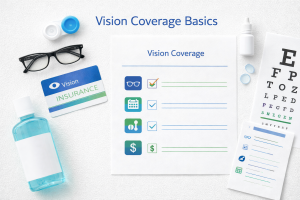
Vision plans are designed to make routine eye care more predictable, covering the services most people use to maintain clear, comfortable sight. Exact vision benefits vary by carrier and employer, but a typical vision plan includes an annual comprehensive eye exam, with copays or allowances for prescription eyeglasses and contact lenses. Many vision insurance options also set a frame allowance and provide discounts on lens upgrades such as anti-reflective coating, progressive lenses, or thinner materials.
Medical care for an eye injury, infection, glaucoma, or another diagnosed condition is generally handled through health insurance rather than standard vision services. Before booking, review your plan’s network, exam frequency, eyewear allowance, and any waiting periods so you know what your coverage will support.
Dental Insurance HMO and PPO Options: Networks, Costs and Choice
Choosing between HMO and PPO dental insurance often comes down to how much flexibility you want when selecting a provider, and how predictable you want your costs to be. HMO dental plans typically ask members to choose from a defined local network, often with lower premiums and set copays for routine care. PPO plans generally give a member broader access to dentists, including some coverage for out-of-network treatment, though monthly premiums and deductibles may be higher.
Before enrolling, check whether your current dentist participates, compare annual maximums and review what preventive, restorative and specialist services cost under each option. The right plan should fit both your preferred dentist and the kind of care you expect to need.
| Feature | Dental HMO | Dental PPO |
|---|---|---|
| Provider network | Typically uses a defined local network. | Generally offers broader access to dentists. |
| Dentist choice | Members typically choose from the plan’s network. | Members generally have more flexibility when selecting a dentist. |
| Out-of-network treatment | Not described as including out-of-network coverage. | May include some coverage for out-of-network treatment. |
| Monthly premiums | Often lower. | May be higher. |
| Deductibles | Not specified. | May be higher. |
| Routine-care costs | Often uses set copays for routine care. | Routine-care copays are not specified. |
| Items to review before enrolling | Check whether your current dentist participates; compare annual maximums and costs for preventive, restorative and specialist services. | Check whether your current dentist participates; compare annual maximums and costs for preventive, restorative and specialist services. |
How to Compare Vision Plans Beyond the Monthly Premium
The lowest-priced option is not always the best value. When comparing vision plans, start with the care you are most likely to use in the coming year: a routine exam, new frames, contact lenses, or specialty lens upgrades. Then look closely at how the vision coverage works in the optical office you prefer.
A plan with a modest premium may offer stronger vision benefits if it includes a larger frame allowance, lower copays for lenses, or better contact-lens coverage. Check provider networks, too; an appealing vision plan can become more expensive if your optometrist or preferred retailer is out of network.
Finally, note timing rules for exams, frames, and contacts. Benefits that renew every 12 months can look quite different from those available only every other year.
Find & Compare Plans Online
Estimate Your Total Annual Dental Vision Cost
When comparing dental vision coverage, look beyond the monthly premium. Your total annual cost combines premiums, deductibles, copays, coinsurance, and the amount your plan contributes toward routine appointments, glasses, contacts, fillings, or more involved treatment. Dental plans start at different price points, but the lowest premium is not always the best value if you expect regular care or have a dentist and eye doctor you prefer to keep.
Estimate how often you and your family typically use dental and vision services, then compare those expected expenses against each insurance plan’s annual limits and network savings. A plan with stronger preventive dental benefits and useful vision allowances can make budgeting more predictable, particularly when routine exams, cleanings, prescriptions, or corrective eyewear are already part of your year.
Annual Cost Comparison Checklist
- Add 12 months of premiums for each dental and vision plan.
- Include expected deductibles, copays, coinsurance, and out-of-pocket treatment costs.
- Estimate routine needs: exams, cleanings, fillings, glasses, contacts, and prescriptions.
- Check annual maximums, vision allowances, and coverage limits for major services.
- Confirm your preferred dentist and eye doctor participate in the plan network.
- Compare network discounts against costs for using out-of-network providers.
- Choose the plan with the most predictable total cost for your expected care.

Check Your California Provider Network Before Enrolling
A plan can look excellent on paper and still be inconvenient if the clinicians you rely on are out of network. Before enrolling in a California policy, use the carrier’s current directory to find nearby physicians, hospitals, and specialists, then call the office to confirm participation and new-patient availability. Check the exact plan name, not simply the insurer: network access can differ across HMO, PPO, and marketplace options.
If routine dental services or vision services matter to your household, review those benefits separately, since they may use a different provider network or require a stand-alone plan. A few calls before enrollment can prevent a midyear change in doctors, longer drives, or unexpectedly higher bills.
Bundled or Separate Dental and Vision Coverage: Which Fits Better?
When comparing dental and vision insurance in California, the best arrangement is rarely about convenience alone. Bundled options can simplify enrollment, billing, and member support, especially for households that prefer one carrier relationship. They may also offer a modest pricing advantage.
Separate dental plans and vision plans, however, can give you more control over the details that matter: your preferred dentist or optometrist, orthodontic benefits, contact lens allowances, or access to a particular provider network. Start with the care you expect to use in the coming year, then check each plan’s network and benefit schedule rather than relying on a bundled label. Strong dental insurance and vision coverage should fit your providers, budget, and actual health needs, not merely make the paperwork easier.
Choosing Dental and Vision Coverage for Your Situation
The right dental and vision coverage begins with an honest look at how you use care now and what may change over the next year. An individual plan can be a practical fit for self-employed residents, early retirees, or adults whose workplace benefits do not include these services. Families may place more value on routine exams, prescription lenses, orthodontic benefits, or broad access to local providers.
Consider the monthly premium alongside deductibles, annual limits, waiting periods, and the cost of care from dentists and eye doctors in your community. Dental and vision plans are not one-size-fits-all health decisions; the strongest choice is the one that makes preventive visits easy to schedule and unexpected treatment more manageable.
Covered California and Other Enrollment Checks
Before choosing a doctor or booking care, confirm how your plan is enrolled and administered. Covered California is the state marketplace, but the insurance carrier, not the marketplace itself, maintains the provider network, member ID, deductible, and authorization rules that shape your visit. Start with the insurer’s online directory, then call the practice to verify that it accepts your exact plan name and network, not simply the carrier.
Ask whether the office is taking new patients and whether any referral is required. If you enrolled through an agency, it can help you find the carrier’s member services information and clarify effective dates, but the final confirmation should come from both the insurance company and the medical office. Keep a record of the date, representative, and confirmation number for added peace of mind.
Compare Dental Plans
Frequently asked questions
What does dental and vision insurance typically cover in California?
Dental plans commonly help cover preventive exams, cleanings, X-rays, fillings, and selected major services. Vision plans often include routine eye exams plus allowances for frames, prescription lenses, or contact lenses. Coverage, copays, limits, and waiting periods vary by plan.
Can I buy dental and vision insurance separately in California?
Yes. California residents can purchase stand-alone dental and vision plans through Covered California, directly from insurers, through an employer, or with help from a licensed agency. Some health plans may also offer optional dental or vision benefits.
Does dental insurance cover crowns, root canals, and dentures?
Many dental plans provide some coverage for major services such as crowns, root canals, bridges, dentures, and oral surgery. These services may have deductibles, coinsurance, waiting periods, frequency limits, preauthorization rules, and annual maximums.
Is medical eye care covered by vision insurance?
Standard vision insurance is generally intended for routine eye exams and corrective eyewear. Treatment for eye injuries, infections, glaucoma, cataracts, or other diagnosed medical conditions is usually covered under medical health insurance instead.
What is the difference between dental HMO and PPO plans?
Dental HMO plans usually require care from a defined network and may offer lower premiums with set copays. PPO plans generally offer more provider choice and may pay part of out-of-network care, but premiums and deductibles can be higher.
How do I compare dental and vision plan costs?
Compare the monthly premium with expected annual expenses, including deductibles, copays, coinsurance, eyewear allowances, dental annual maximums, and network savings. Also confirm whether your preferred dentist, optometrist, or optical retailer participates in the exact plan.
Are dental and vision benefits different for children in California?
Yes. Children’s dental and vision benefits can follow different coverage standards than adult benefits, particularly through marketplace health coverage. Review the plan documents carefully to understand pediatric services, provider access, and any family cost-sharing requirements.
Find & Compare Plans Online
ZRN Health & Financial Services, LLC, a Texas limited liability company

Russell Noga is a Dental Insurance Educator who writes informational content focused on helping consumers understand dental insurance coverage, benefits, and common plan features. His work emphasizes clear explanations of preventive care, basic and major services, waiting periods, provider networks, and plan limitations. Content is reviewed periodically to ensure clarity and accuracy and is based on publicly available sources. Information may change over time as plan details, availability, and coverage options are updated.