Coverage Gaps in Medicare Dental Insurance

Understanding the coverage gaps in Medicare dental insurance can help seniors make informed decisions about their dental health. While Medicare provides essential health coverage, dental benefits are often limited, leaving many seniors seeking additional coverage solutions.

Medicaid plans may offer some relief, but knowing what services are covered and any out-of-pocket costs can prevent unexpected expenses. This page explores how these plans work, what dental services might be included, and how to navigate potential coverage limitations.

Seniors can find clarity and peace of mind in their dental care decisions by thoroughly exploring available options.

Key Highlights

  • Original Medicare lacks routine dental coverage, impacting seniors’ oral health expenses.
  • Medicare Advantage plans offer supplemental dental benefits, with provider network requirements.
  • Comparing plans like Delta Dental is crucial for understanding coverage, costs, and network access.
  • Preventive dental care is essential for avoiding costly treatments and maintaining overall health.
  • Dual coverage with Medicare and Medicaid can provide comprehensive dental benefits for eligible seniors.

Compare Dental Plans

Understanding Dental Coverage in Original Medicare

Dental coverage is a crucial aspect for seniors aiming to maintain oral health, yet Original Medicare often leaves significant gaps. While it provides a broad range of health insurance benefits, it typically doesn’t cover routine dental services.

This limitation can be a concern for those reliant on Medicare for comprehensive health coverage. We’ll explore the limitations of dental benefits under traditional Medicare and outline options available for seniors.

By understanding these aspects, you can make informed decisions about dental care and find ways to bridge the insurance gap effectively.

Limitations of Dental Benefits

When it comes to Original Medicare, many seniors are often surprised to find that dental benefits are quite limited. Unlike other health services covered, traditional Medicare excludes routine dental care such as cleanings, fillings, or tooth extractions.

This lack of coverage can lead to an insurance gap that impacts oral health, potentially resulting in higher out-of-pocket costs for necessary dental services.

Seniors should be aware that even Medigap plans, which supplement Medicare, rarely include dental coverage, leaving significant gaps for many.

These exclusions mean routine visits to the dentist, important for maintaining oral health, aren’t covered, and costs for these services can add up quickly. Understanding what Medicare does and doesn’t cover is critical for managing both health and dental care effectively.

While some medically necessary dental procedures might be covered, these are exceptions rather than the rule. As oral health is a vital component of overall health, recognizing these limitations can guide seniors in seeking additional dental insurance options tailored to their needs, whether through private insurance or Medicaid plans, depending on eligibility.

It’s important to consider how these gaps might affect not only your dental health but also your finances, ensuring access to needed care without unexpected financial burdens.

Options for Seniors with Original Medicare

For seniors relying on Original Medicare, finding ways to manage dental expenses is key. Although traditional Medicare doesn’t cover routine dental services, there are several paths seniors can explore to fill these gaps.

One option is to purchase standalone dental insurance plans available through the health insurance marketplace or directly from providers. These plans can cover preventive services, such as cleanings and exams, and sometimes even restorative dentistry like crowns and dentures.

It’s essential to compare these plans carefully, focusing on costs, network limitations, and the range of covered services to ensure they match your specific dental care needs. Another option is to consider Medicare Advantage plans, which often include supplemental benefits, including dental coverage as part of their package.

However, these plans vary significantly, so it’s crucial to review the details of what’s available in your area. Additionally, some seniors may qualify for dual coverage under both Medicare and Medicaid, which can provide more comprehensive dental coverage depending on state-specific Medicaid offerings.

Finally, the American Dental Association (ADA) and local health services sometimes offer resources to help seniors access affordable dental care. By understanding these options, seniors can find the best way to manage their dental health within their means, ensuring access and coverage that traditional Medicare alone may not offer.

Understanding Dental Coverage in Original Medicare

Medicare Advantage and Dental Insurance

Medicare Advantage plans are a popular choice among seniors seeking to address gaps in dental coverage left by Original Medicare. While traditional Medicare offers limited dental benefits, Medicare Advantage plans can provide a more comprehensive approach to dental care.

Often including supplemental benefits, these plans cover a broader range of dental services. Seniors exploring Medicare Advantage should understand how it differs from Original Medicare and what’s typically covered under these plans.

By gaining insight into these differences, you can make informed decisions about enhancing your dental coverage while managing costs and ensuring access to necessary dental care.

Differences from Original Medicare

Medicare Advantage plans, also known as Part C, differ significantly from Original Medicare in terms of the coverage they offer, especially when it comes to dental care. Unlike traditional Medicare, which focuses mainly on medical and hospital services, Medicare Advantage plans often include dental benefits as part of their comprehensive coverage.

These plans are provided through private insurance companies and must cover all that Original Medicare covers, but they can add additional benefits like dental, vision, and hearing.

A key advantage is that Medicare Advantage plans offer supplemental benefits, potentially including coverage for regular dental check-ups, cleanings, fillings, and even complex services such as crowns and dentures.

One of the significant differences lies in how these plans operate. Medicare Advantage plans generally work through a network of providers, meaning you might need to choose dentists within a specific network to receive full benefits.

This can be a change for those used to the flexibility of Original Medicare. However, the inclusion of dental coverage makes these plans appealing, potentially reducing the out-of-pocket costs associated with dental care.

This network-based approach is designed to control costs and ensure quality, offering roughly one-third of Medicare Advantage enrollees comprehensive dental benefits.

Understanding these differences is crucial for seniors evaluating how to address the insurance gap that Original Medicare’s limited dental benefits create, enhancing both their oral health and financial well-being.

What Dental Services Are Typically Covered?

The range of dental services covered by Medicare Advantage plans can vary, but they generally include both preventive and some restorative services. Preventive services like regular dental check-ups, cleanings, and X-rays are often covered, aiming to maintain good oral health and catch any potential issues early.

Regular preventive dental care is vital as it can prevent more severe issues, aligning healthcare with the broader goals of maintaining overall health. This approach is crucial for avoiding significant medical and oral health issues later in life, demonstrating the interconnected nature of healthcare and oral health.

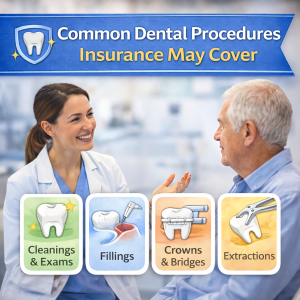
Beyond preventive care, many Medicare Advantage plans extend their benefits to include coverage for more comprehensive dental work. This might encompass fillings, extractions, and restorative procedures like crowns or bridges.

Some plans might even offer limited coverage for dentures or dental implants, although these services often come with specific limitations or cost-sharing requirements. It’s also essential to note that while Medicare Advantage plans typically provide wider dental care access, the specific dental services covered can vary based on the plan and the provider network you choose from.

Evaluating these specifics is crucial in ensuring that the plan meets your healthcare needs effectively.

Seniors looking to select a Medicare Advantage plan should carefully review the dental benefits included, paying particular attention to any associated costs, coverage limits, and network constraints. By thoroughly understanding what each plan offers, you can better navigate the complexities of dental insurance, aligning your choice with both your dental care needs and budgetary considerations.

This proactive approach helps ensure that your dental insurance coverage supports not only your oral health but also your broader healthcare goals.

To further help you understand what to consider when evaluating dental coverage in Medicare Advantage plans, keep in mind these key points:

  • Verify if preventive services like cleanings and X-rays are included.
  • Check the extent of coverage for restorative procedures such as crowns or bridges.
  • Confirm if dentures or implants are covered and understand any restrictions.
  • Investigate network constraints to ensure your preferred dentists are included.
  • Compare any cost-sharing requirements to manage out-of-pocket expenses effectively.
  • Look into any annual maximums on dental benefits.
  • Review the full list of covered services to avoid unexpected costs.


By focusing on these considerations, you can make informed decisions about Medicare Advantage dental coverage.

Medicare Advantage and Dental Insurance

Find & Compare Plans Online

Speak with a licensed insurance agent

1-855-425-2095TTY 711

Mon-Fri: 8am-9pm ET

Exploring Other Dental Insurance Plans

For seniors, exploring dental insurance options beyond Medicare can fill notable coverage gaps left by traditional plans. While Original Medicare often lacks comprehensive dental benefits, alternatives like private dental insurance and Medicare Advantage aim to address this shortfall.

By understanding the diverse range of plans available, including options like Delta Dental, seniors can compare costs, benefits, and network access.

This exploration ensures informed decisions that align with individual dental care needs and financial considerations, helping maintain oral health without unexpected expenses. Let’s delve into these diverse options and how they measure against each other.

Diverse Options Beyond Medicare

Exploring diverse dental insurance options beyond Medicare opens up a realm of possibilities for seniors seeking to improve their oral health coverage. Unlike Original Medicare, which often leaves individuals with an insurance gap when it comes to dental care, these plans can offer valuable supplemental benefits.

Private dental insurance plans are one option that helps cover routine services and even some restorative procedures. They are accessible through the health insurance marketplace and provide various coverage levels, allowing seniors to pick plans that best match their specific dental needs and budget, whether for preventive services, crowns, or dentures.

Additionally, standalone dental insurance plans usually come with specific network requirements, meaning it’s crucial to check if your preferred dentist is included. This network coverage can significantly influence the accessibility and cost of your dental care.

While it might seem intricate to navigate, understanding these networks can help protect your oral health while managing costs. Moreover, these plans often allow individuals to choose from a variety of dental care options, ensuring that seniors find something that suits their healthcare needs.

For those qualifying for both Medicare and Medicaid, dual-eligible plans can provide extensive dental benefits. These plans integrate state-specific Medicaid offerings with Medicare, often covering a broad spectrum of services, from routine check-ups to more sophisticated dentistry procedures.

By exploring these varied dental insurance options, seniors can find plans that provide both necessary dental care and financial peace of mind, mitigating the insurance gap inherent in many standard Medicare packages.

Investigating these options carefully ensures seniors receive comprehensive dental benefits aligned with their health priorities and financial realities, offering valuable peace of mind.

How Delta Dental and Others Compare

When comparing dental insurance providers like Delta Dental against other plans, seniors will notice significant differences in coverage, cost, and network constraints. Delta Dental is one of the leading providers known for its extensive network, offering broad access to dental services across the country.

It’s important to weigh how Delta Dental’s offerings compare with others, particularly in terms of the balance between coverage benefits and premium costs. With solid options in preventive, restorative, and even orthodontic care, Delta Dental provides a comprehensive approach suitable for diverse dental needs.

Understanding how Delta Dental and similar providers compare involves examining plan specifics such as covered services, limits, and co-pays. The broader the network, the easier it may be for seniors to continue seeing their trusted dental professionals without needing a new provider.

However, it’s equally vital to assess cost-related factors. While some plans may have higher premiums, they often include lower out-of-pocket costs for dental services, which can be crucial for seniors on a fixed income looking to manage oral health expenses effectively.

Moreover, comparison should also focus on flexibility within plans, including whether the plan accommodates dental implants or advanced restorative services. Another consideration is whether the plan offers supplemental options or administers benefits via specific criteria or approvals, impacting how accessible certain dental services might be.

By attentively comparing these factors, seniors can better navigate their healthcare and dental insurance landscape, optimizing their dental benefits while staying within budget. This approach facilitates choosing a plan that best supports ongoing oral health needs, essential for preserving not just dental wellbeing but overall health.


Insurance TypeKey BenefitsNetwork AccessCost ConsiderationsSpecial Features
Traditional Dental InsuranceCovers preventive, basic, and major dental servicesWide network of participating dentistsMonthly premiums and annual deductibles applyOffers flexible coverage levels
Dental Discount PlansAccess to reduced rates on dental servicesLarge network of participating providersNo premiums; requires a membership feeNo waiting periods for treatment
Medicare Advantage PlansMay include dental benefits alongside medical coverageNetwork varies; access depends on planIncluded in Medicare Part C; costs vary by planOffers a combination of dental and health benefits
Standalone Dental PoliciesCovers a wide range of dental proceduresVaries by provider; check individual plansSeparate premiums required from health insuranceCustomizable coverage options


These options provide seniors with various avenues to secure dental coverage, tailor their plan to specific needs, and manage financial commitments while maintaining access to essential dental care.

Exploring Other Dental Insurance Plans

Key Considerations for Dental Health

Managing dental health is crucial for adults and seniors alike, especially when Medicare’s coverage gaps leave critical needs unmet. Understanding the importance of preventive care and managing dental costs can help bridge these gaps.

While Original Medicare offers limited dental benefits, focusing on preventive care helps maintain oral health and avoid costly treatments. Additionally, managing dental costs and coverage through alternative plans and supplements can provide a more comprehensive approach to dental care.

Let’s delve into how embracing preventive measures and strategically managing dental expenses can ensure you maintain both good oral health and financial stability.

Importance of Preventive Care

Preventive care forms the cornerstone of maintaining dental health, particularly for adults and seniors navigating the complexities of Medicare and its limited dental benefits. While some may view cleanings and check-ups as minor, these services play a key role in preventing serious oral health issues.

Regular visits to the dentist help catch problems early, ultimately saving you from more substantial, unexpected out-of-pocket costs. Medicare’s lack of routine dental coverage underscores the importance of making preventive care a priority.

This approach not only aligns with maintaining overall health but can also prevent more significant healthcare issues down the line. Preventive care often includes cleanings, examinations, and X-rays, crucial in identifying issues like cavities or gum disease early on.

Working with a healthcare provider to establish a routine can ensure you adhere to essential dental care without relying solely on limited dental benefits offered by Medicare plans or supplemental benefits. Furthermore, preventive dental care aligns with the American Dental Association (ADA) guidelines, advocating for routine visits as a critical aspect of healthcare.

Emphasizing this proactive approach integrates oral health care into the broader medical picture, highlighting the interconnectedness of well-being and dental coverage. By making preventive care a priority, adults can navigate healthcare gaps with greater confidence, ensuring continued access to necessary services while managing costs effectively.

Managing Dental Costs and Coverage

Managing dental costs and coverage is essential for adults, particularly as Medicare often leaves significant gaps in routine dental care. Understanding dental insurance options beyond Medicare can help fill these gaps and provide broad access to necessary services.

Consider standalone dental insurance plans available through the health insurance marketplace, which offer varying levels of coverage tailored to specific needs. These plans often cover preventive services and sometimes even restorative procedures like fillings and crowns.

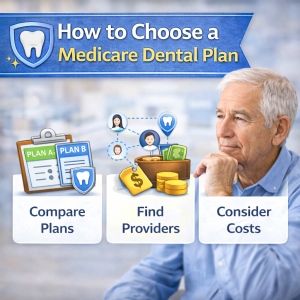
It’s vital to compare these plans, focusing on costs, network limitations that might affect the dentist accessibility, and the range of covered services. Knowing the specifics of each plan helps tailor your choice to personal dental needs and budget concerns, ensuring you maintain access to crucial care.

Additionally, some private insurance options may offer supplemental benefits, extending beyond what original Medicare or even some Medicare Advantage plans cover. Seniors should review these packages closely, as understanding healthcare costs and insurance intricacies is vital for informed decision-making.

Beyond standalone plans, some might qualify for dual coverage under both Medicare and Medicaid, which can provide extensive dental benefits depending on state offerings. This dual coverage can significantly reduce costs, offering a more comprehensive dental care package.

Managing your dental expenses doesn’t just safeguard your finances; it also ensures sustained oral health, reducing the risk of costly medical issues later. By exploring and understanding available dental insurance options, seniors can effectively manage their dental health and prepare for potential costs, both expected and unforeseen.

Understanding coverage gaps in Medicare dental insurance helps you make informed choices about your dental care. Evaluate your needs, consider Medicaid options if eligible, and compare plans in your area.

Remember that dental plans vary, so it’s important to explore different options to find one that fits your needs and budget. Enter your ZIP code on our website to explore dental insurance options and see what plans are available in your area.

Costs and coverage will differ based on location, so take the time to find the right match for you.

Compare Dental Plans

Frequenlty Asked Questions

Does Original Medicare cover routine dental services?

Original Medicare typically does not cover routine dental services such as cleanings, fillings, or tooth extractions. Understanding these limitations is crucial for managing your dental health and exploring additional insurance options.

What options are available for seniors seeking dental coverage?

Seniors can consider Medicare Advantage plans, which often include supplemental dental benefits, or standalone dental plans available through the health insurance marketplace. Comparing different plans is important to ensure they meet your needs and budget.

Can Medicare Advantage plans cover dental services?

Yes, Medicare Advantage plans frequently offer dental coverage, including preventive services and sometimes more extensive dental work. These plans vary, so reviewing specific details of available plans in your area is important.

What is the impact of network requirements on dental coverage?

Network requirements can affect your choice of dentists within Medicare Advantage plans or standalone dental plans. Ensuring your preferred dentist is within the network can help manage access and costs for your dental care.

How does dual coverage with Medicare and Medicaid work for dental benefits?

Dual coverage integrates Medicare with state-specific Medicaid offerings, potentially providing more comprehensive dental benefits. Eligibility and specific services covered can vary, so it’s beneficial to check what is available in your location.

Have Questions?

Speak with a licensed insurance agent

1-855-425-2095

TTY users 711

Mon-Fri: 8am-9pm ET

Find & Compare Plans Online

Speak with a licensed insurance agent

1-855-425-2095TTY 711

Mon-Fri: 8am-9pm ET

ZRN Health & Financial Services, LLC, a Texas limited liability company