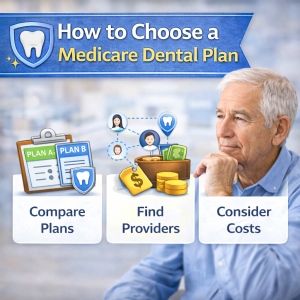
Coverage for Dental Implants for Seniors

Understanding Medicare coverage for dental implants can be confusing for seniors. Medicare itself does not usually cover dental care, so dental insurance becomes important.

This guide helps explore what dental insurance options exist specifically for implants. Considerations include costs, coverage, and how different plans can impact seniors’ finances.

We’ll explore what kind of dental services might be covered and help you compare plans that suit your needs. Learn how location and provider affect options. This information aims to simplify the choice and prepare you to navigate dental insurance options confidently.

Key Highlights

  • Medicare usually doesn’t cover dental implants; exploring insurance options is crucial.
  • Medicare Advantage plans often offer more comprehensive dental coverage than Original Medicare.
  • Dental PPO plans provide flexibility and broad provider networks for seniors.
  • Understanding waiting periods in insurance plans helps manage dental implant care timing.
  • Comparing Medicare Advantage and private plans is vital for finding suitable dental coverage.

Compare Dental Plans

Medicare Coverage for Dental Implants

Medicare is a vital part of healthcare for many seniors in the USA, but its coverage for dental implants is often misunderstood. While Original Medicare typically doesn’t cover dental care like implants, there are options through Medicare Advantage and other insurance plans.

Understanding the nuances of each plan can help you find the coverage that meets your needs. We’ll explore basic dental coverage, dental PPO plans, essential dental options, and how waiting periods affect eligibility.

Plus, learn about affordable solutions and finding the right dental providers to make dental implants a feasible option.

Inclusion of Basic Dental Coverage

Basic dental coverage under Original Medicare is quite limited, which means many seniors might not have their dental implant needs met. However, some plans are offered through Medicare Advantage or private insurance that include basic coverage for general dental care.

While routine procedures like check-ups and cleanings might be covered, major services such as dental implants typically require additional benefits under a specialized insurance plan. Seniors often consider plans that include preventive measures alongside coverage for more substantial dental treatment.

Exploring options under different insurance plans can help in finding coverage that addresses both immediate and long-term dental needs, ensuring that even basic dental demands are met.

Understanding Dental Insurance Plans

Diving into dental insurance plans can feel overwhelming, especially with the variety available to seniors. A general dental insurance plan usually covers preventive care such as cleanings and check-ups but may not always extend to dental implants.

When considering an insurance plan, look for those that offer coverage for major dental services. Many plans provide varying levels of dental benefits, so it’s essential to understand what is covered.

It’s also crucial to recognize any associated costs and limitations of each insurance plan. For seniors, understanding these nuances means confidently selecting a plan that aligns with personal dental needs.

Additionally, being aware of what is and isn’t covered helps in planning for any out-of-pocket expenses that might arise.

Understanding Dental Insurance Plans

Dental PPO Plans and Their Benefits

Dental PPO plans are popular among seniors due to their flexibility and network-based benefits. These insurance plans provide a wide range of options for dental coverage, allowing users to choose from a broad network of providers.

A significant advantage is the ability to see any dentist, although visiting in-network providers can reduce costs. PPO plans often include coverage for major services, making dental implants a possibility under the right conditions.

They may come with a waiting period, but their comprehensive nature means better access to both preventive and significant treatments. Seniors considering PPO plans should compare the networks and benefits to ensure dental coverage aligns with their healthcare needs and geographical location.


Plan TypeCoverage DetailsEligibility and Waiting PeriodProsCons
Original MedicareGenerally excludes dental services, including dental implants; focuses on medical coverageAvailable to seniors 65+; no waiting period for general Medicare, but does not cover dental implantsReliable for medical expenses; widely acceptedLimited dental coverage; dental implants not covered
Medicare AdvantageMay offer additional dental benefits, including coverage for major procedures like dental implants, depending on the planEligibility is similar to Original Medicare; waiting periods and specifics vary by planPotential for comprehensive dental coverage; combines medical and dental needsVaries greatly between providers; may require higher premiums
Dental PPOsCovers a significant portion of major dental procedures, including dental implantsVaries by provider; typically has waiting periods for major servicesFlexibility to choose dentists; broader coverage for dental proceduresMay involve higher out-of-pocket costs; requires separate enrollment


This table provides a succinct overview of the diverse coverage options available for dental implants under Medicare and other insurance plans, guiding seniors in their decision-making process regarding dental care.

Essential Dental Coverage Options

Essential dental coverage options address a variety of dental needs, from preventive care to more complex services. These plans are crafted to offer seniors a safety net beyond basic needs, often covering procedures that Original Medicare does not.

Coverage might include routine care, fillings, crowns, and even dentures, helping in the maintenance of oral health. For those considering dental implants, essential dental coverage options can cushion some of the financial burdens associated with major procedures.

Balancing immediate and future dental health requirements is crucial, so evaluating how individual coverage options stack up against personal needs is beneficial. By choosing comprehensive plans, seniors can ensure their dental health remains prioritized and well-managed.

Find & Compare Plans Online

Speak with a licensed insurance agent

1-855-425-2095TTY 711

Mon-Fri: 8am-9pm ET

Waiting Periods and Eligibility

Waiting periods are a common feature in many dental insurance plans, impacting when coverage begins for major services like dental implants. Understanding these waiting periods is crucial for seniors, as they can affect the timing of care.

Typically, there might be an initial period during which only emergency or basic procedures are covered. Eligibility for dental coverage, particularly for implants, could require existing coverage or meeting specific plan criteria.

While these waiting periods might seem like a hurdle, they often ensure that coverage is reserved for those who maintain their plan over time. Planning ahead and starting coverage early can help seniors gain the most from their dental benefits when they need them most.

Waiting Periods and Eligibility

Exploring Medicare Advantage Options

Medicare Advantage plans often provide broader dental benefits than Original Medicare, making them worth exploring for seniors in need of dental implants. These plans are offered by private insurance companies and may include dental coverage as part of their offerings.

While each plan varies, many include benefits that extend beyond basic care, potentially covering part of the costs associated with dental implants. By comparing different Medicare Advantage options, seniors can find a plan that fits their health needs and geographic location.

Understanding the scope and limits of these plans is key to knowing what dental services are covered and how much of the cost will be paid by insurance.

Affordable Solutions for Dental Implants

Finding affordable solutions for dental implants can be a challenge, but there are strategies that seniors can consider. Dental insurance plans that cover implants to some extent, along with CareCredit or other financing options, can make this achievable.

Seniors should explore AARP dental plans or other senior-specific options that offer partial coverage for implants. It’s essential to assess whether enrolling in a particular insurance plan will benefit overall dental care needs and if supplemental plans might offer additional aid.

The aim is to blend coverage with affordability, ensuring that dental health remains accessible without financial strain.

Finding the Right Dental Providers

Finding the right dental providers is as crucial as choosing the right coverage. Providers who understand senior dental needs and offer comprehensive services are vital.

It’s important to look for providers who are in-network with your insurance plan, as this can help minimize out-of-pocket expenses. Many dental PPO plans and Medicare Advantage plans have wide-ranging networks that include specialists in dental implants.

Seniors should consider visiting multiple providers to compare care approaches, ensuring that they find a provider who meets both their medical and financial requirements. Open communication about insurance benefits and costs with providers is essential to maximize your coverage effectively.

Finding the Right Dental Providers

Denture Coverage under Medicare

Though Medicare is limited in dental services coverage, dentures are sometimes partially included in certain plans like Medicare Advantage. Dentures fall under major services that can be covered with the right plan, helping seniors maintain oral function and quality of life.

Exploring options within Medicare Advantage or supplemental dental insurance can be key in finding the best coverage route. Many plans offer partial payment for dentures, though specific conditions and coverage limits apply.

Seniors should thoroughly compare plan details and costs related to the provision and maintenance of dentures, ensuring they make an informed choice according to their personal and financial needs.

Health Benefits and Services

Dental health contributes significantly to overall health, especially in seniors. Comprehensive dental services that cover preventive and major treatments not only preserve dental health but also impact overall well-being.

Ensuring dental care includes benefits like regular check-ups can prevent larger health issues from developing. Engaging with plans that include dental coverage ensures ongoing access to essential services.

Dental implants, albeit costly, provide significant long-term health advantages, ranging from better nutrition due to improved digestion to increased confidence in social settings. Seniors should consider plans that balance the need for dental and general health benefits, ultimately enhancing their quality of life.

To further explore how dental health can fit into a broader health strategy, consider the following aspects:

  • Regular dental check-ups reduce the risk of developing more serious health issues.
  • Dental implants improve chewing efficiency, aiding proper digestion and nutrition.
  • Access to comprehensive dental plans supports overall health and wellness.
  • Preventive care minimizes the need for extensive dental procedures.
  • Prioritizing dental health enhances social confidence through improved appearance.
  • Effective dental strategies contribute to balanced health and reduced healthcare costs.
  • Seniors benefit greatly from plans integrating dental and general wellness benefits.


Choosing the right dental strategy helps seniors maintain their health and confidence efficiently.

Finding the right dental insurance plan for implants can make a difference in managing costs and coverage. It’s important to understand how Medicare connects with dental insurance and the options available.

Please enter your ZIP code on our website to start exploring plans. This will help you compare coverage and find a policy that’s suitable for your needs.

The perfect plan may vary depending on location and provider, so taking the time to research can enhance your confidence in choosing dental insurance that fits your situation.

Compare Dental Plans

Frequently Asked Questions

Does Medicare cover dental implants?

Original Medicare typically does not cover dental implants. However, some Medicare Advantage plans may offer a broader range of dental coverage that might include implants.

What are Medicare Advantage plans, and how do they help with dental coverage?

Medicare Advantage plans are offered by private insurance companies and often provide more comprehensive dental coverage compared to Original Medicare. They may cover routine care and potentially some costs of dental implants, depending on the plan.

What are Dental PPO plans, and what do they offer for implant coverage?

Dental PPO plans offer flexibility with a broad network of providers, allowing out-of-network visits but at potentially higher costs. They often cover major services, which might include dental implants under specific conditions.

Why are waiting periods important in dental insurance plans?

Waiting periods determine when coverage for major services like dental implants begins. Understanding these helps in planning treatment schedules and managing costs effectively.

How can I find the right dental insurance plan for my needs?

Consider factors such as your location, the type of dental services you need, and the coverage offered by different plans. Visit Dentalinsuranceforsenior.org to compare options and explore what fits best with your circumstances.

Have Questions?

Speak with a licensed insurance agent

1-855-425-2095

TTY users 711

Mon-Fri: 8am-9pm ET

Find & Compare Plans Online

Speak with a licensed insurance agent

1-855-425-2095TTY 711

Mon-Fri: 8am-9pm ET

ZRN Health & Financial Services, LLC, a Texas limited liability company