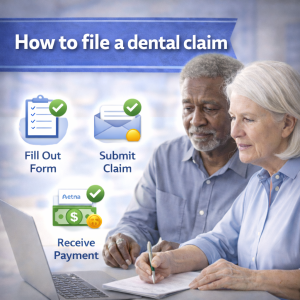
Common Reasons for Claim Denial

Understanding why dental insurance claims are sometimes denied can help you better manage your coverage and expenses. Common reasons may include missing information, treatment that is not covered by the plan, or issues related to waiting periods.

Knowing the potential reasons and how to address them can prevent future denials and save time. This guide will explore frequent reasons for claim denials and offer practical solutions to improve your experience.

If you’re ready to find out more about dental insurance options in your area, simply enter your ZIP code on the website for a personalized search.

Key Highlights

  • Understanding claim denials helps manage dental insurance coverage and expenses efficiently.
  • Common denial reasons include incorrect claims, coverage limits, and pre-existing conditions.
  • Prior authorization ensures necessary services align with insurance coverage policies.
  • Medical necessity establishes eligibility for claim approval, avoiding unnecessary denials.
  • Explore dental insurance options locally by entering your ZIP code on the website.

Compare Dental Plans

Understanding Dental Insurance Claim Denials

Dental insurance claim denials can be frustrating but understanding why they happen helps reduce worry. Knowing the common reasons for claim denial empowers you, providing a clearer perspective on dental insurance processes and enabling you to take informed steps.

In this section, we’ll explore the most common reasons behind claim denials. This understanding aims to guide adults in uncovering potential oversights or errors so they can address these issues quickly, ensuring smoother future interactions with insurance providers.

Common Reasons for Denied Claims

Understanding why your dental insurance claim might be denied starts with recognizing various common reasons. Incorrect or duplicate claims frequently top the list.

Mistakes in filling forms, such as wrong dental codes or mismatches in procedural descriptions, can easily lead to a denial. Furthermore, submitting a claim for the same service more than once without proper justification considerably increases rejection chances.

Always double-check your claim forms for errors before submission. Cross-checking details with your dentist’s office can also prevent these costly mistakes, ensuring that all information aligns with the insurance company’s requirements.

Another prevalent factor is coverage limitations. Dental insurance plans often have specific limits regarding how frequently particular treatments are covered.

For instance, some insurers might cover a professional cleaning only twice a year. If you try to claim more than the policy allows, you’ll likely face a denied claim.

Understanding the fine print of your insurance plan, including coverage limits and exclusions, before scheduling treatment can help avoid such situations. As daunting as it might seem, going through your policy documents assists in aligning your dental care needs with covered services, promoting effective usage of your benefits.

Moreover, denials can arise from pre-existing conditions. Certain dental treatments might not be covered due to conditions you had before enrolling in the plan.

Insurance companies use these exclusions to manage costs, so it’s crucial to be aware of them when obtaining insurance. Discussing your dental history with your provider can also highlight which treatments may face claim denial, allowing you to plan accordingly or explore alternative coverage options.

Communication glitches between the dentist’s office and the insurance company also result in denials. Sometimes, insurers may not receive verification of treatment necessity or other required documentation in a timely.

Ensuring prompt and complete transfer of all necessary forms and documents between your dentist and insurer can thus prevent many issues. Regular follow-ups post-claim submission help confirm that everything is in order.

Lastly, financial aspects play a role. If you haven’t paid your premiums on time, your insurance policy might be inactive when you file a claim, leading to automatic denials.

Keeping track of payments and noticing lapses ensures your coverage remains uninterrupted. Educating yourself about these different reasons for insurance claim denial equips you to make savvy decisions and encourages smoother processing the next time you file a claim.

Understanding Dental Insurance Claim Denials

How Pre-existing Conditions Affect Your Dental Coverage

Understanding how pre-existing conditions impact dental coverage is crucial for maintaining effective insurance. These conditions, which existed before the start of your policy, can significantly affect claim acceptance.

Often, insurers set specific requirements or even exclude services related to pre-existing conditions to manage costs. This section delves into why it’s important to discuss your health history with your insurer and how to ensure you’re aware of all exclusions.

Proper knowledge helps patients navigate their health insurance more efficiently and avoid unexpected surprises in dental coverage.

Avoid Surprises with Pre-existing Conditions

Pre-existing conditions can complicate your relationship with health insurance, especially within dental plans. These conditions refer to any health issue or concern that existed before your current coverage began.

Insurers often scrutinize these closely, as covering ongoing issues can entail higher costs, influencing their patient eligibility requirements. This scrutiny can result in certain procedures or services being entirely excluded from coverage or having extra hoops to jump through before approval.

For example, if an individual had severe gum disease before, insurers might not cover related treatments under basic plans, labeling them as related to pre-existing conditions.

To avoid surprises, a thorough understanding of your health history’s interaction with your insurance is essential. Individuals should review their policy documents carefully, taking note of any exclusions or additional requirements related to pre-existing conditions.

Often, insurers provide clear outlines on what’s impacted to help patients gauge what’s covered. Consulting with your insurance provider directly can clarify these issues, ensuring that you fully comprehend how your specific conditions might affect available health services.

This proactive approach helps to manage patient expectations and ensures that health remains a priority without financial shock.

Another vital step is having open discussions with healthcare providers about your pre-existing conditions when enrolling in a new plan. Dentists can offer insights into how specific treatments may or may not meet insurance requirements, preventing future claim denials.

Being proactive in these discussions also aids in identifying alternative treatment paths that align better with your current coverage.

For instance, if dental implants for missing teeth aren’t covered due to pre-existing conditions, understanding the options can lead you to seek other solutions, like dentures or partials, that might be covered at different levels by your health insurance.

Reviewing and understanding policy exclusions related to health can also prepare patients for potential out-of-pocket expenses, enhancing financial planning. Those expecting to undergo particular treatments should ensure these conversations happen before committing to any procedures.

While this process might feel cumbersome, being well-informed positions you to make the best use of your insurance. This attentiveness not only mitigates unexpected financial burdens but also empowers patients to take proactive steps in their health management journey, securing more comprehensive dental care under their current insurance plan.


Aspect of CoverageImpactRecommended ActionsPotential Solutions
Waiting PeriodsPossible delay in coverage for pre-existing conditionsReview policy waiting periods and plan accordinglyConsider immediate out-of-pocket payment for urgent care
Policy LimitationsRestrictions on treatment options and reimbursementClarify limitations with insurer; seek clarificationExplore flexible payment plans or dental discount plans
Pre-existing Condition ClausesExclusions or partial coverage leading to higher costsUnderstand exclusions fully; seek supplementary coverageDiscuss alternative treatment plans with your dentist
Coverage DenialsPotential refusal of claims related to pre-existing issuesFile appeals if necessary and keep accurate records of all communicationsNegotiate treatment costs directly with dental providers
Annual MaximumsLimits on claimable amounts affecting extensive treatmentsPlan treatments within limits or stagger over policy yearsSeek additional coverage or negotiate costs with providers


This table succinctly encapsulates the challenges and appropriate measures regarding pre-existing conditions in dental coverage, promoting informed planning and decision-making.

The Importance of Prior Authorization

Prior authorization serves as a crucial checkpoint in the healthcare process. It’s a measure insurance companies use to control costs and ensure the necessity of services before they’re provided.

By requiring this step, insurers aim to verify that a proposed treatment or service aligns with their coverage policies. This process can help mitigate unnecessary expenses and prevent possible claim denials.

Delving into why prior authorization is sometimes necessary will help you navigate the complexities of healthcare insurance and reduce the likelihood of encountering issues with claim submissions.

Why Prior Authorization May Be Necessary

Understanding why prior authorization is necessary can clarify its role in healthcare and insurance procedures. Essentially, prior authorization is a mechanism used by insurance companies to pre-approve certain medical services or treatments before they are carried out.

This process ensures that the services are medically necessary and align with the patient’s existing insurance plan provisions.

One reason for this requirement is the financial protection it offers both the insurer and the patient, ensuring that the plan covers the service and avoids out-of-pocket expenses that could arise from claim denials.

The necessity for prior authorization often arises with treatments that are costly, new, or not commonly used. For example, if a dental treatment involves advanced technology or specialized materials, the insurance provider might want to conduct a medical review to determine if it’s essential for the patient’s health.

This oversight helps control healthcare service costs and prevents unnecessary spending. It also gives the insurance company a chance to confirm that the treatment pertains directly to a patient’s health needs, rather than personal preference, which eases the process for everyone involved.

Another critical reason for prior authorization is to prevent misuse of insurance benefits. Without this step, there could be a misuse of costly treatment services by healthcare providers, potentially ballooning costs and affecting premium rates.

By requiring prior authorization, insurance companies ensure healthcare providers adhere to best practices and that the services rendered genuinely necessitate insurance support. These control measures align with a broader goal of maintaining affordable insurance premiums while still providing quality healthcare service coverage.

For patients, understanding and complying with prior authorization requirements can save both time and money. Engaging in discussions with healthcare providers about necessary authorizations before undergoing treatment can avert unexpected hurdles in claim submissions.

It’s beneficial to ask whether a planned service call requires prior authorization and ensure all the necessary paperwork is ready and submitted well in advance. Knowing this requirement and proactively managing its process provides smoother claim approval and enhances financial planning.

In summary, prior authorization acts as a safeguard within the insurance process, making sure that healthcare services are necessary and covered under the given policy terms. It’s a proactive approach that upholds the integrity of health insurance systems, preventing unwarranted financial loss and ensuring services remain within coverage limits.

Familiarity with this process can empower you to navigate your insurance with confidence, preventing potential claim denials and easing healthcare service access. Do remember to verify this information with your insurer for tailored guidance based on specific policy terms.

The Importance of Prior Authorization

Medical Necessity and Its Role in Claim Approval

Medical necessity is a cornerstone of health insurance claims, playing a critical role in approving or denying coverage for services. Understanding what constitutes medical necessity and how insurers evaluate it can help prevent claims from being denied.

Proper knowledge empowers patients to align their healthcare needs with insurance requirements while planning treatments.

By comprehending the factors influencing medical review, including statutorily excluded services and assessing codes based on necessity, patients and healthcare providers can work towards seamless claim submissions, ensuring healthcare needs are met efficiently.

What Qualifies as Medical Necessity?

Medical necessity forms the backbone of any successful health insurance claim. It’s a term that revolves around whether a service or treatment is essential for a patient’s health and well-being.

Healthcare insurers often determine this necessity through thorough medical reviews that evaluate whether the proposed service aligns with established treatment standards. For a claim to be approved, services rendered must meet strict requirements proving that they are not only beneficial but critically necessary.

They should address a medical condition in a way that is substantiated through clinical evidence or widely accepted healthcare practices.

A medical review typically scrutinizes the service under consideration to ensure it’s neither elective nor experimental but critical to the patient’s health. Insurance providers employ specific codes representing procedures in claims, ensuring the service satisfies predetermined statutorily excluded regulations and does not fall into non-essential or decorative categories.

For example, in dental coverage, procedures like routine check-ups or fillings generally qualify as medically necessary due to their preventive nature and essential role in maintaining oral health. However, more elective treatments, like certain cosmetic procedures, might not meet this threshold, impacting claim outcomes.

To advocate effectively for a service to qualify under medical necessity, patients and providers should engage in proactive communication with insurance companies. This involves providing detailed documentation that supports the clinical foundation of the requested treatment.

It’s beneficial for patients to understand these health insurance requirements and be prepared to supply necessary medical records or a detailed account of the patient’s condition. Properly coded submissions aligned with the insurer’s policy can significantly enhance the likelihood of claim approval and diminish the risk of denial.

Moreover, it’s crucial for patients to note that certain services, despite being important for overall health, might still be statutorily excluded due to policy limitations. This exclusion means insurance won’t cover them, regardless of their necessity.

Thus, a thorough understanding of what each health insurance plan covers versus what might be deemed elective or non-essential is essential for patients to align their expectations and plan treatments conveniently. Knowing these criteria upfront can help avoid unexpected denials and promote a cohesive healthcare journey.

Patients would benefit from a candid discussion with their healthcare providers, who can offer insights into whether a proposed course of action meets the required medical necessity standards insofar as health insurance is concerned.

By staying informed about these nuances and maintaining open communication with insurers, individuals are better positioned to navigate the complexities of healthcare services, ensuring their needs are adequately met without disrupting financial plans or health outcomes.

For specifics on coverage and medical necessity in your area, consider entering your ZIP code on our website to explore local dental insurance options tailored to those needs.

Policy Cancellations: What You Need to Know

Facing a canceled policy can be unsettling, especially when it impacts your healthcare access. Understanding the reasons behind policy cancellations is crucial to navigating the world of health insurance with confidence.

Whether your policy was denied due to missed payments, misinformation, or allegations of fraud, it’s important to know how to address these issues. This section will cover prevalent reasons for policy cancellations and offer guidance on preventing them.

By equipping yourself with knowledge, you can better secure your insurance coverage and avoid unexpected disruptions to your healthcare.

Policy Cancellations: What You Need to Know

When your policy gets canceled, it often leaves you with more questions than answers. Surprisingly, the reasons behind a canceled insurance policy can often be straightforward.

A common reason is non-payment of premiums. Health insurance policies mandate regular premium payments, and missing these can result in cancellation. Insurers typically provide a grace period to cover missed payments before officially canceling the policy, so pay attention to your billing cycle.

Checking your mail or email notifications from the insurance company can also ensure you’re not caught off guard by lapses.

Another frequent cause for policy cancellations stems from misinformation on your application. Errors in personal information or inaccuracies in your health history can lead to policies being voided.

Insurers rely on the accuracy of this information to assess risk appropriately. Therefore, you should regularly update your insurance provider with any changes to your personal circumstances, such as marital status or address, to avoid issues.

When applying for health insurance, double-checking all provided details is prudent to prevent any chance of your policy being denied or canceled.

Sometimes, more serious concerns like allegations of fraud can lead to a canceled policy. If your insurer suspects fraudulent claims or information, they may terminate your coverage while conducting an investigation.

Fraudulent activities might include falsifying documents, misrepresenting information, or knowingly submitting inflated claims. These actions not only risk insurance denial but may also carry legal consequences.

It’s essential to maintain transparency with your insurance company throughout your coverage period to prevent what can turn into a lengthy and costly issue.

In navigating these challenges, proactive communication with your insurer is key. Always inform them of any misunderstandings or discrepancies you might notice in your account details.

Many health insurance companies offer dedicated helplines for such concerns, available to clarify any doubts and guide you through the solutions. Understanding policy cancellation rules in advance can help prevent inconveniences in healthcare access, easing the pressure of sudden cancellations.

If you suspect or have encountered a cancellation, contact your insurer promptly to discuss possible reinstatement options and requirements.

By understanding these common causes and maintaining open lines of communication, you can better protect yourself against unexpected cancellations. Remember, your health insurance is a partnership between you and your provider, and staying informed strengthens this relationship.

Keep these insights in mind to safeguard your access to essential healthcare services and maintain your peace of mind.

For more detailed information regarding your specific health insurance terms and policy status, consider reaching out directly to your provider or entering your ZIP code on our website to explore regional options that cater to your health insurance needs.

Find & Compare Plans Online

Speak with a licensed insurance agent

1-855-425-2095TTY 711

Mon-Fri: 8am-9pm ET

Ensuring Accurate Claims Submission

Submitting a dental insurance claim accurately is critical for minimizing the risk of denials. By understanding the requirements and meticulous process involved in claim filing, you can prevent common mistakes that lead to claim rejections.

This section provides key tips and tricks for avoiding errors in claims, focusing on the necessary documentation and requirements for accurate claims submission. Learning these strategies helps ensure a smoother process, ultimately saving you time and reducing stress associated with insurance claims.

Key Tips for Avoiding Errors in Claims

Accuracy in claim submissions is crucial in the complex world of health insurance, where errors can lead to delays, rejections, and lost coverage. To ensure your claim isn’t affected by preventable mistakes, start by thoroughly reviewing the filing requirements specific to your insurance plan.

Accurate claims begin with meticulous attention to service codes and patient information, which must align with insurance documentation requirements. Coordination with your healthcare provider helps ensure that the services claimed match both the insurance terms and what was actually performed during your dental visit.

Double-checking documentation ahead of submission can significantly lower the risk of errors. Cross-reference the patient information with your records to confirm that everything, from policy numbers to service dates, is correctly recorded.

Reviewing your healthcare provider’s documentation is equally important, ensuring that all required information, such as procedural details and service dates, is provided. Collaborating with your dentist’s office for an accurate claims package can prevent missing or inaccurate entries that often lead to denial.

Another essential tip is being mindful of duplicate claim submissions. Submitting multiple claims for the same service can inadvertently happen if records aren’t properly organized.

Keeping a comprehensive account of previously filed claims helps avoid unnecessary filing, which could result in a denial or being flagged as potential fraud by the insurance company. Employing a straightforward tracking system will keep your submissions orderly and efficient, demonstrating a pattern of organized and compliant filing.

It’s also crucial to stay updated on changes in health insurance policies or procedures, which might affect how claims are processed. Regularly review updates or notices from your insurance provider regarding claim submission guidelines.

Knowing what changes may have occurred helps ensure you correctly fulfill new requirements, which might include new documentation practices or filing procedures, impacting how your accurate claims are evaluated.

Finally, do maintain open communication with your insurance provider. When questions arise or uncertainties about filing requirements occur, reaching out to your insurer or utilizing customer service resources is advisable.

Many insurers offer designated representatives who specialize in claim filing and can offer clarification on specific issues within the claims process. Such proactive measures significantly contribute to avoiding errors, ensuring your healthcare needs are smoothly met through efficient claim practices.

Ensuring Accurate Claims Submission

Steps to Take When a Healthcare Claim Is Denied

When faced with a denied healthcare claim, it can be understandably frustrating and stressful. However, taking informed and strategic steps can often turn things around.

It’s crucial to first comprehend the reasons behind the denial, scrutinize any remark code provided, and then decide whether to appeal. Consider verifying whether all filing requirements were met and gathering all necessary documentation to support your case.

By approaching the situation calmly and systematically, you can often resolve the issue and ensure your insurance needs are met effectively and efficiently.

Understanding the Denials and How to Appeal

Understanding why your healthcare claim was denied is the first step toward resolution. A clear grasp of the denial reasons assists in crafting a focused response.

Insurance companies usually accompany denial notifications with a remark code, a concise explanation detailing why the claim wasn’t approved. Remark codes can indicate incomplete documentation, services deemed unnecessary according to your policy, or errors in submission.

Familiarity with these codes will guide you in determining whether an appeal is warranted. If you’re unsure of the codes’ meanings, consult your insurance provider for clarity on the reasons behind your denied claim.

Once you’ve decoded the denial, the next step involves gathering comprehensive documentation to support your case. This includes the original claim, your insurance policy details, and any additional records that bolster the necessity of the services provided.

It’s beneficial to work closely with your healthcare provider to assemble pertinent medical records, treatment plans, and professional opinions that substantiate the necessity of the services rendered. Ensuring your documentation aligns with insurance protocols can significantly strengthen your appeal.

An effective appeal requires adherence to the stipulated timeframe, often defined as a certain number of days post-denial. Insurance companies outline specific time limits during which appeals can be submitted, so being aware of these deadlines is critical.

Submitting an appeal outside of these bounds often results in automatic rejection, regardless of merit. Aim to file your appeal well within the available window, providing adequate time for the review process, which also conveys your proactive commitment to resolving the health insurance issue.

When crafting your appeal letter, maintain a factual and respectful tone. Clearly state why you believe the denial was erroneous, referencing your policy terms and providing evidence that supports your claim’s alignment with these terms.

Be sure to address the points raised in the remark code, using your gathered documentation as proof. A well-structured appeal letter along with meticulous records can significantly improve the likelihood of reversing a denied claim.

Lastly, after submitting your appeal, stay engaged with your insurance provider. Follow up regularly to track the progress, ensuring your appeal is reviewed promptly.

Communication channels like email or customer support lines are vital for clarifying doubts or acquiring further information regarding the appeal status.

Remember, understanding and navigating the appeal process can initially seem daunting, but with systematic effort and comprehensive preparation, many denied claims can be successfully overturned.

For those keen to explore health insurance options customized to their location, consider entering your ZIP code on our website, offering insights tailored to your needs.

Financial Responsibility: The You Didn't Pay Scenario

One common reason your dental insurance claim may be denied is financial responsibility, simply put as the “You Didn’t Pay” scenario. Unpaid bills can inadvertently lead to a lapse in your coverage, directly impacting your ability to have claims approved.

Regular payment of premiums is crucial to keeping your policy active and ready to cover dental services. Understanding how these payments relate to your insurance involvement can save frustration and ensure smoother healthcare access.

Let’s delve into the specifics of how unpaid bills affect your insurance and, subsequently, your claim status.

How Unpaid Bills Can Affect Your Insurance

Unpaid bills pose a significant challenge to maintaining active health insurance coverage. When premiums remain unpaid, your insurance policy may lapse, leading to automatic claim denials.

It’s critical to understand that insurance policies operate as financial agreements requiring timely payments from the insured, ensuring coverage remains uninterrupted for needed services. Failing to adhere to these financial commitments can not only result in claim denials but also in policy cancellations, posing further obstacles to accessing healthcare services.

A lapse in coverage due to unpaid bills often means any submitted claim during this period is automatically denied. Insurance companies mandate that your policy be active at the time of service to consider a claim.

If your premiums aren’t up-to-date, even the most minor oversight can lead to a denial. This issue illustrates the importance of meticulously managing your insurance premium payments, marking them as a priority in your financial planning.

Keeping on top of these payments supports continuous coverage, thus safeguarding against potential denial risks attributed to inactive policies.

Unpaid bills not only affect the insured directly but also involve broader implications for healthcare providers. When a claim is denied due to inactivity, healthcare providers remain unpaid for their service rendered, potentially leading to further difficulties in the patient-provider relationship.

It may result in the patient being billed directly for services that would have otherwise been covered. Thus, maintaining timely payments reinforces trust and financial confidence between patients and healthcare workers, ensuring seamless service without unexpected financial burdens.

Addressing the requirements of an active insurance policy involves understanding your financial responsibility as a patient. Tracking payment schedules and ensuring premium dues are met ahead of deadlines mitigates the risk of coverage lapses.

If a missed payment occurs, quickly rectifying it within the grace period offered by most insurers can prevent cancellations. Communicating with your insurer proactively if payment challenges arise can provide alternate solutions, such as adjusting payment plans to ease financial stress.

Finally, it’s essential to keep your health insurance provider updated with any changes to your financial situation. Informing them of employment status or income variations helps adjust your premium agreements or eligibility for financial assistance programs.

Being transparent with your health insurer fosters a collaborative approach to maintaining coverage, ensuring you meet the insurance service requirements effectively. This proactive mindset not only prevents costly claim denials but also contributes to a sustainable healthcare journey.

Continue enhancing your understanding of how to effectively manage your health insurance responsibilities with these practical tips:

  • Schedule reminders for premium due dates to prevent missing payments.
  • Contact your insurer immediately if you foresee difficulty in making a payment.
  • Utilize automatic payment options to ensure ongoing coverage.
  • Review your insurance policy regularly to stay informed about active requirements.
  • Explore alternate payment plans if financial hardship arises.
  • Document all communications with your insurance company for future reference.


By integrating these strategies, you can maintain an active health insurance policy and avoid potential coverage interruptions.

Financial Responsibility: The You Didn't Pay Scenario

The Impact of Missing Documentation on Claims

Missing documentation can lead to significant challenges in dental insurance claims. Proper filing ensures a seamless process and helps avoid delays or denials due to incomplete paperwork.

By understanding how documentation affects claims, you can better navigate your insurance and avoid common pitfalls. This section will delve into practical strategies for preventing issues related to incomplete paperwork, ensuring that your healthcare needs are met without unnecessary stress.

Prevent Delays with Complete Paperwork

Ensuring that all your insurance paperwork is complete and accurate is crucial in avoiding delays and denials. Insurance companies have specific filing requirements, and failing to meet these can lead to issues.

Thoroughly understanding these documentation requirements is the first step. Make a checklist of the necessary documents, including policy details, service codes, and any specific insurance forms, before filing a claim.

Consistently referencing this list helps maintain order and avoid missing information, ensuring smoother interactions with your health insurance provider.

One key to preventing delays is starting with clear and comprehensive preparation. Before visiting your healthcare provider, verify the necessary documentation for your insurance plan.

Discuss with your provider any specific codes or paperwork they must complete to align with insurance filing protocols. Often, healthcare providers have standard procedures for filing insurance claims, which they can share to simplify this process.

Being well-prepared means gathering all relevant medical records, invoices, and treatment plans, which substantiate the healthcare service provided.

Regular communication with both your healthcare provider and insurance company can prevent potential issues from arising. Contacting insurers in advance to confirm requirements reflects a proactive approach.

They can provide guidance on necessary documents and clarify procedural ambiguities, preventing incomplete submissions. Furthermore, establishing a good rapport with your provider encourages proactive involvement in gathering correct and complete information, reducing the chances of claim denial due to poor filing practices.

Additionally, it’s essential to double-check each piece of documentation before submission. Ensure your name, policy number, dates of service, and other critical details match your insurance records.

Mistakes, even minor ones, like mismatches in service dates or incorrect policy numbers, can lead to denial. A meticulous review helps catch potential errors and ensures you’ve met all insurance filing requirements, enhancing the efficiency of your claims process.

By staying organized and informed about the necessary documentation, you can prevent delays in your healthcare claims. Understanding the specific requirements of your dental insurance plan and maintaining open lines of communication with your provider will enable you to meet these conditions effectively.

Taking these steps aids in achieving a stress-free insurance experience, allowing you to focus on your health needs without unnecessary administrative burdens. To explore dental insurance options tailored to your region, consider entering your ZIP code on our website.

Finding Dental Insurance Plans Tailored to Your Needs

Finding the right dental insurance plan can make all the difference in accessing cost-effective and comprehensive care. It’s essential to tailor these plans to fit your specific needs, whether you require regular preventive services or more extensive treatments like dentures and implants.

By entering your ZIP code, you can explore insurance options in your area that suit your unique circumstances, ensuring that your healthcare needs are met effectively. Each region offers different plan benefits and costs, so this tailored search helps find coverage that’s just right for you.

Explore Options by Entering Your ZIP Code

Exploring dental insurance options by entering your ZIP code is a strategic way to uncover plans that best fit your healthcare needs. This approach allows you to access a wealth of information specific to your local area, reflecting distinct plan details and services available to you.

Typing in your ZIP code presents you with tailored health insurance options, thereby saving time and providing quick insights into what’s available under the different insurance providers. By focusing on local results, you get a clearer picture of emblematic healthcare offerings, enhancing your ability to make informed decisions concerning dental coverage.

Regional insurance plans often vary significantly in terms of benefits, costs, and coverage details. What’s accessible in one state may be entirely different in another. Entering your ZIP code filters through these disparities, ensuring you receive only the most relevant health insurance options.

Health insurance in particular, is often highly dependent on geographic variation, affecting both the cost and the range of permissible services. Thus, leveraging this tool can assist in aligning your needs with suitable plans, whether they focus on preventive services or more comprehensive care like treatments for pre-existing conditions.

It’s important not just in terms of service matching but also for understanding potential claim implications. Certain claims or healthcare services might be more readily covered under plans specific to your area compared to others.

By customizing your insurance search through your ZIP code, you effectively reduce potential claim issues, as insurers within your region may have clear guidelines or experience managing local patient health needs. Utilizing this localized search aids in covering the services you anticipate needing, diminishing unexpected costs or claim denials down the line.

For seniors, this approach becomes even more critical. As healthcare needs intensify or become more specific, knowing exactly what the insurance benefits are is vital in avoiding unnecessary expenses.

Plans tailored to a ZIP code can mirror the demographic needs, providing solutions on how broader healthcare network services, such as patient coordination or insurance-driven healthcare options, might come into effect.

This focus allows seniors to navigate the complexities of health insurance with more confidence, ultimately paving the way for smoother claim processes and service acquisitions.

By proactively using your ZIP code to examine insurance options, you build a set pathway to uncover targeted details about potential insurance coverage. Whether you’re concerned with policy cancellations, claim limits, waiting periods, or overall cost management, this tactic enhances your access to key data, potentially making each dental and healthcare interaction more successful.

Invite our readers to enter their ZIP code on our website to reveal available dental insurance options tailored uniquely to their location. Remember, understanding and accessing insurance locally ensures your needs are met optimally, and outcomes are informed by comprehensive knowledge of available healthcare plans.

Understanding why dental insurance claims get denied can prevent future issues. By reviewing policy details and filing claims accurately, you can address and resolve possible denials.

Being informed about common reasons for denial and how solutions may differ helps manage expectations. Remember, each dental insurance plan varies.

If you’re unclear about any details, check with your insurance provider directly. Exploring your plan options using your ZIP code on our site can also guide you in making informed decisions that match your dental and budget needs.

Costs and coverage may vary based on location.

Compare Dental Plans

Frequently Asked Questions

Why are dental insurance claims commonly denied?

Dental insurance claims are often denied due to reasons like missing documentation, incorrect claims, coverage limitations, or treatments outside the policy’s scope. Ensuring all documents are complete and claims are correctly filed can decrease the chances of denial.

How can you avoid dental insurance claim denials?

Avoid denials by double-checking your claims for errors, ensuring documentation is complete, and verifying that your policy covers the treatment. Communicate proactively with your insurance provider and healthcare provider to align your submissions with policy requirements.

What should you do if your dental insurance claim is denied?

First, review the denial notice for specific reasons and any remark codes provided. Gather all necessary documentation, check for errors, and reach out to your insurance provider for clarification.

If eligible, consider filing an appeal with a detailed explanation and supporting documents.

How do coverage limits affect dental insurance claims?

Coverage limits cap the number of times certain treatments can be claimed within a policy term. Exceeding these limits can result in a denied claim. Understanding these limits in your policy helps manage expectations and avoid out-of-pocket costs.

How can entering your ZIP code help find the right dental insurance?

Entering your ZIP code allows you to explore dental insurance plans specific to your area. This helps in identifying options that best fit local coverage needs and costs, ensuring more tailored and relevant insurance choices.

Have Questions?

Speak with a licensed insurance agent

1-855-425-2095

TTY users 711

Mon-Fri: 8am-9pm ET

Find & Compare Plans Online

Speak with a licensed insurance agent

1-855-425-2095TTY 711

Mon-Fri: 8am-9pm ET

ZRN Health & Financial Services, LLC, a Texas limited liability company