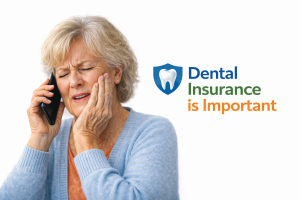
Can You Add Dental Coverage to Medicare?

Understanding whether you can add dental coverage to Medicare can be helpful as you explore your health care options. Medicare typically does not include dental services, which means those on Medicare often seek alternative plans.

Discover how Medicare works alongside separate dental insurance and learn how different types of coverage can suit your unique needs. It’s important to know where dental benefits fit within Medicare plans so you can make informed decisions about your care.

This guide will help simplify how dental coverage may be integrated or supplemented with Medicare.

Key Highlights

  • Medicare typically doesn’t include dental services, prompting seniors to explore alternative coverage options.
  • Original Medicare lacks routine dental coverage, necessitating separate plans for comprehensive care.
  • Medicare Advantage plans offer integrated dental benefits, differing from Original Medicare’s offerings.
  • Standalone dental plans provide flexibility, allowing the choice of any dentist without network restrictions.
  • Exploring local plans by entering a ZIP code can reveal dental insurance options tailored to individual needs.

Compare Dental Plans

Understanding Medicare and Dental Coverage

Medicare, the federal health insurance program, primarily caters to those aged 65 and older, offering essential coverage across various healthcare needs.

While Medicare provides substantial healthcare benefits, understanding its limitations, especially concerning dental care, is crucial for seniors aiming for comprehensive health coverage.

This section delves into what Medicare includes and its stance on dental care, emphasizing the need for informed choices as dental services become increasingly significant for maintaining overall health and well-being in older adults.

What Does Medicare Include?

Medicare, divided into several parts, aims to cover a wide range of healthcare services. Original Medicare comprises Part A, which generally covers hospital-related services, and Part B, which addresses outpatient care, some preventative services, and necessary medical supplies.

However, as expansive as it seems, Original Medicare doesn’t cover most dental care needs, leaving gaps in routine coverage that seniors might require for optimal dental health. Understanding the standard Medicare limitations is crucial for seniors exploring comprehensive care, as routine dental coverage is not part of standard Medicare offerings.

While Medicare Part A and Part B can handle many essential medical needs, routine dental services such as cleanings, fillings, or extractions aren’t covered under their umbrella. This lack of coverage for dental services means seniors need to plan effectively if they want to maintain oral health as they age.

Although Medicare does offer some provisions for specific healthcare treatments, it’s important to note that typical dental services do not qualify, leaving seniors to seek alternatives for their dental care needs.

For any dental services that could potentially fall under medical care, it’s advisable to consult medicare.gov or your healthcare provider for precise information on what’s covered, avoiding any unexpected costs.

Does Medicare Cover Dental Care?

When it comes to dental care, Original Medicare’s coverage leaves much to be desired. Standard Medicare does not include routine dental coverage, meaning preventive services like check-ups, cleanings, and most common procedures are not covered under Medicare’s usual offerings.

This often comes as a surprise to many seniors who may assume their Medicare membership would extend to all aspects of health, including dental. While there are exceptions, such as dental work required prior to a medically necessary procedure (for example, certain surgeries), these cases are rare and often still demand out-of-pocket costs or supplementary insurance coverage.

This gap in coverage poses a significant challenge for many Medicare members, as the costs for regular dental care or unforeseen dental treatment can add up, straining budgets and potentially compromising health if care is delayed. To bridge this gap, some explore separate dental insurance options or Medicare Advantage plans, which we will discuss later.

For those relying solely on Medicare, it is crucial to understand the exclusions to avoid surprises and to seek additional dental insurance if routine dental care is a priority. Understanding each facet of what Medicare offers about dental care ensures seniors can plan accordingly, making informed decisions on whether to invest in additional coverage or supplements to their existing plans.

As such, always confirm with healthcare professionals or through official medicare.gov resources as you navigate these choices, ensuring clarity and specificity to your situation.


Medicare PartCoverageExclusionsRecommendations
Medicare Part AHospital stays, skilled nursing facility careRoutine dental careConsider standalone dental plans or Medicare Advantage plans
Medicare Part BOutpatient care, preventive servicesMost dental procedures, cleanings, and examsExplore supplemental dental insurance
Medicare Part C (Advantage)Includes Part A & B, often extra benefitsVaries by plan; check specific dental servicesReview plan details for dental coverage options
Medicare Part DPrescription drug coverageDental treatmentsPair with a dental insurance plan if needed


This table provides a clear outline of Medicare’s healthcare coverage, emphasizing the necessity for additional plans to cover dental care needs.

Understanding Medicare and Dental Coverage

Exploring Medicare Advantage for Dental Benefits

Medicare Advantage plans offer seniors an opportunity to enhance their health coverage with the inclusion of dental benefits that Original Medicare typically lacks. While Medicare Advantage (Part C) plans can provide a range of services, understanding how they differ from Original Medicare and the benefits they offer is essential.

By exploring these plans, seniors can learn how dental coverage is integrated and the potential cost savings associated with it. This section will examine the differences between Original Medicare and Medicare Advantage and the benefits that come with adding dental coverage through these plans.

How Medicare Advantage Differs from Original Medicare

When considering healthcare options, it’s important to understand how Medicare Advantage plans differ from Original Medicare, particularly concerning dental insurance. Original Medicare, primarily focusing on hospital and outpatient care, doesn’t cover most dental care needs.

This leaves seniors in need of comprehensive dental services looking elsewhere. Medicare Advantage, also known as Part C, steps in to fill this gap by offering plans that often include additional benefits like dental coverage not typically offered in Original Medicare.

A key distinction lies in the structure and offerings of Medicare Advantage. While Original Medicare sections Part A and Part B cover hospital and outpatient services, Medicare Advantage plans combine these with additional benefits like dental, vision, and prescription drugs.

These plans are administered by private insurance companies, providing a bundled approach to healthcare services. This means that covered dental services, which might include preventative care such as cleanings and exams, are integrated into a single plan, simplifying the management of one’s health insurance.

Because Medicare Advantage plans are provided through private insurers, the range of dental coverage can vary significantly. Some plans might include basic dental care, while others offer comprehensive coverage, including dentures and crowns.

However, it’s crucial for seniors to carefully evaluate these plans based on their specific healthcare needs and budget. Unlike Original Medicare, Medicare Advantage plans may have network restrictions, requiring members to use specific healthcare providers to maximize benefits.

This necessitates thorough research to ensure one’s preferred dental care providers are included in the plan’s network.

Understanding these differences empowers seniors to make informed decisions about their healthcare. By opting for a Medicare Advantage plan, seniors can address the dental care gap left by Original Medicare, ensuring they maintain oral health without incurring high out-of-pocket costs.

For detailed service information, it’s advisable to consult resources like the medicare.gov website or speak with a licensed insurance provider to align the plan with one’s healthcare requirements effectively.

Benefits and Considerations of Choosing a Medicare Advantage Plan with Dental Coverage

  • Inclusion of preventative dental services, such as regular cleanings and exams, is integrated within plans.
  • Coverage options for more advanced dental procedures, including fillings, extractions, and crowns.
  • Flexibility in selecting plans that match individual dental health needs and financial considerations.
  • Importance of verifying dentist network inclusion to avoid unexpected out-of-pocket costs.
  • The convenience of handling minor medical, dental, and vision needs under a single plan.
  • Opportunities for seniors to tailor plans to anticipate and address evolving oral health care needs.
  • The necessity of understanding plan details to maximize coverage benefits effectively.


Understanding these factors helps seniors optimize their plan selection, ensuring comprehensive, cost-effective dental care.

Benefits of Adding Dental to Medicare Advantage

Adding dental coverage to a Medicare Advantage plan brings numerous benefits that can significantly impact a senior’s overall healthcare strategy. Firstly, incorporating dental insurance within Medicare Advantage means access to essential preventive services like cleanings and check-ups.

These routine visits are pivotal in maintaining oral health, preventing more severe dental issues later on, which can lead to costlier treatments.

Secondly, having a Medicare Advantage plan that includes dental coverage can translate into noticeable cost savings. Seniors might pay less out-of-pocket for dental procedures, as some plans offer coverage for a wide range of services, including fillings, crowns, and even more extensive treatments like root canals.

This can alleviate financial strain compared to paying for these services entirely out-of-pocket, helping seniors better manage their healthcare budget.

Additionally, the convenience factor cannot be understated. With dental coverage embedded in a Medicare Advantage plan, seniors deal with a single insurance provider for various healthcare needs.

This integrated approach simplifies managing insurance claims, understanding coverage details, and keeping track of healthcare expenses. This coordination ensures that seniors are not left navigating separate insurance plans for medical and dental care, reducing complexity and potential administrative headaches.

Another critical advantage is the ability to choose plans tailored to individual needs. Since Medicare Advantage plans are diverse, seniors can select coverage levels that align well with their specific dental care requirements.

This personalization means seniors are not tied to a one-size-fits-all policy but instead can choose a plan offering the level of dental care they expect, within their budget constraints.

Overall, integrating dental insurance into Medicare Advantage empowers seniors with comprehensive health coverage and peace of mind. As dental health remains a crucial aspect of overall wellness, considering dental benefits in a Medicare Advantage plan offers a holistic solution to healthcare needs.

For any further information, consulting the medicare.gov page is a recommended step to ensure clarity on what each plan covers and understand how they can match specific healthcare needs and preferences.

Exploring Medicare Advantage for Dental Benefits

Find & Compare Plans Online

Speak with a licensed insurance agent

1-855-425-2095TTY 711

Mon-Fri: 8am-9pm ET

Additional Dental Insurance for Seniors

Dental coverage options can be crucial for seniors, especially given that Original Medicare doesn’t typically cover routine dental services. Many seniors, therefore, explore additional dental insurance to ensure their oral health needs are met.

Two common approaches involve adding dental coverage through Medicare Advantage plans or opting for standalone dental plans. It’s important to understand the differences and benefits of each choice to make well-informed decisions.

Knowing how to navigate these options can empower seniors to access necessary dental care without facing unexpected costs or coverage gaps.

How to Get Dental Coverage with Medicare Plans

While Original Medicare doesn’t cover most dental care, seniors can still secure dental insurance through certain Medicare plans. Medicare Advantage plans, or Part C plans, often include dental coverage as part of their offering.

These plans are managed by private insurance companies approved by Medicare, allowing for a combination of healthcare benefits under one plan. When choosing a Medicare Advantage plan for dental services, it’s essential to consider the network of dental providers, as some plans require using specific providers to maximize benefits.

Additionally, it’s crucial to assess whether dental care aspects like exams, cleanings, or more extensive procedures such as crowns and dentures, are included.

To get started with a Medicare Advantage plan, first ensure the plan’s dental benefits align with your oral health needs. Since benefits can vary widely, compare multiple plans within your area to identify one that offers the necessary coverage while also meeting budgetary considerations.

It’s not just about dental coverage; look for plans that offer the right balance of overall healthcare benefits, including vision or hearing, if those are priorities. Another factor to take into account is whether the plan offers preventive dental services, which can help curb more significant dental issues down the line.

For those who decide that Medicare Advantage plans are not the right fit, there are standalone dental insurance plans that can complement Original Medicare. These insurance plans are independently managed and can be tailored to focus solely on dental care.

Standalone plans often offer a broader choice of dentists and dental services without the restrictions of a provider network, unlike some Medicare Advantage plans. This flexibility can be appealing for seniors who have preferred dental practitioners or specific dental care needs that are not covered by Medicare Advantage options.

Finding the right plan involves not only considering what dental services are covered but also understanding any additional costs, such as premiums or co-pays. Seniors should carefully review each plan’s details, paying attention to the costs involved and what’s included in the dental coverage.

Consulting resources like the official Medicare website or speaking with an insurance professional can aid in this decision, ensuring that the coverage matches one’s healthcare needs and budget. Ultimately, getting dental coverage with Medicare plans demands a comprehensive assessment to ensure it fits within the larger healthcare strategy and suits personal dental care priorities.

Comparing Standalone Dental Plans

Standalone dental plans present an alternative for seniors who may find Medicare Advantage plans unsuitable or who prefer more flexibility in choosing their dental care providers. These plans are separate from Medicare, allowing seniors to specifically choose coverage that aligns with their dental care needs.

A significant advantage of standalone plans is the ability to see any dentist, not just those within a specific network, which can be limiting with some Medicare Advantage plans.

When comparing standalone dental plans, consider what types of dental services are covered. Many plans offer comprehensive coverage that includes preventive services like cleanings and exams, as well as more advanced procedures such as fillings, crowns, and bridges.

It’s crucial to weigh the monthly premiums, annual limits, and any associated deductibles against the level of dental care required. Some standalone plans also offer coverage for orthodontics, which might be important for seniors requiring specific treatments.

Another factor to consider is the plan’s waiting period. Some dental plans have waiting periods for certain types of care, meaning coverage for these services doesn’t begin immediately.

For seniors who anticipate needing specific dental procedures soon, choosing a plan with minimal waiting times is advantageous. Reviewing such details ensures that when dental care is needed, there are no unforeseen delays or costs.

The decision to go with a standalone dental plan hinges on both practical and personal considerations. Evaluating how often dental care is utilized, what procedures are anticipated in the near future, and how critical it is to maintain continuous care with a preferred dental provider are all essential questions to address.

Additionally, seniors can leverage online resources or discuss options with a trusted insurance advisor to further dissect the nuances between various plans available.

In conclusion, while Original Medicare doesn’t provide extensive dental care, seniors have viable options through Medicare Advantage or standalone dental plans. These choices allow them to tailor their dental insurance based on specific needs and preferences.

Whether more integrated care through Medicare Advantage or the freedom of provider choice with standalone plans is the goal, understanding these options helps seniors manage oral health effectively.

To explore which options best suit individual needs, entering a ZIP code on a trustworthy platform can guide seniors toward available local plans and pricing information.

Additional Dental Insurance for Seniors

Finding the Right Plan for Your Needs

When navigating the expansive world of Medicare, focusing on the right plan that fits your needs, particularly for dental services, is key. While Original Medicare might leave gaps in coverage, integrating dental into your healthcare involves considering costs and coverage options offered by various plans.

Medicare Advantage plans, or Part C, often provide a more inclusive approach to healthcare by bundling services, including dental and vision, into a single plan. This can save you from high out-of-pocket expenses and the administrative hassle of dealing with multiple providers.

Choosing between Medicare Advantage and standalone dental plans requires careful consideration of your unique dental care requirements and financial situation. If you choose a Medicare Advantage plan, look at what’s covered in terms of both dental treatments and general medical services.

Ensure that preventative services like regular cleanings are part of the package, as these are critical for maintaining overall dental health and avoiding costly treatments down the line.

The private insurers that offer Medicare Advantage might vary significantly in the dental benefits they provide, so inspect each plan’s details thoroughly. Some plans may cover basic dental care while others include more comprehensive options like dentures, crowns, or even orthodontic treatments.

Pay attention to additional aspects, such as network restrictions; certain plans require you to see specific dentists to maximize your plan’s benefits. This is important to consider if you have a preferred dentist you wish to continue seeing.

Standalone dental plans may offer more flexibility in terms of choosing your dentist and the types of services covered. For instance, these plans typically allow for a broader selection of treatments without the constraints of a network limitation.

However, weigh the costs versus benefits, considering any waiting periods, which might delay care for certain procedures. Assessing your dental needs, understanding what’s covered, and evaluating costs across options using resources like medicare.gov will help you make an informed decision.

To truly understand which plans meet your needs, explore local offerings by entering your ZIP code on dentalinsuranceforsenior.org or visiting credible resources. This approach ensures you’re getting the most up-to-date information regarding plan availability and specifics in your area.

By thoroughly comparing the options, you’ll feel more at ease knowing you’ve selected a plan that provides adequate dental coverage, supporting your long-term health care needs and financial comfort.

Understanding how Medicare interacts with dental coverage can help you make informed choices about your health care needs. It’s important to explore additional plans that include dental services, compare costs, and evaluate what aligns with your preferences.

As dental needs vary, consider speaking with a knowledgeable advisor who can provide insights tailored to your situation. By doing so, you’ll be confident in choosing the best coverage option for your oral health needs.

For more detailed information, enter your ZIP code on our website to discover dental insurance plans available in your area.

Compare Dental Plans

Frequently Asked Questions

Does Original Medicare cover dental services?

Original Medicare, which includes Part A and Part B, does not cover routine dental services such as check-ups, cleanings, fillings, or extractions. Seniors may need to seek additional coverage to meet their dental needs.

What are the dental coverage options for Medicare beneficiaries?

Seniors can explore dental coverage through Medicare Advantage (Part C) plans that often include dental benefits or opt for standalone dental insurance plans. Each option offers different levels of coverage and flexibility.

How do Medicare Advantage plans differ from Original Medicare in terms of dental care?

Medicare Advantage plans can offer integrated dental benefits along with hospital and outpatient services, unlike Original Medicare. These plans may cover preventive dental services and more extensive procedures, but the specifics vary between plans.

Can I choose any dentist with a Medicare Advantage plan?

Medicare Advantage plans might include specific network restrictions. It’s important to verify whether your preferred dentist is included in the plan’s network to maximize your benefits.

What advantages do standalone dental plans offer compared to Medicare Advantage plans?

Standalone dental plans often provide greater flexibility in choosing any dentist without network restrictions and can offer comprehensive dental coverage. They are separate from Medicare and can be customized to meet specific oral health needs.

Have Questions?

Speak with a licensed insurance agent

1-855-425-2095

TTY users 711

Mon-Fri: 8am-9pm ET

Find & Compare Plans Online

Speak with a licensed insurance agent

1-855-425-2095TTY 711

Mon-Fri: 8am-9pm ET

ZRN Health & Financial Services, LLC, a Texas limited liability company