Buy Supplemental Dental Insurance

Finding the right supplemental dental insurance, such as Delta Dental insurance, can be essential for ensuring that families and individuals receive necessary dental care without unexpected expenses. Coverage often helps with costs for routine cleanings, fillings, and more extensive procedures like crowns or dentures. There are various plans available, differing by region, cost, and the specific services they cover.

Understanding these options can aid in choosing what fits best with your dental health needs and budget. By comparing supplemental dental plans, you can potentially reduce out-of-pocket costs while maintaining your oral health. Enter your ZIP code to explore available options tailored to your location, such as Michigan.

Key Highlights

  • Dental insurance helps manage costs for routine cleanings and complex procedures like crowns and dentures.
  • Seniors face challenges in dental health; insurance aids in covering preventive and advanced care not covered by Medicare.
  • Key insurance plan components include premiums, deductibles, co-pays, and maximum benefits.
  • Supplemental dental insurance fills coverage gaps, extending basic plans to cover complex procedures.
  • Comparing dental plans requires understanding premiums, deductibles, co-pays, and provider networks.

Compare plans and enroll online

Understanding Dental Insurance: A Simplified Overview

Dental insurance plays a crucial role in maintaining oral health, especially for seniors, families, and individuals seeking to manage dental costs, especially for low income seniors. By comprehending how dental insurance works, you can better navigate the benefits, coverage, and policies offered by providers. Whether considering basic or supplemental plans, understanding key components like coverage, plan benefits, and the type of services provided is essential. This overview aims to demystify dental insurance so that you’re better equipped to choose plans that fit your needs, ensuring that both critical and comprehensive dental care are within reach for families and individuals alike.

Why Dental Insurance is Important for Seniors

Why Dental Insurance is Important for Seniors

As we age, dental health becomes increasingly important, yet seniors often face unique challenges in maintaining it. Dental insurance is crucial for older adults since many Medicare plans don’t cover most dental services. Supplemental dental insurance can bridge this gap by offering coverage for preventive services like cleanings and exams, as well as more involved procedures such as crowns and dentures.

Insurance plans tailored for seniors often focus on reducing out-of-pocket costs by providing coverage for both routine and necessary dental procedures. Without affordable insurance, seniors might skip important dental visits, which can lead to unforeseen costs and health complications.

Having a dental insurance plan provides peace of mind that routine visits to the dentist will be covered, significantly reducing the financial burden of maintaining oral health. It allows for timely intervention of dental issues, preventing the costly and painful outcomes of neglect. Additionally, finding a good dental PPO plan through trusted providers gives seniors flexibility in choosing their dentists and accessing various services. Insurance also offers the advantage of negotiated rates, ensuring cost-effective treatment. Moreover, seniors can explore coverage through options linked with Medicare Advantage to better tailor their dental needs.

Understanding how various dental insurance plans work can lessen the worry about unforeseen bills. Seniors and their families benefit greatly from knowledge about insurance policy terms, which spell out which services are covered, waiting periods, and annual coverage limits. By learning about these, seniors can make confident choices regarding their dental health. Engaging with educational resources from places like healthcare.gov or consulting insurance experts can further aid in navigating the complex world of dental insurance to find an ideal blend of cost and coverage.

Key Components of Dental Insurance Plans

Diving into the key components of dental insurance plans is crucial for making informed decisions. Each dental insurance policy includes a variety of elements that define what coverage you will receive. Core components typically consist of premiums, deductibles, co-pays, and maximum benefits. Understanding these elements helps clarify how much out-of-pocket you’ll be expected to pay and what services are covered. Premiums are the amounts paid monthly or annually for insurance coverage. While lower premiums can be enticing, they might offer less coverage, thus requiring higher out-of-pocket expenses.

Another vital component is the deductible, which is the amount you need to pay before your insurance starts to cover the cost of dental services. By comparing policies, you can find varying deductible amounts according to what best fits your financial ability and dental care needs. Co-pays are smaller payments made at each dental visit, usually a fixed dollar amount for specific services. Also, some plans may cover certain preventive services without a co-payment due to the importance of regular dental care. Understanding the maximum annual benefit cap, which limits the total amount a plan will pay within a year, is vital to avoid unexpected costs.

Dentists within a network often provide services at reduced rates due to the terms set by PPO insurance, which is a popular choice for many. Exploring supplemental dental insurance is beneficial because it extends coverage beyond basic plans, addressing gaps left by conventional insurance like Medicare. Becoming familiar with terms such as in-network and out-of-network can save money and offer greater choice when selecting dentists and services.

Recognizing these components allows individuals and families alike to tailor plans to their unique needs, ensuring comprehensive coverage and a manageable path toward maintaining oral health. When equipped with this knowledge, choosing the right dental plan becomes less daunting and much more effective for both seniors and their families.

The Role of Supplemental Dental Coverage

Supplemental dental insurance plays an invaluable role in ensuring comprehensive oral health coverage. While primary dental plans cover basic services, supplemental plans fill vital gaps, particularly appealing to seniors, families, and individuals focused on robust dental care. These plans can cover additional procedures not usually included in standard insurance, like orthodontics or complex oral surgeries. As you explore insurance options, understanding supplemental dental coverage aids in crafting a complete strategy for dental health needs, offering peace of mind and potentially lowering overall dental costs by covering more services.

What is Supplemental Dental Insurance?

Supplemental dental insurance is designed to enhance existing dental coverage. It extends the benefits of typical dental plans to cover areas that might otherwise cause financial strain. These insurance options provide greater peace of mind by including treatments and procedures not typically covered by standard dental policies, such as specialized orthodontic treatments, dental implants, or complex procedures. It’s an ideal choice for individuals and families seeking to expand their dental insurance without switching providers.

With supplemental dental plans, individuals can tailor their insurance to meet unique oral health needs more effectively. Planning involves understanding the nuances of specific supplemental plans, which offer coverage over and above what standard plans might offer.

This type of insurance often works hand-in-hand with existing health insurance policies to provide a fuller scope of coverage, not just addressing preventive care, but also more extensive dental work. Supplemental insurance may help manage the out-of-pocket costs associated with complex and costly dental procedures. Moreover, it allows families to extend their regular dental insurance benefits, ensuring children and adults have access to necessary treatments during crucial stages of dental development and maintenance.

Understanding the options available helps you choose a plan that directly addresses your family’s dental needs. While supplemental dental insurance is generally affordable, it’s crucial to consider its particular benefits. Considering coverage areas like orthodontics, which isn’t always covered by primary dental insurance, allows for more comprehensive care. Carefully examining benefits and potential overlaps ensures you’re maximizing your dental insurance effectively and cost-efficiently.

Find & Compare Plans Online

Speak with a licensed insurance agent

1-855-425-2095TTY 711

Mon-Fri: 8am-9pm ET

Benefits of Adding Supplemental Dental

Adding supplemental dental insurance to your health coverage portfolio offers numerous advantages that significantly enhance your overall dental health strategy. One of the primary benefits is the expanded range of dental services covered. Many standard plans cover the basics like cleanings and exams, but with supplemental insurance, you gain access to additional treatments such as periodontal therapy, orthodontics, and dental implants, procedures that are essential but can be costly without sufficient coverage. By providing financial support for these services, supplemental dental plans keep treatment affordable and accessible.

Furthermore, supplemental dental insurance can play a crucial role in bridging coverage gaps. While Medicare or existing primary insurance might leave certain aspects of dental care uncovered, supplements minimize out-of-pocket costs by extending benefits to these unaddressed areas. This is particularly beneficial for seniors and families, who may face escalating dental bills as needs grow more complex over time. Having a supplemental plan is reassuring, as it mitigates concerns over large, unexpected expenses.

An additional advantage of supplemental coverage is the flexibility it offers in choosing dental care providers. Many plans allow you access to a wider selection of specialists without worrying about being limited to a specific network. This greater choice means you’re more likely to find a dentist or specialist who meets your individual needs and delivers high-quality care.

Lastly, by incorporating supplemental insurance into your dental care approach, you prevent potential financial setbacks from unexpected procedures, ensuring sustainable management of your family’s dental health for years to come. For more coverage options that might suit your needs, exploring a supplemental plan is a worthwhile strategy.

Exploring Dental Coverage Options

Understanding the spectrum of dental coverage options is essential for families and individuals who want to manage expenses while ensuring comprehensive oral health care. With various dental insurance and supplemental dental insurance plans available, it’s crucial to differentiate between them. Dental plans can cover preventive care, like cleanings and exams, to more complex services such as crowns and dentures. In addition, knowing the benefits and limitations of PPO plans compared to other options can help individuals and families select the right coverage tailored to their needs, providing confidence and financial protection.


CategoryService TypesCoverage DetailsConsiderations
PreventiveCleanings, Exams, X-raysTypically 100% coveredCheck frequency limits
BasicFillings, Simple ExtractionsUsually 70-80% coveredConsider copay and deductible
MajorCrowns, Bridgework, Dentures50% coverage commonLook into waiting periods
OrthodonticBraces, AlignersVaries widely by planReview age restrictions

This table concisely illustrates the variety of dental services provided by different coverage options and emphasizes essential considerations when comparing plans.

Common Services Covered by Dental Plans

Common Services Covered by Dental Plans

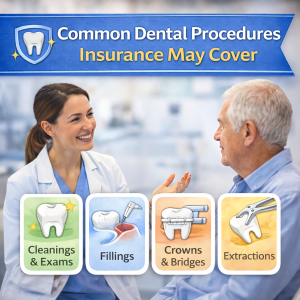
When exploring dental plans, it’s pivotal to understand the array of services they typically cover. Most dental insurance plans focus on preventive services, which include routine exams, cleanings, and x-rays. These essential services contribute to maintaining oral health and preventing more severe issues down the road. Coverage for preventive care is crucial because it targets early intervention, helping to avoid future complex treatments that might be expensive.

Another common inclusion in dental plans is basic services, which typically encompass fillings and simple tooth extractions. These services ensure that minor issues are addressed promptly before they escalate into major problems.

Beyond basic care, many individuals and families will benefit from knowing that some dental plans extend coverage to major services. This often includes complicated procedures like root canals, crowns, and bridges. Supplemental dental insurance policies can play a significant role here, often covering gaps left by standard dental plans. These plans can extend your coverage to include orthodontic procedures, dentures, and even dental implants, critical services for seniors or individuals needing extensive dental work.

It’s also important to note that some plans come with unique features like coverage for cosmetic procedures, though this isn’t always standard. As you compare dental plans, focusing on what services are most critical to your needs can guide you. By assessing your family’s dental history and potential future requirements, you can find plans that provide sufficient coverage for common services, reducing out-of-pocket costs with smart planning. For personalized recommendations, consulting with your insurance providers can clarify which common services they prioritize in their policies.

To summarize:

  • Evaluate routine exam and cleaning frequencies to maximize preventive care benefits.
  • Check if the plan includes X-rays and other diagnostic tools for comprehensive early detection.
  • Understand the service limits for fillings and extractions to handle minor dental issues inexpensively.
  • Look for supplemental policies that cover major procedures like root canals and dental implants.
  • Consider plans offering orthodontic coverage if anticipating future braces or alignment needs.
  • Assess the inclusion of cosmetic procedures if desired for aesthetic improvement options.
  • Review plan flexibility for choosing dentists within or outside their networks.

Comparing Dental Plans and Their Costs

In the vast landscape of dental insurance options, comparing dental plans can seem overwhelming, yet it’s a vital step in securing a plan that fits your financial and oral health needs. Dental plans can vary widely in terms of cost and comprehensiveness, so understanding the different elements, like premiums, deductibles, and the scope of coverage, is crucial. Most plans come with a monthly or annual premium, which secures the coverage you need. While lower-premium plans might seem attractive, they often equate to higher out-of-pocket costs for various services, making a balanced decision essential.

Additionally, evaluating the list of dentists covered under each plan is crucial in determining accessibility and convenience. PPO plans, which are quite popular, offer flexibility by allowing you to choose from a wide network of dentists and specialists. This flexibility is instrumental for families and individuals who want options without being confined to specific providers.

Moreover, examining co-payment requirements is necessary, as some plans might offer preventive services with no co-pay, whereas others require small fees for each visit. Viewing detailed cost comparisons among plans helps in identifying which offers the best blend of affordability and comprehensive service.

Another aspect to consider when comparing plans is the annual maximum benefit cap, which sets a ceiling on what the insurance will pay each year. Understanding this cap can prevent surprise expenses should you need significant dental work. Additionally, checking for any waiting periods for certain services helps in planning, especially if immediate treatment is required. By using educational resources and consulting with insurance advisors, families can find plans that align closely with both budget constraints and dental care needs, ensuring peace of mind through financially savvy decisions.

Making Informed Choices

Choosing the right dental supplement insurance plan involves understanding key factors that align with your needs and budget. Whether you’re a senior, part of a family, or an individual, better insights into coverage and plan benefits allow informed decision-making. It’s crucial to compare various dental insurance plans and providers to identify the most beneficial coverage. By considering elements like services covered, policy terms, and supplemental insurance options, you can confidently navigate the choices available. Informed choices lead to better dental care experiences, ensuring comprehensive services without unnecessary financial strain.

Factors to Choose the Right Plan

When it comes to selecting the right dental insurance plan, multiple factors need to be evaluated to ensure you receive the necessary coverage and benefits. First and foremost, assess the types of services that different plans cover. Consider whether basic preventive services like cleanings and check-ups are included, as these are essential for maintaining oral health and avoiding costly procedures in the future. Many plans cover these preventive measures, which can be life-saving in terms of detecting issues early on.

Next, evaluate other cost-related factors like premiums, deductibles, and co-pays. Often, plans with lower premiums might have higher deductibles, which means you pay more out-of-pocket until insurance kicks in. Understanding the total potential cost you might face annually helps in setting realistic expectations about your healthcare expenses. This awareness also aids in preventing any unpleasant surprises when you need dental care.

An important consideration is whether the plan fits your dental provider preferences. If maintaining your current dentist is crucial, you’ll want a plan that ensures your provider is in-network. PPO plans offer flexibility by allowing you to choose from a wider network without the restrictions of traditional plans. This access can be especially beneficial in emergencies or if you require specialist care.

Supplemental dental insurance should be considered, as it helps bridge gaps left by primary policies like Medicare, which often lack comprehensive dental coverage. Supplemental plans can cover more underfunded areas, like orthodontics and complex procedures, beyond basic coverage. By understanding these variations, you maximize your dental coverage and minimize out-of-pocket costs.

Lastly, use reliable resources such as healthcare.gov to compare different plans’ benefits. Take time to analyze their features against your anticipated needs. Consulting with providers and utilizing educational resources can empower you to confidently make choices that align with both your financial constraints and dental health requirements.

Exploring dental insurance options can feel challenging, but understanding supplemental plans can make a difference for both individuals and families. With the right plan, you can enjoy greater flexibility and potentially reduce out-of-pocket costs for dental care. Remember, dental insurance coverage varies, so it’s essential to compare plans based on your needs and location. Enter your ZIP code on our website to find information on plans available near you. This way, you can make an informed decision and ensure that your dental needs are well supported.

Compare plans and enroll online

Frequently Asked Questions

What is supplemental dental insurance?

Supplemental dental insurance is designed to enhance existing dental coverage by filling gaps not covered by primary dental or health insurance. It typically includes more comprehensive procedures, such as orthodontics or dental implants.

How can supplemental dental insurance benefit seniors?

Supplemental dental insurance can benefit seniors by covering preventive care and more advanced procedures that are not included in Medicare plans. This helps reduce out-of-pocket costs and addresses dental needs specific to seniors.

What should I consider when comparing dental insurance plans?

Key factors to consider include premiums, deductibles, co-pays, maximum benefits, and the network of providers. Ensure the plan covers the services you need, such as routine check-ups, cleanings, and procedures like crowns or dentures.

How do I find the right dental insurance plan in my area?

You can explore dental insurance options tailored to your location by entering your ZIP code on websites like Dentalinsuranceforsenior.org. This helps you compare plans based on regional availability and coverage specifics.

What are some typical services covered by dental insurance plans?

Most plans cover preventive services such as cleanings, exams, and x-rays. They may also cover basic services like fillings and extractions, and some plans extend to major services like root canals, crowns, and bridges.

Have Questions?

Speak with a licensed insurance agent

1-855-425-2095

TTY users 711

Mon-Fri: 8am-9pm ET

Find & Compare Plans Online

Speak with a licensed insurance agent

1-855-425-2095TTY 711

Mon-Fri: 8am-9pm ET

ZRN Health & Financial Services, LLC, a Texas limited liability company