Best Dental Options for Medicare Recipients

Understanding dental coverage options can be complex for Medicare recipients. Humana offers dental insurance plans that complement Original Medicare by covering routine check-ups and more extensive procedures.

This guide will walk you through Humana’s dental coverage options, highlighting key benefits, costs, and considerations. As a Medicare recipient, you’ll learn how various plans can help protect your oral health without unexpected expenses.

By exploring these options, you can make informed choices tailored to your needs. For personalized details, consider entering your ZIP code to discover Humana plans available in your area.

Key Highlights

  • essential for seniors.
  • Medicare Advantage may offer additional dental coverage, but specifics vary by plan and location.
  • Delta Dental Plan B includes both preventive and restorative services, filling Medicare gaps.
  • Humana is praised for customer service, helping seniors navigate their dental benefit options.
  • Using a ZIP code search can reveal local dental plans, varying in coverage and cost.

Compare Dental Plans

Understanding Dental Coverage in Medicare

Medicare is an essential part of health care for many seniors, but understanding its dental coverage can be a bit tricky. While Original Medicare (Part A and Part B) doesn’t usually cover routine dental care, there are other options available.

Seniors can explore Medicare Advantage plans and individual dental insurance to fill the gaps in coverage. Each option offers different benefits and services, allowing recipients to find a plan that meets their needs.

Understanding these options is crucial for seniors looking to maintain comprehensive dental health without unexpected costs.

Exploring Medicare Dental Plan Options

When considering Medicare dental options, it’s important to know that Original Medicare often excludes dental insurance for routine treatments. However, seniors aren’t without choices.

Medicare Advantage plans, also known as Part C, sometimes provide additional dental coverage. These plans are offered by private insurance companies and can include dental benefits not covered by Original Medicare.

The coverage can vary significantly between plans, offering benefits like restorative services, preventive care, and sometimes even dental PPO plans. Seniors must evaluate these options, considering their individual dental needs and budget constraints.

An alternative route involves purchasing standalone dental insurance. These plans offer a range of services, including restorative and preventive care, and can fill the gaps left by Medicare.

Companies like Delta Dental are well known for offering plans that cover a broad array of dental services. While some plans emphasize benefits for preventive services, others may focus on restorative treatments like fillings and crowns.

Seniors are encouraged to explore all these options, entering their ZIP code on a coverage comparison website to see what’s available in their area, ensuring they select a plan that provides the dental coverage and benefits they need.

Understanding Dental Coverage in Medicare

The Role of Medicare Advantage in Dental Care

Medicare Advantage plans play a significant role in providing comprehensive dental care for seniors. While traditional Medicare often lacks extensive dental benefits, Medicare Advantage, offered by private insurance companies, can include dental coverage as part of their overall benefits.

These plans cover a range of dental services, from preventive care to more complex treatments, filling the gap left by Original Medicare. As you explore options, it’s important to understand how these plans can vary and accommodate different dental needs, ensuring effective and adequate coverage for your dental health.

How Medicare Advantage Differs from Traditional Medicare

Medicare Advantage, sometimes called Part C, fundamentally differs from traditional Medicare by offering additional benefits, including dental coverage, not typically covered under Original Medicare. Traditional Medicare, comprising Parts A and B, focuses mainly on hospital and medical insurance without routine dental care.

In contrast, Medicare Advantage plans are offered by private insurance companies and can encompass diverse dental services, such as preventive care and restorative treatment like crowns and fillings. Understanding the distinctions between these plans is crucial for seniors seeking comprehensive dental care.

Depending on the specifics of an advantage plan, seniors may find options that include benefits for restorative services, preventive care, and even complex procedures. Coverage provided by these plans often varies by company and location, allowing seniors to find plans that align with their needs and budget.

Evaluating the coverage, benefits, and exclusions of each plan is vital for making informed decisions about dental care. By reviewing these options, seniors can gain substantial peace of mind, knowing their dental needs can be met through a balance of coverage and affordability.

What Dental Benefits Are Included with Humana?

Humana offers a variety of dental benefits tailored to meet the needs of Medicare recipients. Known for its comprehensive Medicare Advantage plans, Humana provides coverage that often includes restorative and preventive dental services.

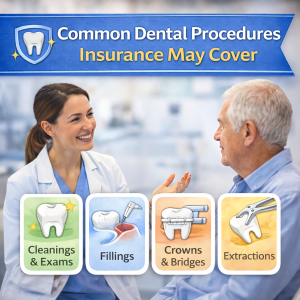
Humana’s plans may encompass dental care like cleanings, exams, and even more complex procedures such as crowns and fillings. However, the extent of coverage can vary based on the specific plan and location.

It’s essential for seniors to explore the options within Humana’s offerings to find the best match for their dental care needs, ensuring coverage that supports their health and budget.

Humana - Known for Friendly Customer Service

Humana has established a reputation for prioritizing friendly and supportive customer service, which can be a significant relief for seniors navigating insurance options. The company is committed to making sure its members understand their dental benefits and the services covered under their Medicare Advantage plans.

This focus not only helps in selecting the right dental insurance but also in managing the day-to-day interactions that may arise from queries or claims.

Humana’s customer service representatives are trained to address concerns related to coverage details, which can include explaining specific dental care benefits, understanding copayments, and navigating their extensive network of dental providers.

For those enrolled or considering enrolling in Humana, knowing that customer support is readily available can ease the complexity often associated with insurance plans. Moreover, Humana’s network includes a broad array of dental providers, making access to dental care more convenient for policyholders.

Their commitment to quality service ensures that members can get transparent information about their options. This approach not only supports informed decision-making but also enhances the overall experience for Humana’s dental insurance clients.

For seniors, such reliability is invaluable, ensuring effective communication and assistance whenever dental insurance queries arise.

What Dental Benefits Are Included with Humana?

Comparing Dental Plans: Key Factors for Seniors

For seniors, selecting the right dental plan involves understanding the nuances between Medicare dental options and regular dental plans. Key factors like benefits, costs, and coverage differences play a crucial role in this decision.

Medicare often doesn’t cover routine dental services, making it important to explore other options like Medicare Advantage and standalone insurance. These choices offer different levels of services, affordability, and dental treatment coverage, giving seniors a way to meet their dental health needs.

By knowing these differences, seniors can select plans that align with their health priorities and budgetary constraints.

Differences between Medicare Dental and Regular Dental Plans

For seniors navigating dental coverage, understanding the differences between Medicare dental and regular dental plans is essential. Medicare, particularly Original Medicare, usually doesn’t include routine dental care, leaving beneficiaries to seek additional insurance for dental services.

Plans offered under Medicare Advantage, also referred to as Part C, may provide coverage for dental benefits, unlike regular Medicare. These Advantage plans, available through private companies, often cover services like preventive care, fillings, and even major restorative services like crowns.

However, the specifics of what’s included can significantly vary depending on the plan provider and location.

Regular dental plans from companies like Delta Dental present another option. These plans are not tied to Medicare and offer broader coverage for a variety of dental treatments.

From preventive services like cleanings and exams to more involved treatments like root canals and dentures, regular dental plans typically provide extensive coverage.

For seniors, the choice between relying solely on Medicare Advantage or investing in a standalone dental plan hinges on their specific dental coverage needs and the costs they are willing to incur.

Evaluating options carefully, considering Medigap policies and the comprehensive services offered, will help in finding a plan that ensures adequate dental care while maintaining affordability.

Find & Compare Plans Online

Speak with a licensed insurance agent

1-855-425-2095TTY 711

Mon-Fri: 8am-9pm ET

Getting Familiar with Coverage Terms and Conditions

Understanding coverage terms and conditions is crucial when selecting dental insurance plans, especially for Medicare recipients. A good grasp of these conditions helps in navigating options like Humana’s offerings, which often blend preventive and restorative dental services into their plans.

Key elements to consider include waiting periods, specific benefits, and the scope of coverage provided. These nuances affect overall plan effectiveness and affordability.

Familiarity with these aspects ensures seniors can confidently choose plans that suit their dental needs while minimizing unexpected costs and surprises.

A Closer Look at Waiting Periods

Waiting periods stand as a crucial aspect of dental insurance plans, often influencing the timing and costs of coverage. For Medicare recipients considering plans like Humana, understanding waiting periods ensures no surprises when accessing dental services.

Most plans implement waiting periods primarily for non-preventive treatments, such as restorative services, rather than immediate coverage. This delay often serves to mitigate costs for the insurance company while encouraging plan retention among beneficiaries.

Various plans may differ significantly in how waiting periods are set, with some providing immediate access to preventive services but delaying coverage for more expensive treatments. Seniors should review these periods carefully when considering their dental insurance options.

Waiting periods can affect a plan’s perceived value, especially when considering restorative services, which could include critical treatments like fillings, crowns, or dentures. Seniors need to balance the cost with coverage expectations, ensuring their chosen plan aligns with their dental needs and budgetary limits.

Understanding these constraints allows a more informed decision, reducing the likelihood of large, unexpected bills. By carefully evaluating plans that include different waiting periods, seniors can coordinate their dental care, ensuring timely and cost-effective treatment whenever necessary.

Whether you’re exploring Humana’s plans or alternatives like Delta Dental, knowledge of waiting periods plays a crucial role in maximizing benefits, minimizing costs, and achieving peace of mind. Here are key considerations for understanding and navigating waiting periods in dental plans for seniors:

  • Assess dental needs before selecting a plan to avoid delays in obtaining crucial treatments.
  • Compare waiting periods across different providers to identify the most senior-friendly option.
  • Consider plans with short or waived waiting periods for preventive services to ensure timely check-ups and cleanings.
  • Understand that major procedures typically have long waiting periods; plan accordingly if immediate care is anticipated.
  • Explore plans that credit previous coverage, potentially reducing or eliminating waiting periods.
  • Be aware that some plans offer “no waiting period” for basic treatments to attract new members.
  • Always read the small print to uncover any exceptions or exclusions regarding waiting periods.
  • Contact providers directly for clarification on procedures and to verify any information that might be unclear.


Understanding waiting periods ensures that seniors make informed choices about their dental insurance, securing the most effective care and coverage for their needs.

Getting Familiar with Coverage Terms and Conditions

What Can a Delta Dental Plan B Offer?

Exploring Delta Dental Plan B can open up a variety of options for seniors seeking comprehensive dental coverage. This plan commonly emphasizes both preventive and restorative dental services, making it a viable solution for Medicare recipients who need more than what traditional Medicare offers.

With a focus on filling the coverage gaps left by Medicare, Delta Dental provides benefits that cover routine dental care and more complex procedures. Understanding how these options work can help seniors find a balance between cost and coverage, ensuring their dental needs are met effectively.


Type of ServiceCoverage DetailsCost ConsiderationsFlexibility and Variability
Preventive Care100% coverage for exams, cleanings, and x-raysIncluded in monthly premiumNo waiting periods
Basic Procedures80% coverage for fillings and extractionsDeductibles applyVaries with provider choice
Major Procedures50% coverage for root canals, crownsAnnual maximum limitsSubject to pre-approval
OrthodonticsCoverage available for childrenCo-payment requiredAge and time restrictions


This table highlights how Delta Dental Plan B provides comprehensive solutions, weighing coverage limits and adaptability in diverse dental care needs for seniors.

Understanding the Specific Benefits and Services

Delta Dental Plan B offers a wide array of benefits and services tailored to meet the varied needs of Medicare recipients. This plan can provide coverage for preventive services such as regular check-ups, cleanings, and X-rays, which are often not included in Original Medicare.

Additionally, the plan extends to restorative treatments, which can include fillings, crowns, and sometimes even dentures. The comprehensive dental care offered by Delta Dental helps ensure that seniors have access to necessary treatments without unexpected costs, making it a sensible choice for those navigating complex dental insurance landscapes.

What sets Delta Dental apart is the plan’s flexibility and attention to the specifics of different coverage options. For instance, depending on the location and the specific plan option chosen, some services might cover more than others, reflecting the coverage variations from provider to provider.

It’s vital for seniors to carefully examine the benefits, cost implications, and terms to make sure they align with personal dental care needs and financial situations.

Exploring these options can be done easily by entering your ZIP code on a coverage comparison website, which helps highlight the plan’s versatility in adapting to various dental and budgetary requirements.

Common Dental Services and Their Coverages

Understanding dental coverage within Medicare plans can be crucial for maintaining oral health without financial surprises. Dental services typically include preventive, restorative, and major treatments, each having different coverage.

Preventive care, like cleanings and exams, is often a focus of plans because it helps avoid costly treatments down the line. Restorative services, such as fillings and crowns, address tooth damage and decay, while major treatments offer solutions for more complex dental needs.

Exploring these coverage within plans like those offered by Humana or Delta Dental can guide seniors in selecting the best options to match their health and financial needs.

Preventive Services, Fillings, and Crowns Explained

Preventive services play a pivotal role in dental care, often forming the backbone of dental insurance coverage. These services include routine exams, cleanings, and X-rays, designed to catch potential issues early and prevent more severe dental problems.

Dental insurance plans typically highlight preventive care, offering coverage without copayments or deductibles, emphasizing their importance in maintaining oral health. Besides reducing the risk of serious dental treatments, preventive care can significantly lower long-term healthcare costs, a vital consideration for Medicare recipients.

Utilizing preventive services effectively can help seniors avoid the progression of oral diseases, which might otherwise necessitate restorative or major treatments.

Fillings are essential restorative services addressing cavities and minor tooth damage, vital for protecting teeth from further decay. Insurance plans covering restorative services like fillings can vary; many plans, including those from Humana and Delta Dental, offer some level of coverage.

Coverage specifics can depend on the insurance company and chosen plan. Understanding what percentage of costs will be covered is crucial for evaluating plan options.

Crowns, another critical aspect of restorative treatment, offer solutions for damaged or decayed teeth. These can be more expensive than fillings, but are crucial for preserving the tooth’s integrity.

Comprehending these services helps in selecting a dental plan that balances cost with comprehensive coverage, ensuring effective dental care access.

Common Dental Services and Their Coverages

Affordability and Avoiding Unexpected Costs

Navigating dental coverage as a Medicare recipient can be challenging, especially when trying to balance affordability and unforeseen expenses. With Medicare generally not covering routine dental care, understanding the cost implications becomes vital.

Private insurance options like Medicare Advantage and standalone plans offer dental benefits, but costs and coverage can vary significantly. These options can include services from preventive care to major dental treatment.

By exploring these plans, seniors can anticipate what costs to expect and find strategies to avoid surprise bills, ensuring their dental health needs are met efficiently and affordably.

Strategies to Find Cost-Effective Plans

Finding cost-effective dental plans requires exploring various options, considering coverage, benefits, and overall costs. Start by assessing your dental care needs; this includes preventive services, like regular cleanings, and more complex treatments such as fillings or crowns.

Medicare Advantage plans often bundle dental benefits, but it’s essential to look at the specifics of coverage from various insurance companies. Understanding what each plan covers and what it may not is crucial.

For example, Delta Dental offers a range of plans focusing on preventive and restorative services. Comparing different plans based on cost and coverage can help locate budget-friendly options that align with your needs.

Consider using online tools to enter your ZIP code and explore local plan offerings. This search can show how coverage might vary by location.

Reviewing deductible amounts, copayments, and maximum benefit caps helps in identifying plans that fit your financial situation. Cost-effective plans don’t just focus on lower premiums.

They often balance the costs of premiums with out-of-pocket expenses, ensuring comprehensive coverage that avoids unexpected financial burdens. Approaching this process methodically can lead to informed decisions, ensuring dental care remains affordable without sacrificing coverage quality.

Explore Options with a ZIP Code Search

Finding the right dental coverage can be complicated for Medicare recipients. By using a ZIP code search, seniors can identify dental plans tailored to their specific needs and locations.

Different regions may offer varying benefits and costs, so knowing how your location impacts dental plan availability is crucial. This approach helps in uncovering coverage options that suit your situation and avoid unexpected gaps in service.

With a focus on services, insurance differences, and treatment plans, understanding these nuances ensures a better fit for your dental care needs.

How Location Affects Dental Plan Availability

Location plays a significant role in determining dental plan availability and the options you can access. Each area may have unique offerings, influenced by local insurance companies and their partnerships.

For Medicare recipients, plans like those from Humana or other providers often vary by region, affecting both the coverage and costs you may encounter. By understanding how these factors work, seniors can better anticipate what services are included and adjust their expectations and choices accordingly.

Local regulations, the presence of insurance company networks, and demographics can all cause variations in dental plan offerings. Plans might emphasize different benefits depending on the local demand, whether that’s preventive care or more robust restorative services.

For instance, rural areas might have limited provider options compared to urban settings, influencing the choices available to seniors. Exploring options using a ZIP code search can help highlight these regional differences effectively.

Ensuring a comprehensive understanding of what’s accessible based on location can lead to more informed decisions about dental services. Seniors should remain aware of these dynamics, allowing for selections that provide both cost efficiency and comprehensive care.

Tailoring your search to your geographical area ensures you can find plans with benefits that align with personal and financial needs.

Understanding your dental coverage choices as a Medicare recipient can be empowering. Humana offers various plans to suit different needs, covering services such as preventive care, fillings, crowns, and dentures.

It’s important to explore each plan to see what fits your individual requirements and budget. Always compare what each plan covers and consider speaking with a Humana representative for clarity.

For more personalized options in your area, enter your ZIP code on our site to see the plans available to you. Coverage and costs vary, so check local options for the most accurate information.

Compare Dental Plans

Frequently Asked Questions

What dental coverage options do Medicare recipients have?

Medicare recipients typically need additional plans for dental coverage, as Original Medicare usually doesn’t cover routine dental care. Options include Medicare Advantage plans, which may offer dental benefits, and standalone dental insurance plans that cover services like preventive and restorative care.

How do Medicare Advantage plans differ from Original Medicare regarding dental coverage?

Medicare Advantage plans, offered by private companies, often include additional dental coverage not provided by Original Medicare. These plans can cover services such as cleanings, exams, and more complex procedures, varying by plan and location.

Why is using a ZIP code search helpful for finding dental plans?

Using a ZIP code search helps identify dental plans available in your specific area, as availability and coverage can vary by location. This tool ensures you’re exploring plans that meet both your needs and local offerings.

What types of services do standalone dental plans cover?

Standalone dental plans often cover a range of services including preventive care like cleanings and exams, as well as restorative treatments such as fillings, crowns, and sometimes dentures. The specifics may vary depending on the insurer and plan.

What should seniors consider when selecting a dental plan?

Seniors should assess their dental care needs, budget constraints, and the coverage specifics of each plan. Reviewing factors like waiting periods, copayments, benefits, and exclusions can ensure informed choices that fit personal and financial requirements.

Have Questions?

Speak with a licensed insurance agent

1-855-425-2095

TTY users 711

Mon-Fri: 8am-9pm ET

Find & Compare Plans Online

Speak with a licensed insurance agent

1-855-425-2095TTY 711

Mon-Fri: 8am-9pm ET

ZRN Health & Financial Services, LLC, a Texas limited liability company