Welcome to your guide on dental and vision insurance options in Texas with Blue Cross and Blue Shield. Understanding these insurance plans can help you access essential dental and eye care without unexpected expenses. Blue Cross and Blue Shield in Texas offers a range of plans that focus on preventive care and coverage for a variety of dental and vision services. This page will discuss how their plans work, potential benefits, and what coverage you might expect in the Lone Star State. Let’s explore the details to help you find a plan that matches your needs. For more information, read our article on Health Vision and Dental Insurance Bundle.


Dental Insurance for Seniors
find affordable dental insurance





Best Dental and Vision Insurance Texas
Key Highlights
- Blue Cross and Blue Shield offers diverse dental and vision plans in Texas focused on preventive care.
- Understanding dental coverage helps seniors manage health without high out-of-pocket costs.
- Key differences in plans include coverage levels, dentist networks, and costs.
- Preventive care reduces long-term costs and supports overall well-being.
- Wellpoint and Delta provide flexible options for comprehensive dental coverage in Texas.
Compare plans and enroll online
Understanding Dental Insurance in Texas
Diving into dental insurance can seem daunting, especially for seniors in Texas looking to secure consistent dental care. With diverse dental insurance plans available, it’s crucial to understand how insurance coverage can fit your needs and what specific benefits they offer. From traditional dental services like cleanings and preventive care to more complex procedures such as crowns and dentures, the right insurance company will cover these essentials based on the selected plan. This section outlines how dental coverage works, with a focus on seniors, and examines the key differences between insurance plans.
How Dental Coverage Works for Seniors
Dental coverage for seniors in Texas is structured to offer essential protection tailored to the evolving needs of older adults. Typically, dental insurance plans encompass various benefits, including preventive services, fillings, and major procedures. These plans are designed to provide comprehensive coverage, ensuring seniors can manage dental health without the burden of high out-of-pocket costs. Coverage varies by insurance company, but standard options often include biannual check-ups, cleanings, and X-rays, crucial for maintaining dental health. It’s important for seniors to understand how coverage works to ensure their plans align with personal dental health requirements.
Senior-focused dental plans are often part of broader health insurance offerings, providing the flexibility to address both routine care and emergency needs. By incorporating dental plans into broader healthcare strategies, seniors gain peace of mind knowing that both minor and major dental services are accessible. Moreover, having a dental plan that is sure to include essential services means that seniors can prevent more serious health issues from developing over time, ultimately supporting long-term well-being.
When choosing a dental plan, seniors should consider factors such as network access to dentists and whether the plan meets Medicare requirements if they’re enrolled in such programs. Reviewing what each insurance plan covers in terms of preventive, minor, and major dental work is crucial. It ensures that their choice can accommodate any existing conditions or anticipated needs. Understanding how dental insurance works also involves knowing about potential limitations, waiting periods, and exclusions that might affect service access.
For seniors, the transition into utilizing dental insurance involves careful selection and understanding of various program options. It’s crucial that they have detailed conversations with their chosen insurance company to clarify what’s covered under their policy. This proactive approach aids in avoiding unexpected expenses and ensures access to necessary dental healthcare, aligning with their overall medical and healthcare goals.

Key Differences in Insurance Plans
The landscape of dental insurance in Texas offers a variety of choices that cater to the distinct needs of seniors. Understanding these key differences is essential when selecting the right plan. Generally, insurance plans are distinguished by their coverage levels, network of participating dentists, costs, and the presence of any waiting periods. Traditional dental plans might cover broad preventive care such as regular check-ups and cleanings, whereas more comprehensive plans might offer coverage for advanced treatments, including root canals or crowns. The choice between these options often depends on individual health needs and budgetary constraints.
Differences in insurance plans also emerge based on their integration with Medicare. Some seniors may benefit from a combination of dental insurance and other health insurance options, offering more robust healthcare solutions. Dental plans that work alongside Medicare can provide seniors with coverage continuity, ensuring both medical and dental needs are addressed seamlessly. However, it’s crucial to note that Medicare alone doesn’t typically cover routine dental care, making additional insurance a valuable investment.
Another significant difference among plans is the size of the provider network and the flexibility to select dentists that afford the freedom of choice. Larger networks can provide more dental care choices and streamlined access to preferred healthcare professionals. Costs will naturally vary with these choices; understanding potential copayments, deductibles, and whether the plan pays directly to the provider or reimburses the patient later is key. This consideration helps maintain transparency and manage healthcare budgets effectively.
Lastly, Texas-based insurance companies offer tailored programs that cater to local healthcare standards and patient values. When evaluating these plans, considering state-specific regulations and benefits is vital as they impact overall coverage. By comparing different types of insurance plans, seniors and caregivers can ensure they select a plan that fits their unique needs. Taking the time to thoroughly evaluate these differences reduces the complexity of dental insurance selection, offering peace of mind and medical security.
Types of Dental Services Covered
Navigating the intricacies of dental insurance requires an understanding of the types of dental services covered under various plans. Dental and vision insurance in Texas with Blue Cross and Blue Shield includes a broad spectrum of services designed to meet diverse healthcare needs. From preventive care that maintains oral health to treatments like fillings and crowns, coverage specifics are essential to ensuring you receive necessary care without unexpected costs. This section delves into the essential services typically covered, highlighting preventive care and various treatment options available.
Preventive Care and Its Benefits
Preventive care forms the cornerstone of effective dental insurance coverage, designed to maintain oral health and stave off more severe conditions. Emphasizing preventive measures, dental plans often include services like routine check-ups, cleanings, and educational wellness programs. By investing in preventive care, individuals avoid more complex and costly treatments. Regular cleanings and examinations can detect issues early, allowing for simple interventions before they escalate into significant health concerns. This not only preserves dental health but also extends overall physical wellbeing.
A crucial benefit of engaging with preventive care services is the reduction of out-of-pocket costs over time. Insurance plans typically cover preventive care fully or with minimal co-payments, making it accessible and affordable. This proactive approach aligns with health insurance principles by emphasizing maintenance over treatment. For seniors especially, keeping up with regular dental visits can prevent common age-related dental issues. Ensuring these sessions are covered means less financial strain and better health outcomes.
Another distinctive advantage of preventive care is its potential to improve quality of life. Good oral health is intimately connected with overall body health, affecting everything from digestion to heart health. Access to routine dental services can help manage chronic issues and even prevent them, emphasizing the comprehensive benefits of dental insurance. For residents in Texas choosing coverage options, prioritizing plans offering substantial preventive care access can lead to long-term savings and healthier living.
When selecting a dental plan, it’s important to consider benefits that go beyond immediate financial comfort. Preventive care inclusion provides ongoing value by supporting health preservation. Individuals should inquire about the specifics of preventive services in their chosen insurance plans, ensuring they maximize the benefits and avoid larger medical problems. For those committed to securing their dental health, understanding and utilizing preventive care within their health insurance can lead to significant benefits both presently and in the future.
To effectively enhance your understanding of the importance of preventive care in dental insurance, consider the following key points:
- Schedule regular dental check-ups to monitor and maintain your oral health consistently.
- Prioritize cleanings to prevent plaque and tartar buildup that may lead to cavities or gum disease.
- Engage in educational wellness programs to learn effective oral hygiene practices.
- Take advantage of insurance-covered preventative services to avoid higher costs from advanced treatments.
- Stay informed about preventive care options specific to Texas, allowing for educated coverage choices.
- Consider plans that fully integrate routine examinations, promoting comprehensive health benefits.
- Ensure your dental plan includes significant preventive care coverage to enhance life quality and reduce future medical expenses.
Incorporating these strategies can help you make informed decisions and maintain robust dental health over time.
Treatment Options: Fillings, Crowns, and More
Dental insurance plans are integral in covering a range of treatments that go beyond simple preventive care. Among these are procedures such as fillings and crowns, essential for treating cavities and restoring damaged teeth. Insurance plans typically categorize these as basic and major dental services, providing necessary coverage that significantly reduces out-of-pocket expenses. Understanding what treatments are available under your plan helps prepare for the financial aspects of dental care.
Fillings and crowns, foundational in dental treatment, are covered in varying degrees depending on the insurance provider. Fillings typically fall into the category of basic services, often covered at a high percentage by dental insurance plans. They offer an effective solution for repairing teeth that have been damaged by decay. Crowns, deemed major services, not only restore teeth’s function but also their appearance, a necessity for both dental health and confidence. Coverage for crowns usually involves larger co-payments or deductibles but remains essential for comprehensive dental care.
Beyond basic services like fillings, insurance programs may cover additional treatments, including root canals and extractions. These are critical inclusions for those requiring extensive dental work, making insurance plans a valuable asset in managing health costs. Selecting a plan that offers robust treatment options ensures access to necessary and sometimes urgent dental procedures, reinforcing long-term health.
Moreover, the choice of insurance company can affect the specifics of what treatments are covered and to what extent. Companies such as Blue Cross and Blue Shield offer programs tailored to cater to diverse needs, making them a popular choice in Texas. It’s important that individuals engage in thorough research, comparing insurance plans not only for their preventive care but also for the breadth of treatment options they cover. With proper investigation, seniors and other adults can select plans that align with their dental and financial needs, confidently securing their health insurance coverage.
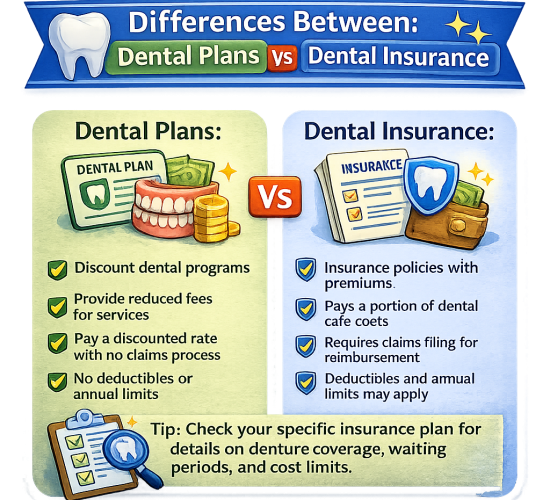
Evaluating Dental and Vision Plans
Choosing the right dental and vision plans in Texas, particularly with providers like Blue Cross and Blue Shield, requires a detailed evaluation. These plans can significantly affect your access to essential healthcare, covering a range of services like routine check-ups and more comprehensive dental and vision care. Comparing insurance plans involves understanding several critical factors, such as coverage options, costs, and potential waiting periods. It’s about ensuring your chosen plan fits seamlessly with your medical and dental needs, offering the peace of mind that comes from knowing you’re covered in your healthcare journey.
Factors to Consider When You Choose
When evaluating dental and vision insurance plans, it’s essential to consider the various factors that could influence your choice. One key factor is the range of services covered under the plan. A comprehensive dental or vision plan should include preventive services, such as biannual dental cleanings or annual eye exams, which help maintain health without unexpected costs. Additionally, it’s important to see if the plan covers more advanced procedures like root canals, dental crowns, or prescription lenses. Ensuring these are included can save significant expenses down the road and cater to unforeseen medical needs.
Another factor to consider is the network of available providers. With larger networks, you have greater flexibility and access to a wider range of dentists or vision care specialists. This can be especially crucial if you already have a preferred healthcare provider you wish to continue seeing. Plans with restricted networks might lead to higher out-of-pocket costs if your provider is out-of-network. Therefore, checking if your preferred specialists are within the plan’s coverage network is vital when making your choice.
The plan’s costs, including the premium, deductible, co-payments, and maximum out-of-pocket expenses, are equally important. While a lower premium might be appealing, high co-payments or deductibles can result in unforeseen expenses. Carefully comparing these costs across different plans helps in determining which plan offers the best value and aligns with your budgetary constraints. Moreover, examining if the insurance provider offers benefits for additional services, like educational wellness programs for seniors, can enhance the overall value of a plan.
Finally, consider the flexibility and ease of managing your plan. This includes how quickly claims are processed and the simplicity of accessing customer service. A plan that provides robust online tools or customer support can make it easier to manage your healthcare needs efficiently. By focusing on these factors, you ensure that your chosen insurance plan comprehensively meets your healthcare needs while fitting your lifestyle and financial goals seamlessly.
Understanding Costs and Waiting Periods
Understanding the financial aspects of dental and vision insurance is crucial to choosing the right plan. One of the primary considerations is the cost structure, which includes premiums, deductibles, and co-payments. Premiums are what you’ll pay regularly to keep your coverage active, and they vary significantly across plans. Comparing these costs against the benefits offered helps in understanding the true value of a plan. It’s also important to scrutinize the deductible, which is the amount you pay out-of-pocket before the insurance starts covering services. A lower deductible often means higher premiums, but it can lead to significant savings when you need extensive dental or vision care.
Co-payments and co-insurance are additional costs incurred during service utilization. Co-payments are fixed amounts paid for services, like a dentist visit, while co-insurance is a percentage of the service cost. Evaluating these can help manage expected expenses, particularly when you anticipate frequent medical visits or procedures. Plans with lower co-payments may opt for higher premiums, but they make regular check-ups and treatments more affordable. By balancing these elements, you can avoid underinsurance, which can lead to unexpected financial stress during significant medical events.
Waiting periods is another critical aspect to understand in any insurance plan. Many dental insurance plans impose waiting periods on major services such as crowns or dentures. This means a certain period must pass before coverage for these services kicks in, which can range from a few months to a year. While it might seem an inconvenience, knowing these periods can help plan your healthcare needs better and avoid surprises when accessing new services.
Ultimately, the right dental and vision insurance plan aligns with both your financial situation and healthcare needs. By comprehensively evaluating costs and waiting periods, you not only better prepare financially but also enhance your capability to plan for future healthcare services. Make sure to enter your ZIP code to explore specific plans available in Texas, as this can significantly affect available options and costs, allowing you to choose a plan that best fits your lifestyle and requirements.
Find & Compare Plans Online
Specific Insurance Providers in Texas
Texas offers a range of insurance providers that cater to dental and vision needs, ensuring individuals receive the necessary coverage without overwhelming costs. Understanding the unique offerings by companies like Wellpoint and Delta can help Texas residents make informed decisions about their healthcare. These providers offer diverse insurance plans aimed at meeting preventive and advanced dental care needs. By exploring the benefits and coverage options of each provider, you can choose an insurance company that aligns with your specific healthcare goals.
Exploring Wellpoint and Delta Options
In Texas, Wellpoint and Delta Dental represent two prominent insurance providers offering comprehensive options for dental coverage. Wellpoint, known for its wide network and accessibility, provides a variety of insurance plans tailored to seniors and their specific healthcare needs. These plans often emphasize preventive dental care and major treatments, ensuring participants maintain their oral health while managing costs effectively. Their coverage options typically include benefits for routine check-ups, cleanings, and more involved procedures like fillings and crowns, which can be essential for long-term dental health. Wellpoint’s dedication to accessibility means seniors can enjoy a seamless experience when accessing necessary services, thus supporting overall well-being.
Delta Dental offers another robust choice for residents seeking dental insurance in Texas. As a well-established insurance company, Delta is noted for its expansive network of dentists and specialists, which simplifies the process of finding a suitable provider. Their insurance options are designed to cater to a range of needs, from basic preventive care to more comprehensive plans covering major dental work. By offering flexible plans that fit different budgets and healthcare needs, Delta ensures that those seeking dental care can maintain comprehensive coverage without the burden of excessive costs. They also frequently integrate vision care into their offerings, allowing for combined health management.
Both Wellpoint and Delta provide flexible insurance plans that emphasize preventive care, which is crucial in averting high out-of-pocket expenses down the line. By investing in plans from these providers, individuals not only gain access to dental services that address immediate health concerns but also secure coverage that promotes long-term oral health. The key is understanding the specifics of each program and ensuring it meets individual healthcare needs, taking into account the accessibility, network size, and cost structures. This comparative analysis empowers Texas residents to select an appropriate insurance plan that ensures access to the necessary healthcare services, fosters preventive care, and manages both expected and unforeseen dental health needs effectively.
| Provider Name | Core Services | Target Customers | Innovative Features | Network Size |
|---|---|---|---|---|
| Wellpoint | Health Insurance, Vision Services | Families, Individuals, Seniors | Telehealth Options, Preventive Care Programs | Extensive |
| Delta Dental | Dental Coverage, Orthodontics | Employees, Families | Customizable Plans, Online Tools | Wide-reaching |
This table highlights the distinct offerings and strategies of Wellpoint and Delta Dental in Texas, enhancing the residents’ ability to make informed healthcare decisions.
Understanding dental and vision insurance, particularly with Blue Cross and Blue Shield in Texas, can help you make informed decisions. It’s important to consider specific coverage options, benefits, and costs associated with these plans. Reviewing plan details can offer insights into what suits your needs, ensuring peace of mind when accessing essential health services. Remember, insurance needs may vary, and exploring different plans can provide clarity. Feel free to enter your ZIP code on our website to explore personalized options that fit your location and coverage requirements. Your journey towards confident insurance choices starts here.
Compare plans and enroll online
Frequently Asked Questions
What are the main features of Blue Cross and Blue Shield dental and vision plans in Texas?
Blue Cross and Blue Shield in Texas offer a variety of dental and vision plans focusing on preventive care. These plans include services like routine check-ups, cleanings, and X-rays, aiming to maintain health and reduce long-term costs.
How do I decide between different dental insurance plans in Texas?
When selecting a dental plan, consider factors such as coverage levels, network of dentists, costs, and compatibility with Medicare if applicable. Reviewing each plan’s details ensures that your choice aligns with your dental health needs and budget.
What preventive care services are typically covered by dental insurance plans?
Preventive care often includes routine dental check-ups, cleanings, and educational wellness programs. These services help maintain oral health and are often covered fully or with minimal co-payments, reducing out-of-pocket costs significantly.
Why is network size important when selecting a dental insurance plan?
Larger networks offer more flexibility and access to a wider selection of dentists and specialists, which can be crucial if you wish to continue seeing your preferred healthcare provider. Smaller networks might lead to higher out-of-pocket costs if your provider isn’t included.
How can Texas residents benefit from plans offered by Wellpoint and Delta Dental?
Wellpoint and Delta Dental provide comprehensive coverage options, emphasizing preventive care and covering major services like fillings and crowns. Their plans generally offer a wide network and flexible coverage options, catering to varied budgetary and healthcare needs.
Find & Compare Plans Online
ZRN Health & Financial Services, LLC, a Texas limited liability company

Russell Noga is a Dental Insurance Educator who writes informational content focused on helping consumers understand dental insurance coverage, benefits, and common plan features. His work emphasizes clear explanations of preventive care, basic and major services, waiting periods, provider networks, and plan limitations. Content is reviewed periodically to ensure clarity and accuracy and is based on publicly available sources. Information may change over time as plan details, availability, and coverage options are updated.