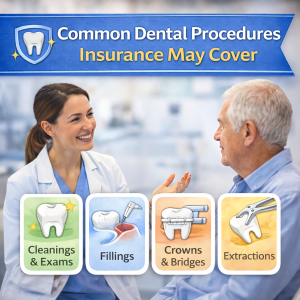
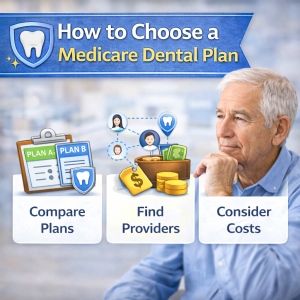
When evaluating dental insurance options, understanding the range of plans is key. The landscape includes standalone dental plans, Medicare Advantage plans, and supplemental dental insurance.
Each offers unique benefits, from preventive services to more comprehensive options. To start, one should look at plan types and see which aligns with their dental health requirements.
Medicare Advantage, for example, often includes dental benefits, but specific services covered, benefit limits, and out-of-pocket costs can vary greatly. It is essential to examine the scope of coverage for preventive services like routine cleanings and exams, as these are crucial for maintaining oral health.
Comprehensive dental plans typically offer more benefits, covering broader services like major restorative procedures. They’re often appealing to those who anticipate needing significant dental work.
However, it can come with higher premiums or complex cost structures. Supplemental dental options might complement existing coverage by addressing gaps in dental benefits.
Seniors who have basic coverage through another source might choose supplemental plans to handle additional services not covered by primary plans. A crucial consideration is the provider network associated with each plan.
Medicare Advantage plans may restrict coverage to in-network providers, impacting the choice of dental professionals available to beneficiaries.
Another critical aspect is the understanding of benefit limits. Evaluating a plan’s annual maximums provides insight into potential out-of-pocket expenses once limits are reached.
Some plans might offer higher limits for preventive and comprehensive services, while others might have stringent caps that could influence access to necessary care. Additionally, waiting periods can affect how soon a member becomes eligible for full benefits.
This feature is particularly important for seniors needing immediate dental care. Moreover, considering the cost-sharing aspects like copayments and coinsurance can significantly impact your dental spending.
The process of evaluating dental insurance options should also include an assessment of your current and future dental needs. History of dental issues, anticipated procedures, and the priority of preventive care will guide which plan features should be prioritized.
Resources like Dentalinsuranceforsenior.org can provide unbiased information in helping to understand these facets together, allowing beneficiaries to compare and contrast different plans accurately.
Ultimately, selecting the right dental insurance involves balancing between coverage, costs, and dental health priorities, ensuring that the chosen plan offers adequate protection without exceeding financial constraints.
Entering your ZIP code on educational platforms can further aid in accessing region-specific plan details, ensuring that your selection is well-informed and geographically relevant.
Understanding your Medicare dental options, including annual limits and Medicare Advantage insights, is key to making informed decisions about your dental health. Each plan may have different costs and coverage, so it’s important to compare options that fit your needs.
Remember, location can affect plan availability and specifics. By exploring available plans, you can find one that aligns with your dental care requirements. To explore dental insurance plans in your area, consider entering your ZIP code on our website.
Doing so can help you compare plans and understand the costs and coverage specific to your location.