Alternatives to Medicare Dental Insurance

Finding the right dental insurance or dental plan can be a journey, especially when Medicare doesn’t cover dental care. Fortunately, there are many alternatives designed to meet the needs of seniors seeking comprehensive coverage.

These plans often include preventive care, fillings, and sometimes cover more costly procedures like crowns or dentures. Understanding the differences between plan options and their respective costs, services, and limitations is crucial.

Our goal is to help you confidently compare plans to find the option that fits your needs. Enter your ZIP code to explore tailored dental insurance options in your area.

Key Highlights

  • Seniors need dental insurance for maintaining overall health, covering essential services, and reducing financial burdens.
  • Dental plans include preventive care and major procedures like crowns and dentures, crucial for seniors’ dental health.
  • Consider individual, PPO, and HMO plans to meet seniors’ specific dental needs and budget preferences.
  • Know the limitations and waiting periods of plans to avoid unexpected costs and ensure timely coverage.
  • Using your ZIP code helps find tailored plans, making it easier to choose suitable local dental insurance options.

Compare Dental Plans

Understanding Dental Insurance for Seniors

Dental insurance can be a crucial part of maintaining overall health, particularly for seniors. With different needs than younger adults, seniors might require specific dental services that vary in coverage across insurance plans.

Understanding the basics of dental coverage helps make informed decisions when exploring alternatives to Medicare dental insurance. While delightful options like supplemental plans and group dental insurance exist, it’s crucial to assess your individual needs.

Ensuring protection and access to necessary treatments like fillings, crowns, and dentures is vital. This section seeks to clarify why dental coverage matters for older adults, emphasizing its importance in safeguarding long-term wellbeing.

Why Dental Coverage Matters

For seniors, dental care isn’t just about a bright smile; it’s about maintaining overall health and quality of life. As we age, our dental needs shift, making regular visits to the dentist an essential component of our healthcare routine.

Dental insurance provides coverage for necessary dental services but also eases the financial burden that often comes with dental procedures. This is where insurance plans come into play.

They offer a structured way to handle costs associated with routine exams, cleanings, and more complex procedures like crowns and dentures. Without adequate dental coverage, these essential services can become daunting financial burdens, deterring many from seeking regular dental care.

An important aspect is choosing a dental insurance plan that aligns with your specific needs. Group dental insurance or supplemental plans offer an alternative to traditional Medicare coverage, often providing better benefits tailored to dental-specific concerns.

These plans, provided by well-established insurance companies, cover a range of dental services that are significant for senior health. Being insured ensures that a dental issue doesn’t snowball into a larger medical problem.

For example, untreated oral diseases can lead to complications like infections or impact heart health. Moreover, possessing comprehensive dental coverage bolsters peace of mind, knowing that help is available if unexpected dental issues arise.

With a suitable insurance plan, seniors can enjoy dental benefits like regular check-ups, emergency procedures, and preventive care, facilitating a proactive approach to dental health.

Ensuring you’re covered means fewer worries about sudden dental expenses, allowing better focus on maintaining health and enjoying later years without financial anxiety.

Meanwhile, insurance companies continuously work to provide plans that cater specifically to the needs of the elderly, reflecting a commitment to supporting this demographic.

Whether through individual plans, group options, or supplemental plans, having a safety net in place is invaluable. Always remember, dental coverage isn’t just an expense, it’s an investment in lasting health and happiness.

Understanding Dental Insurance for Seniors

Different Types of Dental Insurance Plans

Exploring the various dental insurance plans is essential for understanding how to choose the best coverage. Seniors have different needs, so it’s important to consider individual dental plans, dental PPO, and dental HMO options.

These plans offer unique benefits tailored to different dental needs and budgets. Understanding the differences between them can help you make a more informed decision.

Whether you’re looking for supplemental plans or separate dental coverage, knowing how each plan functions can significantly ease the selection process. Let’s dive into these options to see how they might fit your requirements.

Exploring Cigna Healthcare Dental Insurance Plans Options

Cigna Healthcare dental insurance plans offer a variety of options tailored to individual needs, particularly for seniors seeking comprehensive coverage. These plans include the flexibility of dental PPO and the structured nature of dental HMO.

A dental PPO, or Preferred Provider Organization, allows you to visit any dentist you prefer, though staying in-network results in lower out-of-pocket costs. This option is ideal for those who value choice and accessibility in their dental care.

On the other hand, a dental HMO, or Health Maintenance Organization, typically requires selecting a primary dentist within a network and focuses on preventive care, offering lower premiums but less flexibility in choosing providers.

Understanding the network and how it operates in each plan is crucial. Network size can affect not only your choice of dentist but also the cost of dental services.

Larger networks offer more dentists and specialists at negotiated rates, ensuring seniors gain maximum benefits from their chosen plan.

Cigna Healthcare dental insurance plans are carefully designed to accommodate both individual preferences and specific dental needs, providing peace of mind with extensive coverage that extends beyond basic dental services.

From routine check-ups to more elaborate procedures, these plans offer robust financial protection against unexpected dental expenses.

Additionally, Cigna offers supplemental plans that complement existing health insurance coverage, providing an extra layer of financial security. This is particularly beneficial for seniors looking for coverage beyond what Medicare offers.

Supplemental plans can fill gaps in coverage, ensuring that extensive dental care needs are met without causing financial strain. For those seeking a bespoke solution, Cigna’s plans can be an excellent fit, thanks to their commitment to comprehensively serving senior-specific dental requirements through various tailored program offerings.

By learning about these options, you can make informed decisions that align with your health and financial goals. Remember, a well-chosen insurance plan is an investment in your oral health and overall well-being.

What Dental Insurance Generally Covers

Understanding what dental insurance covers can greatly impact dental care decisions, especially for seniors. From annual check-ups to significant dental procedures, insurance plans are designed to ease financial burdens.

This coverage often includes essential services, ensuring that seniors receive necessary care like fillings, crowns, and dentures. These services maintain not just oral health but overall well-being too. Dental PPO and individual dental plans offer varied benefits, allowing for better dental coverage decisions.

Ensuring comprehensive dental coverage helps avoid large dental bills while maintaining dental health.

Key Services Like Fillings, Crowns, and Dentures

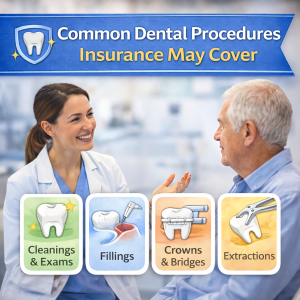
Dental insurance plans are vital in managing dental care expenses. They provide coverage for key dental services such as fillings, crowns, and dentures, which are crucial for maintaining oral health.

Fillings are necessary to treat cavities, a common dental issue that, if left untreated, can lead to more severe problems like infections. Dental insurance helps cover the costs of fillings, ensuring that such issues are addressed promptly without financial strain.

Crowns are another essential dental service covered by most dental insurance plans. They are used to restore the shape, size, and functionality of damaged teeth.

Crowns can prevent further tooth damage, offering a protective layer against decay. This service generally falls under major dental procedures, and having insurance can significantly reduce the out-of-pocket costs involved.

Dental insurance plans that offer extensive coverage on crowns can be particularly beneficial for seniors, who might experience wear and tear on their teeth over time.

Dentures are often necessary for individuals who have lost multiple teeth, impacting their ability to eat and speak properly. Dental plans typically cover a portion of denture costs, including partial and complete dentures.

Having dental coverage ensures seniors can afford the dentures they need without bearing the full cost themselves. Additionally, maintaining the fit and condition of dentures over time can incur additional costs, often covered by various insurance plans.

Choosing a dental plan that includes comprehensive benefits for dentures can provide seniors with the security of knowing their dental needs will be met even as they change over time.

Overall, dental insurance offers significant benefits by covering vital dental services like fillings, crowns, and dentures. Such coverage not only helps in maintaining oral health but also contributes to a better quality of life by eliminating financial worries associated with dental care.

Seniors exploring dental insurance options should consider plans that align with their dental needs, leveraging networks and program benefits designed to support their specific health requirements. Through thoughtful consideration and comparison, it’s possible to find the right coverage that ensures continuous and affordable access to necessary dental care services.

What Dental Insurance Generally Covers

Limits and Exclusions in Dental Plans

Understanding the finer details of dental plans involves knowing their limits and exclusions. Seniors exploring alternatives to Medicare dental insurance must be aware of these aspects to avoid unexpected costs.

Dental insurance varies across companies and networks, making it essential to review what’s covered. Each insurance plan has unique benefits and limitations, impacting overall dental coverage.

Recognizing these limits helps in selecting a plan that fits personal needs. While insurance plans provide essential services, knowing the extent of coverage ensures seniors receive the necessary dental care.

Awareness of exclusions is key, as it helps plan accordingly for any out-of-pocket expenses.


Limitation/ExclusionDescriptionImpact on Coverage
Annual MaximumA cap on the total amount the plan will pay each year.Once reached, additional costs are out-of-pocket.
Cosmetic ProceduresTreatments intended to improve appearance are not covered.Patients bear the full cost of these procedures.
Waiting PeriodsSpecified time before certain services are covered.Coverage for specific procedures is delayed.
Pre-existing ConditionsPreviously diagnosed conditions may not be covered immediately.Potential delays in coverage or exclusions apply.
Frequency LimitsRestrictions on the number of times a service is covered annually.Costs of additional visits become out-of-pocket expenses.


This table provides a clear overview of the critical exclusions and limitations in dental plans, helping users navigate and manage their dental coverage effectively.

Common Limitations to Watch For

Diving into dental plans uncovers a landscape of limitations and exclusions that seniors need to watch for. One of the most common limitations is the annual maximum coverage limit.

Many dental insurance plans have a cap on the amount they’ll pay for dental services each year. If your dental expenses surpass this limit, you’re responsible for the additional costs.

Understanding this helps in budgeting for dental care, especially if major procedures like crowns or dentures are anticipated.

Another critical limitation involves pre-existing conditions. Some insurance plans won’t cover the cost of treating dental issues that existed before the plan was purchased.

This can be a significant barrier for seniors with longstanding dental issues seeking comprehensive coverage. Insurance companies establish these limits to manage costs, but it requires careful planning on your part.

Identifying which treatments fall under this exclusion can prevent unpleasant surprises at the dentist’s office.

Networks play a vital role in dental coverage, affecting both costs and accessibility. Insurance plans often require you to choose a dentist within a specified network to receive the full coverage benefits. Going out-of-network might mean higher out-of-pocket costs or reduced benefits.

It’s crucial to confirm whether your preferred dentist is within the network of the plan you’re considering. This is where understanding an insurance company’s network becomes crucial, aiding in a decision that ensures access to a familiar dental care provider.

Finally, waiting periods are another limitation to consider. Some dental plans impose a mandatory waiting period before covering certain procedures.

This can range from a few months to over a year. Knowing this can affect the timing of necessary procedures and should be factored into your planning.

For seniors who need immediate dental interventions, this delay can be inconvenient and costly.

Recognizing these limitations and exclusions aids in evaluating the overall effectiveness of a dental program. Such awareness empowers you to make informed choices that align with personal health needs and financial situations.

Exploring site resources and consulting with insurance providers offers clarity and confidence in selecting the right plan, assuring peace of mind and proper dental care.

Find & Compare Plans Online

Speak with a licensed insurance agent

1-855-425-2095TTY 711

Mon-Fri: 8am-9pm ET

Cost of Dental Insurance and Affordability

Understanding the cost of dental insurance is crucial for seniors looking to balance affordability with adequate coverage. Dental plans vary widely in price due to several factors, such as network size, benefits, and the insurance company providing the coverage.

Recognizing these elements helps in finding an appropriate plan without straining your budget. Knowing what influences costs allows seniors to make informed decisions when considering dental insurance options available in the marketplace.

By doing so, you can ensure that dental care costs remain manageable and that you’re protected against unexpected expenses.

Factors Influencing Plan Costs

When exploring dental insurance plans, it’s essential to understand the factors influencing the cost. Firstly, the size and type of the network can significantly impact premiums.

Insurance plans offering access to a broader range of dentists and specialists often come with higher premiums due to the increased flexibility and choices presented to the insured. In contrast, a more limited network plan may be cost-effective but could mean fewer options for premium care providers.

The network choice directly impacts affordability and access, making it a crucial factor when evaluating costs.

Additionally, the benefits included in the insurance plans play a vital role in determining costs. Comprehensive insurance plans that cover a wide range of services, from preventive care to major dental work like crowns and dentures, generally have higher premiums.

These plans provide more extensive coverage and peace of mind but require a careful evaluation of your dental needs to see if they justify the cost. For some seniors, a basic plan with primary benefits might suffice, reducing overall expenditure on premiums while still offering essential coverage for preventive services.

The dental marketplace dynamics also affect prices. Insurance companies participating in the marketplace may offer competitive rates due to the increased competition.

Seniors can leverage marketplace platforms to compare different insurance plans, helping find options that offer the best value for their needs. However, prices can fluctuate based on your location, so regional specifics must be considered when shopping for plans.

The flexibility to find and compare local alternatives ensures you’re not just focusing on price, but also on the quality and breadth of coverage.

Moreover, the group’s purchasing power can reduce costs significantly. Seniors might find more affordable plans through group dental plans offered by organizations or associations.

These programs often provide reduced rates due to the collective bargaining power of the group, which is an excellent strategy to mitigate individual costs. Therefore, before purchasing an individual plan, it may be worthwhile to explore any available group plan options that could offer similar benefits at a lower cost.

In conclusion, factors like network size, included benefits, market competition, and group options all play critical roles in shaping the cost of dental insurance plans. By carefully evaluating these, seniors can find an insurance company that provides a plan matching their needs while remaining within budget.

This thoughtful approach ensures comprehensive coverage and financial peace of mind without unnecessary expense.

Cost of Dental Insurance and Affordability

Supplemental Plans: An Additional Option

Seniors exploring their dental coverage alternatives may benefit from considering supplemental plans. These insurance plans offer coverage enhancements that cater specifically to dental needs beyond what standard Medicare provides.

Through insurance companies, these plans can be tailored to complement existing benefits, ensuring that seniors have comprehensive dental coverage. By participating in a supplemental program, you can fill gaps left by primary insurance and better protect against unexpected dental costs.

This approach allows seniors to select plans that align closely with personal needs, offering flexibility and improved financial security over time.

When Supplemental Plans Might Be Helpful

Supplemental plans can be particularly beneficial in scenarios where primary dental coverage might fall short. For seniors, dental needs often extend beyond preventive services, entering complex territories like major restorative work that Medicare typically doesn’t cover.

This is where supplemental plans come into play, offering a more robust safety net. These plans are especially valuable when dealing with procedures that require high out-of-pocket expenses or aren’t typically covered by standard insurance.

For instance, supplemental insurance plans often extend coverage for procedures like implants or specialized crowns, which can be financially burdensome without additional support.

Insurance companies design these plans to integrate seamlessly with your current coverage, providing a more comprehensive approach to dental care. They enable you to purchase insurance that’s not only supplemental but tailored to potential gaps in your existing benefits, ensuring you don’t face unexpected financial strain.

Many seniors find supplemental programs helpful when they wish to access a broader network of dental providers, thereby increasing their options for quality care. Whether part of a group plan or available through individual purchase, these plans add a layer of security and are adaptable to the shifting dental needs of the aging population.

Furthermore, supplemental plans can be advantageous if you frequently exceed the yearly maximum coverage mandated by your primary plan. They can mitigate the risks associated with unexpected dental bills, allowing for better financial predictability and management.

These insurance solutions often function through a marketplace, providing a stark contrast to rigid traditional plans. This marketplace flexibility means you can find plans that suit your unique needs, whether they involve extensive dental work or simply an enhanced level of regular maintenance and check-ups.

As you explore these options, it’s crucial to understand that supplemental plans must be purchased with careful consideration of the specific coverage and network offerings, ensuring they align well with your existing or anticipated dental needs.

To further explore how supplemental plans can enhance your dental care coverage, consider the following potential advantages these plans might offer:

  • Broaden access to a vast network of dental professionals.
  • Cover more complex dental procedures like orthodontics and endodontics.
  • Provide additional services such as vision care or hearing aid coverage.
  • Offer flexibility in customizing plans based on individual dental health needs.
  • Allow extension of coverage beyond the standard plan limits.
  • Help manage costs efficiently with predictable out-of-pocket expenses.
  • Facilitate smoother transitions between dental service providers.


These points illustrate how supplemental plans can provide invaluable support and flexibility in managing your dental health care needs.

Individual Dental Plans and Marketplace Dental Options

Finding the right dental insurance involves exploring various individual and marketplace dental plan options. Such plans can greatly benefit those seeking alternatives to traditional Medicare coverage.

Individual dental plans offer personalized options, allowing seniors to select plans that best meet their unique needs and circumstances. Meanwhile, marketplace dental options provide a competitive landscape where a variety of insurance plans are listed, encouraging you to compare different offerings.

These resources empower you to discover insurance plans that align well with your dental health priorities and financial situation, leading to informed and confident decision-making.

Exploring Preventive Dental Services

How to Compare Plan Choices

When navigating individual dental plans and marketplace dental options, understanding how to compare insurance plans is crucial. The first step is to recognize what each plan offers, including services covered and network availability.

Look into dental plans that provide coverage for essential services such as preventive care, fillings, crowns, and dentures. Each plan will have its network limitations, which can significantly impact your choice of dentists and specialists.

It’s important to learn whether your preferred dental provider is within a plan’s network, as in-network services usually mean lower out-of-pocket costs. This aspect can prevent unforeseen expenses and ensure that you receive consistent care from trusted professionals.

Next, consider the cost components of each plan, including monthly premiums, co-pays, and deductibles. Individual dental plans can offer varying degrees of coverage and costs, and it’s essential to weigh these against your specific dental needs.

A comprehensive plan with a higher premium might be more cost-effective in the long run if it covers a broad range of services, particularly if you anticipate needing major dental procedures. Conversely, a more basic plan might appeal if you’re primarily focused on preventive care and routine check-ups.

Identifying what fits your budget will protect against surprise expenses while allowing access to necessary care.

Analyzing the flexibility of marketplace dental options is another important step. Marketplace platforms allow you to explore a variety of insurance plans from different companies, offering a chance to compare the costs and benefits of each option side by side.

This comprehensive view helps find plans that provide the best value, balancing cost with coverage benefits. Being informed about plan limitations and understanding the exclusions can also help avoid any pitfalls; for instance, some plans might have waiting periods or exclude certain services altogether.

Ultimately, finding the right dental insurance plan involves a balance between coverage, network access, cost, and personal dental needs. An informed approach helps ensure your choice not only fits within your budget but also aligns well with your health requirements and lifestyle preferences.

As you gather information and compare options, remember to use tools like entering your ZIP code on our website to see how local factors affect the price and availability of dental plans.

This personalized exploration ensures that you select a plan that supports your dental health effectively, giving you peace of mind with every smile.

Waiting Periods and Why They Exist

Waiting periods in dental insurance can influence when you’ll start receiving dental coverage. These periods are common in many insurance plans, determined by the insurance company.

Understanding waiting periods helps when selecting dental insurance, impacting the timing of coverage for specific services. Often seen as a safeguard for insurance companies, they ensure profitability by preventing immediate claims.

This section delves into waiting times for coverage, offering insights into benefits, networks, and program details, equipping seniors with the knowledge to navigate dental marketplaces effectively and find appropriate plans that suit their needs.

Understanding Waiting Times for Coverage

Waiting periods in dental insurance plans can be a source of confusion, but understanding them helps in making informed decisions. When you purchase a new dental plan, there might be a delay before you can access comprehensive benefits for certain dental services.

Typically, basic procedures might have short or no waiting times, while more complex services like crowns or dentures could require months of waiting before coverage kicks in. Insurance companies often use this approach to discourage individuals from taking advantage of immediate, costly dental work and then dropping their plan shortly after receiving care.

For seniors entering the marketplace for dental insurance, understanding these waiting periods is crucial. Some plans have waiting periods for major services, meaning you could have coverage for preventive care, like cleanings and exams, from the start, while other, more extensive treatments are covered later.

Knowing the specifics of waiting periods assists in planning dental care access effectively, ensuring you’re not caught off guard by delays when immediate treatment is needed. This knowledge empowers you to find insurance plans that align effectively with your current oral health needs and timing preferences.

The program nature and the network of your chosen insurance plan also affect waiting periods. Some programs may offer faster access through plans with higher premiums, while networks can limit or expand these times based on residing providers and negotiated service agreements.

Evaluating the network is imperative; larger networks might offer broader negotiating power for faster access to dental benefits. Understanding the interplay of these factors allows for a strategic approach in selecting a plan that balances waiting times with desired coverage.

Moreover, transparency from the insurance company regarding waiting periods can provide peace of mind. By researching and asking about these terms before committing to a plan, you protect yourself from unexpected waiting periods.

Seniors should leverage online insurance marketplaces to compare waiting periods across different plans, using tools that allow searches by ZIP code to find local insurance plans tailored to regional needs.

Always remember, comprehending waiting periods as a key component of insurance plans provides a more comprehensive view of how dental coverage meets personal health and financial requirements, ensuring confidence in each decision.

Waiting Periods and Why They Exist

Learn More About Finding the Right Dental Plans

Finding the right dental plans requires understanding the unique needs and preferences of seniors. Various plans are available in the marketplace, from individual dental plans to group options, each offering distinct benefits and limitations.

Learning about how these insurance plans work and exploring dental coverage within each plan helps seniors make informed decisions. Discovering dental plans can be simplified by using your ZIP code to find plans suitable for your location, allowing personalized choices.

The right dental coverage empowers seniors to access essential dental care without financial stress, ensuring overall well-being and comfort.

How to Use Your ZIP Code to Explore Options

Exploring dental insurance plans tailored to your needs often begins with using your ZIP code. Understanding how to leverage this simple tool can open doors to discovering the variety of options available through the insurance marketplace.

By entering your ZIP code on an insurance site, you initiate a search that reveals plans offered by different companies in your area.

This localized search ensures that the dental plans you consider are relevant to your location, which is crucial because insurance benefits, network access, and costs can vary significantly depending on where you live.

When conducting your search, you’ll find a range of insurance plans that include individual dental options, as well as group programs suited for broader coverage needs.

Each has its advantages, like individual plans providing tailored coverage to meet personal dental health objectives, while group options might offer more cost-effective rates due to collective bargaining.

These plans detail levels of dental coverage for essential services such as preventive care, fillings, or more specialized treatments, like crowns and dentures.

Additionally, using your ZIP code allows you to access network information more comprehensively. A network is a group of providers that have agreed to offer services at negotiated rates.

By ensuring these network providers are conveniently accessible, you mitigate out-of-pocket expenses and maintain continuity with your preferred dental professionals. As you review options, don’t forget to check whether your chosen plan includes your current dentist in their network, which can significantly influence your overall satisfaction with the plan.

Exploring dental plans through the marketplace also helps highlight competitive pricing and benefit offers from different companies, enabling you to compare and choose the best fit for your needs. Although not guaranteed, you might find supplemental plans that extend your dental coverage beyond the basics, providing additional financial security.

Therefore, take time to learn how different plans align with your personal circumstances, health goals, and budget. By effectively using your ZIP code as a starting point, you can select a dental insurance plan that provides peace of mind and comprehensive dental care support.

Understanding dental insurance can empower you to make informed choices about your oral health. Whether exploring dental insurance plans for the first time or looking at alternatives to Medicare, knowledge is key.

Remember that coverage and costs vary widely, so it’s important to compare different plans. Consider critical factors such as services covered, network availability, and any limitations.

Explore options by entering your ZIP code on our website to find dental plans tailored to your area. This way, you can confidently select an option that suits your needs.

Compare Dental Plans

Frequenlty Asked Questions

Why is dental insurance important for seniors?

Dental insurance is important for seniors as it helps maintain overall health, covers essential services like preventive care, fillings, crowns, and dentures, and reduces financial burdens associated with dental procedures.

What types of dental plans are available for seniors?

Seniors can consider individual dental plans, Preferred Provider Organizations (PPOs), Health Maintenance Organizations (HMOs), and supplemental plans. Each offers unique benefits tailored to different dental needs and budget preferences.

How do dental plan networks affect coverage?

Dental plan networks dictate which dentists you can visit. Plans often offer better coverage for services from in-network dentists, resulting in lower out-of-pocket costs. Always check if your preferred dentist is within the plan’s network.

What should seniors know about waiting periods in dental insurance?

Waiting periods are delays before coverage for certain services begins. Basic procedures may have little to no waiting periods, while major services like crowns might require several months. Understanding these helps in planning dental care access effectively.

How can seniors explore dental insurance options tailored to their needs?

Seniors can explore dental insurance options by entering their ZIP code on Dentalinsuranceforsenior.org to find plans available in their area. This tool helps identify the best-suited dental insurance plans based on local availability and personal needs.

Have Questions?

Speak with a licensed insurance agent

1-855-425-2095

TTY users 711

Mon-Fri: 8am-9pm ET

Find & Compare Plans Online

Speak with a licensed insurance agent

1-855-425-2095TTY 711

Mon-Fri: 8am-9pm ET

ZRN Health & Financial Services, LLC, a Texas limited liability company