Alternatives to Medicare Dental Coverage

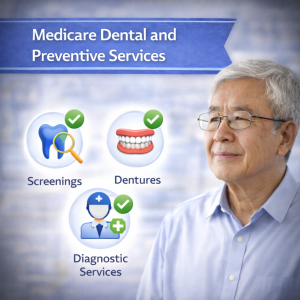
Finding dental insurance that complements Medicare can sometimes be challenging. While Medicare does not typically include dental coverage, there are alternatives designed to help seniors maintain their oral health without financial stress.

Understanding different options allows you to explore plans offering preventive care, fillings, crowns, and more. Some plans offer flexibility or additional services like dentures and implants.

By comparing what’s available, you can make an informed decision that supports your dental health needs. Let’s explore the available choices and find something just right for you.

Key Highlights

  • Non-Medicare dental plans offer coverage for services like cleanings, fillings, and crowns not covered by Medicare.
  • Advantage dental plans integrate dental with broader health insurance, providing comprehensive healthcare options.
  • Private dental insurance allows customized plans suited to specific needs, including services like dentures and implants.
  • Preventive services in dental plans help detect issues early, reducing future treatment costs and promoting oral health.
  • Location significantly impacts insurance plan offerings, highlighting the need for ZIP code-based search tools for options.

Compare Dental Plans

Understanding Alternatives to Medicare Dental Coverage

As we grow older, maintaining oral health becomes essential, but navigating Medicare’s limits can be tricky. Original Medicare doesn’t offer coverage for most dental services, leaving gaps in dental care.

Exploring alternatives to Medicare dental coverage offers more comprehensive solutions. Options like Medigap, dental savings plans, and private insurance can provide access to crucial dental services.

Each of these options comes with its own benefits, costs, and limitations. Seniors and caregivers should understand these alternatives to make informed decisions, ensuring peace of mind and financial security when it comes to dental health.

Why Consider Non-Medicare Options?

When it comes to dental coverage, many seniors and their caregivers find themselves at a crossroads. Original Medicare doesn’t cover most dental services like cleanings, fillings, or dentures.

This gap can lead to unexpected out-of-pocket expenses, making it vital to explore non-Medicare options. One of the primary considerations is that these alternatives, such as dental plans offered by private insurance companies, can provide the coverage that Medicare lacks.

Insurance plans typically offer more extensive coverage for routine checkups, cleanings, and even complex procedures like crowns and root canals.

Another reason to consider alternatives is the customization they provide. Unlike Medicare, which has fixed terms, insurance plans can be tailored to one’s specific needs.

Seniors can choose a plan based on the services they anticipate needing and what they can afford. This level of customization ensures that beneficiaries receive the dental care they require without unnecessary services adding to their costs.

Cost management is another strong argument for these options. With Medigap supplement plans, for instance, one can combine both medical and dental coverage, often reducing the overall cost.

Additionally, dental savings plans offer significant savings on many procedures without the complexities of traditional insurance. These plans allow you to pay a yearly fee in exchange for reduced rates at dental clinics.

Considering these options means a proactive approach to dental health. It’s not just about safeguarding against unexpected costs, but also about ensuring access to preventive care.

Regular dental visits fall under preventive care, which can detect issues early on, avoiding more costly treatments later. Weighing these factors thoughtfully can lead to more than financial savings; it can significantly improve one’s quality of life.

Take time to explore varied dental plans and assess their offerings. Location-specific constraints may also affect your choice, so entering your ZIP code at Dentalinsuranceforsenior.org can help identify applicable options in your area.

Exploring Advantage Dental Plans

If you’re navigating dental coverage alternatives to Medicare, Advantage dental plans might be a consideration. These plans often integrate dental services with broader health insurance, offering seniors a unique blend of coverage options.

By exploring Advantage dental plans, you’ll find a combination of routine care, specialized services, and potentially broader network choices. Understanding the benefits and considerations of these plans helps you determine if they align with your needs and budget.

Dive deeper into the advantages and potential constraints of Advantage Dental to make more informed healthcare decisions.

Benefits and Considerations of Advantage Dental

Advantage dental plans provide a combination of benefits that appeal to many who seek additional coverage beyond what’s available from traditional Medicare. One of the main benefits is comprehensive coverage, which could include routine checkups, cleanings, and more complex services such as crowns and fillings.

These plans typically group dental, vision, and hearing services together, offering a holistic approach to health care covering a range of services under one plan. For seniors, accessing preventive care through these plans can prevent more severe issues later on, maintaining both oral health and financial wellness.

However, while Advantage plans can offer extensive coverage, it’s vital to understand the network restrictions. These plans usually require you to choose from a network of dentists, which might limit your options compared to traditional dental insurance plans.

It’s crucial to verify that the dental networks available include professionals who can cater to your specific needs. Moreover, the benefits and the scope of coverage can vary significantly based on location and specific plan structure, adding a layer of complexity when selecting a plan.

This local variance means that evaluating the specifics of each plan in relation to where you live is crucial.

Cost is another significant consideration. While Advantage plans can offer coverage that fills the gaps left by Medicare, understanding the overall costs, such as premiums, copayments, and deductibles, is essential.

Comparing these against the potential out-of-pocket expenses that could arise from uncovered services helps in making a prudent decision. Also, take note of the covered services, as sometimes a plan might require prior authorization or have waiting periods for certain procedures, which could affect access to necessary dental care.

Thinking ahead and considering these factors provides a broader perspective on how Advantage plans integrate with your overall healthcare needs. Seniors and caregivers can explore these plans to find a coverage balance that minimizes costs while ensuring access to needed services.

As these plans vary by state and provider, it’s beneficial to enter your ZIP code on Dentalinsuranceforsenior.org to explore the Advantage plans relevant to your location. Engaging with these options ensures that your dental care will be consistent with your healthcare goals without leaving significant gaps.

Exploring Advantage Dental Plans

Private Dental Insurance Explained

When it comes to dental coverage, private insurance can be a suitable alternative for those who find Medicare’s limitations unsatisfactory. Unlike Medicare, private dental insurance offers more comprehensive plans through various companies.

These insurance options provide seniors and caregivers with solutions tailored to specific dental needs without dealing with the intricacies of Medicare.

By understanding what private insurance offers, you can find a plan that includes the services you need, from preventive care to more complex procedures.

Exploring these private options can lead to more personalized coverage that meets your unique requirements.

What is Private Dental Insurance?

Private dental insurance refers to coverage provided by private companies rather than government programs like Medicare. This insurance allows individuals and seniors to purchase coverage that aligns with their specific needs, offering flexibility in terms of services and providers.

Typically, private insurance companies offer plans that include a wide range of benefits, covering routine cleanings, exams, and essential procedures like fillings and crowns.

These plans often extend beyond basic dental care, allowing access to specialized services such as dentures and implants, which Medicare does not typically cover. Additionally, private dental insurance can be customized based on what you, as a policyholder, anticipate needing, providing you with more control over your dental care.

One of the significant advantages of private insurance is the scope of coverage it provides. Unlike fixed government programs, private plans can offer extensive service options, ensuring your dental health is well-cared for.

Insurance companies design these plans to cover preventive services, essential for maintaining oral health and preventing costly issues down the road. For seniors, this includes regular checkups that can catch problems early, minimizing the need for more invasive and expensive interventions later.

When considering private dental insurance, it’s crucial to evaluate how a plan integrates with your overall health care. These plans often complement medical insurance, providing a cohesive approach to health management.

An essential aspect to remember is that private dental insurance varies depending on the insurance company and your location. Costs such as premiums, deductibles, and copayments can differ, so it’s vital to compare plans to find the most cost-effective option for your budget.

Additionally, the network of dentists available through each plan might impact your choice. Ensuring that your preferred dental care professionals are within the covered network will help avoid unexpected out-of-pocket expenses.

If you’re considering private dental insurance, evaluate what each plan offers in terms of benefits and limitations. For instance, some plans might include additional services for seniors, like hearing aids or vision care, providing added value.

Taking the time to explore various options and their coverage differences can lead to more informed decisions. Visit Dentalinsuranceforsenior.org and enter your ZIP code to see local private dental insurance plans tailored to your area, ensuring you get the most relevant, comprehensive coverage possible.


Coverage OptionsFlexibilityConsiderations
Basic PreventivePlan CustomizationCost vs. Benefit Analysis
ComprehensiveProvider ChoicesPolicy Limitations
Specialized ServicesPayment OptionsWaiting Periods
Cosmetic ProceduresNetwork Availability


This table highlights the critical elements of private dental insurance, providing insights into its flexibility, coverage options, and considerations for personalized dental care.

Customized Dental Plan Options for Everybody

Finding the right dental plan can feel a bit overwhelming, but it’s all about aligning your choices with your specific needs and financial comfort. With a broad array of options ranging from individual plans to group programs, seniors can customize their dental coverage effectively.

By exploring what’s available from different companies, individuals can truly tailor their insurance needs. Whether you need routine preventive care or more comprehensive coverage for additional services, there’s a plan out there for everyone, irrespective of location.

This personalized approach ensures that you’re not paying for services you don’t need.

Finding a Dental Plan That Fits Your Needs

One of the biggest challenges when it comes to dental insurance is finding the plan that perfectly matches your specific needs. It’s important to start by considering what type of dental services you’re likely to require.

Some people might only need coverage for routine checkups and cleanings, while others might anticipate needing more extensive procedural work like fillings, crowns, or even dentures. The right plan needs to cover the services you’ll most likely use without charging for extras you won’t need.

Analyzing your health history can provide insights into potential future requirements, making it easier to pinpoint what type of dental plan would be ideal for you.

Another aspect to consider is the distinction between individual and group plans. Individual dental insurance plans are customizable, often providing broad options to choose from if you prefer a standalone plan for personal dental coverage.

On the other hand, group plans can offer substantial savings, especially if you’re part of a retirement community or have access to group insurance through an alumni group or similar collective. These plans, often organized through a company, offer competitive rates and wider coverage because of their larger risk pool.

It’s also crucial to look at different insurance companies and the specific offerings they have. Each company might offer slightly different benefits or focus on various aspects of dental care, influencing your choice.

Some plans might lean more toward preventive care and hygiene, whereas others might offer extensive coverage for restorative procedures or even orthodontics. Comparing these options ensures that the plan you choose aligns with your health requirements as well as your financial capabilities.

Your location plays a significant role in determining the best plan for you, as coverage details and provider availability can vary. Many plans have networks that might limit which dentists you can see without incurring additional costs.

Ensuring that your preferred dental professionals are included in a plan’s network can help avoid unexpected expenses later on.

If you’re unsure about what’s available in your area, visiting Dentalinsuranceforsenior.org and entering your ZIP code is a helpful step in finding customizable options that fit your location-specific needs.

This approach keeps your dental health both accessible and budget-friendly.

Customized Dental Plan Options for Everybody

Costs and Coverage of Dental Insurance

Exploring dental insurance options requires a solid grasp of the costs and coverage details involved. Understanding the main cost factors and how coverage varies can help seniors and caregivers make informed choices.

Dental insurance typically involves premiums, deductibles, and copayments, each impacting your out-of-pocket expenses differently. It’s essential to compare the coverage details of different insurance plans to find the best fit for your dental care needs, whether you require routine services or more comprehensive care.

This way, you can ensure adequate coverage and potential savings on dental costs over time.

Understanding the Cost Factors and Coverage Details

When it comes to understanding dental insurance, taking a closer look at cost factors and coverage details is crucial. The overall cost of a dental insurance plan often includes a combination of premiums, deductibles, and copayments or coinsurance.

Premiums are the monthly payments you make to maintain your insurance coverage. These costs can vary significantly depending on the level of coverage you select and the insurance provider.

It’s essential to balance the cost of premiums with the benefits offered, ensuring that you’re not overpaying for services you might not need.

Another critical component is the deductible, which is the amount you need to pay out-of-pocket before your insurance starts covering services. Understanding your deductible is vital because a higher deductible usually means lower premiums and vice versa.

However, if you anticipate needing frequent dental care, a lower deductible might be more advantageous. Additionally, copayments or coinsurance rates represent the portion of costs you’re responsible for when accessing dental services.

These can also vary based on the procedures and the specific plan chosen.

Coverage details of dental insurance plans differ greatly, which is why it’s essential to compare what’s offered by various insurance companies. Most plans cover preventive services like cleanings and exams at a higher percentage, typically 80-100%, as they promote early detection and savings by preventing more severe conditions.

However, coverage for fillings, crowns, and other restorative procedures might be lower, often around 50-70%. It’s important to understand that some plans may also have waiting periods for certain services, which can delay when your coverage begins for specific treatments.

Finally, keep in mind that dental insurance often has annual maximums, or the maximum amount your plan will pay for dental care in a given year. Once you reach this limit, you’ll need to cover additional costs out-of-pocket until the next policy year begins.

Assessing these coverage limitations helps in planning your dental care needs and ensures you’re prepared for any out-of-pocket expenses.

By carefully evaluating the cost factors and coverage details, you can choose a dental insurance plan that offers the right balance of affordability and comprehensive care, tailored to your specific needs and financial situation.

Practical Tips for Navigating Your Dental Insurance Plan

  • Review the list of network dentists to avoid unexpected out-of-pocket costs.
  • Evaluate if preventive services, like cleanings, are fully covered by your plan.
  • Check annual maximums to plan for potential additional expenses after reaching coverage limits.
  • Understand your policy’s waiting periods to anticipate delays in coverage for major services.
  • Compare copayment or coinsurance rates for common procedures such as fillings or crowns.
  • Assess if lower deductibles could benefit your needs for frequent dental visits.


By considering these aspects, you can optimize your dental insurance plan to suit your needs better.

Find & Compare Plans Online

Speak with a licensed insurance agent

1-855-425-2095TTY 711

Mon-Fri: 8am-9pm ET

Dental Benefits Beyond Basic Care

Exploring dental insurance beyond basic care offers enhanced coverage that caters to broader health needs. While Medicare is limited in its dental offerings, additional benefits are available through various plans.

These options extend beyond standard cleanings and checkups, covering a range of essential and specialized dental services. Understanding these additional dental services ensures that seniors receive comprehensive healthcare, preventing the escalation of routine dental needs into costly procedures.

This exploration of benefits reveals how seniors can access extensive coverage that aligns with their evolving health requirements, offering peace of mind and financial stability.

What Are Additional Dental Benefits?

Additional dental benefits play an essential role in comprehensive healthcare, addressing both routine and unexpected dental needs. Unlike standard Medicare coverage, which often leaves gaps, additional services provided by alternative insurance plans can include benefits beyond basic cleanings and exams.

These benefits often cover essential procedures such as fillings and crowns, helping seniors manage unforeseen dental issues without financial strain. By paying premiums for these additional services, seniors can reduce out-of-pocket expenses when unexpected dental needs arise, creating a safety net for their oral health.

The breadth of additional dental services extends to preventive care, improving long-term oral health, and potentially reducing healthcare costs over time. Preventive services offered through enhanced plans might include bi-annual checkups, fluoride treatments, and routine X-rays.

These services identify oral health issues early, preventing deterioration and the need for more intensive treatments. Such proactive care aligns with a holistic approach to health, ensuring that seniors receive comprehensive dental attention tailored to their specific needs.

Incorporating specialized services also broadens the protection scope beyond what typical insurance covers. Services like orthodontics, periodontal care, and even coverage for implants or dentures can be included under advanced dental plans.

Such extensive health coverage is vital for seniors experiencing more complex dental issues. These additional dental benefits ensure coverage for a wide array of health needs, making dental health maintenance more accessible and manageable.

Lastly, dental plans offering these benefits vary greatly in their coverage, reflecting regional differences and provider choices. Seniors can select plans that match their health needs and financial capacity, finding a balance between service breadth and cost.

It’s essential to review and compare these plans, possibly with market offerings search tools, to align them with personal health requirements. These additional services empower seniors to effectively manage their oral health, offering peace of mind through a comprehensive approach that bridges existing gaps in Medicare and other basic plans.

Dental Benefits Beyond Basic Care

Understanding Waiting Periods and Limitations

Dental insurance can vary greatly in terms of waiting periods and coverage limits. Understanding these aspects is crucial in selecting a plan that suits your needs.

Waiting periods are the time you must wait before certain services are covered by your insurance. They can impact when you can access needed services, affecting overall dental care.

Additionally, the limitations in coverage dictate what services are included and to what extent. By learning about these components, seniors and caregivers can make informed decisions on their dental coverage, ensuring access to affordable and essential services.

How Waiting Periods Affect Your Coverage

Waiting periods in dental insurance are a common feature that many seniors and caregivers may find puzzling, yet these periods are significant in determining when you can begin using your insurance for specific services.

Generally, waiting periods are the time frame between when a policy is bought and when coverage for certain procedures begins. Understanding these periods is crucial because they can affect your ability to get the necessary dental services promptly.

For example, preventive services like cleanings and routine exams might be available without a waiting period. However, more extensive procedures such as crowns, root canals, or dental implants often come with 6 to 12-month waiting periods, depending on the insurance program.

The main reason insurance companies impose these periods is to prevent individuals from enrolling in a plan only when they expect to need expensive treatments and then discontinuing coverage afterward.

While these waiting periods may seem inconvenient, they help maintain the balance of providing coverage and managing costs for all policyholders.

For seniors, understanding the specifics of waiting periods is vital because it can significantly influence when and how they receive dental services. Suppose you have immediate needs for dental care that include major procedures.

In that case, selecting an insurance option with minimal waiting periods or one that waives these periods for specific services is essential. While shopping for dental insurance, it’s crucial to compare different plans and check how waiting periods may affect your short-term and long-term dental care needs.

This is especially true for those who anticipate needing services soon after enrollment. Ensuring you’re informed about the waiting periods means avoiding unexpected out-of-pocket expenses during gaps in coverage.

To make the best decision, seniors and their caregivers should consider entering their ZIP code on Dentalinsuranceforsenior.org to explore local options, as coverage and waiting periods often vary by location. Understanding how these factors align with your dental care goals makes choosing the right insurance plan easier and more efficient.

Understanding Waiting Periods and Limitations

Tips for Choosing the Right Plan for Your Budget

Choosing the right dental plan can significantly impact your financial well-being and oral health. Balancing costs and coverage is crucial while evaluating these plans.

Understanding your specific dental needs and how they align with various options helps. Many plans offer different benefits and cost structures.

Before deciding, consider the plan type, whether it’s an individual or a group plan. Compare costs like premiums and deductibles with the scope of coverage to ensure an economical and efficient choice.

By doing so, you stand to make an informed, budget-friendly decision that meets your healthcare needs.

Balancing Costs and Coverage Effectively

When looking to balance costs and coverage effectively, understanding the nuances of dental insurance is key. Initially, it’s crucial to examine the monthly premiums, as these regular payments form the bulk of your annual cost.

Consider plans from multiple insurance companies to see how their premiums and benefits stack up against each other. In balancing costs and coverage, don’t overlook the deductible, which is the amount you pay upfront for your dental care before your insurance kicks in.

A lower deductible might be ideal if you anticipate frequent visits or more complex procedures. Alternatively, if you expect only routine care, opting for a plan with a higher deductible might reduce your monthly premiums – a perfect cost-saving strategy for maintaining low ongoing costs while ensuring necessary coverage when needed.

Alongside premiums and deductibles, copayments represent an essential cost factor. This is what you’ll pay out of pocket for specific services like exams, cleanings, or X-rays.

Selecting a plan where the copayments align with your expected dental care frequency can lead to significant savings. This careful balancing act helps in maximizing the coverage for the cost involved.

Moreover, avoid plans that seem to offer excessively low premiums; these might come with limited coverage or high out-of-pocket expenses for necessary procedures, negating any initial savings. On the coverage side, delve into the types of services that plans fully or partially cover.

Preventive care often has full coverage and should be a priority as it prevents costlier procedures down the line. For other services like fillings, crown services, or even specialized care such as implants, verify what percentage of the costs would be covered.

With this approach, you can tailor your plan choice to cover the services you’ll most likely need without paying for unnecessary coverage. This consideration ensures you’re not just finding the cheapest option but rather the most effective group or individual plan for your specific healthcare needs.

Equally important is understanding any plan-specific limitations, such as network restrictions that could impact your choice of dental care provider and service coverage extent. This restriction could influence your satisfaction and care choices, as not all professionals may be covered.

Also, some plans offer additional group benefits through association or employer-based programs, making them more cost-effective than individual plans if you’re eligible. Dentalinsuranceforsenior.org provides an excellent resource by allowing you to compare different plans using your ZIP code to identify available options in your area.

Balancing these elements thoughtfully will help you choose an insurance plan that aligns effectively with your coverage needs without straining your budget.

Tips for Choosing the Right Plan for Your Budget

The Importance of Preventive Services in Dental Plans

Preventive services play a crucial role in dental plans by focusing on maintaining oral health and avoiding expensive future treatments. These dental services help catch potential issues early, ensuring more manageable care and often reducing overall healthcare costs.

It’s important to understand what preventive services are typically covered in dental plans, as they form the backbone of routine care. This ensures that seniors, especially, can access necessary care without financial stress.

Diving deeper into the specifics of covered services provides insights into how these services protect well-being and contribute to effective healthcare management.

What Preventive Services Are Typically Covered?

In most dental plans, preventive services are highly prioritized due to their role in maintaining long-term oral and general health. These typically include routine exams, cleanings, and x-rays, all designed to identify oral health issues early before they escalate into more serious conditions.

Such services might also extend to fluoride treatments, which strengthen tooth enamel, especially beneficial for seniors who may experience enamel thinning over time. Additionally, some plans may cover sealants, though this is often more targeted toward younger patients.

These services are regularly covered at 100% because they represent a cost-effective strategy for insurance providers to mitigate the need for more expensive interventions like fillings or crowns down the line.

Understanding what’s included in your preventive services coverage can help you maximize the benefits of your dental insurance. Often, dental plans will require that these services are performed within a specified network to qualify for full coverage.

It ensures cost management for insurers while providing you access to necessary care. Make sure to verify whether your preferred dentist is part of the dental network to avoid unexpected out-of-pocket expenses.

This network requirement emphasizes the integration of preventive services with the broader healthcare environment, underscoring their importance within both dental and medical plans. Also, note that cleanings and preventive exams might have specific limits, typically twice per year, to maintain your insurance’s support and limit overuse.

Besides cleanings and x-rays, your plan might offer partial coverage for more frequent checkups, particularly if you’re managing chronic conditions that impact dental health, like diabetes.

Some comprehensive plans also include advanced screening techniques, crucial for early detection of oral cancers or potential periodontal disease, reflecting a convergence of dental and general health care.

This holistic approach ensures that preventive dental services align closely with your health needs, providing reassurance and proactive care.

Ultimately, the importance of these preventive services shouldn’t be understated. They represent a vital aspect of any dental plan, adequately bridged to enhance oral health and overall health.

As you explore the specifics of your dental insurance coverage, it’s wise to ensure these essential services are in place and accessible within your plan. Prioritizing an insurance plan that emphasizes preventive services offers peace of mind, knowing your dental health is supported by a robust safety net.

To find a plan that covers these crucial services in your area, consider using tools like Dentalinsuranceforsenior.org, which helps tailor options based on your healthcare and location needs.

Exploring Insurance Options in Your Area

Choosing the right dental insurance involves understanding how your location affects available options. Insurance varies widely based on geographic area, meaning that seniors and caregivers must consider local specifics when selecting a plan.

With differences in network structures and availability by location, insurers provide a range of coverage solutions. Knowing how these regional variations influence your insurance choices helps in finding a plan that fits both your dental health needs and your budget.

You’ll gain a clearer understanding of options by evaluating the programs and plans available around you.

How Location Influences Your Insurance Choices

Your location significantly impacts the insurance options available to you, especially when it comes to dental plans. Companies often rely on geographic factors to determine the specifics of their programs, which include which dentists are within a network and the range of services covered.

For example, densely populated urban areas might have more extensive network choices, providing access to a wider pool of dental professionals. Conversely, rural regions might present limited choices, requiring more targeted exploration to find suitable insurance options.

This variation is primarily due to how insurance companies establish networks based on provider availability and regional healthcare needs. Understanding the regional network means you can select a plan that accommodates your preferred providers or includes broader network access, offering flexibility in choosing healthcare professionals.

Some insurers also offer special group rates or discounted premiums based on the local group collaboration, such as a regional employer or community organization. Group plans are an excellent avenue to access enhanced coverage and competitive rates.

Where you live can also dictate the cost factors for your insurance. Location affects policy premiums and coverage because of varying healthcare costs in different regions.

Typically, higher costs of living mean higher premiums, but they also translate to more extensive service offerings in local clinics, which could be advantageous if dental care needs are more complex. By understanding these location-driven differences, seniors can tailor their search for affordable and practical insurance plans that suit their dental care requirements.

An essential step in choosing the right coverage involves entering your ZIP code on a platform like Dentalinsuranceforsenior.org. This action provides tailored information on insurance programs specific to your area, helping you navigate through the myriad of plans.

Exploring insurance options in your area allows you to understand the influences of your location on plan offerings, ensuring that the insurance choice aligns with personal healthcare goals, ultimately offering peace of mind and financial security.

Finding dental coverage that fits your needs is important. While traditional Medicare doesn’t cover routine dental care, there are many other options.

Researching private insurance plans or discount programs can be beneficial. These alternatives vary in cost and coverage, so understanding their features is key.

It’s helpful to compare options in your area, looking at what’s included in each plan. This can ensure you find a suitable match for dental care needs.

Enter your ZIP code on our website to see local dental insurance choices, remembering coverage and prices differ by location.

Compare Dental Plans

Frequently Asked Questions

Does Medicare cover dental expenses?

Original Medicare does not typically cover routine dental services such as cleanings, fillings, or extractions. However, there are alternative plans available that are designed to fill this gap for seniors.

What types of dental plans are available to seniors beyond Medicare?

Seniors can explore several options, including private dental insurance, Advantage dental plans, and dental savings plans. Each option varies in terms of coverage, benefits, and costs, so it’s important to compare what each plan offers.

How does location affect dental insurance options?

Insurance options can vary by location due to differences in provider networks and plan offerings. Using ZIP code tools on websites like Dentalinsuranceforsenior.org helps identify options available in your area.

What are the benefits of preventive dental services?

Preventive services, such as regular checkups and cleanings, help detect oral health issues early, reducing the need for more extensive and costly treatments later. Most dental plans cover these services, prioritizing long-term oral health.

Why are waiting periods important in dental insurance?

Waiting periods refer to the time before certain services are eligible for coverage after a policy is purchased. Understanding these periods ensures you are prepared for any delays in coverage for more extensive procedures.

Have Questions?

Speak with a licensed insurance agent

1-855-425-2095

TTY users 711

Mon-Fri: 8am-9pm ET

Find & Compare Plans Online

Speak with a licensed insurance agent

1-855-425-2095TTY 711

Mon-Fri: 8am-9pm ET

ZRN Health & Financial Services, LLC, a Texas limited liability company