Flexible Spending Accounts (FSAs) offer a tax-advantaged way to cover medical expenses, including dental procedures like implants.
By contributing pre-tax dollars from your paycheck into an FSA, you lower your taxable income, subsequently decreasing your overall tax burden. These contributions can be used to pay for qualified medical expenses, easing the financial impact of dental treatments.
To use an FSA for dental implants, one typically must ensure the procedure is eligible under the plan’s guidelines. Most FSAs cover the bulk of necessary dental services, making it a flexible cash flow strategy.
It’s advisable to check with your healthcare provider or plan administrator to understand the exact nature of what’s covered, taking full advantage of the benefits associated with FSAs. Having these funds readily available can significantly alleviate the immediate burden of implant costs.
It’s important to note that FSAs are often subject to a “use it or lose it” policy, meaning any unused funds might not roll over at the end of the year. This necessitates careful planning and estimation of upcoming dental expenses to maximize the benefit.
Engaging with your list of healthcare needs early ensures you allocate an adequate amount for the year, preventing potential wastage of funds.
Furthermore, coordinating payments with FSA distributions can help streamline financial management. Ensuring expenses align with available FSA resources can minimize the out-of-pocket expenditure, keeping dental care within the realm of affordability.
By leveraging FSAs effectively, dental procedures can be integrated into a larger financial strategy, minimizing stress and enhancing healthcare access.
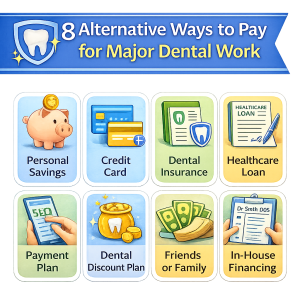
Exploring alternatives to dental insurance can help you find ways to manage implant costs. Each option offers different benefits, so it’s important to research and consider what fits your needs best.
You might explore discount dental plans, which often negotiate lower rates for dental services. Community clinics may also offer care at reduced fees.
Finally, discussing payment plans directly with your dentist might uncover additional affordability options. By understanding these alternatives, you can make informed decisions about how to approach your dental health.
Enter your ZIP code on our site to explore more tailored dental care options in your area.