Affordable Dental and Vision Insurance for Seniors

Finding affordable dental and vision insurance can be challenging for seniors. Understanding your options is crucial to maintaining overall health and wellness. Many plans provide essential benefits like regular check-ups, glasses, and dentures, which help you stay healthy and save money.

Knowing what each plan offers can guide you in choosing coverage that suits your needs. Seniors often have unique concerns, so it’s important to explore your choices carefully. This guide will help you learn about different dental and vision insurance plans available for seniors and how they can aid in managing your health expenses effectively.

Key Highlights

  • Dental insurance is crucial for seniors to manage oral health costs, including preventive care and treatments like fillings and dentures.
  • Seniors should consider factors like premiums, networks, and waiting periods when choosing dental plans for cost-effective care.
  • Vision plans complement dental coverage by addressing eye care needs, offering services like exams and glasses.
  • With combined dental and vision insurance, seniors can streamline healthcare management and gain comprehensive coverage.
  • Evaluate dental and vision plans based on coverage, costs, and provider networks to ensure they match personal needs and budgets.

Compare Dental Plans

Understanding Dental Insurance for Seniors

Dental insurance plays a crucial role in maintaining oral health, especially for seniors who often face unique dental care needs. With various plans available, including individual dental plans and network-based options, seniors can find suitable coverage that meets their needs. Recognizing the importance of dental coverage, seniors should consider factors like waiting periods, cost estimators, and dental benefits to make informed decisions.

In this discussion, we’ll delve into what dental insurance is, and why coverage is vital for maintaining dental health among seniors.

What is Dental Insurance?

Dental insurance is a type of insurance specifically designed to assist with the cost of dental care, aiming to make necessary treatments more accessible. Unlike general health insurance, dental plans usually focus on covering preventive care, such as cleanings and check-ups, which are essential for maintaining long-term oral health. They also help with the cost of other essential services, including fillings, crowns, and sometimes dentures or even implants, though coverage can vary significantly between plans and providers like Cigna and Humana Dental Insurance.

When considering dental insurance, understanding how it functions is crucial. Plans can be broadly classified into three categories: indemnity plans, preferred provider organizations (PPOs), and health maintenance organizations (HMOs). Indemnity plans offer the most flexibility, allowing you to visit any dentist, but they often come with higher out-of-pocket costs.

On the other hand, PPOs give you access to a network of dentists at reduced rates, balancing cost and flexibility. HMOs typically require you to use network providers and may involve lower costs but with less freedom in choosing your dentist. Each type of plan comes with its own set of benefits and limitations, making it important to assess what aligns best with your personal needs and preferences.

Seniors need to understand key terms like premiums, deductibles, and co-pays when navigating dental insurance options. Premiums are regular payments to maintain your insurance coverage, while deductibles refer to the amount you pay out-of-pocket before your insurance kicks in. Co-pays are shared costs for specific treatments. Recognizing these terms can aid in comparing costs between different plans.

Moreover, some plans might include waiting periods, meaning there’s a set period before certain services are covered, impacting the timing of obtaining treatments like crowns or dentures. Understanding these components helps in selecting the best seniors plan tailored to individual needs, especially given that most states have varying regulations around dental insurance.

Common Services Covered by Dental Insurance

Why Is Dental Coverage Important?

Dental coverage is pivotal for seniors because it ensures the affordability of maintaining oral health as we age. As we grow older, we become more susceptible to dental issues such as gum disease, tooth decay, and tooth loss, all of which can significantly impact quality of life. With dental insurance, the financial burden of managing these conditions is considerably reduced, making essential treatments more accessible.

Coverage options typically include preventive services like cleanings and exams, which are vital in the early detection and prevention of serious problems.

Seniors often live on a fixed income, making cost a significant concern when considering dental care. Regular check-ups and cleanings can help avoid more expensive procedures down the line, which might arise from untreated conditions. Humana Dental Insurance and other providers often integrate cost estimators into their plans, allowing seniors to budget effectively by understanding potential expenses ahead of time.

This foresight helps manage finances better, preventing unexpected large bills for treatments like fillings or dentures. Understanding the role of premiums, deductibles, and co-pays in relation to coverage can aid seniors in minimizing out-of-pocket expenses.

Additionally, dental insurance often comes with a network of conveniently located, specialized dental care providers. Access to a network ensures that seniors receive high-quality care from dentists familiar with insurance processes, helping to streamline treatments. Cigna, for example, offers extensive networks that provide seniors with a range of dentists who can meet their unique dental care needs.

Having this network not only provides peace of mind but also enhances the continuity of care, as it allows for consistent treatment coordination.

A significant aspect of dental insurance is addressing the waiting periods for certain treatments. While preventive services are often covered immediately, more complex procedures like crowns or implants may require waiting periods. Understanding these timelines helps seniors plan their dental visits and treatments more effectively, ensuring they don’t delay necessary care.

This planning is essential in maintaining overall health, as untreated dental issues can contribute to more severe health problems, such as cardiovascular disease. With the right dental insurance plan, seniors can continue to enjoy a healthy and active lifestyle, confidently managing their dental health with appropriate coverage and care support.

To provide more clarity on how dental coverage can be a beneficial part of managing oral health for seniors, consider the following points:

  • Explore different dental plans to compare coverage tailored for seniors’ needs.
  • Determine the network of dentists associated with your chosen plan for convenient access.
  • Assess how co-pays, deductibles, and premiums will impact budget planning.
  • Check for preventive services included in the coverage, like regular cleanings and exams.
  • Understand any applicable waiting periods for advanced treatments before proceeding.
  • Use cost estimator tools to forecast potential expenses accurately.
  • Investigate the additional benefits offered, such as coverage for dentures and implants.

These considerations will assist seniors in selecting the most suitable dental plan, enhancing their ability to maintain oral health effectively.

Common Services Covered by Dental Insurance

Understanding the services covered by dental insurance is crucial for seniors, as these plans are designed to help manage the costs associated with dental care. One of the key benefits of dental insurance is its focus on preventive dental care, which plays a vital role in maintaining oral health. Coverage also typically extends to more advanced treatments, including fillings, crowns, and dentures.

Knowing what dental insurance covers can assist seniors in planning for their healthcare needs and selecting the right provider network to maximize their dental benefits, ensuring comprehensive coverage and minimal out-of-pocket expenses.


Service TypeTypical CoveragePotential CostsConsiderations
Preventive Care80%-100%Low to NoneIncludes regular check-ups and cleanings; often fully covered.
Basic Treatments70%-80%ModerateCovers procedures like fillings and root canals; partial coverage may apply.
Advanced Treatments50%-70%HighIncludes crowns and dentures; inquire about waiting periods and coverage limits.
OrthodonticsLimitedVariesOften not covered for adults; verify details with the insurance provider.

This table provides an overview of common dental services, illustrating how dental insurance coverage can effectively manage costs and support oral health maintenance for policyholders. It serves as a guide to understanding potential coverage and financial considerations for various dental procedures.

Preventive Dental Care Explained

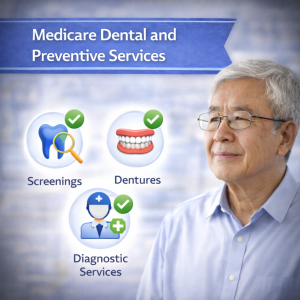
Preventive dental care is one of the foundational elements of most dental insurance plans, focusing on routine check-ups and cleanings that help detect issues early. This type of care often includes services like oral exams, fluoride treatments, and dental X-rays. Dental insurance typically covers preventive care fully or with minimal co-pays, making it accessible and affordable for seniors.

These regular check-ups are crucial because they can prevent more significant issues that could lead to costly treatments. The emphasis on preventive care helps maintain oral health, reducing the risk of gum disease, cavities, and other dental problems that become more common as we age.

Furthermore, the importance of a provider network comes into play significantly with preventive care. Choosing an insurance plan with a robust network ensures seniors can access a wide range of dentists nearby who are familiar with their specific insurance coverage. Providers like Cigna Dental and Guardian offer extensive networks that make finding a qualified dentist easier, providing peace of mind and continuity of care.

By staying within network, seniors often enjoy reduced costs on their visits because insurance companies have pre-negotiated rates with network providers.

In addition to regular visits, preventive dental care also involves the education of proper oral hygiene techniques. Dentists often guide their patients through best practices for brushing and flossing, which can greatly reduce the chances of developing more severe and expensive dental issues. The educational aspect of preventive care empowers seniors to take charge of their oral health, potentially reducing the number of necessary dental visits over time.

Knowledge about maintaining proper oral hygiene can spare seniors from more serious, painful, and expensive dental treatments in the future.

Moreover, some dental plans may offer preventive services without waiting periods, allowing new policyholders to benefit immediately upon the plan’s initiation. This immediate access is particularly advantageous for seniors, as it alleviates the worry of delaying necessary check-ups. Quick access to preventive dental care can set the tone for more effective overall health management, preventing small issues from escalating untreated.

Therefore, when choosing dental insurance, it is beneficial to look at the preventive care service details included in the plan to ensure coverage aligns with personal health needs and expectations.

Understanding Fillings, Crowns, and Dentures

As dental needs become more complex, understanding how dental insurance covers treatments like fillings, crowns, and dentures is essential. These treatments are common among seniors and can be significantly costly without proper coverage. Fillings are used to repair teeth damaged by cavities, while crowns are employed to restore functionality and appearance to a damaged tooth by covering it fully.

Dentures, whether partial or full, replace missing teeth, offering structural support and improving chewing ability. Dental insurance plans typically cover a substantial portion of the cost of these procedures, though specifics can vary widely between providers.

Coverage for fillings often involves a blend of insurance payments and out-of-pocket costs, largely depending on the type of filling material chosen. For instance, composite fillings might cost more but are aesthetically pleasing, while silver amalgam may be less expensive. Insurance plans usually cover a certain percentage, typically up to 80%, but knowing the specifics of your plan, including deductibles and co-pays, is crucial for budgeting purposes.

Crowns are a more intensive procedure and generally require a higher out-of-pocket cost. Dental insurance will often cover crowns but may impose waiting periods for major services, meaning that you may need to be on the plan for a certain period before coverage begins. Seniors should anticipate these timelines in their care plans to avoid unexpected financial burdens.

Additionally, insurance policies might only cover specific types of crowns, often preferring less expensive options, unless the dentist can justify the need for a different type.

Dentures provide another layer of complexity when considering dental insurance. Full dentures may not be completely covered by all plans, leading to notable out-of-pocket costs. However, some plans include dentures in their standard coverage, especially under more comprehensive plans.

As with other substantial procedures, dentures may also include waiting periods. Understanding the intricacies of your policy with respect to dentures can help in managing costs and expectations efficiently.

In addition to coverage specifics, selecting an insurance plan with a comprehensive provider network is vital. Networks like those offered by providers such as Cigna not only give access to competitive pricing but also ensure the quality and specialization of dentists participating in the plan. By navigating these considerations carefully, seniors can maintain their oral health more effectively and economically.

Understanding how different providers handle the costs and processes of these treatments helps seniors to make informed decisions that best suit their long-term care needs. Comparing plans and their respective coverage details can save significant money and hassle in the long run, ensuring that dental and overall health do not become overwhelming challenges.

Find & Compare Plans Online

Speak with a licensed insurance agent

1-855-425-2095TTY 711

Mon-Fri: 8am-9pm ET

Overview of Senior Dental Plans

Senior dental plans are crucial for ensuring that seniors maintain optimal oral health without facing financial strain. These plans come in various forms, each offering unique benefits tailored to different needs and budgets. Understanding the nuances of these plans will help you choose a plan that provides the best coverage for individual requirements, focusing on factors such as premiums, coverage options, and waiting periods.

Our detailed guide will illuminate the pivotal aspects of selecting appropriate dental insurance, emphasizing considerations to make when choosing a plan and the role of monthly premiums in your decision.

Factors to Consider When Choosing a Plan

When selecting a senior dental plan, it’s important to consider several key factors to ensure that the plan you choose aligns with your healthcare needs and financial situation. First, think about the coverage options available. Some plans offer comprehensive coverage that includes preventive dental care, along with services like fillings, crowns, and dentures, while others may only cover basic procedures.

Understanding what specific treatments are covered is essential to avoid unexpected costs. Providers such as Humana Dental Insurance and Delta Dental offer diverse options that cater to various dental needs and budget constraints.

The insurance company’s provider network is another critical element to consider. A comprehensive network provides access to a wide range of dentists who can offer services at negotiated rates. Seniors should seek plans that include a robust network of reputable providers, which not only helps reduce out-of-pocket costs but also ensures consistent and reliable care.

Cigna Dental, for example, is known for having extensive networks that make accessing dental services more convenient.

Monthly premiums are a significant factor as well. It’s crucial to balance between affordable premiums and the level of coverage you receive. Sometimes, a lower monthly premium might lead to higher out-of-pocket expenses, especially if the plan has high deductibles or co-pays.

Therefore, a careful analysis using a cost estimator can help in assessing the true cost of a plan over time, taking into account both premiums and potential out-of-pocket expenses.

Waiting periods can also impact the value of a dental plan, especially if you need immediate care for more extensive treatments. While preventive services often have minimal or no waiting periods, more involved treatments like crowns or dentures might require a waiting period before coverage kicks in. Understanding these timelines is crucial to planning your dental care effectively without incurring unnecessary financial burdens.

Finally, considering the financial stability and reputation of the insurance company is essential. Look for insurers with positive reviews and reliable customer service, which can ensure support when processing claims or addressing policy questions. Researching insurers like Delta Dental and Humana can provide insight into their performance and reliability.

By carefully weighing these factors, seniors can select a dental insurance plan that maximizes their benefits and minimizes costs, ensuring optimal dental health as they age.

The Role of Monthly Premiums in Your Choice

Monthly premiums play a vital role in the decision-making process when selecting a senior dental insurance plan. They represent the regular fee paid to maintain insurance coverage and can vary significantly depending on the plan’s benefits and the insurance company. Finding an affordable monthly premium is crucial, but it’s equally important to balance premium costs with the coverage offered to ensure that the plan meets your dental health needs without inflating out-of-pocket expenses.

Affordable premiums can sometimes be associated with plans that provide limited coverage or have high deductibles, which means that while you pay less monthly, you may face higher costs when accessing dental services. Therefore, it’s essential to evaluate not just the premium, but also the overall value offered by the plan. By using a cost estimator, you can predict potential out-of-pocket costs for various treatments like fillings, crowns, or dentures, and weigh these against the monthly premium to determine the most cost-effective option.

Another consideration is how premiums interact with the plan’s provider network. Plans with an expansive network might offer slightly higher premiums, but they provide access to a larger range of dentists and potentially lower treatment costs through negotiated rates. Providers like Cigna Dental and Humana Dental Insurance often offer extensive networks that can enhance the value obtained from your premium payments.

Understanding the dynamics of premiums concerning waiting periods is also vital. Some plans might offer immediate coverage for preventive services at a lower premium, but the trade-off could be extended waiting periods for major treatments. Seniors should evaluate their immediate and long-term dental care needs to decide if a lower premium offsets potential waiting period drawbacks.

Finally, seniors should consider whether high-premium plans offer additional benefits, such as orthodontics or family coverage, even if these benefits aren’t immediately relevant. While these features might not be necessary at present, they can add significant value if your needs change over time. By strategically considering premium costs alongside comprehensive coverage and network access, seniors can pick a dental insurance plan that truly supports their individual healthcare and financial circumstances.

Remember, the goal is to secure adequate coverage at a manageable cost, ensuring peace of mind and consistent care without excessive expenditure.

Vision Insurance Options for Seniors

Vision Insurance Options for Seniors

Understanding vision insurance options is pivotal for seniors, particularly when combined with dental coverage to ensure comprehensive health care. Vision plans address various vision needs, complementing dental insurance by covering vital services such as eye exams and corrective lenses. Gaining a clear understanding of vision coverage basics empowers seniors to make informed decisions that encompass both dental and vision care.

By exploring the interplay between vision plans and dental coverage, seniors can better manage their overall healthcare needs while controlling costs and accessing necessary treatments.

How Vision Plans Complement Dental Coverage

Vision plans and dental coverage can work hand in hand to provide a well-rounded approach to healthcare for seniors. While dental insurance focuses on oral health, vision insurance addresses the unique needs of eye care, such as regular eye exams, prescription eyeglasses, and contact lenses. Often, seniors plans can be crafted to offer both dental and vision coverage, allowing for streamlined management of healthcare benefits under one umbrella.

This combined approach ensures that seniors maintain not only their dental health but also their vision, both of which are crucial as we age.

By choosing a vision insurance plan in tandem with dental coverage, seniors can enjoy a variety of benefits that enhance their quality of life. For instance, dental and vision plans often offer preventive services with minimal to no waiting periods, leading to immediate access to necessary care. This synergy between the two types of insurance can significantly reduce out-of-pocket expenses when accessing services within an insurance company’s network.

With vision plans covering routine services like annual eye exams and offering discounts on glasses and lenses, seniors can ensure that their vision remains sharp and manageable within their budgets.

Moreover, seniors can explore plans that are part of broader seniors plans, offering discounted rates for bundling services. This option is particularly beneficial for those seeking to minimize monthly premiums while maintaining comprehensive coverage options. It’s essential to note, though, that these combined plans may have specific network requirements.

Seniors should ensure their preferred healthcare providers, including optometrists and dentists, are within network to maximize the benefits of their coverage. Insurance companies typically negotiate these details, promoting affordability and access to quality care.

A senior’s choice of vision insurance should be guided by the interactions between vision and dental healthcare needs. For example, after an eye exam detects issues that might impact oral health, such as diabetes-related eye changes, a dental professional can monitor for related dental complications. This integrated approach highlights how vision plans can complement dental coverage by facilitating a holistic view of health, offering both peace of mind and a practical way to manage healthcare costs.

Education on these interconnections, along with straightforward guidance from experienced educators, empowers seniors to make informed choices about their comprehensive healthcare needs.

Understanding Vision Coverage Basics

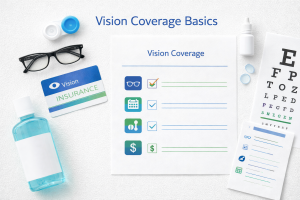
Vision coverage is essential for seniors, covering routine eye care needs like exams and corrective lenses often overlooked yet vital for maintaining quality of life. Vision insurance works similarly to dental insurance by helping reduce the cost of necessary services and offering access to a network of providers. When exploring vision coverage basics, it’s crucial to understand what a typical vision plan entails and the key components it covers.

This knowledge helps seniors navigate the complexities of insurance and make informed decisions suited to their unique healthcare needs.

Vision plans generally offer coverage for routine eye exams, which are crucial for detecting vision changes and early signs of eye diseases that can arise with age. Unlike some dental procedures that may have waiting periods, many vision services are available immediately upon plan initiation. This immediacy is beneficial for seniors as it allows them to address vision issues without delay, ensuring that they remain active and engaged in their daily activities.

Some vision plans even provide allowances for eyeglass frames, corrective lenses, or contact lenses, helping to manage the overall cost of acquiring new eyewear.

A key consideration in vision plans is the network of available providers. Much like dental insurance, vision insurance operates best when services are rendered by in-network providers. These networks allow insurance companies to offer competitive pricing and discounted services, a crucial element for seniors looking to manage healthcare costs effectively.

Thus, it’s important for seniors to review network options and ensure their preferred eye care professionals are included to maximize available benefits and minimize out-of-pocket expenses.

Monthly premiums for vision insurance are generally affordable, with plans tailored to meet the specific needs of seniors. While lower premiums might sound appealing, they could result in reduced benefits or higher out-of-pocket costs for services not fully covered. Evaluating the balance between premium costs and coverage perks is essential.

Seniors should also consider the reputation and customer support of the insurance company offering the vision plan to ensure reliability and transparency in service delivery.

Vision insurance enhances a senior’s overall healthcare strategy by providing specific coverage that complements other health insurances, like dental. Tailoring insurance choices to include both dental and vision coverage is advisable for seniors aiming to maintain comprehensive health care without financial strain. Considering the potential for bundled discounts and integrated care through combined dental and vision plans, seniors are encouraged to explore these coverage options thoroughly.

Ultimately, a well-rounded understanding of vision insurance basics, coupled with strategic decision-making, supports seniors in maintaining their vision health alongside other critical aspects of well-being.

How to Compare Dental and Vision Plans

Looking into dental and vision plans can feel like navigating a maze, but it’s essential for seniors aiming to maintain comprehensive healthcare without breaking the bank. When exploring these plans, you’ll want to focus on understanding the coverage options, the costs involved, and the potential restrictions, such as waiting periods. This section will guide you on evaluating coverage and costs, ensuring you choose a plan that balances value and affordability while addressing your specific healthcare needs.

Tips for Evaluating Coverage and Costs

For seniors exploring dental and vision plans, understanding the nuances of coverage and costs can greatly influence their healthcare outcomes. A practical approach begins with assessing the core elements of any plan, which includes both coverage options and associated costs. Most dental and vision insurance plans offer varied levels of coverage, from basic services like routine check-ups and eye exams to more substantial treatments like crowns or corrective lenses.

The first step is to align the plan’s offerings with personal healthcare needs, ensuring that both dental and vision services are thoroughly covered.

Start by closely examining the services included in the plan. Dental plans might cover preventive care entirely, covering regular cleanings and exams at no extra cost. For vision, ensure that exams and essential eyewear needs are part of the covered services.

It’s also crucial to investigate any network restrictions; insurance companies often require policyholders to visit in-network providers to receive the full benefits of the coverage. Networks like those established by big names like Cigna can offer a broad selection of local providers, simplifying access to care.

The cost aspect of dental and vision plans often centers around monthly premiums, co-pays, and deductibles. Seniors should estimate these costs concerning their anticipated healthcare requirements. A lower monthly premium might seem attractive, but it often comes with higher deductibles or co-pays, particularly for more complex treatments like dentures or specialty dental care.

Comparing these costs with the expected level of care is crucial in avoiding any surprise expenses. Tools like cost estimators provided by the insurance company can offer projections of potential out-of-pocket costs, influencing better financial planning.

Waiting periods are another critical factor to consider. Many dental plans have waiting periods for non-preventive services such as root canals or dentures. Vision insurance might have fewer restrictions in this area but being aware of any immediate needs you might have can guide you in prioritizing plans with minimal waiting periods.

Planning for these periods can help in arranging for immediate dental or vision needs without costly delays.

Personal factors such as age, health status, and financial situation should ideally drive the choice of senior plans. It’s important to conduct periodic reviews of your insurance needs, perhaps annually, to ensure that your current plan continues to meet your requirements. This approach allows for adjustments if your healthcare priorities shift, ensuring continual coverage at optimal costs.

Finally, do a thorough background check on the insurance providers. Look for reliable companies with strong reputations and customer service records as they are more likely to offer sound advice and respond promptly to claims. Reading reviews and possibly speaking with peers who have similar plans can provide valuable insights into which providers effectively meet their coverage promises and which do not.

By evaluating both the coverage options and costs, seniors can select dental and vision plans that best match their personal and financial needs, supporting a healthier lifestyle through well-rounded insurance coverage. For those ready to explore different plans, entering your ZIP code on the right resources can help reveal specific options tailored to your area, keeping in mind that costs and coverage often vary by location. This knowledge will arm you with the confidence to choose a plan that brings peace of mind and maintains your health effectively.

As you explore your dental and vision insurance choices, it’s important to understand how different plans work. Costs and coverage will vary, but many plans offer valuable benefits for preventive care, exams, and eyewear. Take time to compare options that fit your needs and budget.

If you’re ready to learn more, enter your ZIP code on our website to discover affordable plans available in your area, such as Alabama. Personalized options can help you manage your oral and visual care, ensuring peace of mind. Remember, finding the right plan can be simpler when you’re well-informed.

Compare Dental Plans

Frequenlty Asked Questions

What should seniors consider when choosing dental and vision insurance plans?

Seniors should consider factors like coverage options, premiums, deductibles, provider networks, and waiting periods when selecting plans. This ensures that the insurance aligns with their healthcare needs and budget.

How do dental plans typically cover preventive and more extensive treatments?

Most dental plans cover preventive services like cleanings and exams, often with little to no out-of-pocket costs. More extensive treatments, like crowns or dentures, may require co-pays or deductibles and could be subject to waiting periods.

Why is the provider network important in dental and vision plans?

The provider network is crucial because it offers access to dental and vision services at pre-negotiated, reduced rates. Utilizing in-network providers can help minimize out-of-pocket expenses and facilitate easier access to care.

Are there waiting periods for dental procedures, and how do they affect seniors?

Yes, some dental plans have waiting periods for non-preventive procedures like root canals or dentures, meaning coverage begins after a specific timeframe. Seniors should plan around these periods to avoid delaying necessary treatments.

How can combining dental and vision insurance benefit seniors?

Combining dental and vision insurance provides comprehensive healthcare coverage, simplifying management and potentially reducing costs through bundled discounts. It ensures that both oral and visual health needs are met, supporting overall well-being.

Have Questions?

Speak with a licensed insurance agent

1-855-425-2095

TTY users 711

Mon-Fri: 8am-9pm ET

Find & Compare Plans Online

Speak with a licensed insurance agent

1-855-425-2095TTY 711

Mon-Fri: 8am-9pm ET

ZRN Health & Financial Services, LLC, a Texas limited liability company