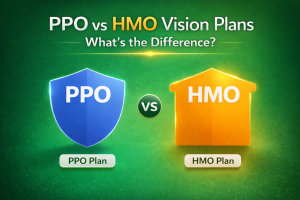
Aetna Dental HMO vs PPO

Deciding between Aetna’s Dental HMO and PPO plans can seem tricky, especially for seniors trying to make informed choices. Each plan type offers unique features designed to suit different needs.

Understanding how these plans differ in coverage, choice of dental providers, and cost structure is crucial. For example, HMO plans usually require choosing from a specific network of dentists, while PPO plans offer more flexibility in selecting providers.

We explain these differences simply to help you find a dental plan that matches your needs. Let’s explore what each plan offers, so you feel confident making a decision.

Key Highlights

  • Aetna offers both HMO and PPO dental plans to suit different needs and budgets.
  • HMO plans require choosing from a specific network of dentists, offering budget-friendly options.
  • PPO plans provide flexibility with dentist choices, often with higher premiums and more comprehensive coverage.
  • Understanding HMO vs. PPO differences in coverage, costs, and provider choice is crucial for decision-making.
  • Plan choice depends on dental care frequency, budget, and preference for flexibility or cost-effectiveness.

Compare Dental Plans

Introduction to Aetna Dental Insurance

Aetna Dental Insurance offers a comprehensive range of options to suit diverse needs, making it easier to maintain your dental health throughout life. With a focus on adaptability and affordability, Aetna provides both HMO and PPO plans to cater to individual preferences and budgets.

Each type of plan has unique features, and choosing the right insurance plan depends on your dental care needs, coverage preferences, and financial considerations. Discover how Aetna Dental can assist you in accessing essential dental care, finding a primary dentist, and ensuring peace of mind with budget-friendly plans designed to suit various healthcare coverage requirements.

Understanding Dental Coverage and Options

When exploring dental insurance such as Aetna Dental, understanding available coverage and options is crucial for making informed choices. Dental insurance is designed to help individuals manage the costs of dental care, including preventive services like cleanings, as well as more extensive procedures like fillings, crowns, and dental surgeries.

With Aetna, you have access to both HMO and PPO insurance plans, each with distinctive advantages that cater to varying needs and preferences. But what do these plans entail, and how can they impact your care and finances?

Aetna dental coverage typically includes options for preventive care, basic procedures, major restorative treatments, and sometimes, orthodontic coverage. Preventive care helps you maintain oral health, reducing the need for costly procedures later.

This coverage emphasizes routine visits to your primary dentist for cleanings and exams, maintaining oral hygiene while keeping costs predictable.

HMO plans offered by Aetna are often regarded as more budget-friendly. They can provide lower monthly payments, mainly because they require you to use a network of specific dentists, which helps to manage costs effectively.

You’ll need to choose a primary dentist and work with them for your dental care needs. These plans might require referrals for specialist care, but they often lead to predictable expenses, essential for budgeting.

On the other hand, Aetna’s PPO plans offer more flexibility. PPO insurance plans allow you to visit any dentist, although staying within the preferred network might result in lower out-of-pocket costs.

If seeing a particular dentist is essential for you or you prioritize flexibility over the lowest monthly premiums, a PPO plan could be more suitable.

These plans often don’t require referrals for specialist visits, adding convenience to your care.
When selecting an Aetna dental plan, consider your budget, how frequently you visit a dentist, and your preferences for healthcare flexibility.

Using tools like a cost estimator can help you learn more about potential expenses under each plan type, giving you a clearer picture of what’s affordable. This information is vital for making decisions that align with your budget and healthcare priorities, ensuring you receive adequate dental coverage.

In essence, the right dental insurance plan, whether it’s an HMO or PPO, should provide you with substantial coverage that aligns with your care needs and financial situation. Consider the extent of coverage you require, how comfortable you are with specific network constraints, and what services are most important to you.

Understanding these considerations can guide you towards a plan that complements both your healthcare and financial goals, helping you maintain optimal dental health without unnecessary stress.

Introduction to Aetna Dental Insurance

What is Dental HMO Coverage?

Dental HMO coverage, often known as a Dental DMO plan, operates differently from PPO plans, primarily due to its network-based structure. A key feature is its use of a primary dentist who coordinates your dental care within a network of providers.

Known for budget-friendly plans, these insurance solutions offer lower monthly payments, making them a practical choice for those focused on predictable healthcare costs.

By understanding the workings of HMO dental plans, individuals can better assess their coverage options and make informed choices regarding their dental insurance needs, considering aspects like coverage, network services, and how such plans work.

Features of a Dental DMO

When we delve into the world of dental insurance, it’s essential to recognize the distinct features that set Dental DMO plans apart from other options. A primary component of HMO dental coverage, Dental DMO plans, revolves around having a primary dentist who will coordinate all your dental care.

This system offers various plan benefits, such as streamlined services and easier access to preventive care. Signing up for a DMO plan means committing to a network of dental care providers that your insurance covers.

It’s designed in a way that most DHMOs will only cover services offered within this network, ensuring costs are kept manageable.

One of the main features of a Dental DMO is its focus on preventative care. Routine cleanings, exams, and x-rays are covered under the plan, helping you maintain dental health to avoid more costly procedures in the future.

The benefit of this model is that your primary dentist becomes deeply familiar with your dental needs, offering personalized recommendations and timely interventions. By prioritizing preventive measures, these plans aim to minimize the need for expensive dental treatments, effectively keeping healthcare costs low over the long term.

Network services are central to the DMO’s operation. Unlike PPO plans, where you have the flexibility to choose any dentist, a DMO plan requires you to select from an established network of providers. These dentists have agreed to predetermined fees for services, which contributes to the budget-friendly nature of the DMO plan.

This setup can result in lower monthly payments, making it appealing to individuals and families looking to manage their healthcare expenses effectively. The trade-off for these savings is the necessity of operating within the plan’s network, which means you won’t receive coverage for visits to out-of-network dentists.

For those who require various dental procedures, including emergencies, it’s important to understand how a Dental DMO handles such situations. Generally, these plans cover emergency dental care, but usually require that the care be coordinated through your primary dentist to ensure coverage.

Some plans might accommodate out-of-network emergency situations under special circumstances, but it’s crucial to thoroughly review plan details to fully understand what is covered.

The limitations in network services can be a factor; however, if you value a comprehensive preventive care approach with controlled costs, a Dental DMO can work well for you.

Advantages and Limitations of HMO Plans

Dental HMO plans bring a unique set of advantages and limitations worth considering as you evaluate which insurance options align best with your needs. The primary value of HMO dental insurance lies in its affordability.

By design, these plans typically offer lower monthly payments, a feature that appeals to those prioritizing budget accommodation without sacrificing essential dental care services. These plans excel when it comes to routine and preventive care, providing an efficient way to maintain oral health through regular cleanings, exams, and routine checkups.

When enrolling in an HMO plan, choosing a primary dentist marks an important step, as this professional anchors your ongoing dental care within the chosen network. Known as the “gatekeeper,” your primary dentist coordinates your treatments and refers you to specialists when necessary.

This approach ensures a cohesive treatment plan, potentially resulting in better outcomes and cost savings. The dental DMO emphasizes preventive services, promoting regular visits that can detect and address potential issues early, preventing more costly and invasive procedures down the line.

Despite these advantages, HMO plans come with notable limitations. A significant drawback is the restriction to network services, meaning you’ll need to obtain treatment from a defined list of dental care providers.

This can limit your choice of dentists, and if you decide to visit an out-of-network provider, you may incur full costs for those services. This is an essential consideration if you have a preferred dentist not included in the network.

Another limitation involves specialist care. With HMOs, referrals are typically necessary to access specialists, which means your primary dentist must approve and facilitate your visit to a specialist.

While this referral system keeps costs predictable, it can sometimes cause delays in receiving specialized care. For instance, treatments beyond standard care, such as certain types of surgery or orthodontics, may require additional coordination and time.

For individuals focused on predictable expenses and a willingness to stay within a predetermined network, the budget-friendly nature of HMO plans is attractive.

However, if having the flexibility to choose any dental provider or swift access to specialists is a priority, you might find these limitations outweigh the cost benefits.

Understanding the balance between these advantages and limitations will help ensure that your dental insurance plan meets your healthcare priorities, providing adequate coverage while fitting seamlessly into your financial plans.

What is Dental HMO Coverage?

Exploring PPO Dental Plans

If you’re exploring dental insurance options, understanding PPO dental plans is critical to making a well-informed choice. PPO plans, or Preferred Provider Organization plans, are famous for their flexibility and comprehensive coverage.

Unlike HMO plans that rely on a primary dentist, PPO plans allow you to visit any dentist, though you’ll save more with in-network providers. Delving into the benefits and flexibility of PPO plans can help highlight how they fit into your dental care strategy.

Additionally, comparing the costs of PPO plans with other plans gives insight into budget and coverage considerations.

Benefits and Flexibility of PPO Plans

Preferred Provider Organization (PPO) plans are a popular choice for those who seek flexibility and comprehensive coverage in their dental insurance. These plans allow you to visit any dentist without needing a referral, making them a fitting choice if you value access and variety in dental care.

While network services are encouraged to keep costs lower, you’re not restricted. If you have a preferred dentist who provides the level of care that fits your needs, even if they’re out of the network, you have the freedom to choose them.

This flexibility is significant, especially for seniors who might have an established relationship with their dentist.

PPO plans not only offer a wide range of dental care options but also come with robust coverage for preventive services like cleanings and exams, as well as more extensive dental procedures. This is crucial, as routine dental check-ups can prevent the need for more costly treatments in the future, saving both health and wealth.

The coverage extends to essential services, including fillings, crowns, and some plans even consider orthodontic treatments. While these services can come at a higher premium compared to HMO plans, the value stems from the available choices and covered services.

When evaluating a PPO dental insurance plan, it’s essential to consider the plan’s benefits. One of the standout advantages is the lack of need for a primary dentist or referrals.

In contrast to HMO plans, where your primary dentist acts as a gatekeeper, PPO plans empower you to make decisions about your care. This aspect is ideal for individuals who anticipate needing specialist care.

You can directly schedule orthodontic assessments or consultations for oral surgeries without the prerequisite of a referral, expediting your treatment.

However, it’s important to weigh these benefits against the costs. PPO plans typically have higher premiums and possibly higher out-of-pocket costs compared to HMO plans.

This trade-off provides greater freedom in selecting healthcare providers. If you’re working within a strict budget, understanding the detailed costs associated with a PPO can prevent surprises down the road.

Using a budget-friendly plan calculator can help estimate annual costs and ensure alignment with expected healthcare expenses, aligning with both dental care needs and financial planning.

Overall, the benefits and flexibility of PPO plans make them an appealing choice for those valuing extensive coverage and freedom in choosing care providers. Perfect for individuals prioritizing choice over cost, especially if they expect to require diverse dental services, PPO plans can meet varied healthcare needs.

By considering your current dental care habits, financial situation, and future dental needs, a PPO plan might offer peace of mind and effective management of long-term health care costs.

Comparing PPO Costs with Other Plans

When comparing the costs of dental insurance plans, PPO plans often appear to cost more than other types such as HMO or DMO plans. The key reason for this is the inherent flexibility and broader network range that PPO plans offer.

PPO plans generally have higher monthly premiums compared to HMOs due to the liberties afforded in choosing a dentist and not needing referrals for specialist care. This type of dental insurance is ideal for those prioritizing comprehensive coverage over the lower monthly payments typically seen with HMO plans.

In contrast, HMO plans usually come with lower monthly premiums, primarily because they require staying within a network of services and often need a referral system for specialist care. This system keeps costs predictable, making HMO plans more budget-friendly, particularly for routine and preventive dental care.

For individuals who need regular dental check-ups and preventive care without the frequent need for complex procedures, HMOs could represent good value. However, for those whose needs extend beyond, the broader coverage of a PPO could justify the higher costs.

There’s also significant consideration due to emergency dental care. Generally, PPO plans tend to offer broader coverage for emergencies, especially when beyond local boundaries, which can be a critical factor for those who travel frequently.

In contrast, HMO plans might require emergency care to be coordinated through a primary dentist, potentially limiting immediate access in urgent situations.

For individuals who prioritize flexible, responsive healthcare that can adapt to unforeseen dental emergencies, the increased premium of a PPO can serve as worthwhile insurance.

Moreover, understanding the impact of out-of-pocket costs when evaluating a PPO versus other plans is essential. While PPO plans allow visiting dentists out of network, this wider scope can result in higher out-of-pocket costs if sticking to in-network dentists is not always feasible.

It’s crucial to weigh these potential costs against premiums and expected yearly expenses to determine an actual cost-benefit balance. Utilizing a cost estimator can assist in understanding potential expenses under each plan, helping you grasp what aligns with your overall budget and health priorities.

In summary, choosing the right dental insurance plan is a delicate balancing act between the costs and the benefits associated. PPO plans provide broader flexibility and extensive service networks, albeit at a higher cost.

Many find this worthwhile for the convenience and comprehensive coverage. On the opposite end, HMO plans cater well to those seeking predictability and controlled costs, albeit with limited provider choice.

By evaluating your dental needs, frequency of dental visits, and your dental care priorities alongside cost considerations, you can select a plan that truly fits, enforcing peace of mind and security in your dental care journey.

Find & Compare Plans Online

Speak with a licensed insurance agent

1-855-425-2095TTY 711

Mon-Fri: 8am-9pm ET

How to Choose the Right Dental Plan for You

Choosing the right dental plan involves balancing needs, financial capabilities, and personal preferences. With options like HMO and PPO, understanding what each offers ensures you pick the most fitting dental insurance plan, aligning with both budget and care priorities.

Think about your dental care habits, coverage needs, and financial plans to make an informed decision. This section explores finding a budget-friendly plan that doesn’t compromise on necessary dental care, while also highlighting key considerations like coverage, network services, and costs.


Plan TypeKey FeaturesCost ConsiderationsCoverage Flexibility
Basic Dental PlanCoverage for routine check-ups and cleaningsLower premiums; potential higher out-of-pocket expensesLimited flexibility; suitable for routine care
Preventative Plus PlanIncludes preventative and some basic proceduresModerate premiums with capped co-paysModerate flexibility; covers essential services
Comprehensive PlanExtensive coverage for a range of dental servicesHigher premiums; reduced out-of-pocket costsHigh flexibility; suitable for extensive care needs
Dental Discount PlanDiscounts on dental services from network providersMembership fee instead of premiumsHigh flexibility with varying cost benefits


This table provides a concise overview of the critical factors to consider when selecting a dental plan, helping you balance affordability with adequate coverage.

Finding a Budget-Friendly Plan

Selecting a budget-friendly plan requires careful consideration of how different dental insurance plans support your financial needs and healthcare requirements. Dental care costs can be unpredictable, but finding a plan that suits your budget can ease financial strain.

Start by assessing your dental care needs, like how often you visit a dentist, what services you frequently use, and if you anticipate needing emergency dental care. HMO plans, known for lower monthly payments, may be suitable if you prioritize budget over flexibility, offering cost-effective options within a specified network of dentists.

However, the plan requires choosing a primary dentist who coordinates your care and refers you to specialists when needed, keeping costs consistent and manageable.

Conversely, if having the flexibility to pick any dentist is crucial, a PPO plan might be more fitting despite typically higher monthly premiums. PPO plans provide the freedom to choose your preferred dentists, even out of network, while encouraging in-network services for lower prices.

This could be ideal if you already have regular dentists or specialists you trust. When weighing plans, consider not only monthly costs but also potential out-of-pocket expenses.

Using a cost estimator can help project annual costs for different scenarios, providing invaluable information as you compare plans.

Budget-friendly plans should balance affordable premiums with satisfactory coverage. While HMOs typically offer preventive and routine dental services at lower costs, you’ll need to consider limitations like network restrictions and mandatory referrals.

In contrast, PPOs might better serve if your needs include diverse or unpredictable dental services, justifying the higher costs for more extensive coverage and choice. When comparing emergency service coverage, assess how each plan handles emergencies, especially if you travel frequently.

HMO plans might require certain emergency procedures to be approved through a primary dentist, which might not be practical in urgent situations, whereas PPO plans usually accommodate emergency services more flexibly.

Ultimately, choosing a plan goes beyond just covering immediate needs; consider long-term benefits and financial goals. Understanding the full scope of costs, like copayments, deductibles, and potential increases in yearly premiums, will clarify the actual affordability of any dental plan.

It’s also essential to review any waiting periods, which could affect the coverage timeline for specific services, impacting your dental care strategy.

Research available tools and resources to assess costs, such as plan comparison tools, to ensure you’re making the most educated decision, tailoring the plan to best suit health needs and financial planning.

Before committing, check the network services each insurance plan offers. Make sure commonly used local dentists or specialists are included if they’re important to you.

Compare plans based on how flexible they are with network services and costs associated with non-network options. Look at how changes like possible new services or future healthcare innovations might influence your needs.

The right dental plan provides not just coverage but peace of mind, fitting smoothly into your lifestyle and budget. By understanding dental insurance intricacies and balancing coverage and financial considerations, you can determine what works best for you, fortifying your dental health without unnecessary stress.

In conclusion, a dental plan should fit seamlessly into your budget and meet your healthcare priorities. When assessing your options, remember that costs vary by location and individual needs.

Carefully evaluate both current and future requirements to ensure you choose an insurance plan providing comprehensive, budget-conscious care. Entering your ZIP code on our website can help explore Aetna dental insurance options specific to your area, making well-informed decisions much easier.

How to Choose the Right Dental Plan for You

Conclusion

Aetna’s dental HMO and PPO plans present distinct advantages that can fit various needs. Understanding these differences helps in making the right choice for your dental insurance.

Whether you prefer the cost-effective, network-focused approach of an HMO or the flexible, comprehensive coverage of a PPO, Aetna offers solutions that cater to different financial and dental care priorities.

Making a proactive decision about dental plans ensures coverage aligns with your healthcare and financial goals, allowing for sustained dental health. Explore how Aetna adapts these options to suit local needs, emphasizing accessible, preventive care.

Exploring Your Local Aetna Dental Options

When it comes to selecting the right dental insurance, location can significantly impact your options and their benefits. Aetna tailors its dental plans to reflect local healthcare provider networks and costs, ensuring that you’re not only receiving comprehensive dental care but also services that fit within your area’s offerings and prices.

Seeing a familiar dentist within your local network can ease both logistical and financial burdens, helping you stay on top of your dental health without unnecessary stress.

First, consider Aetna’s HMO plans if you value predictability and budget management. These plans require you to choose a primary dentist within a local network.

This dentist acts as a coordinator for all your dental care, providing referrals if specialized treatment is needed. The benefit lies in the lower costs associated with staying within this network, which is crucial if you have consistent dental care needs that align well with the provided network services.

By understanding how Aetna’s HMO plans work in your area, you can make a choice that minimizes out-of-pocket expenses while ensuring essential services are covered.

For those who prioritize flexibility, Aetna’s PPO plans might be more appropriate. They allow you to visit any dentist, although staying within the network leads to reduced costs.

This flexibility can be particularly suitable for individuals who have an existing relationship with a dentist outside the HMO network. Assessing local PPO options involves looking at which services are frequently used, how the network rates compare with out-of-network fees, and what the potential annual costs might be.

Aetna’s PPO structure supports comprehensive coverage that maintains your dental health while managing overall healthcare expenses, even allowing for out-of-network visits as needed.

Moreover, the inclusion of preventive and extensive dental services under both HMO and PPO plans is fundamental to maintaining oral health. These services typically cover routine cleanings, examinations, and procedures for teeth, such as fillings, ensuring regular care is affordable.

By focusing on preventive measures, Aetna’s plans aim to reduce long-term healthcare expenses by addressing issues before they escalate. Knowing what your local Aetna plan covers can guide you toward selecting options that sustainably manage both current needs and possible future changes in your dental health requirements.

Understanding what’s available locally includes reviewing the costs associated with each plan. Aetna adjusts plan costs based on your area’s specific economic environment and healthcare infrastructure, ensuring pricing reflects local standards.

Considering the overall plan benefits, along with the network’s capacity to offer varied healthcare services, helps ensure your plan of choice provides value beyond just dental care. It’s about finding a balance between coverage and financial planning, providing peace of mind with minimal disruption.

Finally, evaluating dental options is incomplete without considering the technological tools Aetna offers. Tools like cost estimators and provider locators can help project annual expenses, revealing what options fit your lifestyle.

Using these resources can ensure that you’re not only looking at immediate affordability but also long-term viability, aligning with both budget and healthcare priorities.

By entering your ZIP code on Aetna’s platform, you can explore plan details tailored to your locality, helping you select an insurance option that’s meticulously aligned with your dental health needs.

By laying out these local options, Aetna aims to support comprehensive, proactive dental health management. After understanding how dental insurance works within your area, you become empowered to make informed choices, keeping both quality and cost in check.

Remember, the choice between an HMO and a PPO isn’t just about coverage; it’s about crafting a healthcare strategy that fits your unique needs today while preparing for tomorrow.

Feel free to enter your ZIP code on our website to explore tailored dental insurance comparisons and make an informed decision that bolsters your dental care confidence.

To make an informed decision regarding your local Aetna dental plans, consider the following key steps:

  • Evaluate your current dental health needs and frequency of dental visits.
  • Compare HMO and PPO plan structures to determine which aligns best with your preferences.
  • Use Aetna’s online tools, like the provider locato,r to check available network dentists.
  • Analyze out-of-network costs and how they fit into your budget if considering a PPO.
  • Review local plan costs and benefits to understand the financial implications.
  • Check for any specialized services you might need, ensuring coverage is accessible.
  • Enter your ZIP code on Aetna’s website to see plans available in your area.
  • Assess each plan’s preventive and extensive service offerings to cover your needs.


These steps will help you align your dental insurance with both your current and future dental health needs.

Choosing between Aetna Dental HMO and PPO plans depends on your personal needs and preferences. Consider the cost, coverage options, and flexibility each plan offers.

By comparing these aspects, you can make an informed decision that aligns with your dental health goals. Remember, prices and benefits can vary by location, so it’s important to review the details specific to your area.

Enter your ZIP code on our website to explore available plans and find a dental insurance option that suits you best.

Compare Dental Plans

Frequently Asked Questions

What is the main difference between Aetna's Dental HMO and PPO plans?

The primary difference lies in how you access dental care and manage costs. HMO plans require you to choose a primary dentist within a network and generally have lower premiums. PPO plans offer more flexibility by allowing visits to any dentist, though staying within the network can reduce costs. This flexibility often comes with higher premiums.

Why might someone choose an HMO plan over a PPO plan?

HMO plans are typically chosen for their budget-friendly nature and predictable costs. If you prefer lower monthly payments and do not mind using a specific network of dentists, an HMO can help manage your dental care costs effectively.

What benefits come with choosing a PPO plan?

PPO plans provide the advantage of flexibility and comprehensive coverage. You can visit any dentist without needing referrals, making it suitable if you have specific dental care preferences or frequent specialist visits. However, staying within the network helps manage costs.

How do emergency dental services work under HMO and PPO plans?

For HMO plans, emergency care usually needs coordination through a primary dentist within the network. PPO plans typically offer more flexible coverage for emergencies, especially if immediate access is needed when traveling.

What should seniors consider when choosing between plan types based on location?

Considering local healthcare networks and specific dental needs is crucial. Entering your ZIP code on resources like Dentalinsuranceforsenior.org can help compare plans based on local offerings, ensuring that you understand which plans offer the best network coverage and cost management in your area.

Have Questions?

Speak with a licensed insurance agent

1-855-425-2095

TTY users 711

Mon-Fri: 8am-9pm ET

Find & Compare Plans Online

Speak with a licensed insurance agent

1-855-425-2095TTY 711

Mon-Fri: 8am-9pm ET

ZRN Health & Financial Services, LLC, a Texas limited liability company